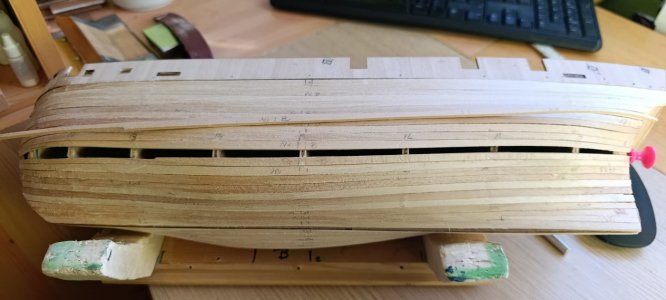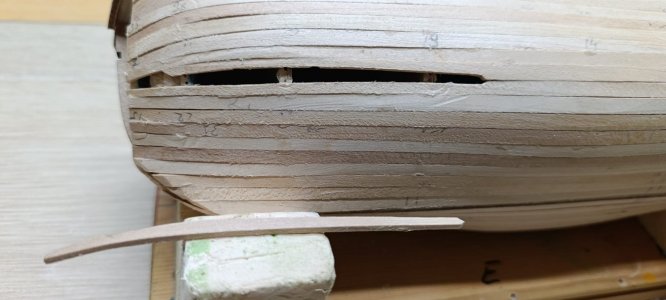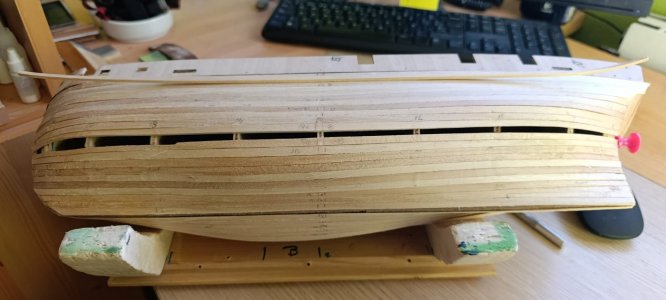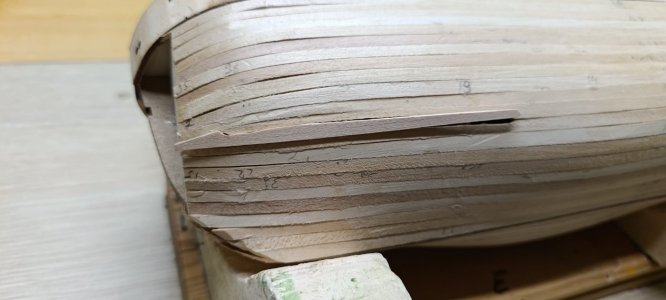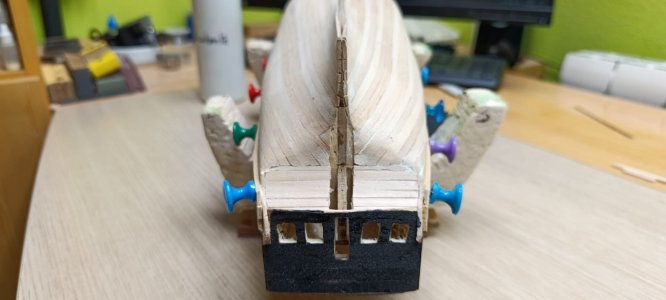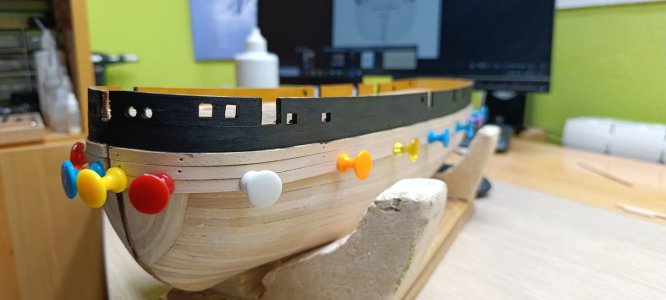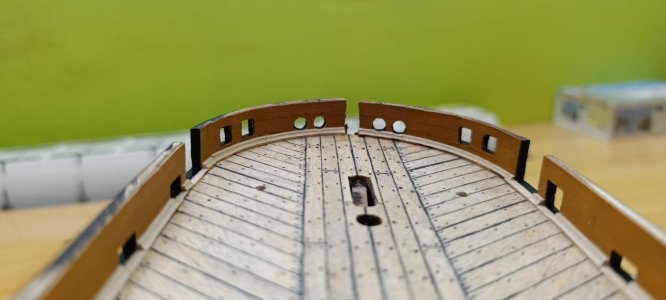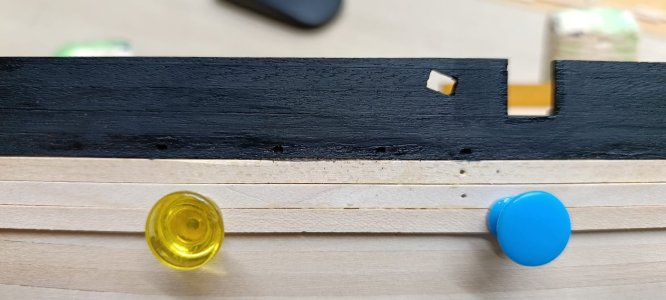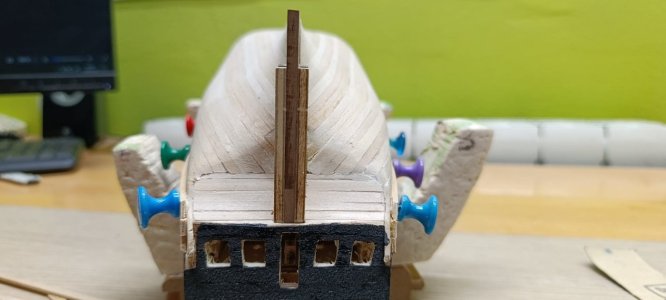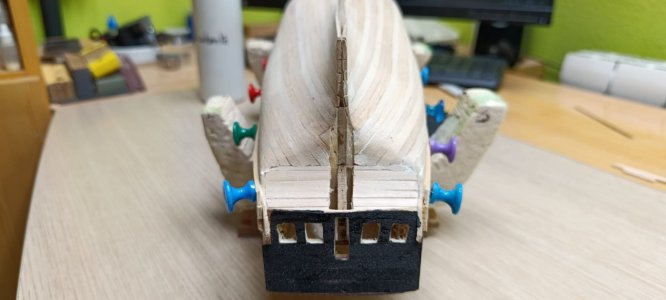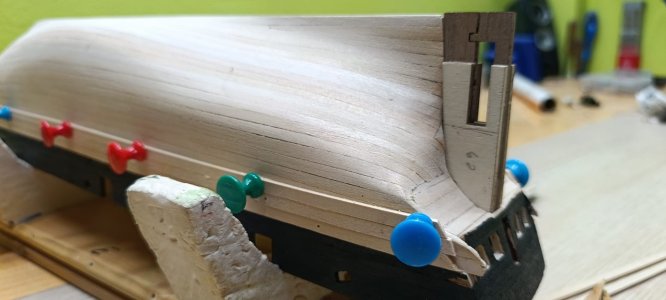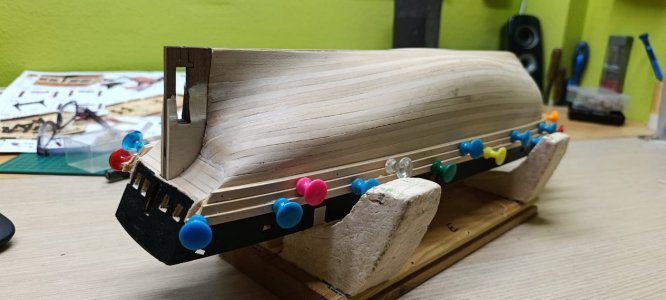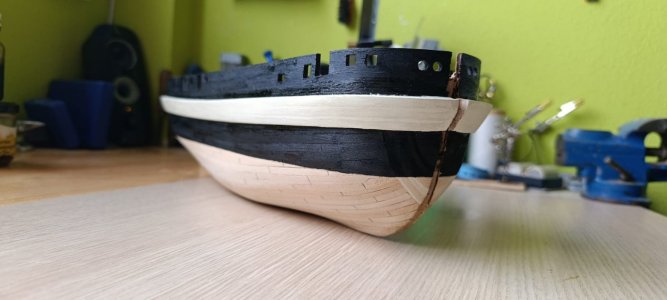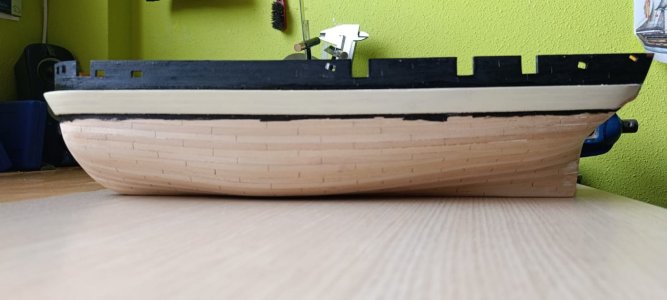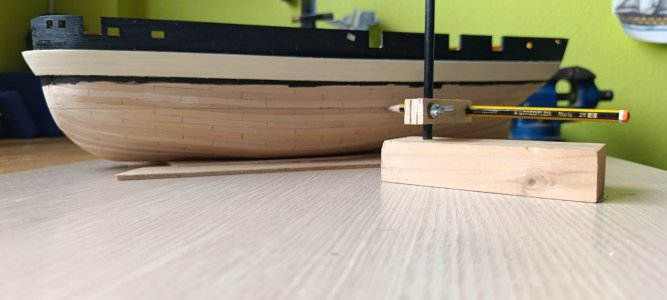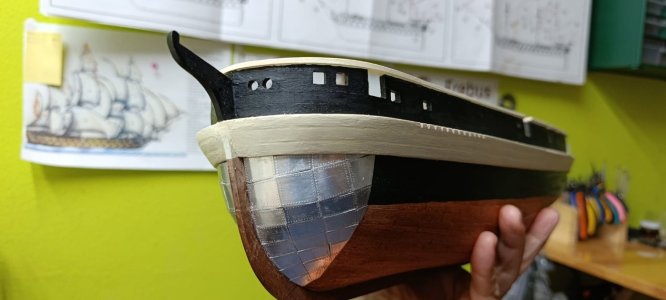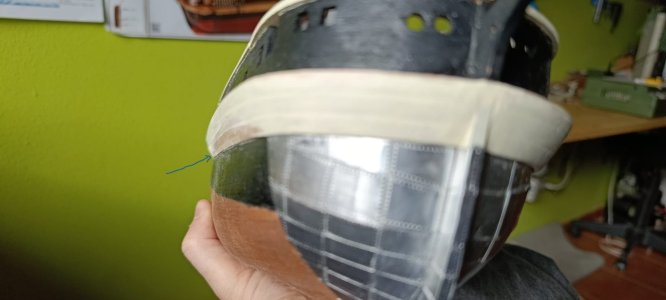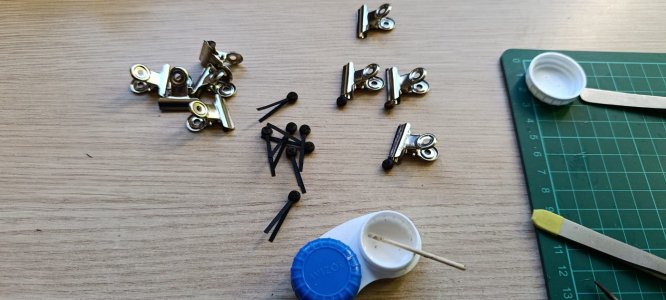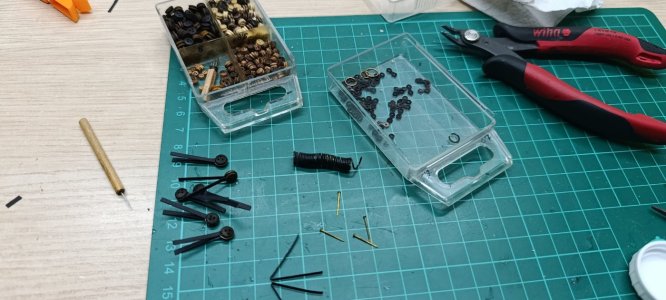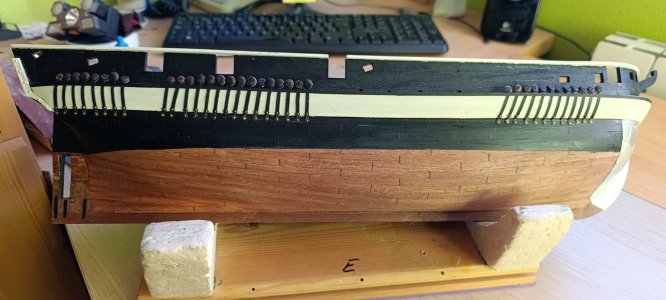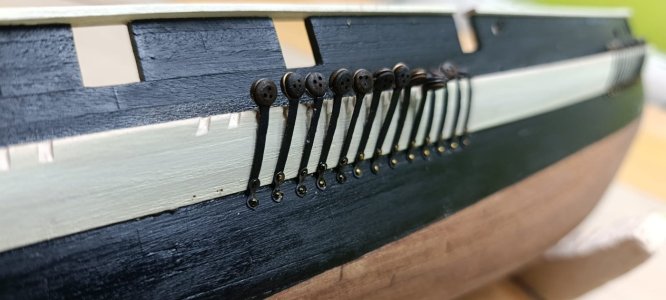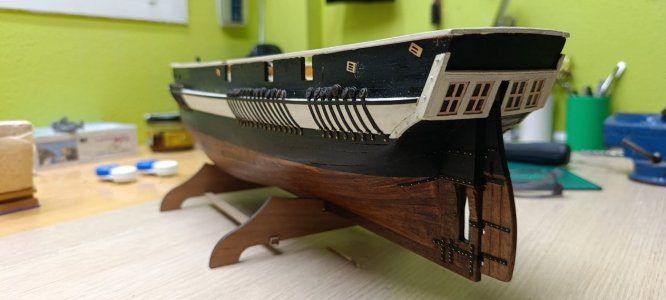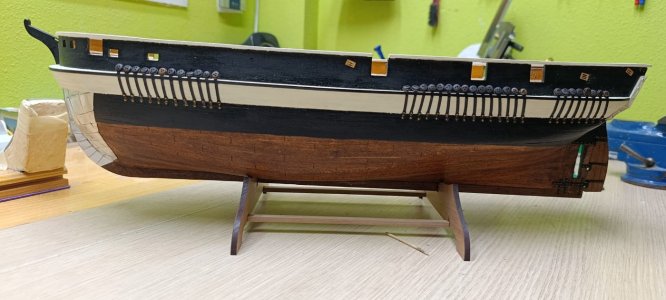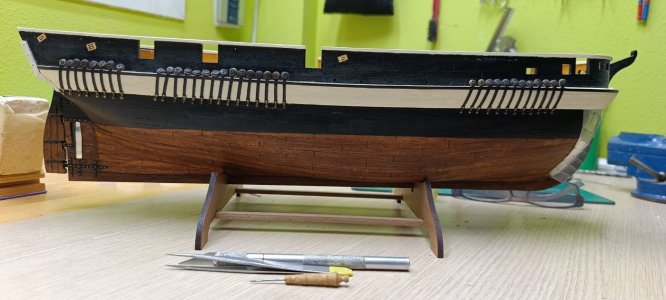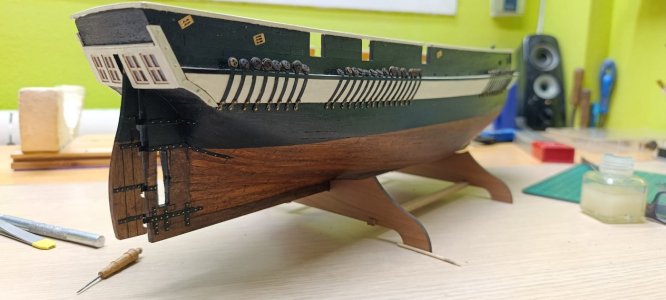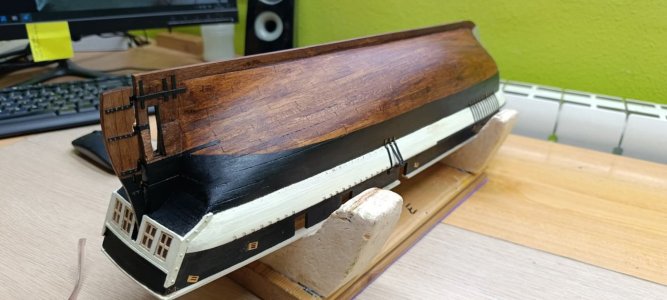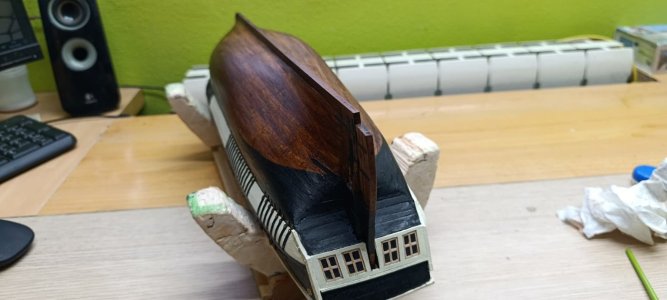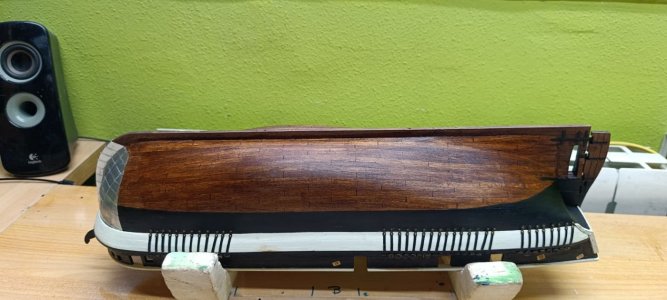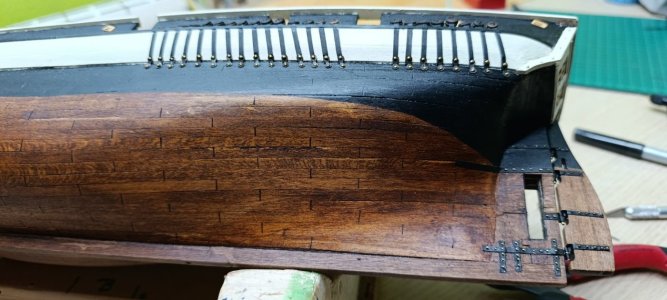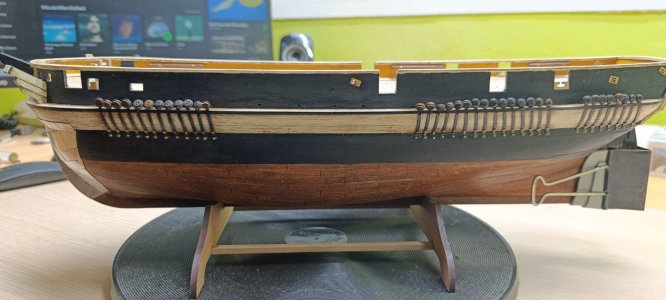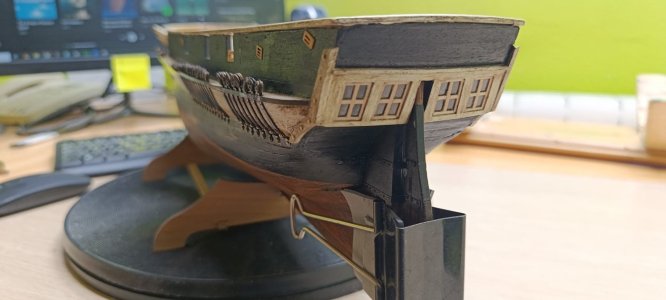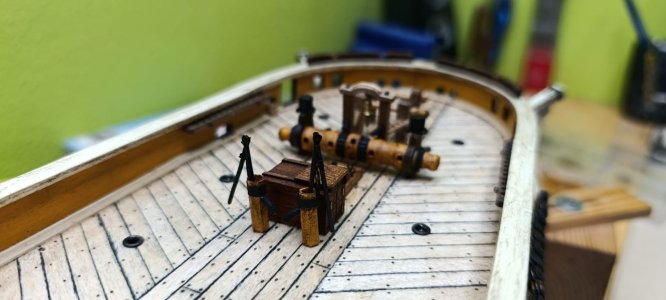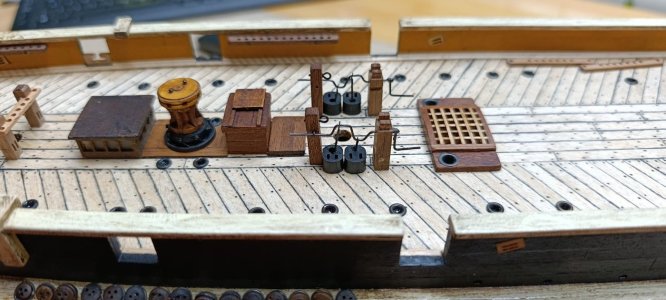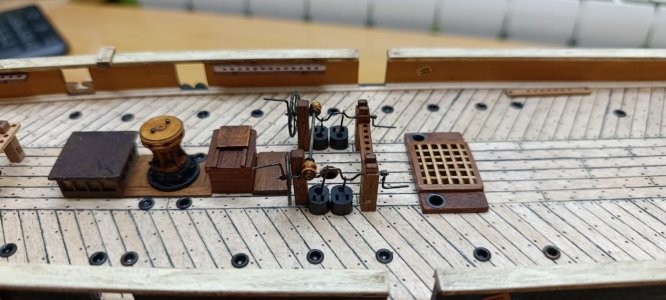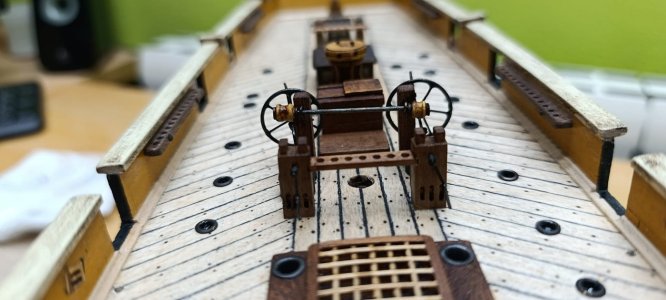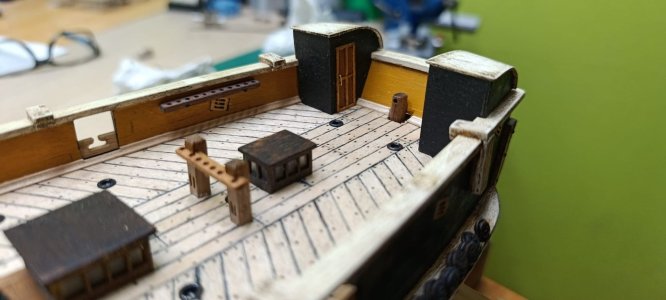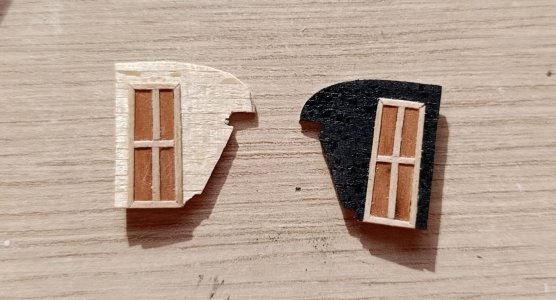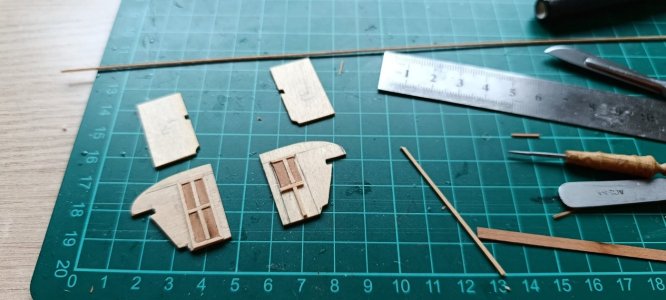



Well, to keep up the good work lately, while I continue with the San Juan Nepomuceno, I'll start the Erebus de Ocre, with the idea of making the Terror as well, since they're the same ships with minor differences. There's a lot of information about them, so I hope to get a model that's as realistic as possible. Since it also seems to have enough space to work on it, I'll combine the running rigging of the Nepomuceno—I still have a lot of work to do on the yards I've already made—with this one, which I think will make things more relaxed.
Besides, there aren't many threads in this ship's section, and that's tempted me. I'll also post it on Facebook, on Ocre's page.
The Erebus and Terror Expedition, also known as the Ross Expedition, was the most important British expedition to Antarctica in the 19th century. Led between 1839 and 1843 by James Clark Ross, the mission aimed at exploration and scientific research—particularly on magnetism—in an unexplored region that would later become the Ross Dependency.
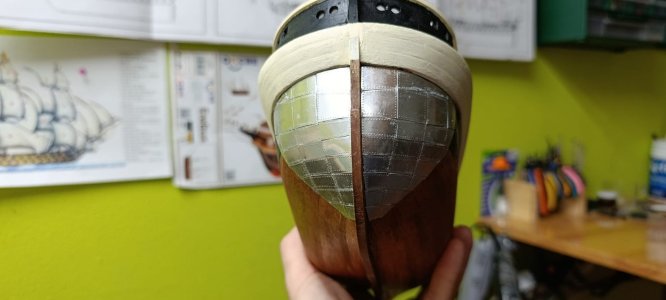
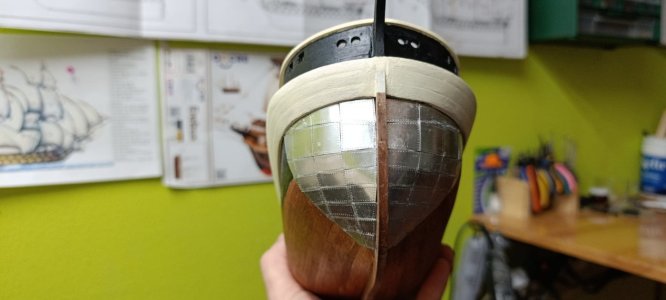
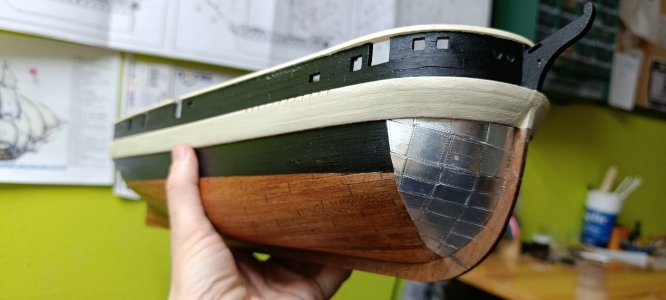
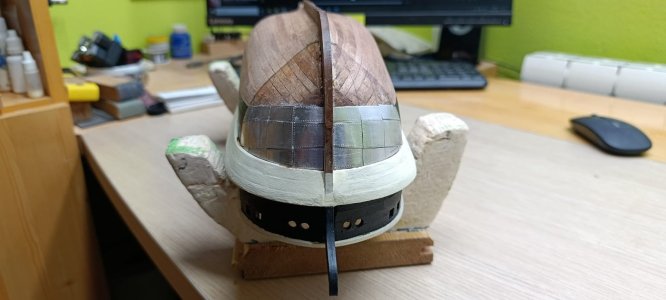
This expedition is named after the expedition's ships, HMS Erebus and HMS Terror. These two ships had reinforced bows to withstand the twisting forces of the ice floes and were powered by steam engines. Around 1845, the Erebus and Terror attempted to find the Northwest Passage during John Franklin's expedition. The two ships departed London on May 19, 1845, bound for the Arctic. They set sail with 135 men, all of whom perished. Some died from lead poisoning, others from starvation due to spoiled food, and still others from pneumonia, dysentery, or botulism, which causes vomiting, fever, fatigue, and other symptoms, and was found in improperly prepared canned vegetables.
Numerous locations were discovered and named, such as McMurdo Sound, the Ross Ice Shelf, the Ross Sea, and Ross Island.
I'm sorry I have to use Google Translate, my English is very basic.
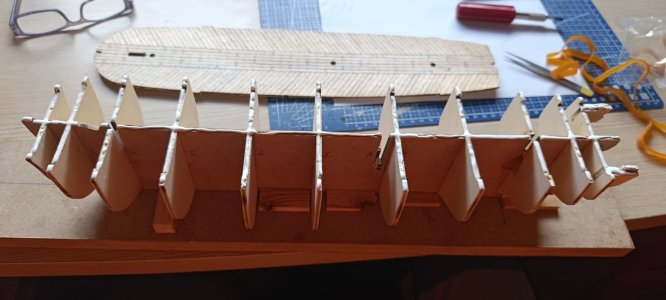
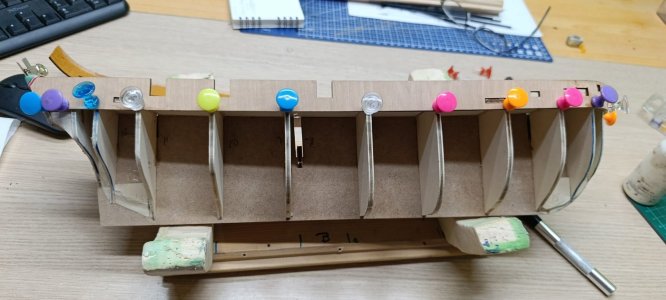
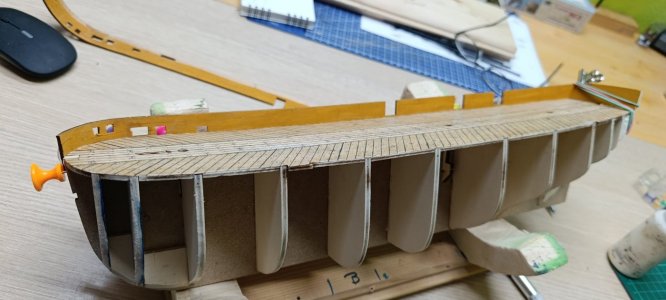
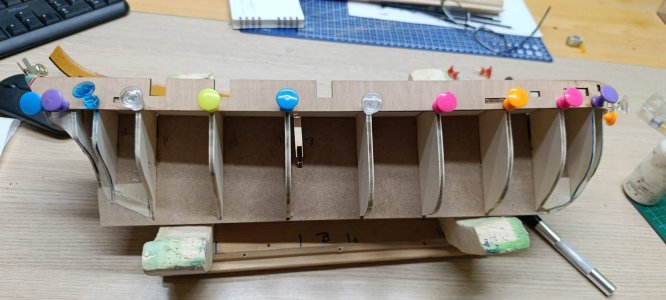
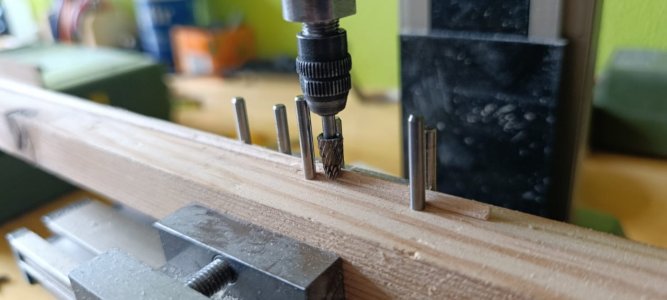
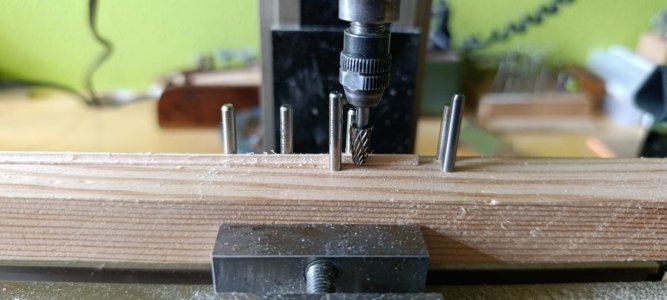
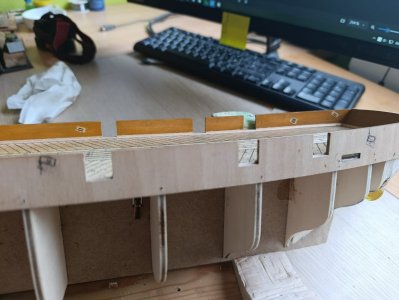
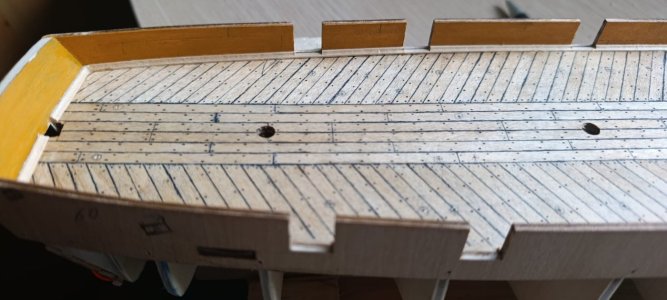
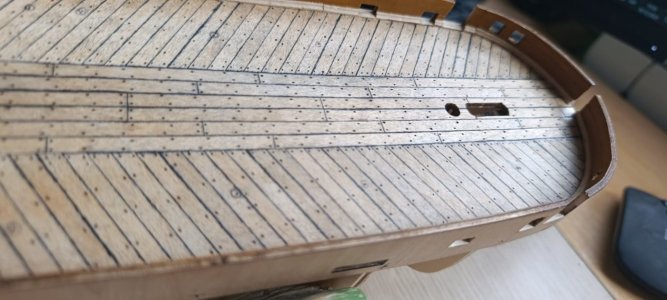
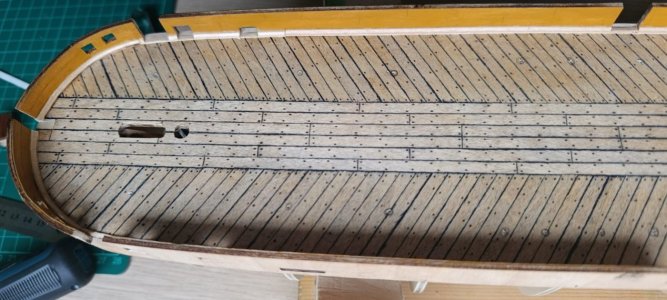
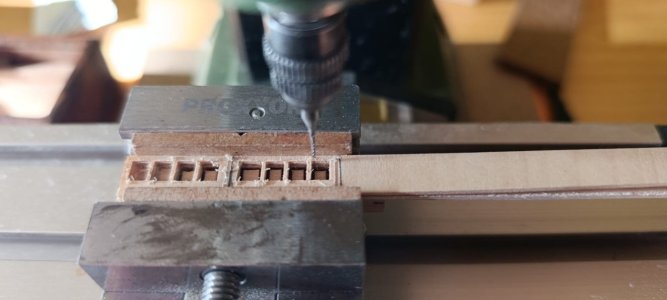
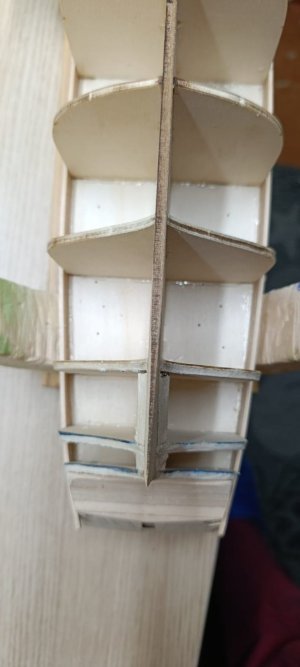
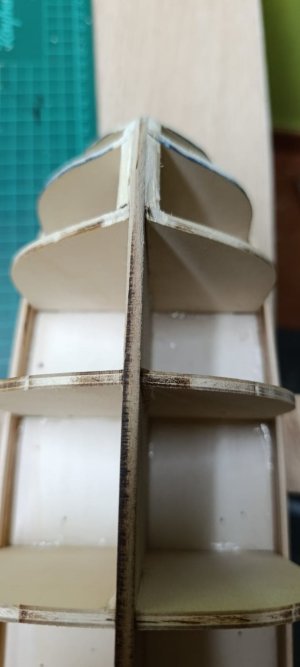
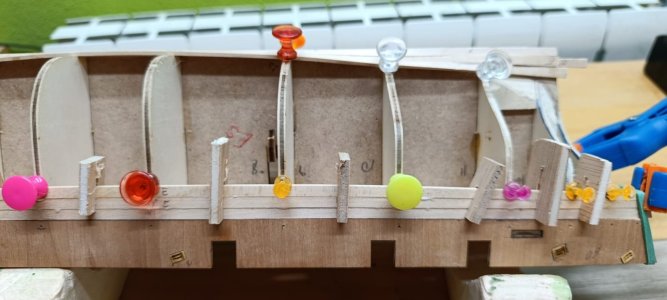
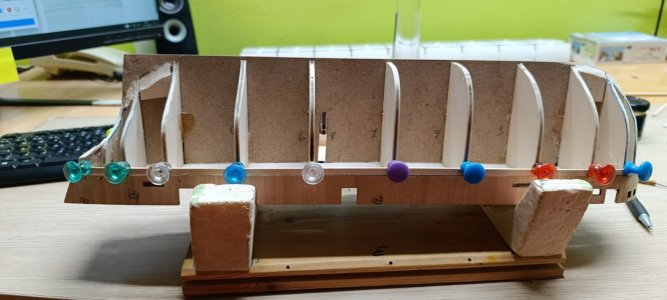
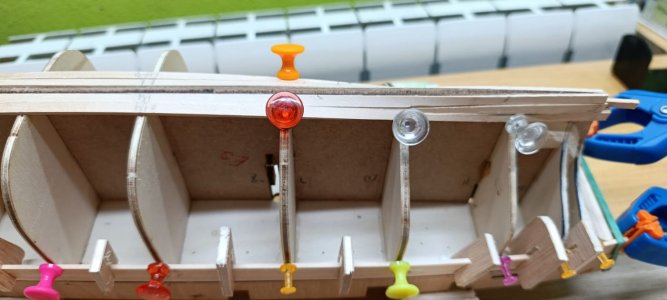
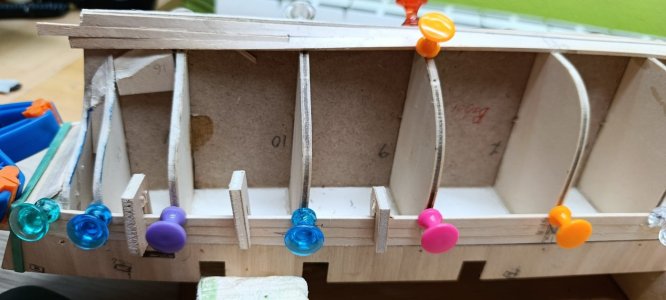
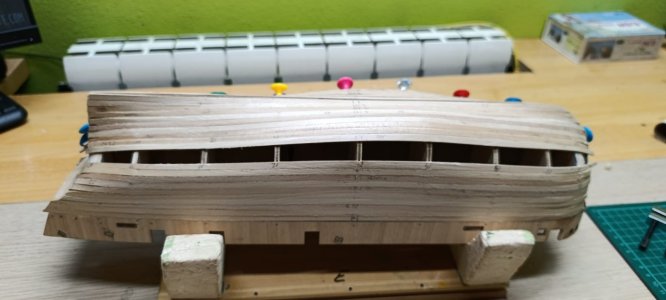
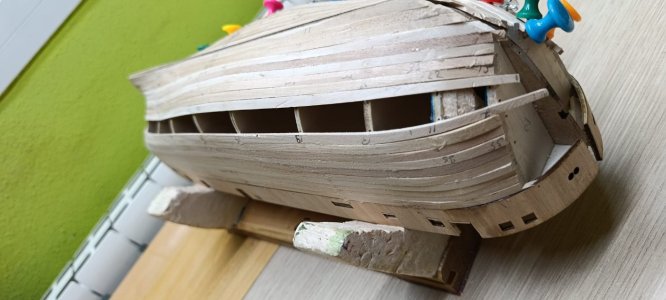
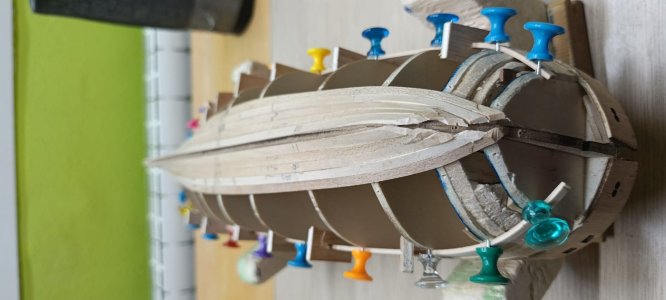
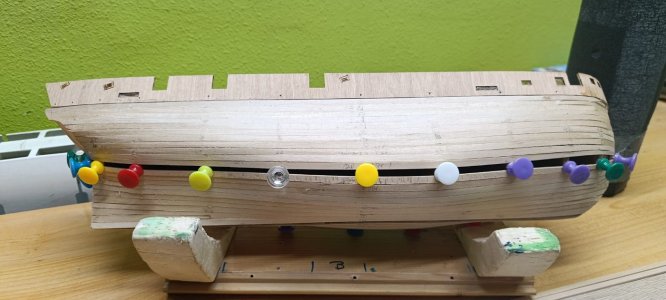
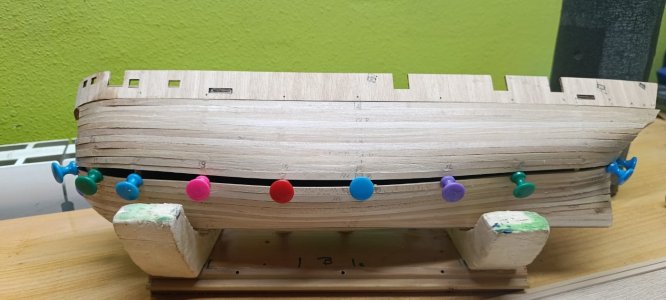
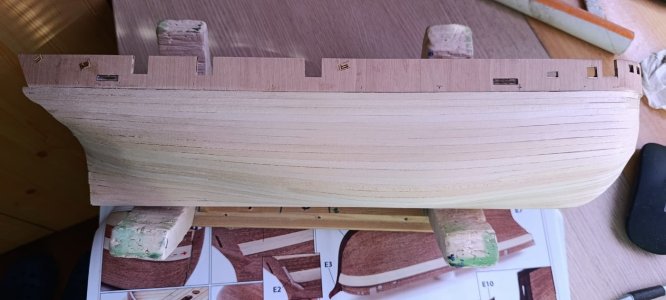
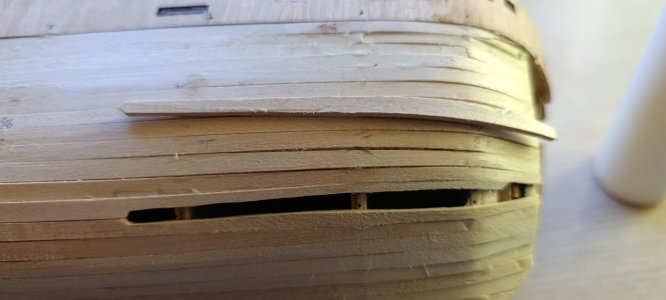
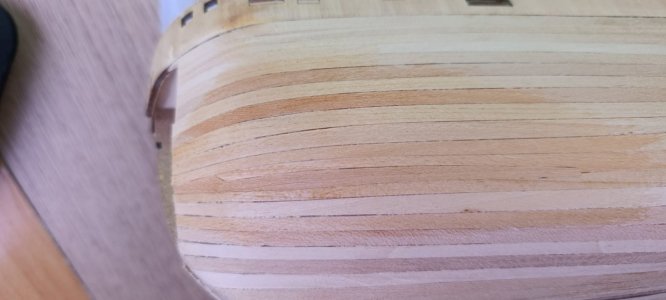
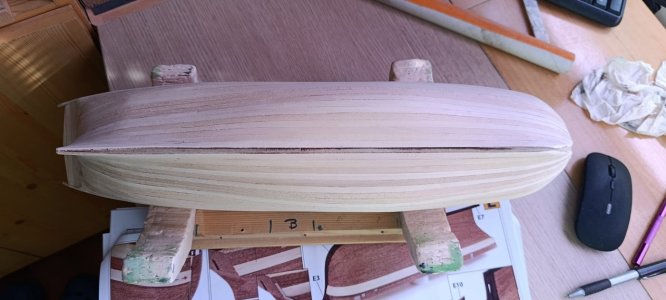
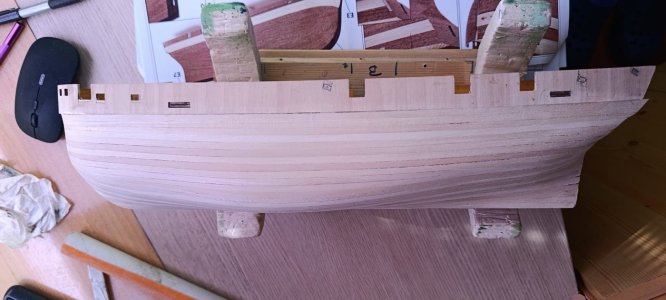
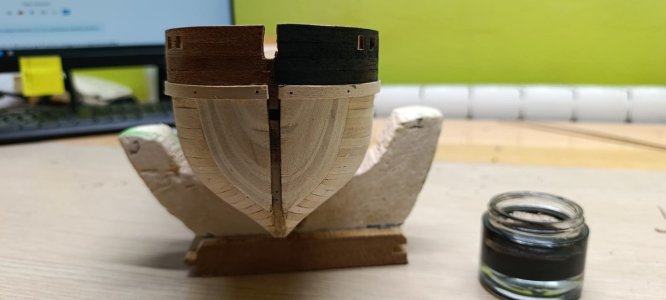
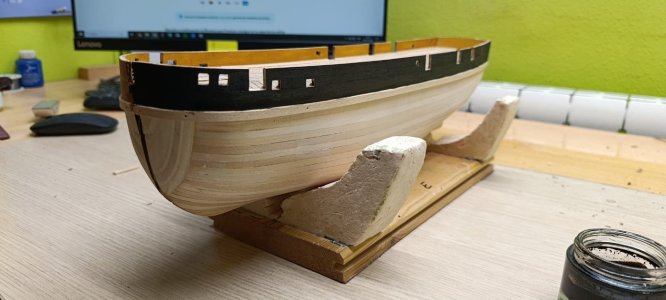
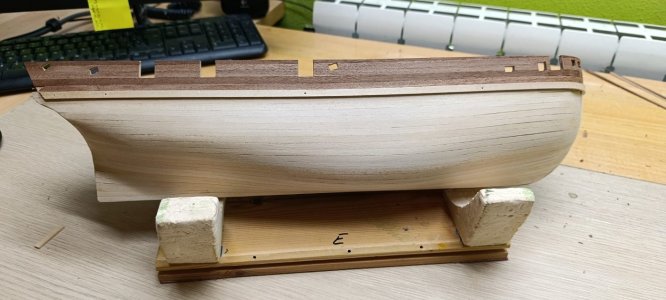
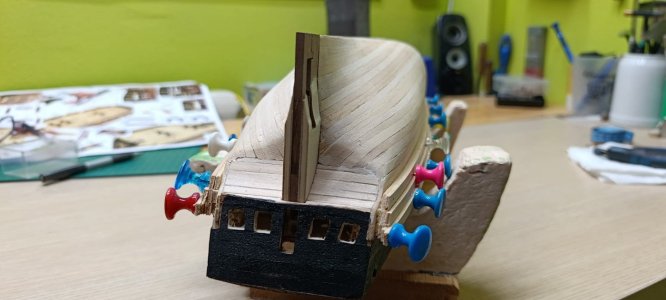
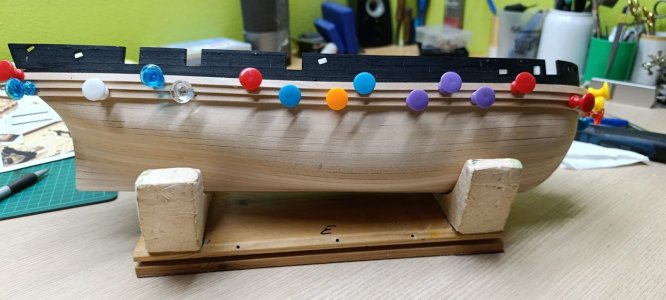
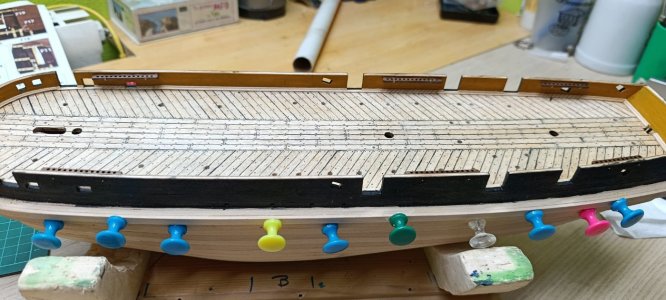
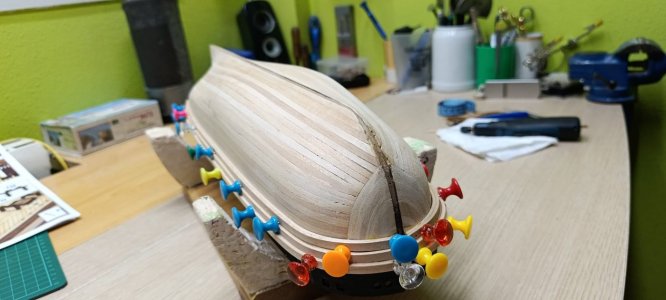
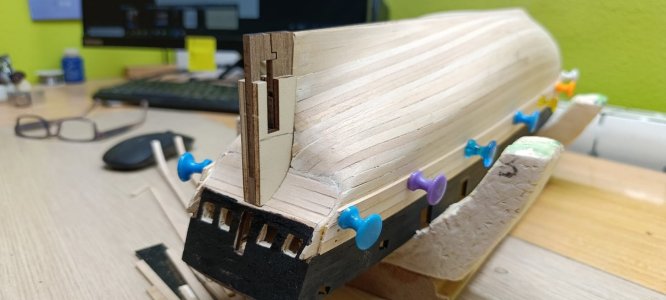
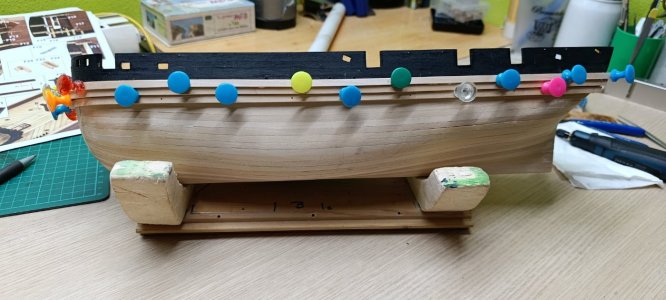
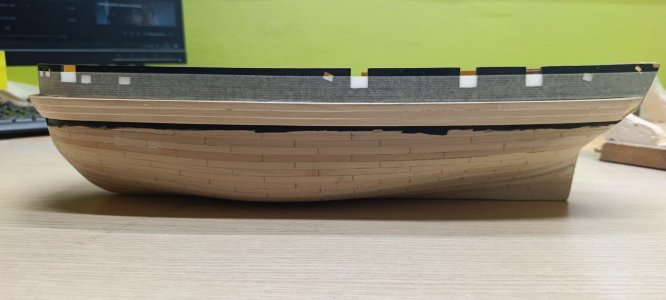
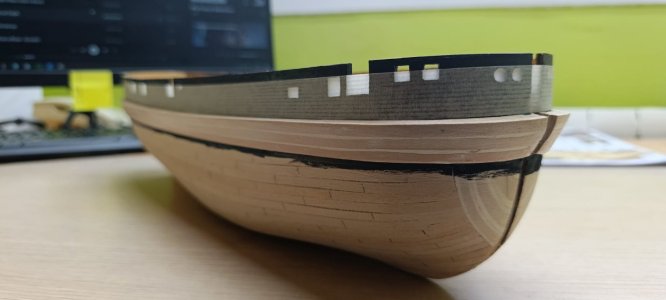
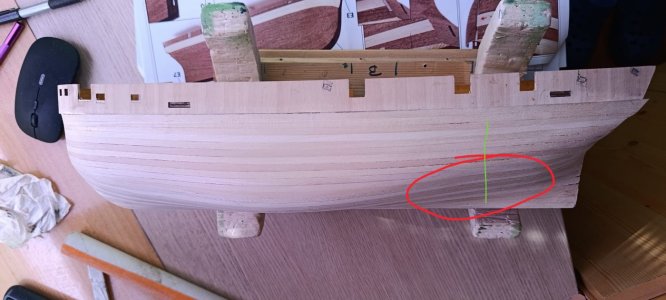
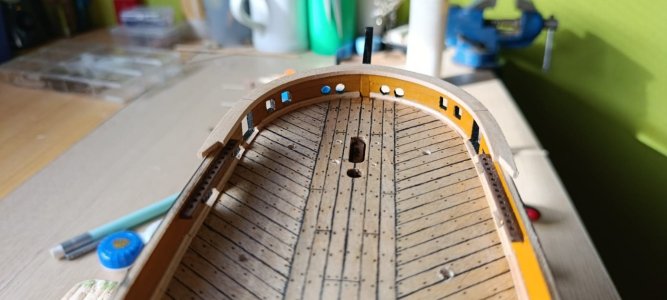
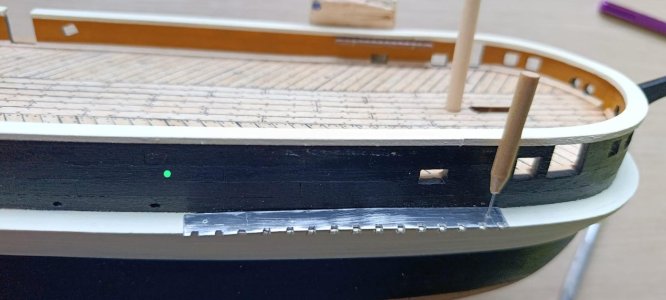
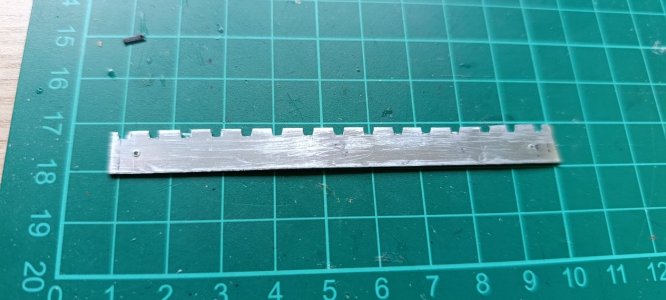
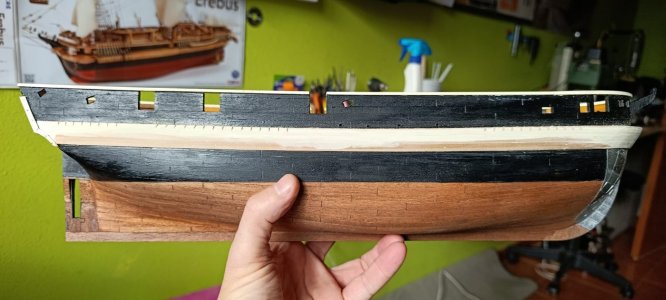
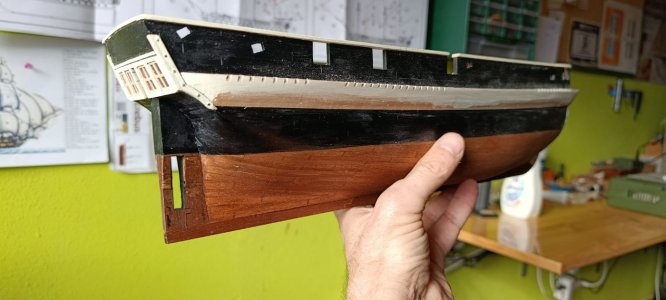
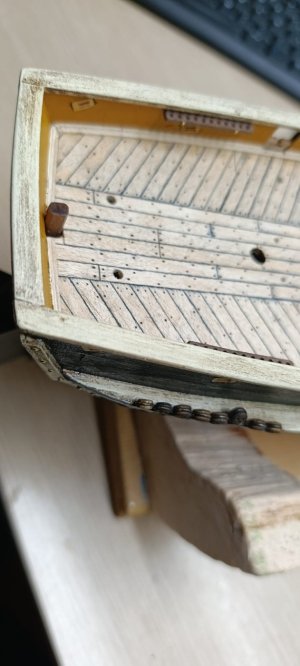
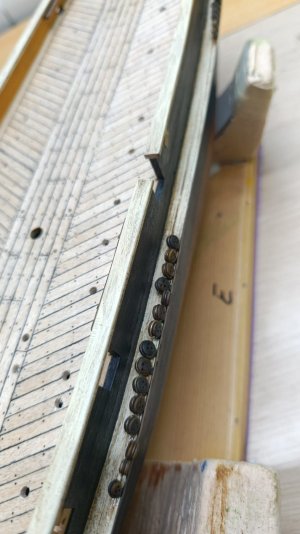
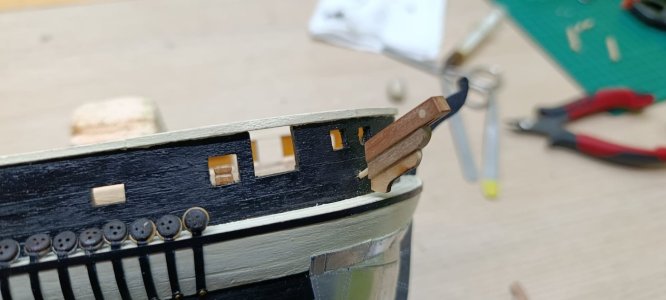
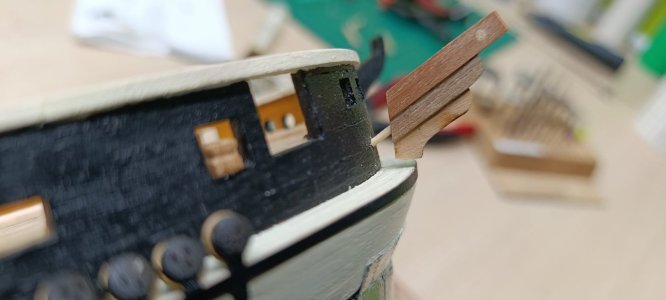
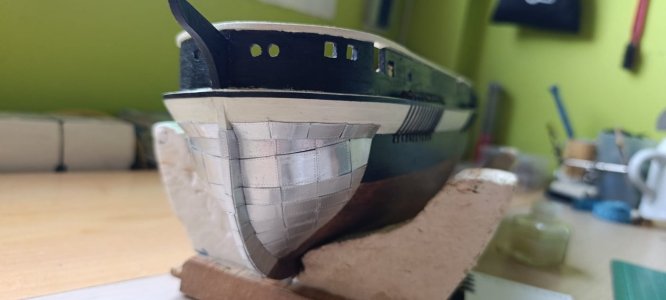
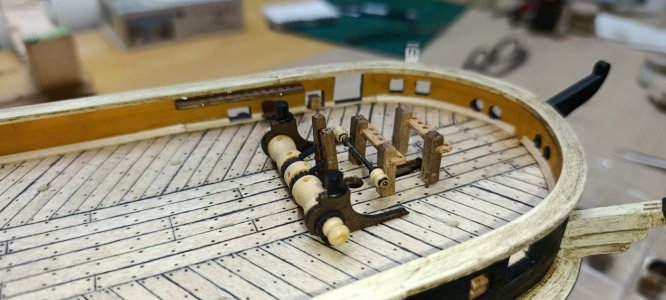
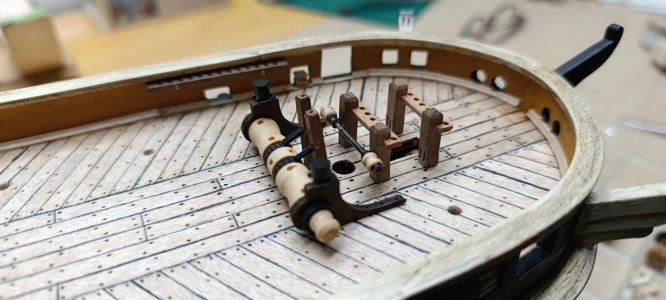
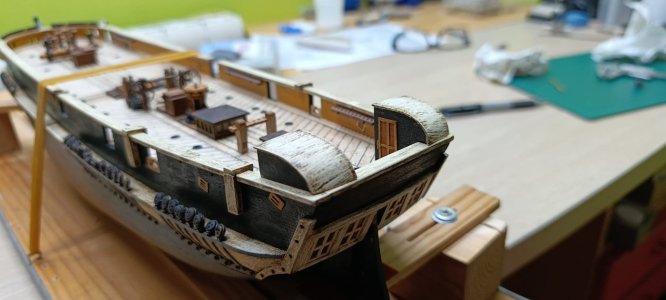
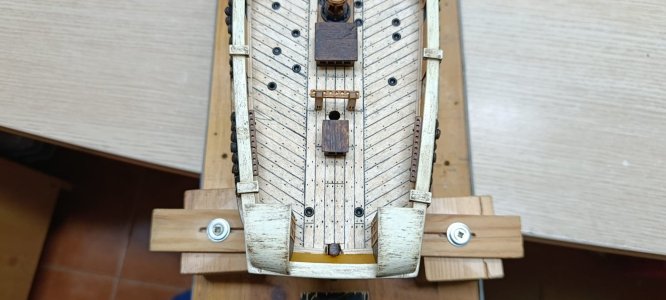
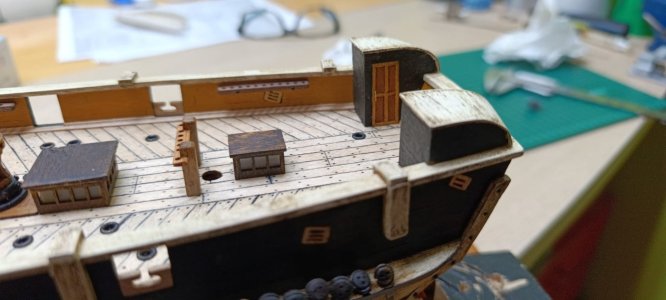
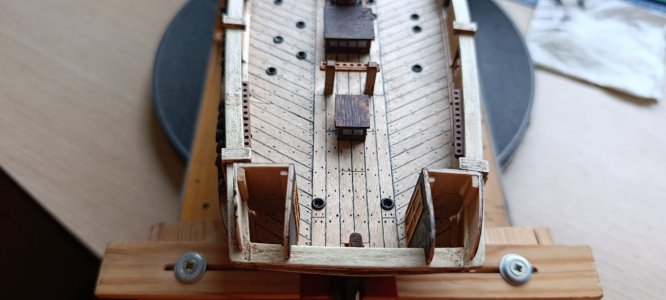
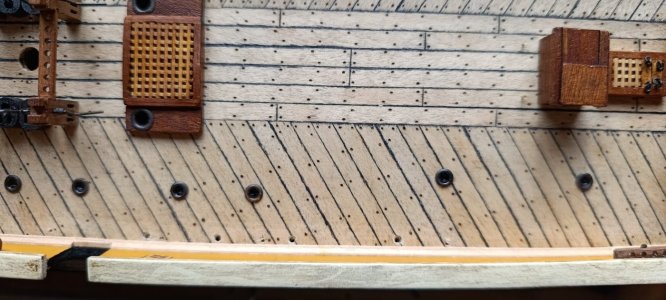
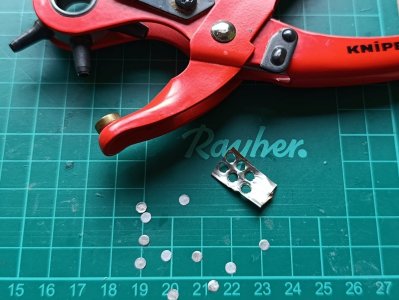
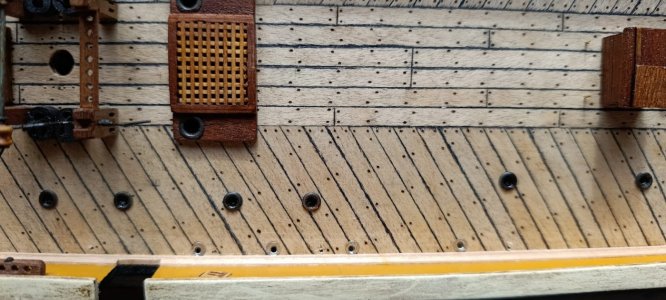
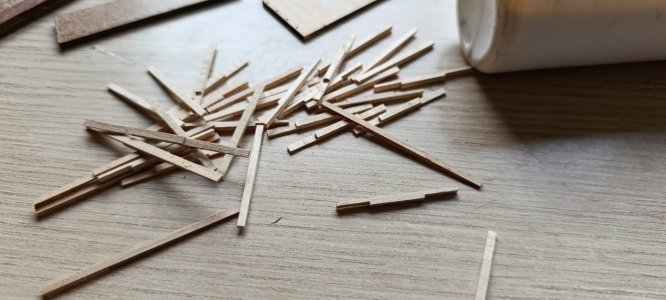
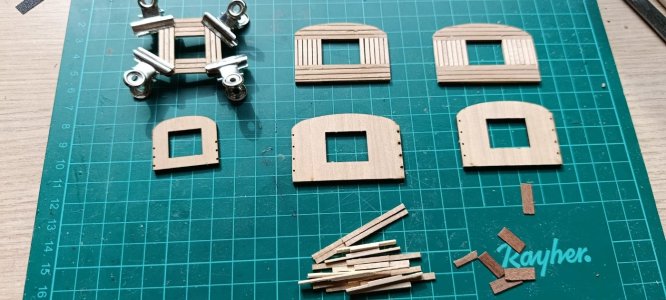
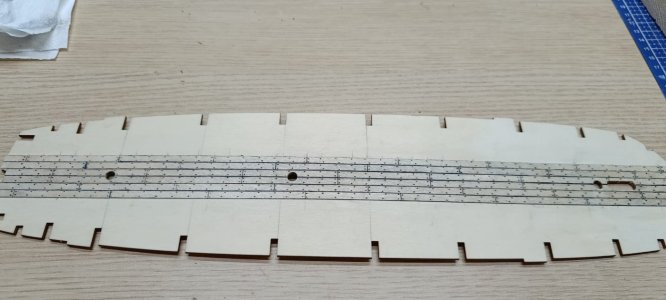
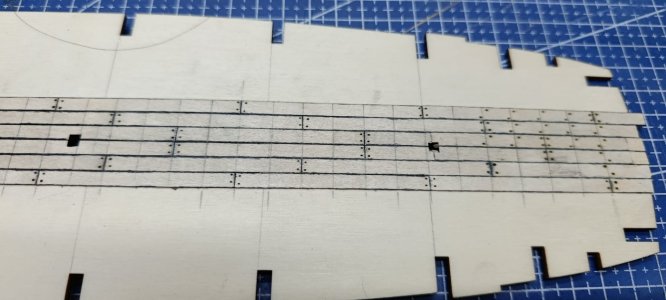
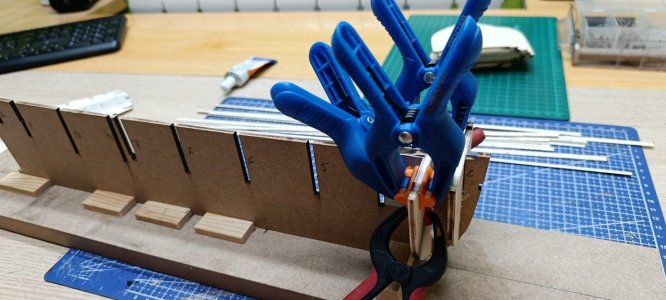
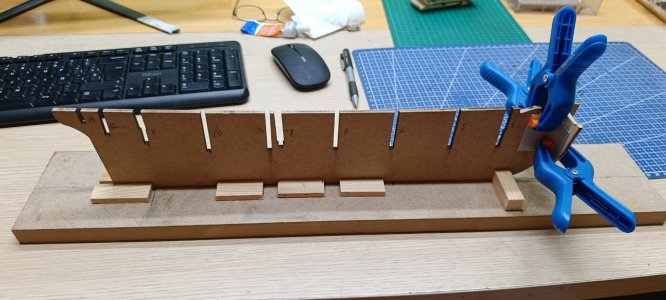
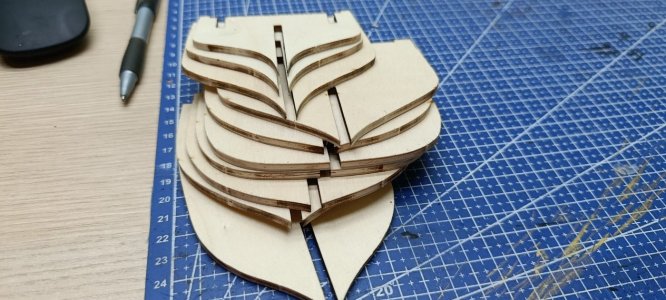
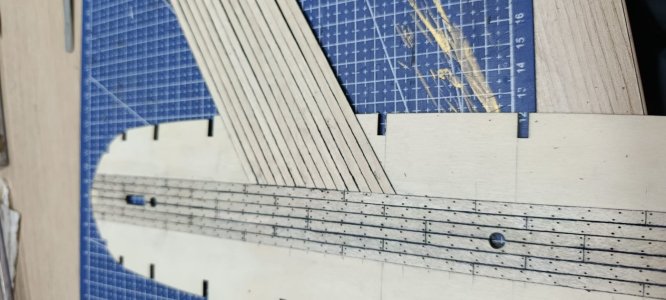
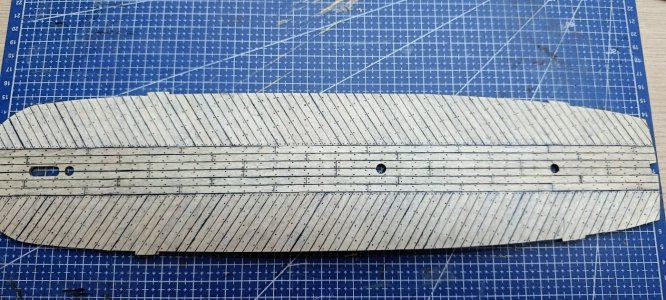
As always, I start by checking the box, the manual, and the plans. I prepare the base so we can work on it. On a piece of MDF, I've placed perfectly aligned wooden blocks so the frames fit inside and I can position them without the false keel warping. All the edges need to be sanded to remove the burn marks from the laser cut. Once that's done, I place the first frame, glue it in place from the inside using a mortise and tenon joint, and position it. I hold the freshly glued frame in place with two 90° aluminum angle brackets and clamps, and let it set. That will be the routine for all of them. While I'm putting on the six rows of deck planks, I make the divisions to adjust what would be the actual frames, cut them, and do the nailing. In reality, what you see are wooden plugs, as the nails are protected by them. I do it with a woodburning tool and a very fine tip. I hope you like it.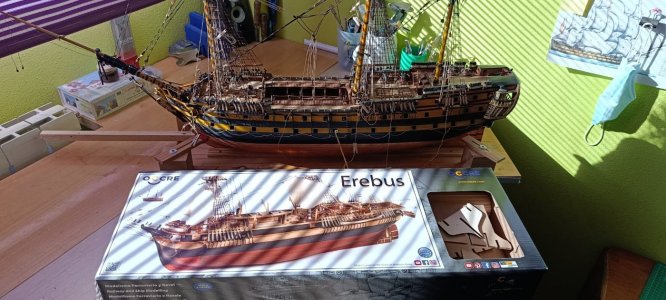
Besides, there aren't many threads in this ship's section, and that's tempted me. I'll also post it on Facebook, on Ocre's page.
The Erebus and Terror Expedition, also known as the Ross Expedition, was the most important British expedition to Antarctica in the 19th century. Led between 1839 and 1843 by James Clark Ross, the mission aimed at exploration and scientific research—particularly on magnetism—in an unexplored region that would later become the Ross Dependency.
This expedition is named after the expedition's ships, HMS Erebus and HMS Terror. These two ships had reinforced bows to withstand the twisting forces of the ice floes and were powered by steam engines. Around 1845, the Erebus and Terror attempted to find the Northwest Passage during John Franklin's expedition. The two ships departed London on May 19, 1845, bound for the Arctic. They set sail with 135 men, all of whom perished. Some died from lead poisoning, others from starvation due to spoiled food, and still others from pneumonia, dysentery, or botulism, which causes vomiting, fever, fatigue, and other symptoms, and was found in improperly prepared canned vegetables.
Numerous locations were discovered and named, such as McMurdo Sound, the Ross Ice Shelf, the Ross Sea, and Ross Island.
I'm sorry I have to use Google Translate, my English is very basic.
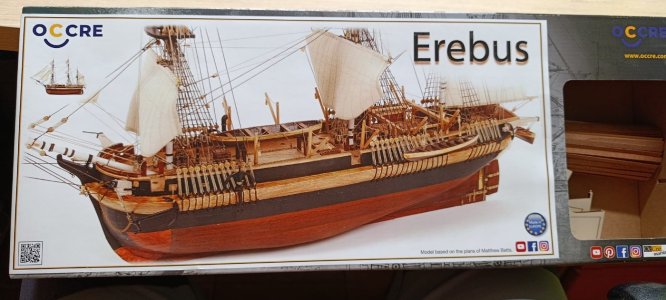
As always, I start by checking the box, the manual, and the plans. I prepare the base so we can work on it. On a piece of MDF, I've placed perfectly aligned wooden blocks so the frames fit inside and I can position them without the false keel warping. All the edges need to be sanded to remove the burn marks from the laser cut. Once that's done, I place the first frame, glue it in place from the inside using a mortise and tenon joint, and position it. I hold the freshly glued frame in place with two 90° aluminum angle brackets and clamps, and let it set. That will be the routine for all of them. While I'm putting on the six rows of deck planks, I make the divisions to adjust what would be the actual frames, cut them, and do the nailing. In reality, what you see are wooden plugs, as the nails are protected by them. I do it with a woodburning tool and a very fine tip. I hope you like it.
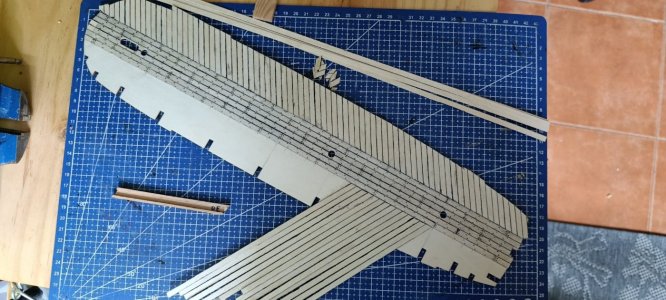
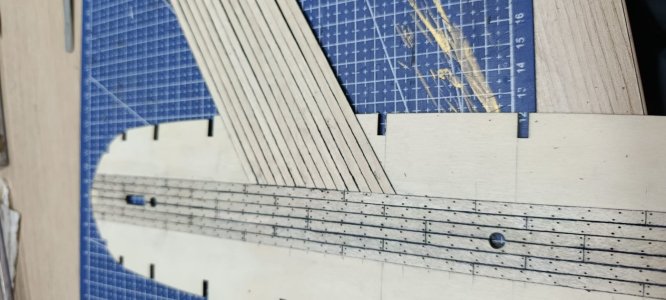
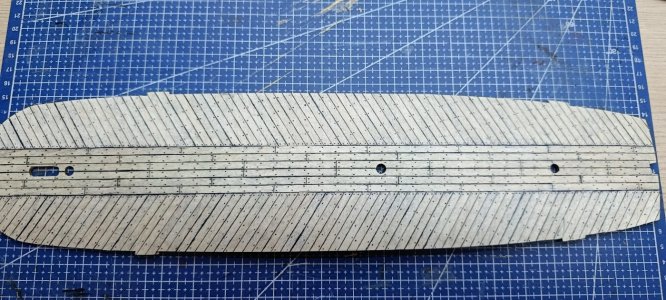
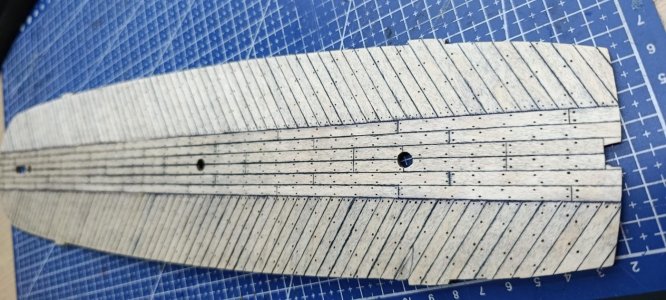
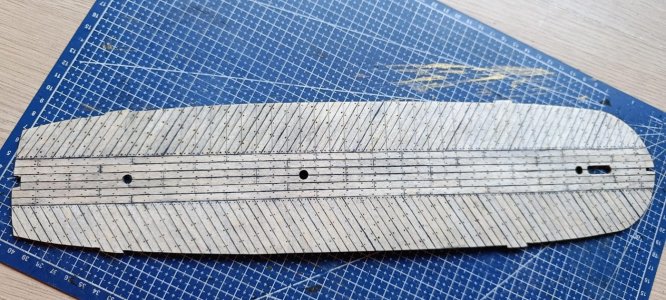
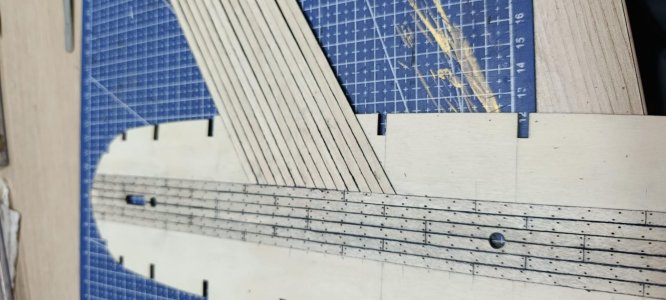
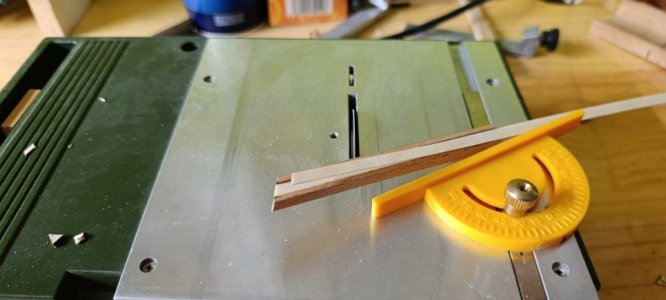
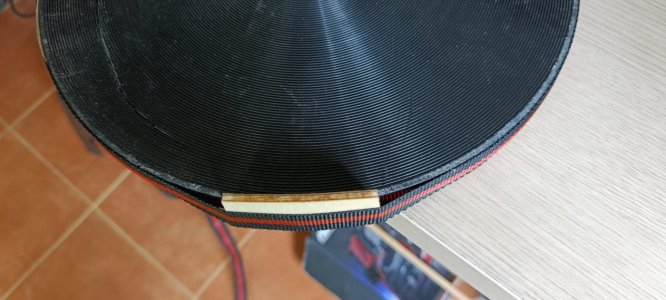
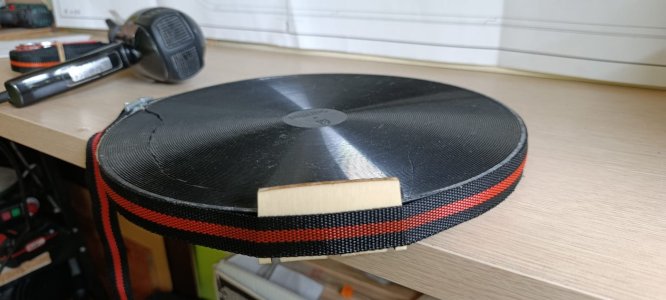
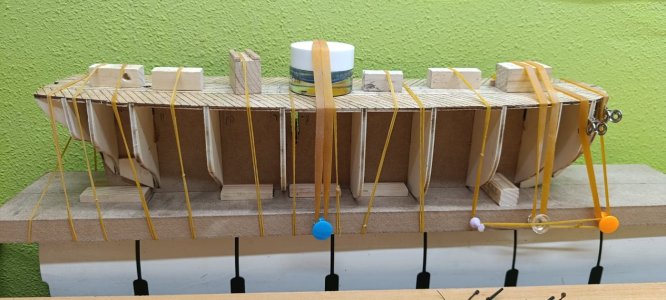
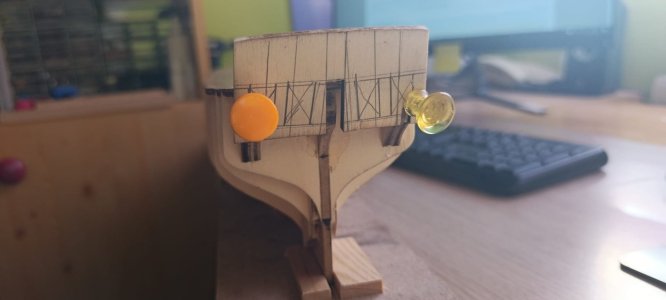
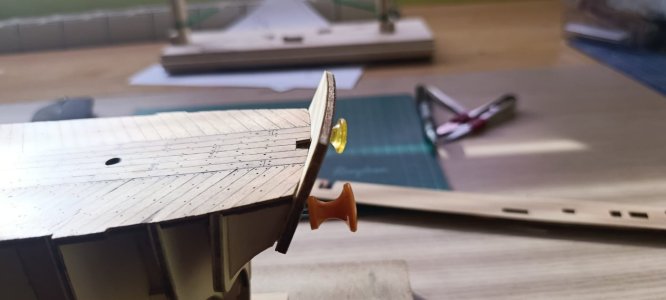
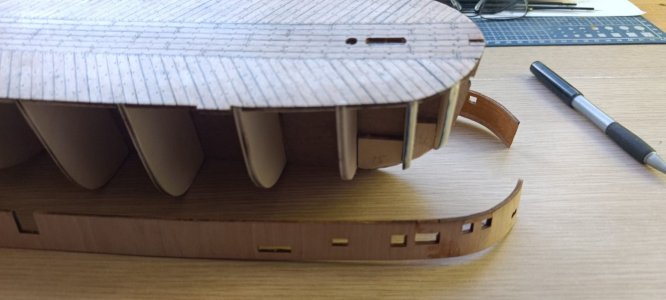
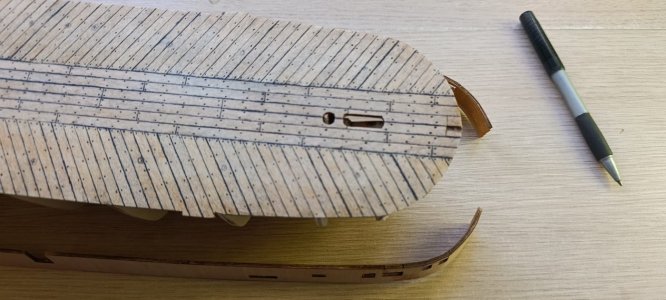
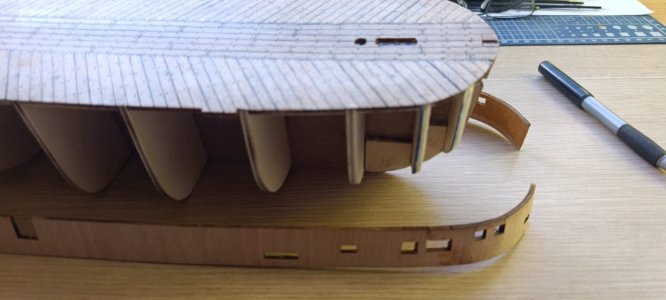
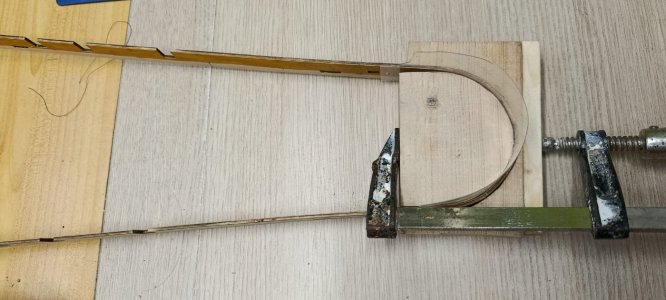
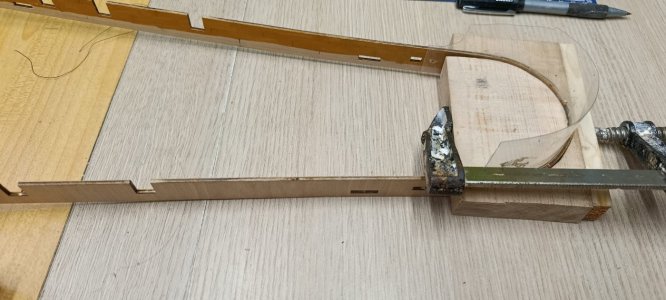
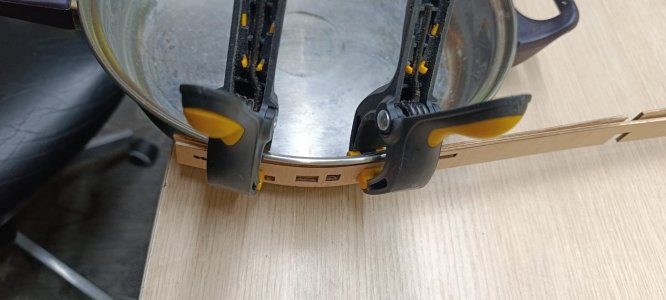
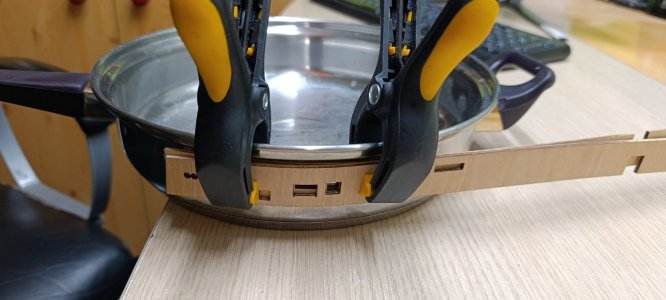
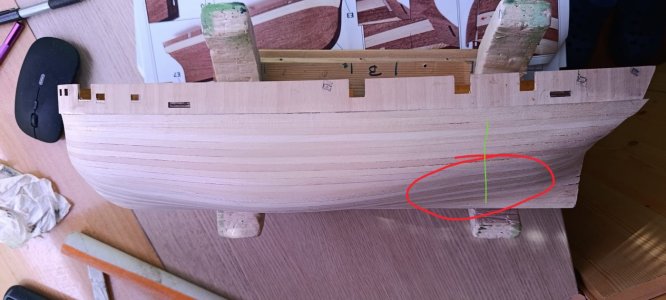
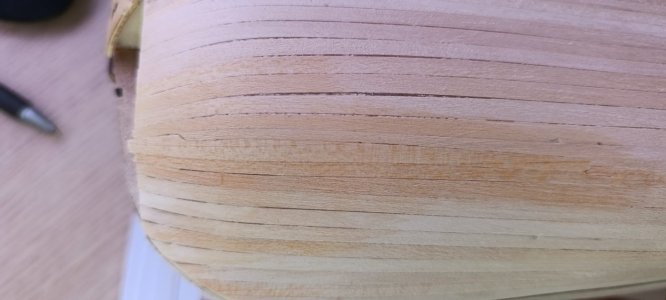
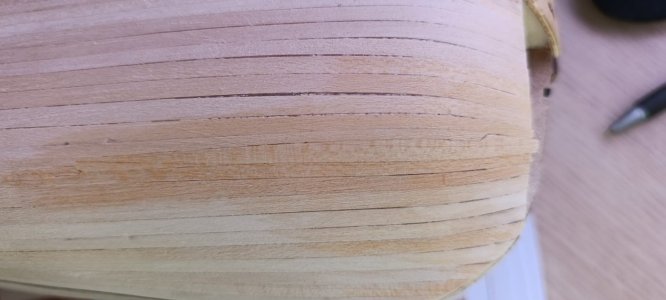
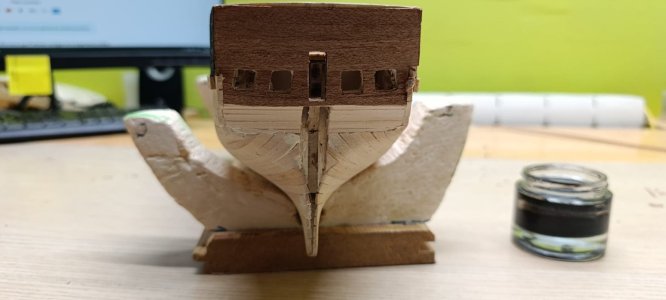
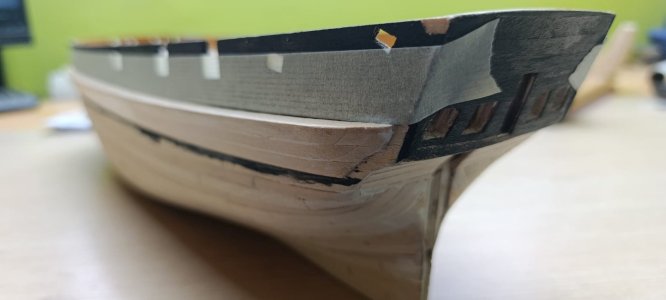
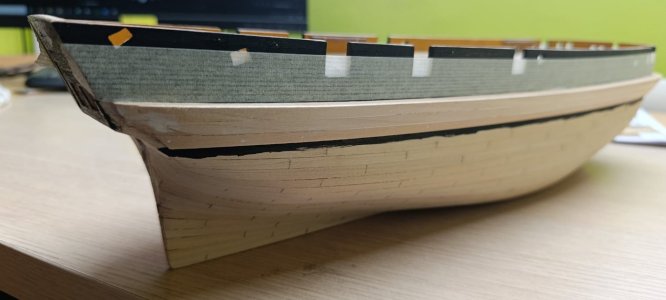
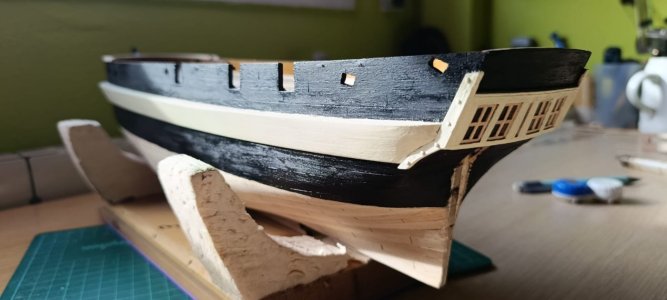
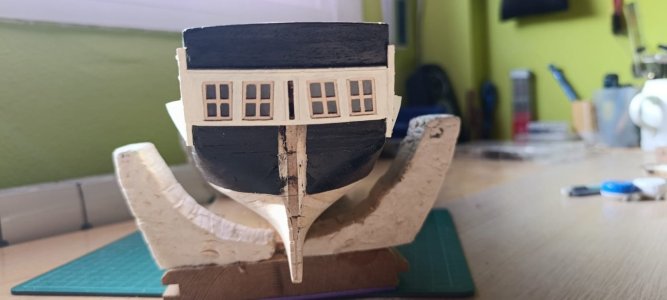
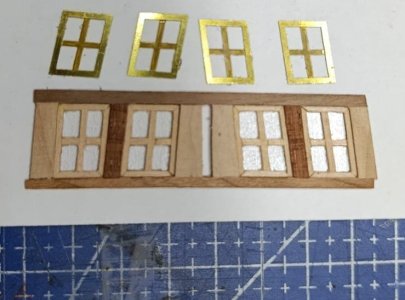
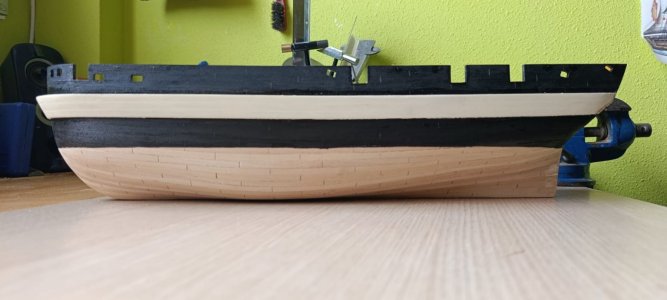
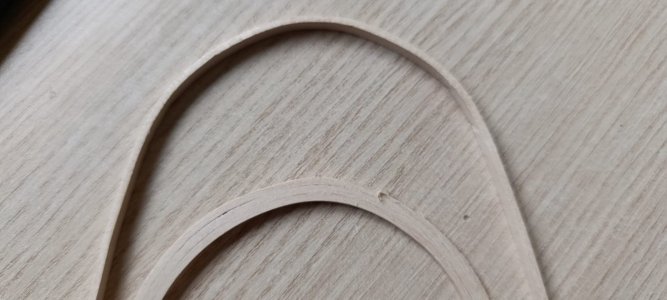
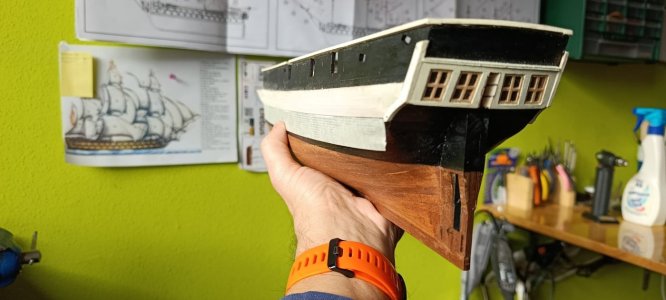
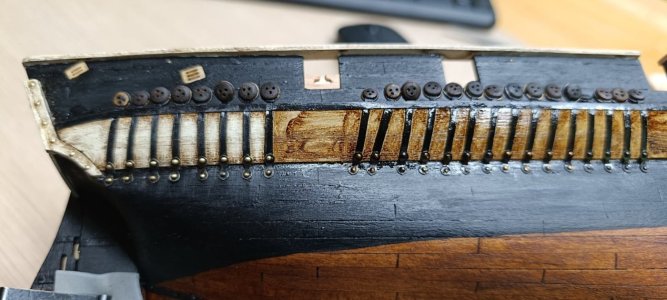
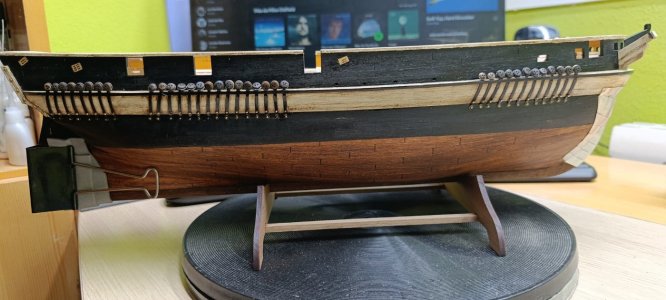
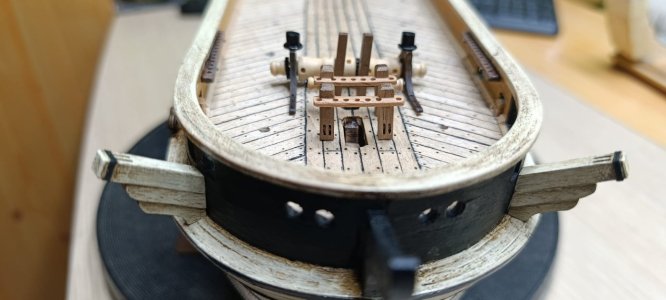
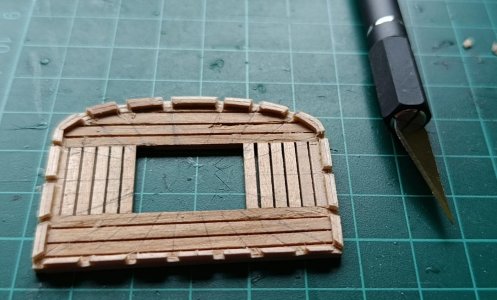
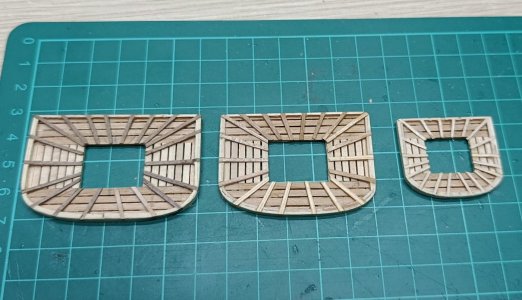
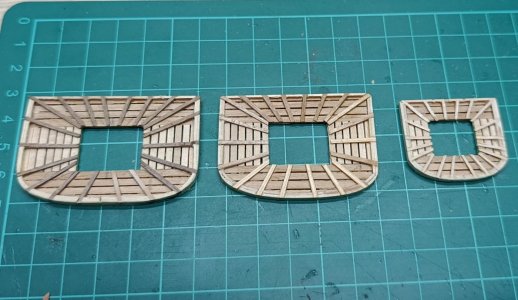
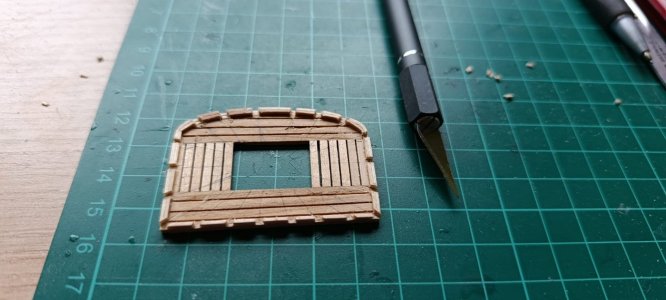
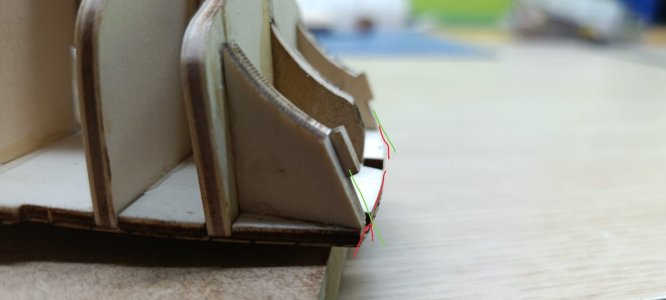
 , getting to the point, today I made a full-size copy of the deck to mark where the portholes, or skylights, or whatever they're called, will go. They're not symmetrical; I got the measurements from the actual maps, and I'll see when I get around to drilling them. I've been looking into reinforcing the mast pockets, and all four are the same diameter!!! :lol: :lol: :lol: which I highly doubt, unbelievable. I've already glued the deck in place; I've held it with rubber bands to force the sag, because it's not naturally swayed. I'm presenting the transom, and I see it doesn't fit. The hull needs to be lowered to accommodate the transom's angle. Furthermore, according to the actual plans and the shape of the deck, it curves at the stern, which needs to be forced. I'm looking for a large circumference so it doesn't break in the rudder area, where there's less material. The TV swivel works perfectly. I dampen it and gradually tighten it, applying heat at the same time, which helps maintain the curve. Cheers and shavings.