- Joined
- Jul 18, 2024
- Messages
- 528
- Points
- 353

I’m really interested in how you achieved such detail. Can you tell a little more about the process? You mentioned scanning? But that requires a model to scan.

 |
The beloved Ships in Scale Magazine is back and charting a new course for 2026! Discover new skills, new techniques, and new inspirations in every issue. NOTE THAT OUR NEXT ISSUE WILL BE July/August 2026 |
|
 |
As a way to introduce our brass coins to the community, we will raffle off a free coin during the month of August. Follow link ABOVE for instructions for entering. |
|

 ) it is a skill in itself. Just wonderful design and detail. Cheers Grant
Merci pour vos gentilles paroles.Hello,
You're doing a great job on your VICTORY.
I've just sent you a private message.
See you soon.
I'm really glad I could motivate you to take on this challenging task))) Hahaha.Good afternoon Sergey. I have played with blender and some 3D printing. As much as some of us think it is easy ( better than carving tho
Thanks. Scanning was required only for the last two photos; I created everything else—up to the ship's wheel—myself. I described the process in detail in a previous review, so you can look that up if you want the specifics. In short, though, I used specialized 3D software to model every part from scratch based on blueprints. There is a link in my signature to a thread about my 3D modeling work, where I show exactly how I do it for all my models. For the current *Alert* project, I’m even coating the plastic parts in copper and applying a blackening finish; the result is a completely metallic-looking part—without any paint—that has a distinctive sheen. It’s a huge topic that’s hard to cover in a single post, but you’ll find everything you need at the link in my signature.I’m really interested in how you achieved such detail. Can you tell a little more about the process? You mentioned scanning? But that requires a model to scan.
Understood. I’m working with Autodesk Fusion and see that that, magnificent as it is for straightforward design, it’s lacking in the way Blender can achieve detail.Merci pour vos gentilles paroles.
I'm really glad I could motivate you to take on this challenging task))) Hahaha.
Thanks!
Thanks. The scanning part applies only to the third and fourth photos from the end; I created everything else—up to the ship's wheel—myself. I described the process in detail in a previous review, so you can look that up if you want the specifics. In short, though, I used specialized 3D software to model every part from scratch based on blueprints. There is a link in my signature to a thread about my 3D modeling work, where I show exactly how I do it for all my models. For the current *Alert* project, I’m even coating the plastic parts in copper and applying a blackening finish; the result is a completely metallic-looking part—without any paint—that has a distinctive sheen. It’s a huge topic that’s hard to cover in a single post, but you’ll find everything you need at the link in my signature.
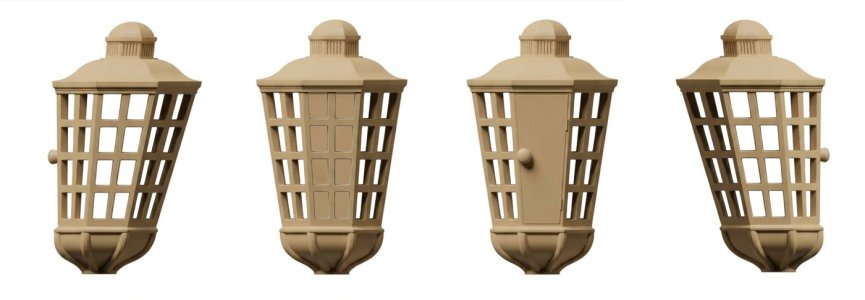
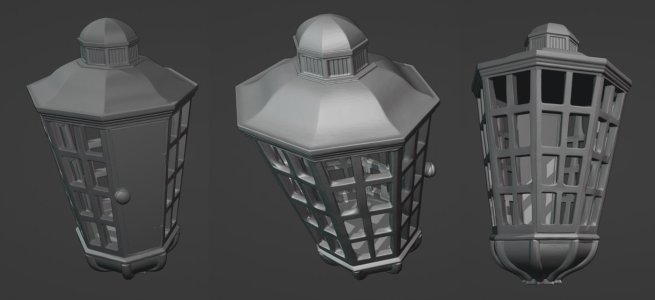
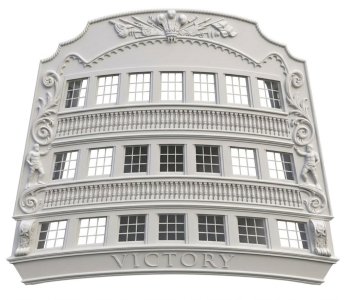
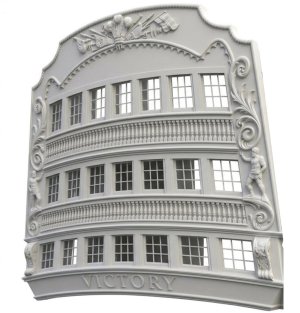
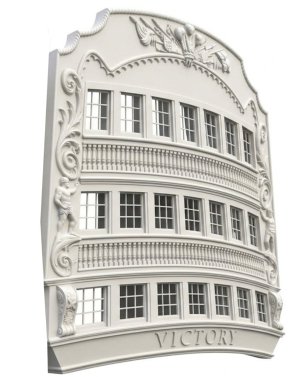
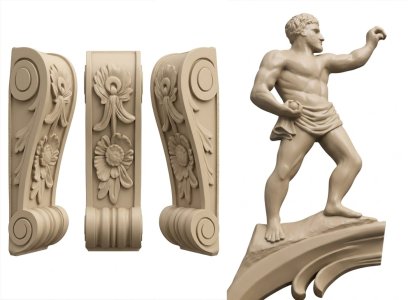
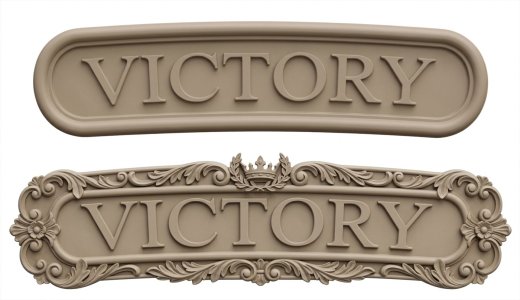
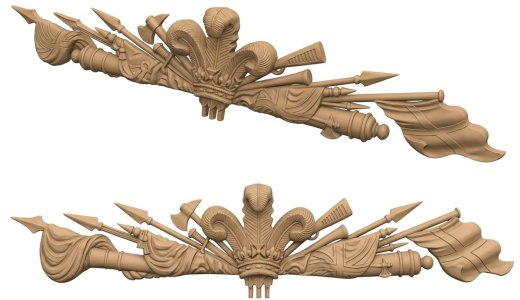
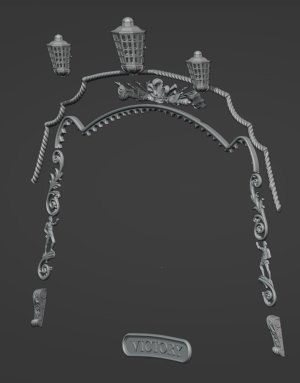
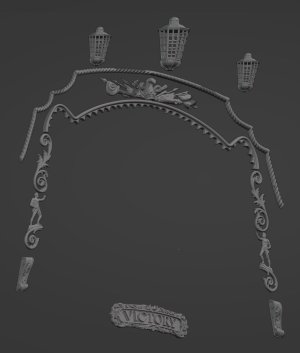
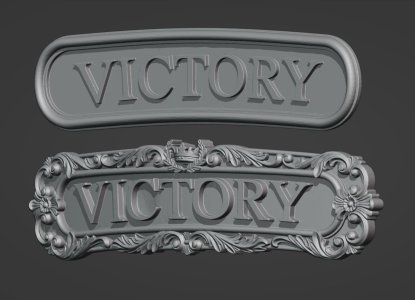
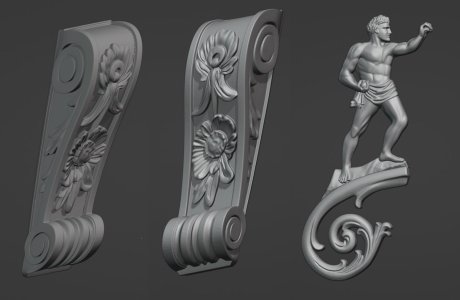
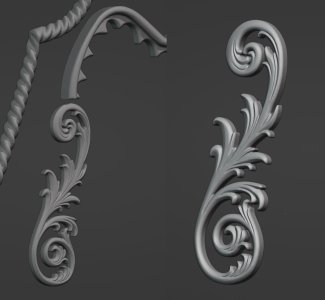
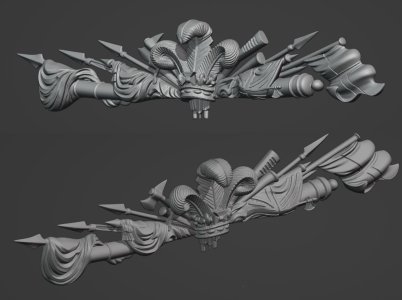
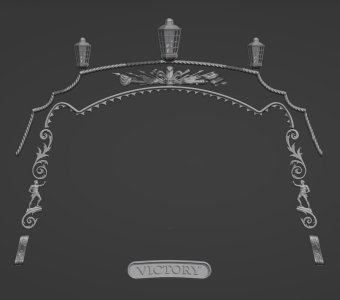
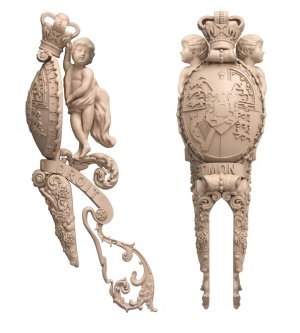
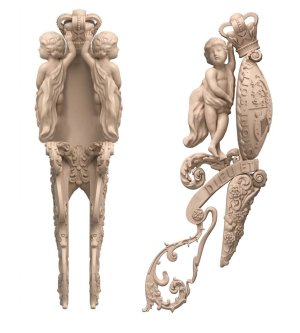
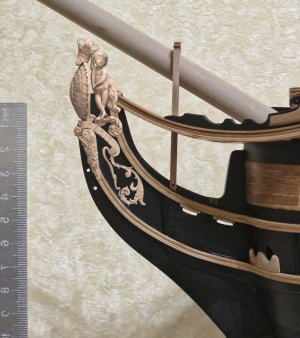
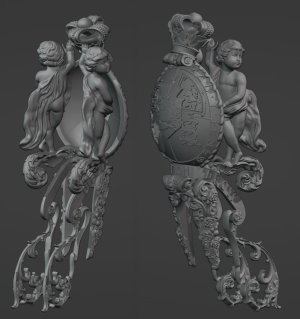
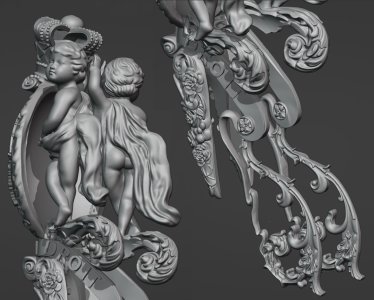


Could you say a little about your workflow in Gemini? What do your prompts look like?I used the Gemini AI to generate 2D images
To create a 3D object, I need several 2D views. The more complex the object, the more views are required—ideally four.Could you say a little about your workflow in Gemini? What do your prompts look like?
I agree 100%.I am impressed.
Digitization and 3D printing offer wonderful possibilities.
This represents an undeniable evolution in modeling, both now and for the future.