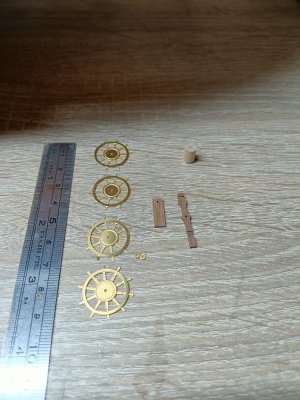
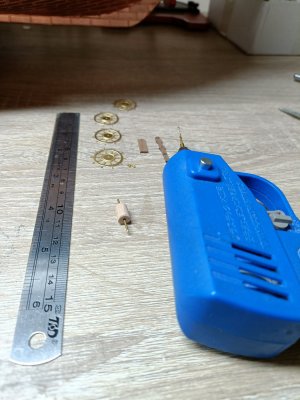
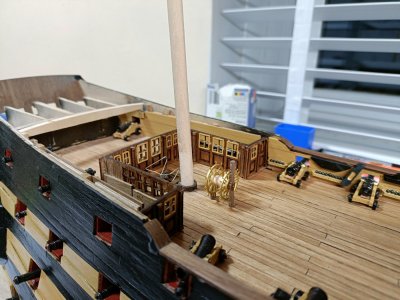
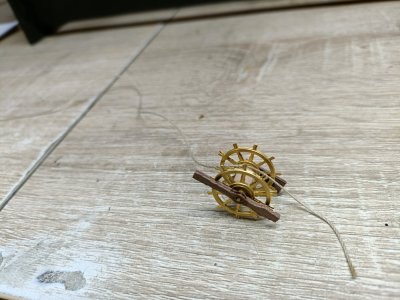
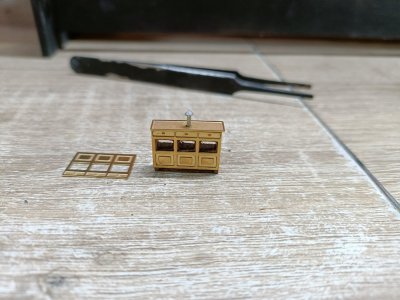
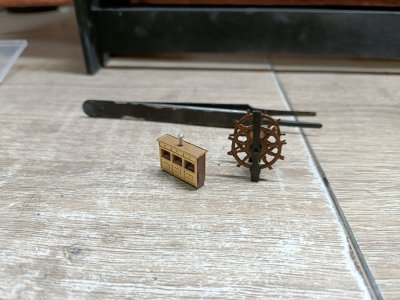
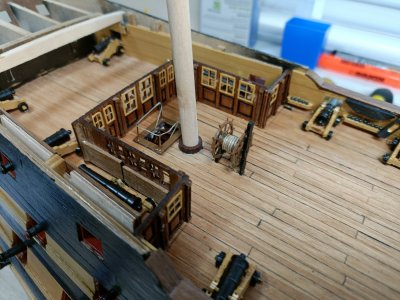
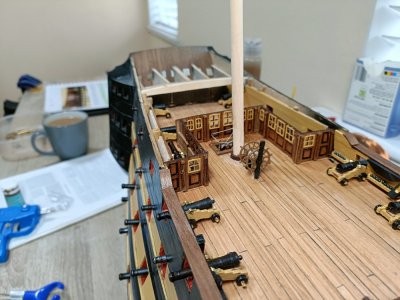
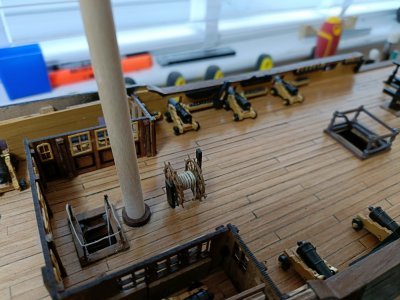
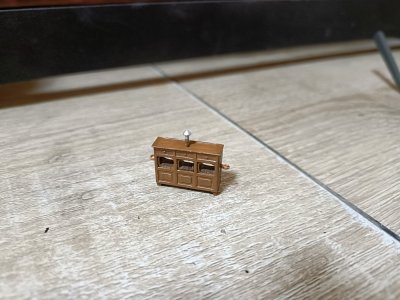
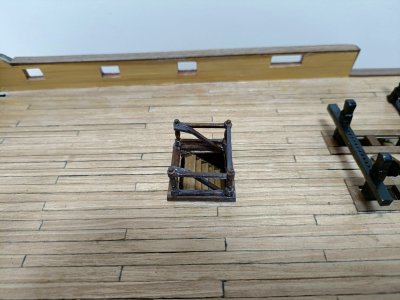
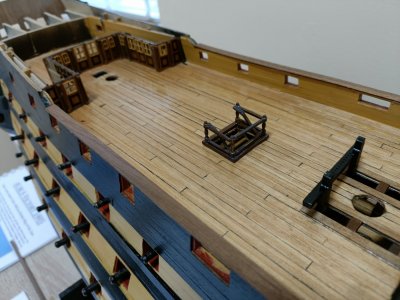
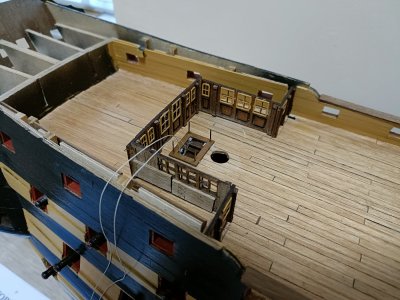
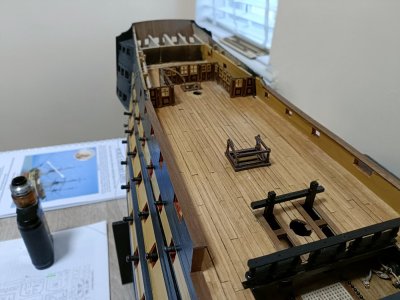
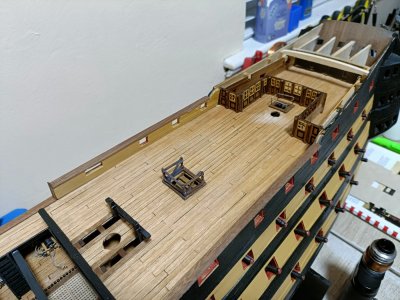
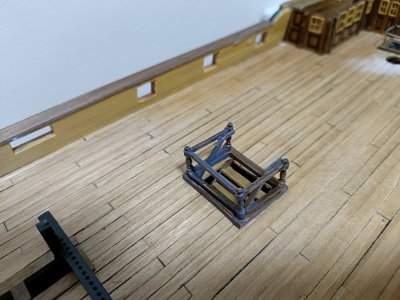
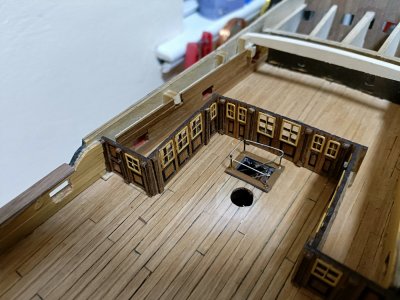
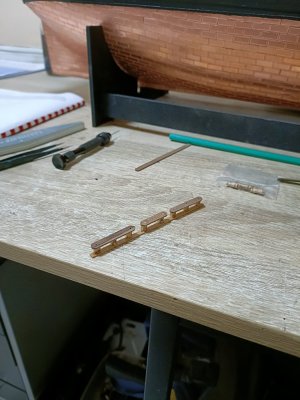
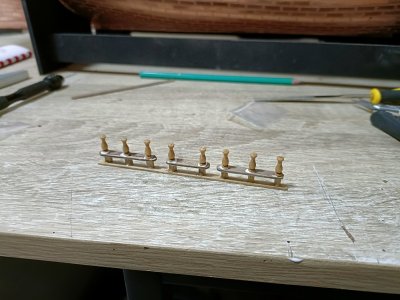
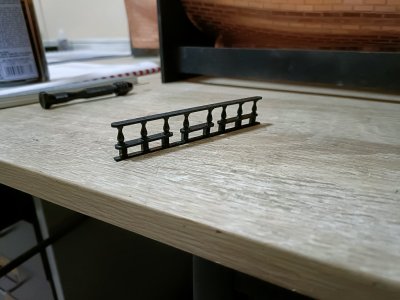
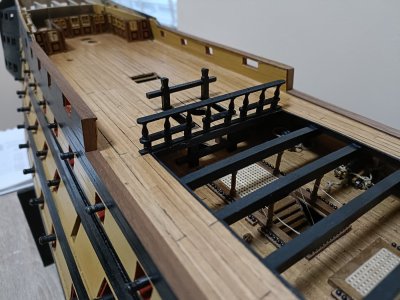
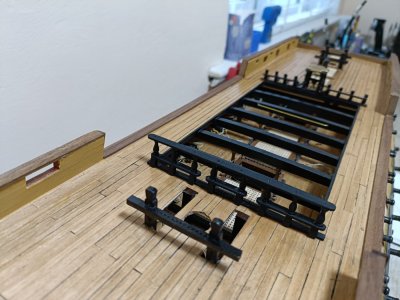
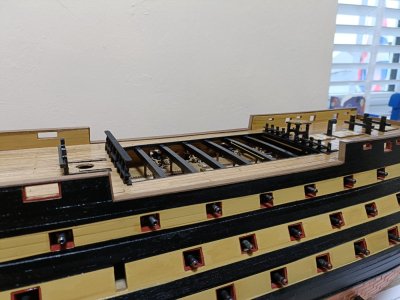
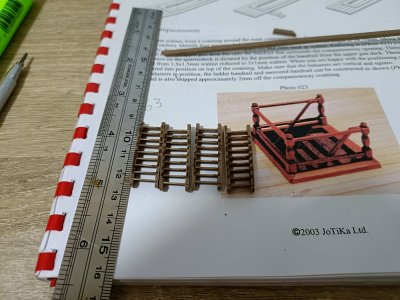
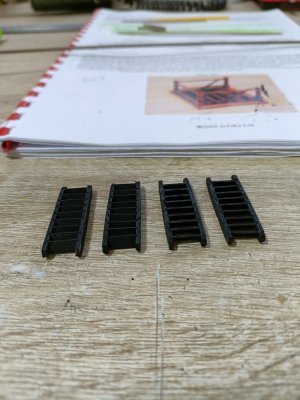
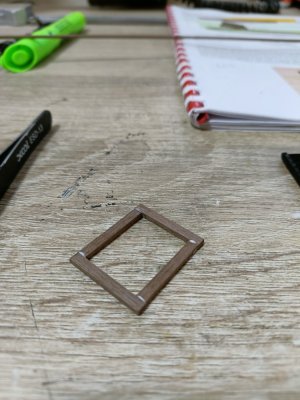
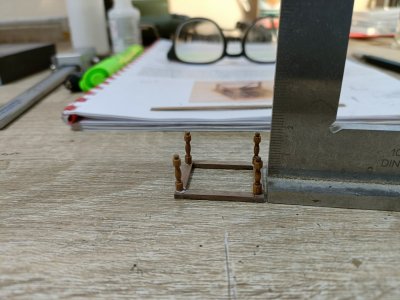
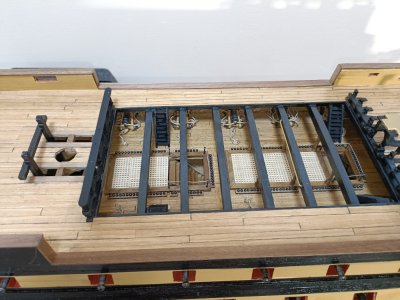
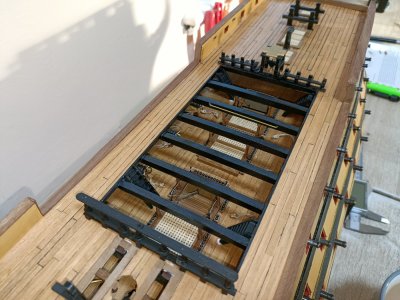
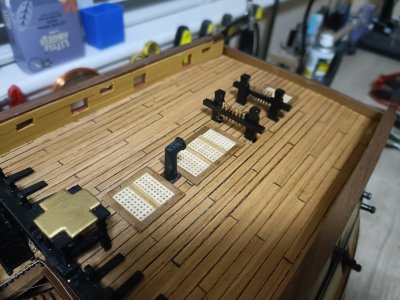
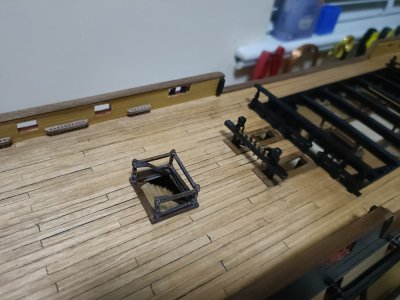
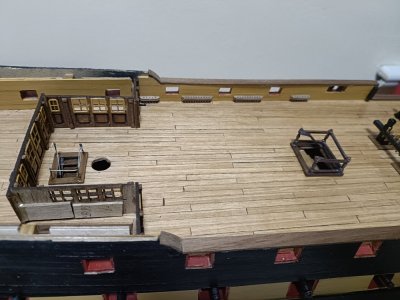
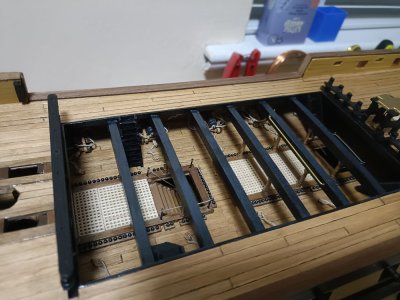
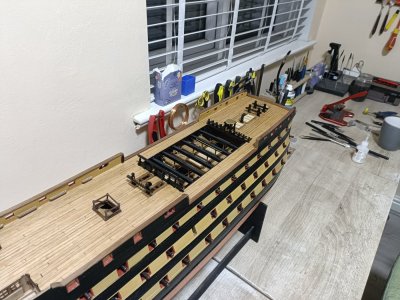
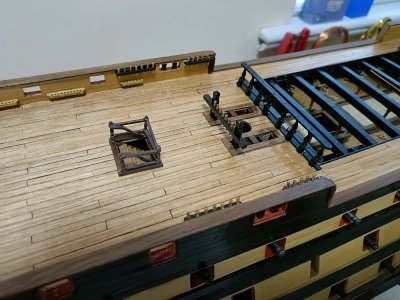
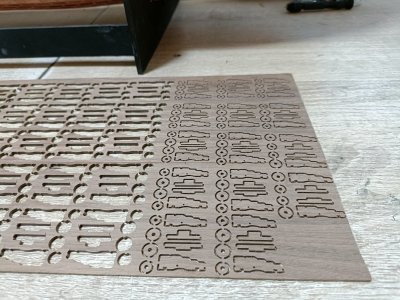
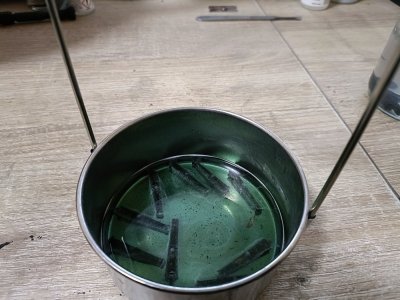
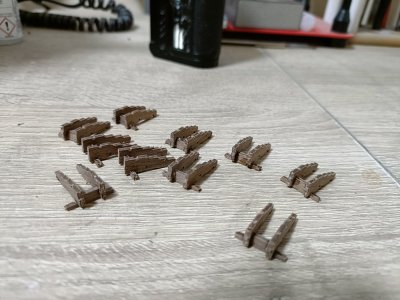
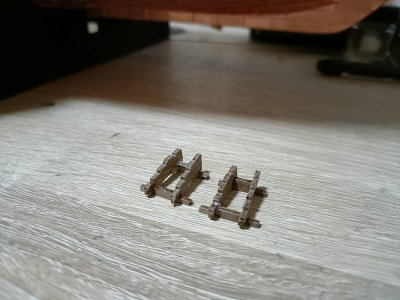
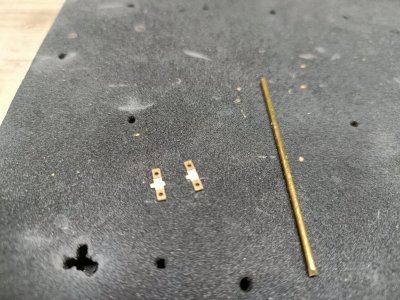
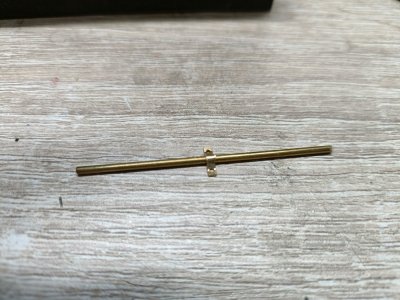
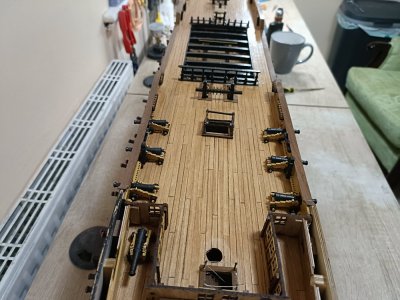
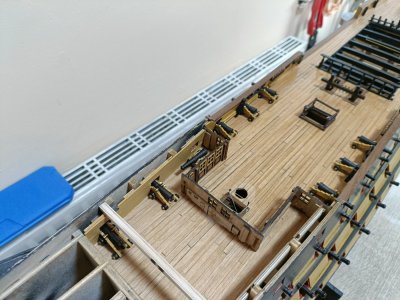
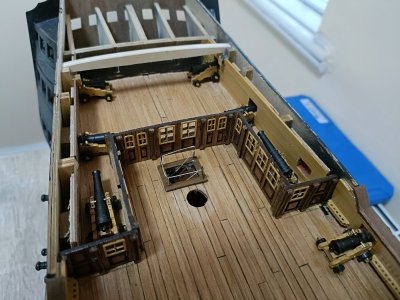
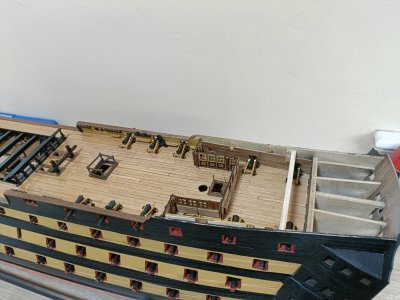
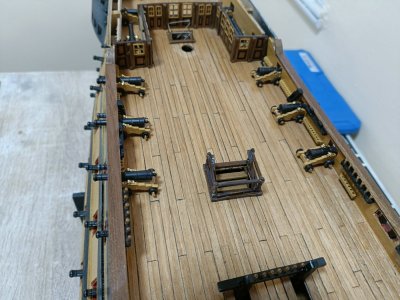
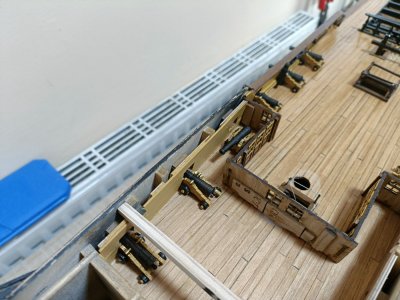
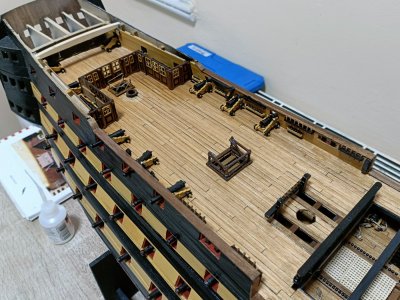
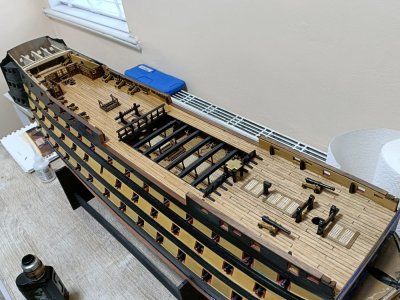
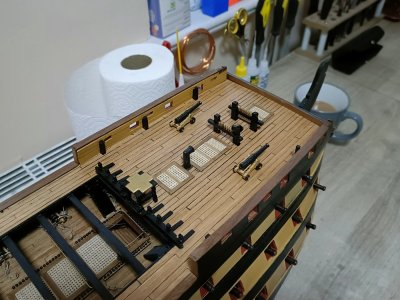
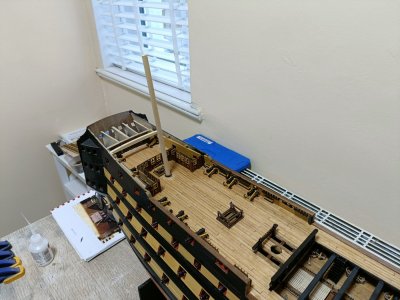
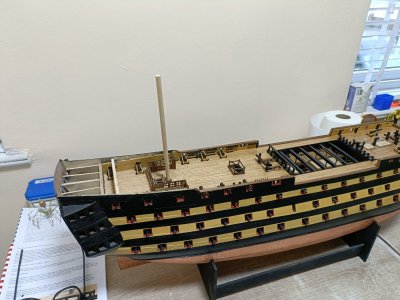
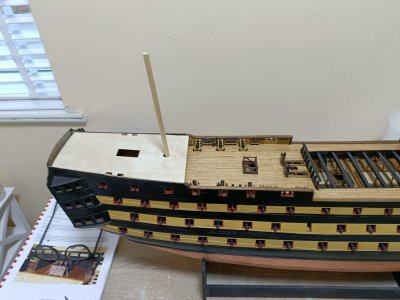
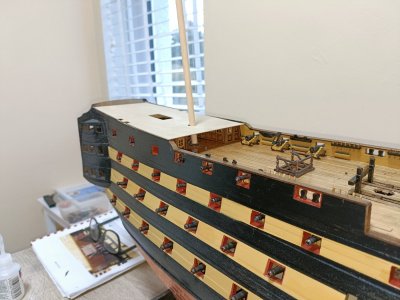
Had an hour or two this morning left the hammock bridges off as there P.E and don't want to damage them 

 |
The beloved Ships in Scale Magazine is back and charting a new course for 2026! Discover new skills, new techniques, and new inspirations in every issue. NOTE THAT OUR NEXT ISSUE WILL BE July/August 2026 |
|
 |
As a way to introduce our brass coins to the community, we will raffle off a free coin during the month of August. Follow link ABOVE for instructions for entering. |
|
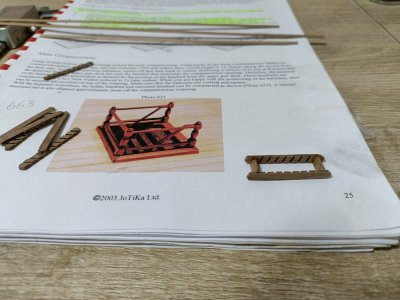
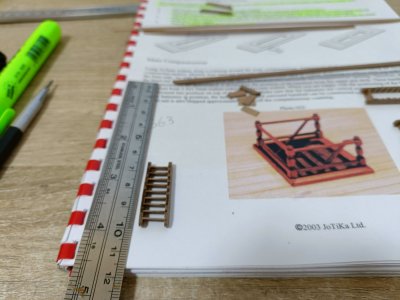



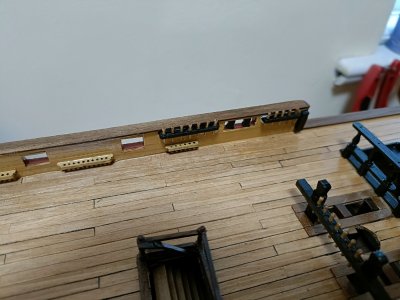
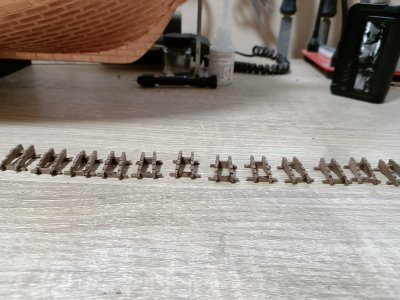
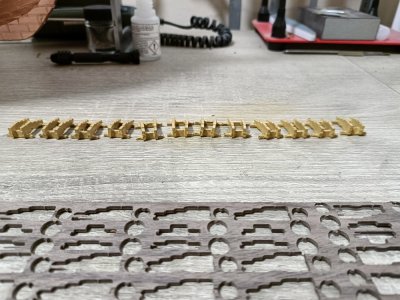
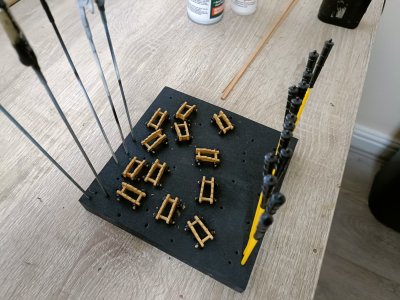
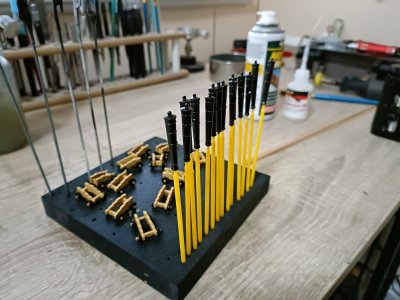
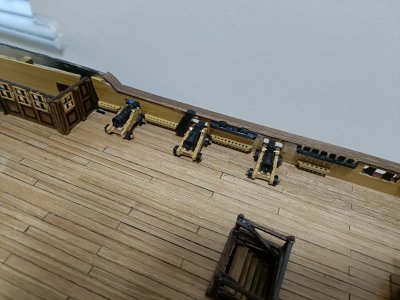

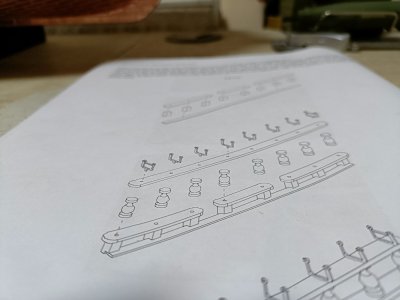
TomorrowI noticed you didn’t put your balls on the racks yet. Haha Is there a reason for that.?
thanks for reminding me !!Hey Bri. I noticed you didn’t put your balls on the racks yet. Haha Is there a reason for that.?
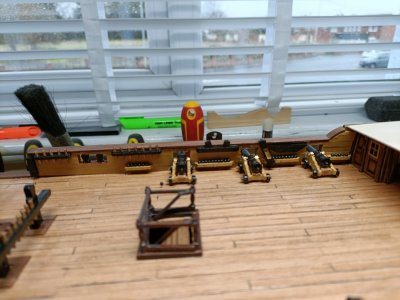
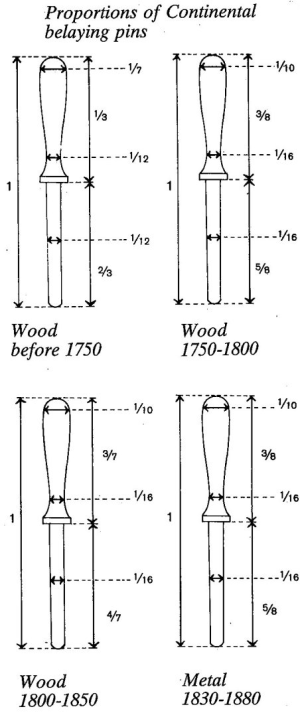
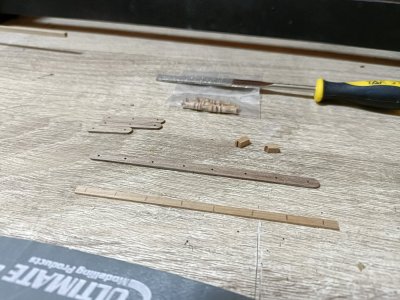
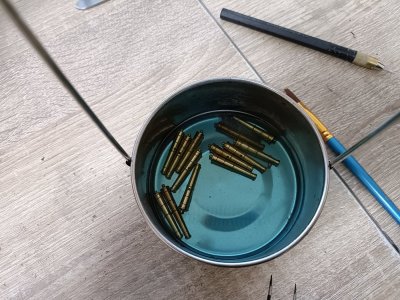
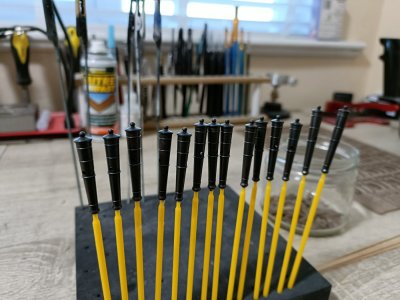
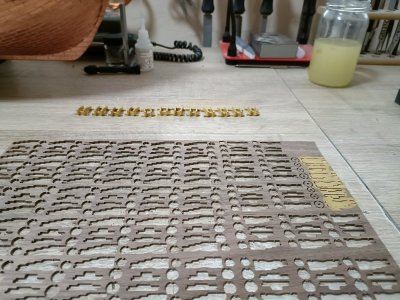
0.058"What is the diameter of the handle of the belaying pins? Thank you.
Allan
Thanks for the reply. Hopefully the following will be of interest and useful.0.058"