- Joined
- Oct 3, 2026
- Messages
- 5
- Points
- 0

I am curious, how do yall make the wreaths on 1600s early 1700s ships in blender or something, Im stuck, half the reason I joined this forum tbh XD

 |
The beloved Ships in Scale Magazine is back and charting a new course for 2026! Discover new skills, new techniques, and new inspirations in every issue. NOTE THAT OUR NEXT ISSUE WILL BE July/August 2026 |
|
 |
As a way to introduce our brass coins to the community, we will raffle off a free coin during the month of August. Follow link ABOVE for instructions for entering. |
|


He's talking about making a 3-D computer model in the software Blender 3-D.What do you mean by: "in blender or something"?
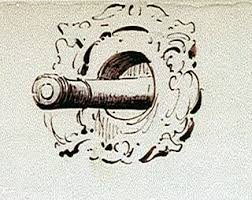
I assume you wish to print wreath decorations on a 3-D resin printer. Blender is extremely complicated to start learning how to use, but gets better with practice. You need to teach yourself the basic modelling tools in Blender. One method is starting with making a torus (donut) shape and sculpting and trimming from there. What have you tried so far, and do you have a picture of the wreath you are wanting to model which you can post here? Here is an example from the early 17th century:I am curious, how do yall make the wreaths on 1600s early 1700s ships in blender or something, Im stuck, half the reason I joined this forum tbh XD
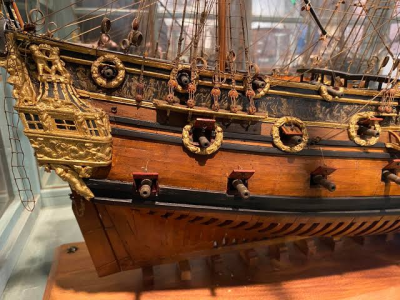
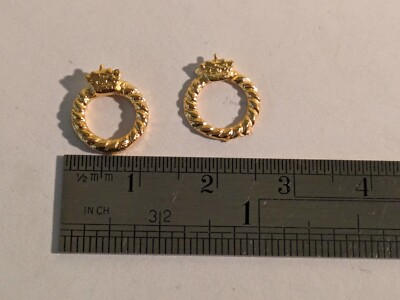
I figured that he was writing about going into a 3D modeler. I was just not sure what use there would be involving a virtual wreath with a scratch wooden model.He's talking about making a 3-D computer model in the software Blender 3-D.
While 3-D printing may not be your cup of tea, being a talented wood carver, many of us are not talented at carving wood, so we turn to alternative methods. This does not diminish the talent of wood carving as it applies to ship modeling, but it allows those with different talents to enter the realm of ship modeling and still be able to create works of beauty.I figured that he was writing about going into a 3D modeler. I was just not sure what use there would be involving a virtual wreath with a scratch wooden model.
I block any thoughts of 3D printing so I did not consider that part. I only have any experience with vertex modeling. A vertex model - back when I ... - would be a simple torus with mapping that supported a complex texture of the wreath carving. Not much help for wood.
From my perspective it is unfortunate, but the 3D printing virus seems to have become fully endemic.
For what the wreath looks like, it would probably help to be familiar with what was carved:
Carving the Acanthus Leaf
by Mary May
Acanthus Carving and Design by Bob Yorburg
Complete Guide to Architectural Carving: 7 Skill Building Exercises to Master the Techniques
By Kurt Koch
Guide for Drawing the Acanthus, and Every Description of Ornamental Foliage
By James Page and I. Page

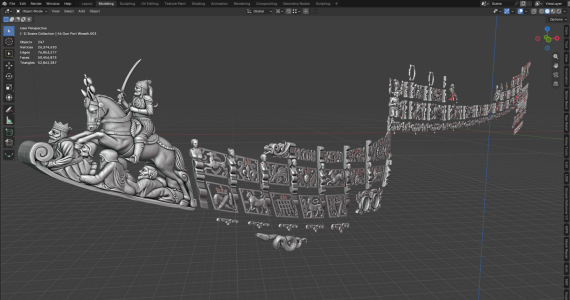

Thank you very much for starting my day with a laugh! Funny retort!If 3-D printing is a disease as you describe, then my acute exposure to the work below should have killed me 100 times over.
ah, I dont like 3d printing personally, I just like making 3d models- Id love to try learn wooden crafting for theseI figured that he was writing about going into a 3D modeler. I was just not sure what use there would be involving a virtual wreath with a scratch wooden model.
I block any thoughts of 3D printing so I did not consider that part. I only have any experience with vertex modeling. A vertex model - back when I ... - would be a simple torus with mapping that supported a complex texture of the wreath carving. Not much help for wood.
From my perspective it is unfortunate, but the 3D printing virus seems to have become fully endemic.
For what the wreath looks like, it would probably help to be familiar with what was carved:
Carving the Acanthus Leaf
by Mary May
Acanthus Carving and Design by Bob Yorburg
Complete Guide to Architectural Carving: 7 Skill Building Exercises to Master the Techniques
By Kurt Koch
Guide for Drawing the Acanthus, and Every Description of Ornamental Foliage
By James Page and I. Page
u want to wind up making wreaths for a model. I stink at 3D drawing so made a wreath using modeling clay. Once it was made and baked I mixed a small batch of silicone molding material and stuck the clay piece in the uncured silicone. Once the silicone cured I pulled out the clay master and then mixed some resin and catalyst and poured it into the silicone mold. Once the poured resin wreath was hard I just picked it out of the silicone mold and repeated the resin casting until I had the right number of wreaths. Last step was to paint them with a gold tube
I really need to up my game, this is amazing- how did you make such fine details, or more realistically, how long??While 3-D printing may not be your cup of tea, being a talented wood carver, many of us are not talented at carving wood, so we turn to alternative methods. This does not diminish the talent of wood carving as it applies to ship modeling, but it allows those with different talents to enter the realm of ship modeling and still be able to create works of beauty.
If 3-D printing is a disease as you describe, then my acute exposure to the work below should have killed me 100 times over.
View attachment 641883
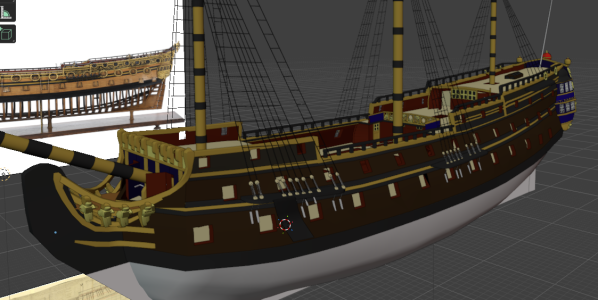
I understand. You prefer the traditional methods for model making. Those methods require specific and practiced talent at carving. Many of us can only wish we were capable of making models using those methods. This forum not only provides a place to learn them, but also their alternatives.ah, I dont like 3d printing personally, I just like making 3d models- Id love to try learn wooden crafting for these
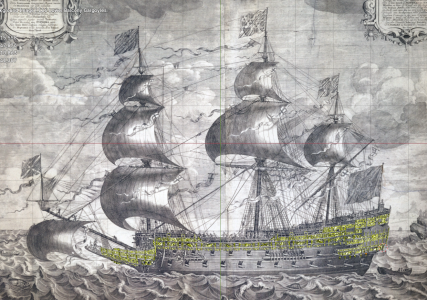
Creating decorations using Blender 3-D started in June 2024, over two years ago. We all wish we could carve extravagant parts for our models from wood. I have prior experience as a self-taught 3-D computer modeler, so learning Blender software began with years of a head start using other programs like Lightwave 3-D. I cannot carve, and carving mistakes are permanent and so wasteful of time and material that a method for making decorations which allows for corrections was required. a 3-D computer model can be edited and corrected in minutes or a few hours. Re-carving a new piece of wood takes days, and there's no guarantee another mistake won't require you to start over again. If you know your talents, you can select the methods that work best for you. Resin printing 3-D models is easiest for me. If I could carve as well as @janos does, I would have.I really need to up my game, this is amazing- how did you make such fine details, or more realistically, how long??View attachment 641940
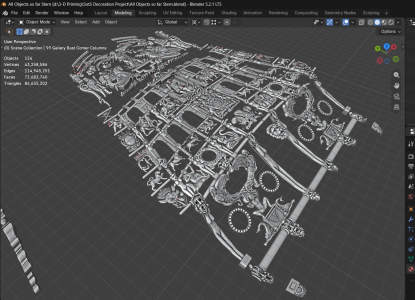
One at a time. Most of them used both hard-surface AND sculpting techniques. Many of them used new techniques and functions I never used before, teaching me more about Blender 3-D as new models were made.wow, How do you make those decorations? Im working on the stern of a ship quite similar - do you sculpt it or is it all hard-surface?

If 3-D printing is a disease as you describe, then my acute exposure to the work below should have killed me 100 times over.
Funny retort!
I was joking with you, buddy...In my defense - I did write : "From my perspective it is unfortunate "
I do this as a contest with myself. A contest with strict rules and limitations.
Except for a couple of exceptions - the glue - if they did not have the material in 1670 - it is not allowed.
Machines and tools no limits.
I do not advocate this for anyone else.
I do keep an eye out for anyone with a similar affliction,
alas, as with Zathras "Not the one" is the usual situation.

Yes, I know I saw nothing hostile there.I was joking with you, buddy...
If you are trying to replicate ship models actually made in the 17th century, that is a project on a whole other level. Just researching the materials and processes used is a science in itself, and places you in a special classification of modeler. A most admirable endeavor !Yes, I know I saw nothing hostile there.
It was the second barb that was the trigger
compulsion to respond is difficult to resist.
Even your joke about glue - I will turn into something for a response
the old guys used hot pot hide glue - I have the means to use it- just no experience plus the extra time during application and temp requirement at the point of application look too inconvenient .
I am meaning that polyvinyl acetate was not invented in the 17th C. neither was two part epoxy, nor was nitrocellulose I think. It may have existed in China - I am not sure when lacquer ware began.
Plus - PVA is actually a plastic - which is my major no! no!
I also agree with "Don't let the perfect be the enemy of the good." More so than some of my colleagues on historical points. I am one of the first to take an axe to a Gordian knot.
As for CA - something in my aura causes it to solidify in the bottle not long after the tip is opened - plus the vapors are a different grade of toxic from mineral spirits, acetone, lacquer thinner.....
No MEK either.
 If "museum quality" had a definition, that would be it. It goes to show you how diverse ship modelling can be.
I once had ambitions in that direction. The complexity, lack of contemporary plans, the time - I chased several plans (Prince, Royal Katherine) that leave much to be desired. I even followed Antony Deane's design instructions for recreating Royal Charles or Royal James. Then my sanity returned. I do highly recommend taking the time to follow Deane's design method. I put my level of understanding plans at a more serious level. I was trying to find a way to loft frames without plotting them. Deane only gives directions for producing three stations. I thought it was Deane being lazy. I was wrong about that. He only used three. Battens were used to connect the three points plus the stem and stern. Once they were fair with a smooth run, the other stations are plotted - exactly what I was trying to avoid.If you are trying to replicate ship models actually made in the 17th century,
I do not think that the acidity of Titebond II is something to worry about - if the model is a case that has enough ventilation for volume exchange Q12H to Q24H. There is not all that much volume of acidic acid to begin with. Being volatile at RT, it will out gas in weeks if not faster. Lineco Neutral PVA is pH7, but I do not think that the bond strength come near that of carpenter's PVA.Can you suggest a glue alternative to PVA Titebond II which is neutral in pH and commercially available?
I may want to switch over to that just to give my model a chance at surviving longer than 60 years.