• SUBSCRIBE TO SHIPS IN SCALE TODAY!

    The beloved Ships in Scale Magazine is back and charting a new course for 2026!
    Discover new skills, new techniques, and new inspirations in every issue.

    NOTE THAT OUR NEXT ISSUE WILL BE MARCH/APRIL 2026
  • Win a Free Custom Engraved Brass Coin!!!
    As a way to introduce our brass coins to the community, we will raffle off a free coin during the month of August. Follow link ABOVE for instructions for entering.

L'Artésien 1764 - 64 Kanonen-Schiff in 1:48 nach Plänen von Jacques Fichant

Hi everyone!

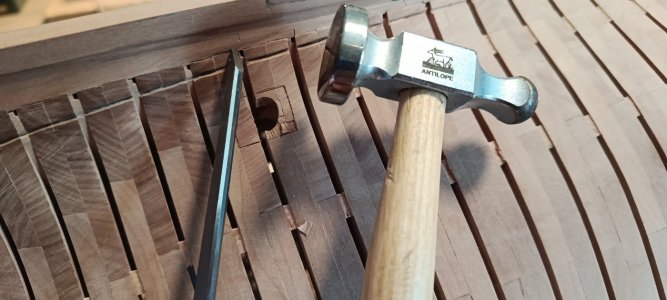
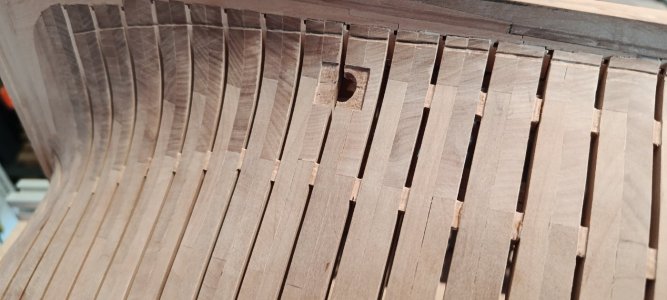
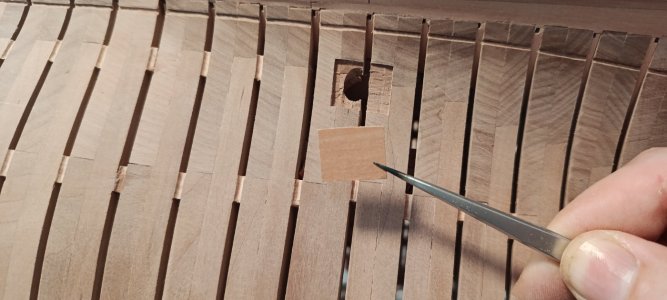
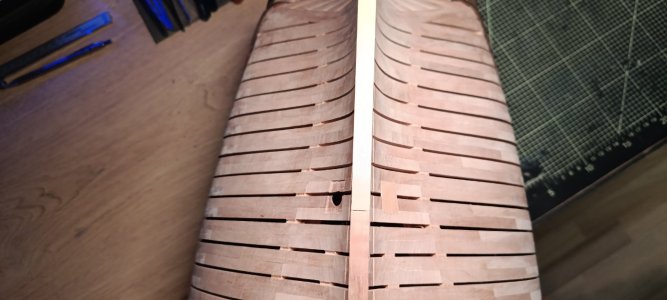
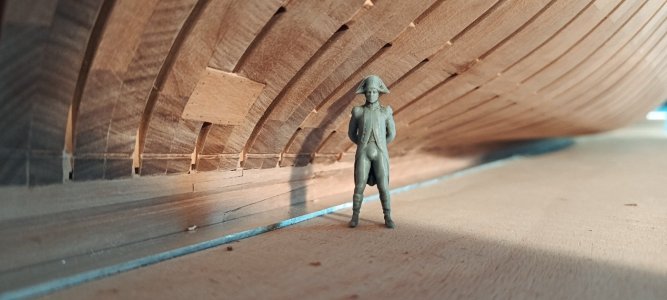
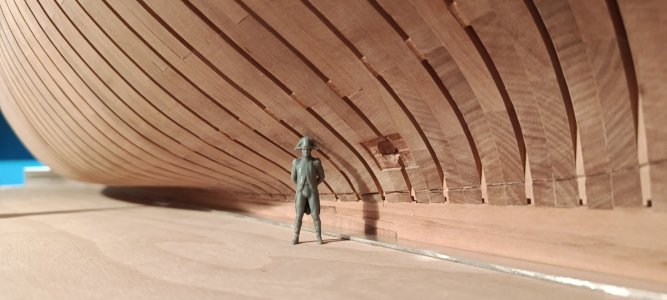
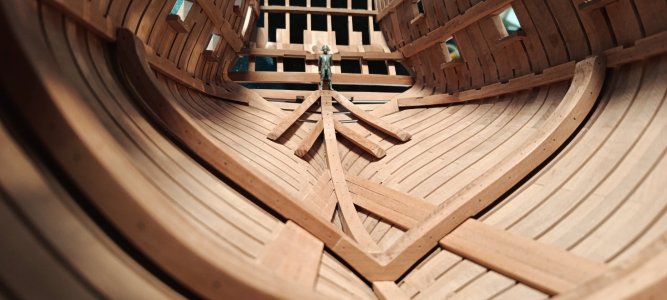
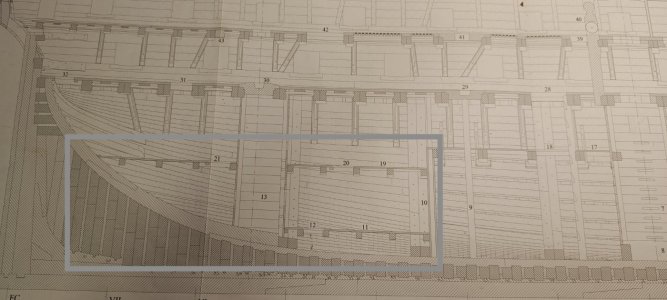
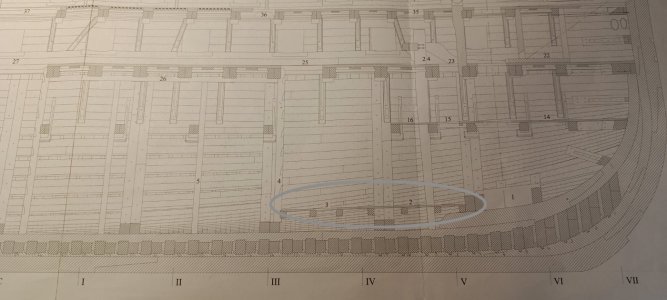
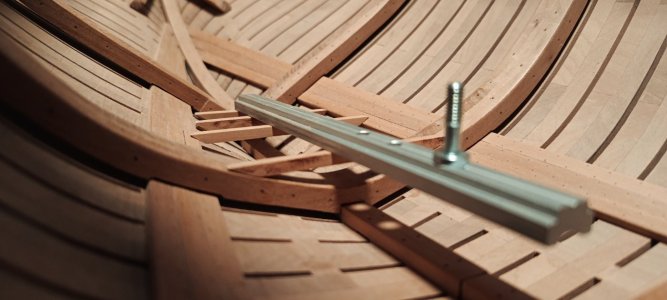
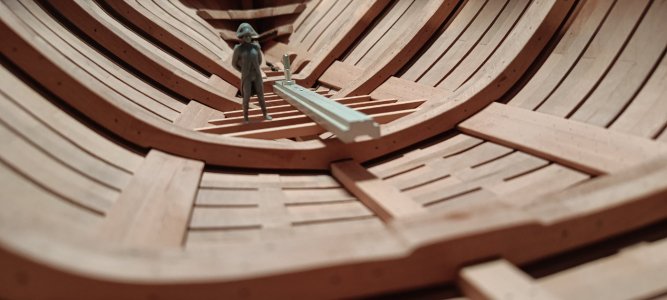
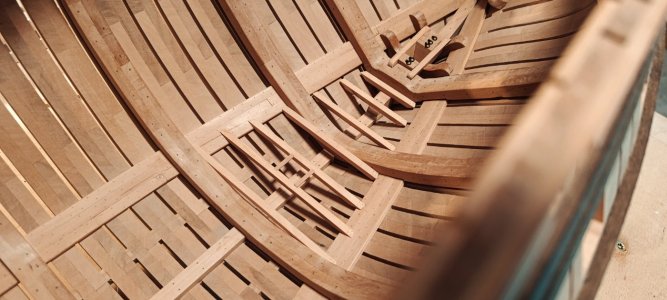
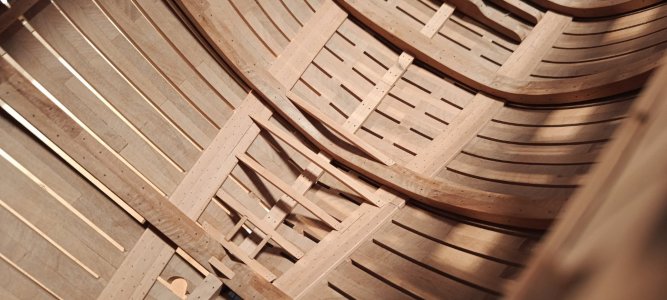
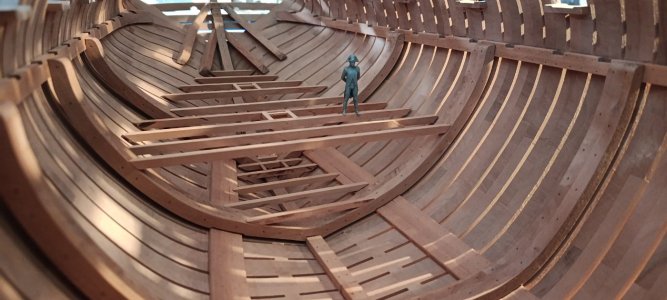
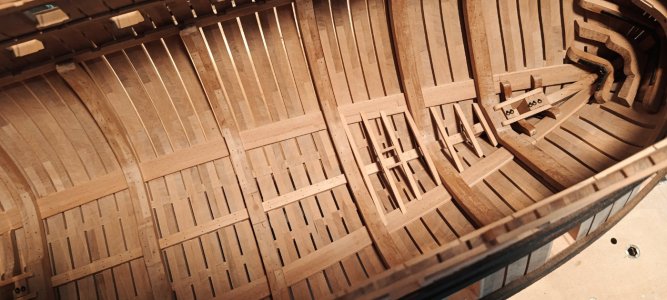
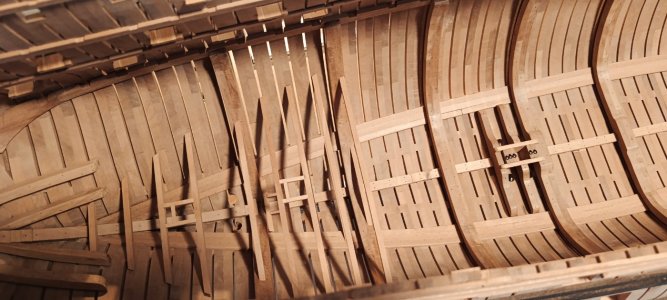
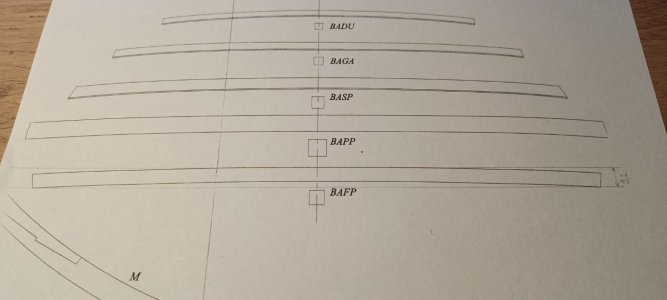
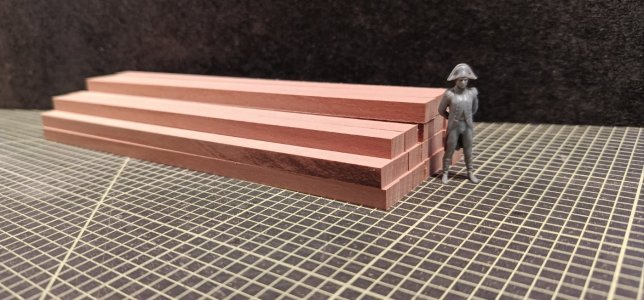
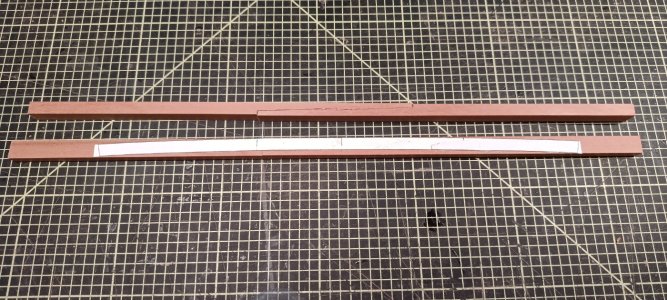
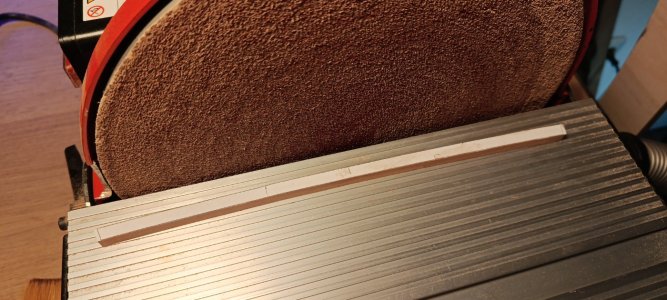
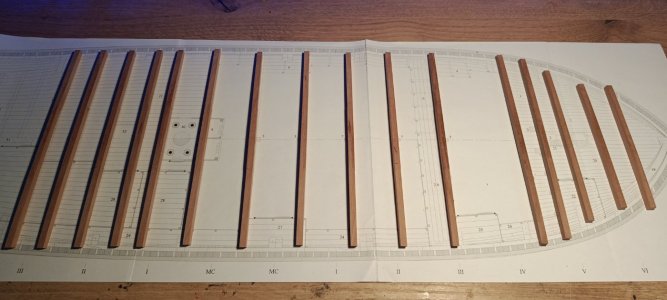
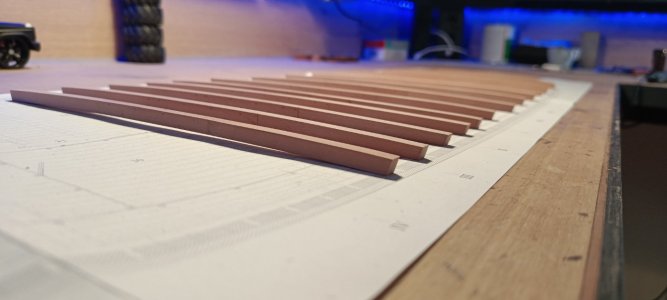
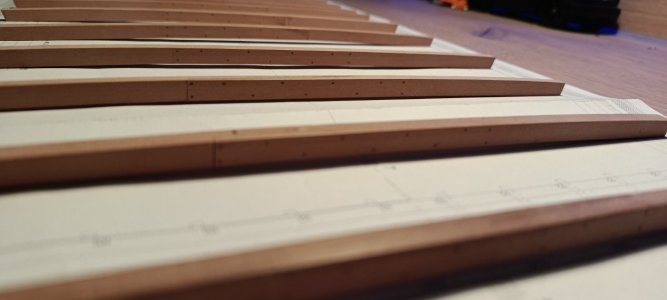
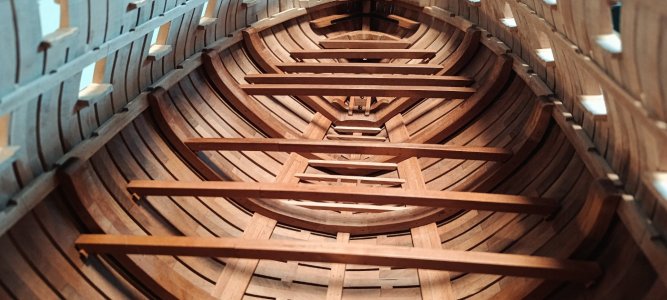
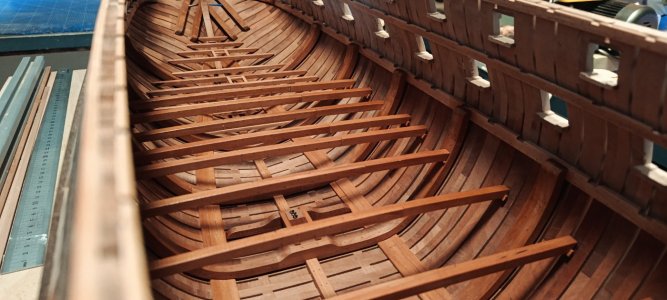
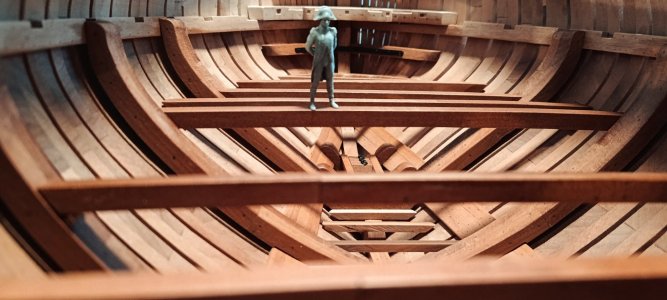
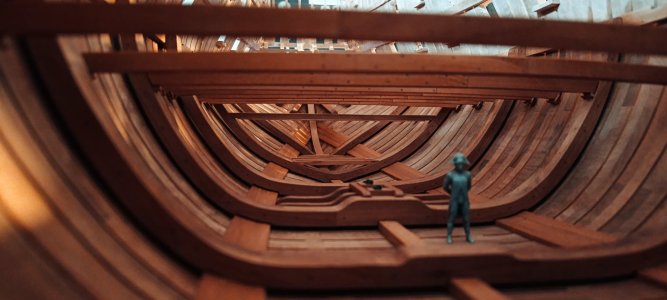
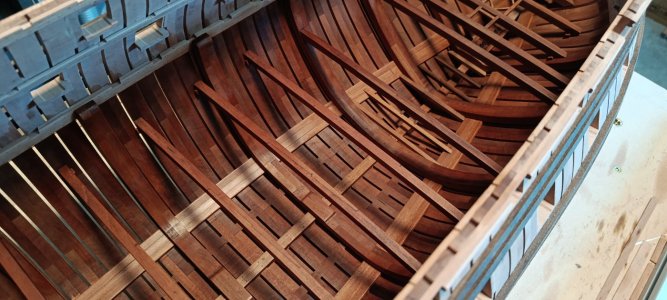
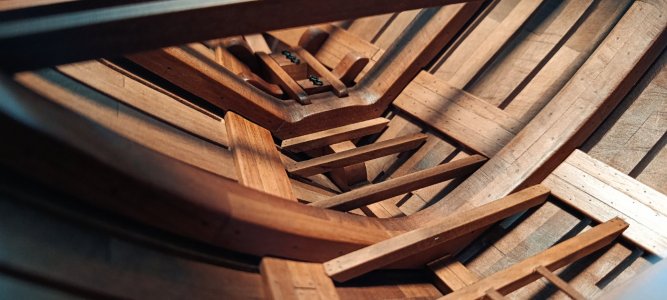
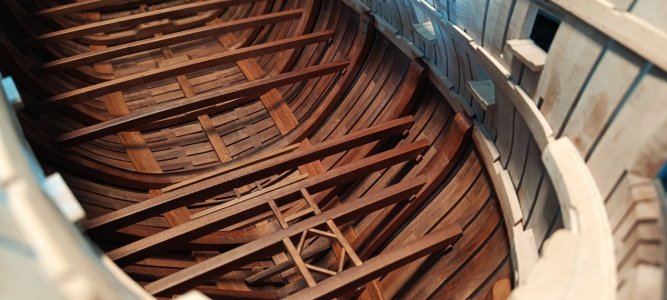
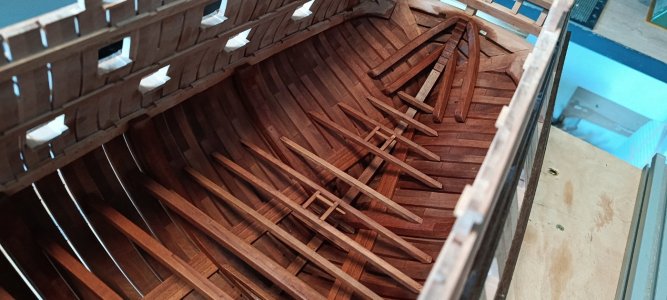
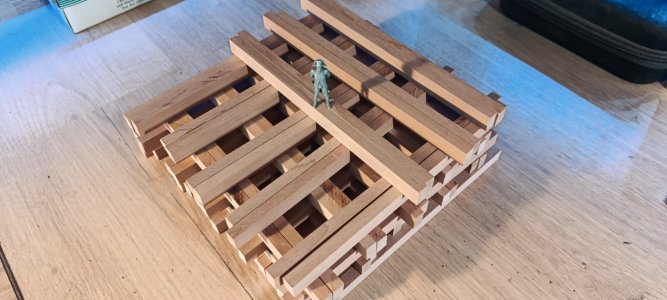
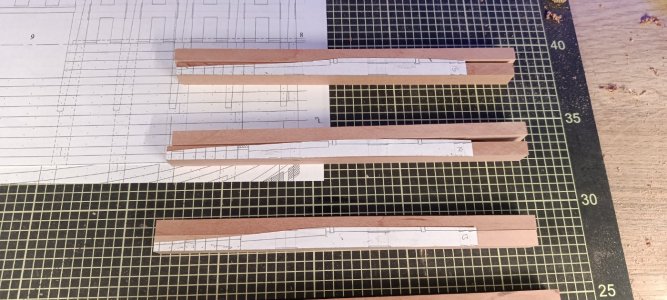
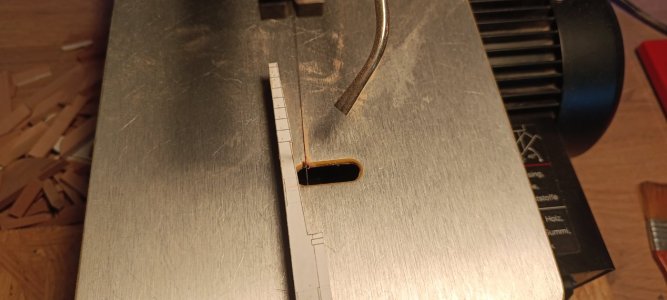
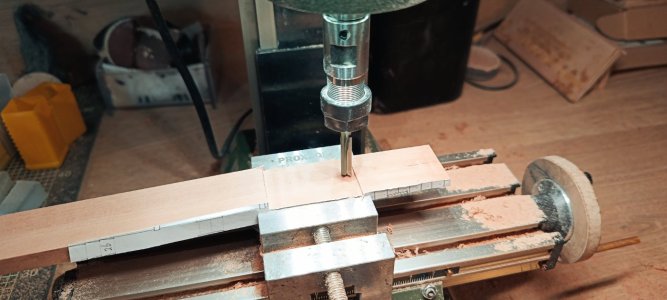
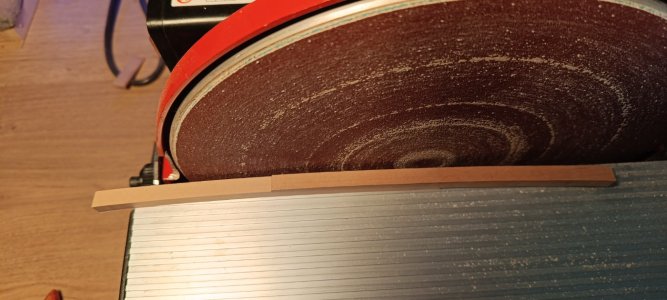
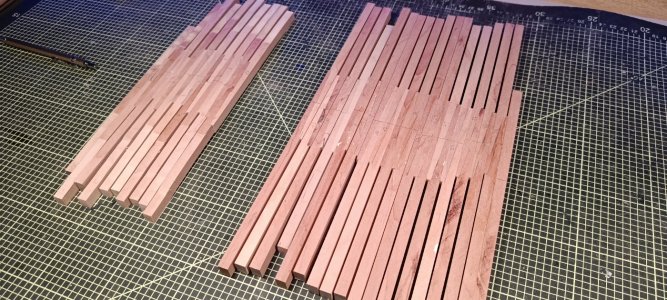
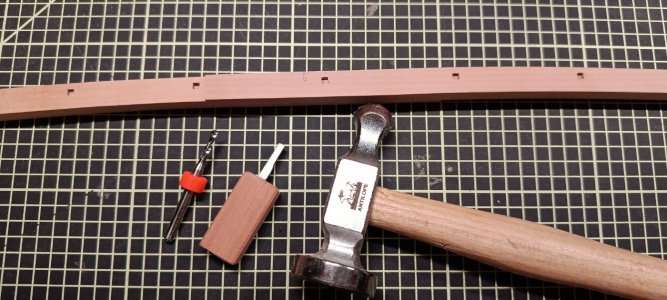
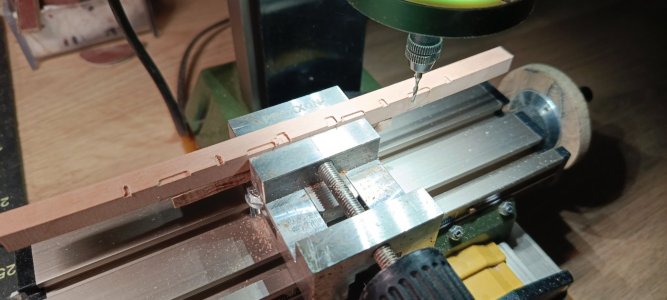
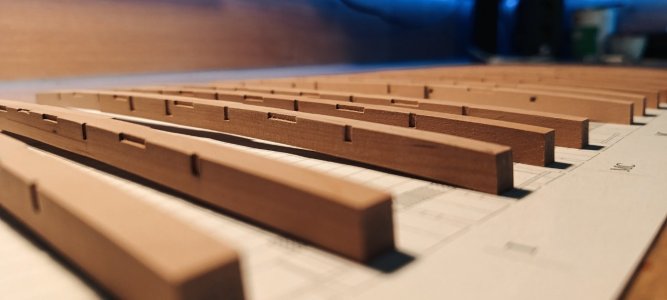
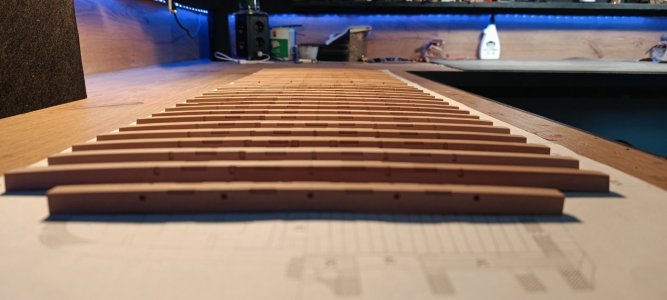
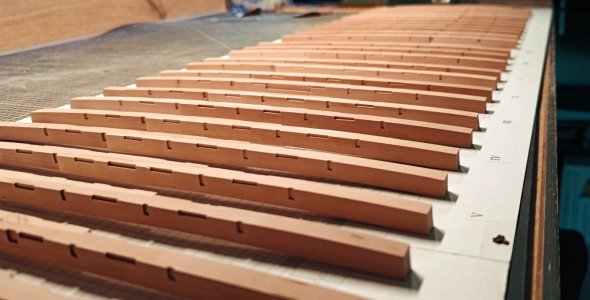
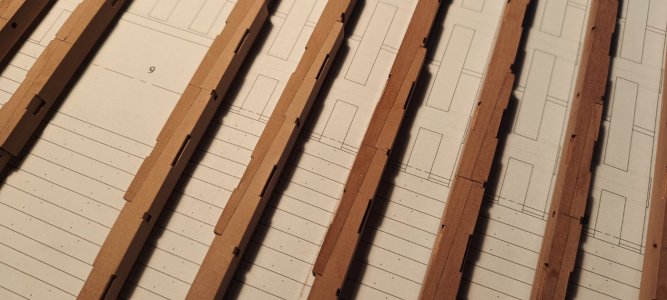
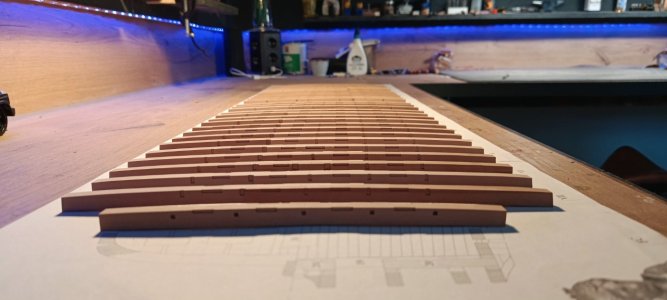
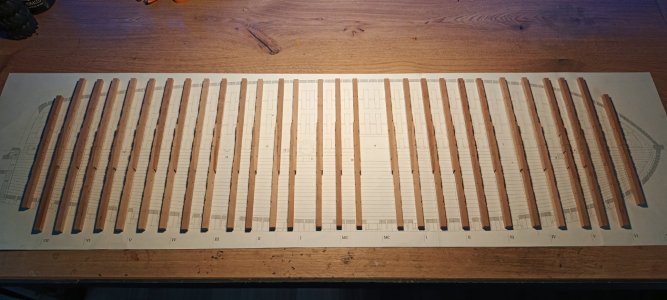
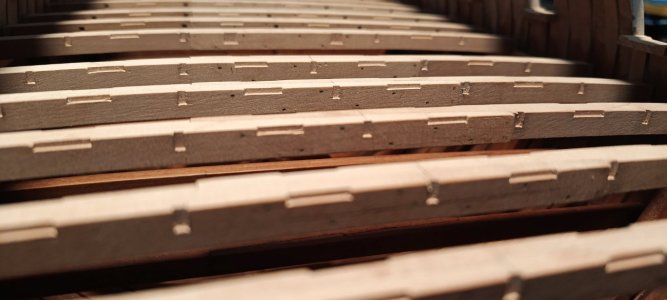
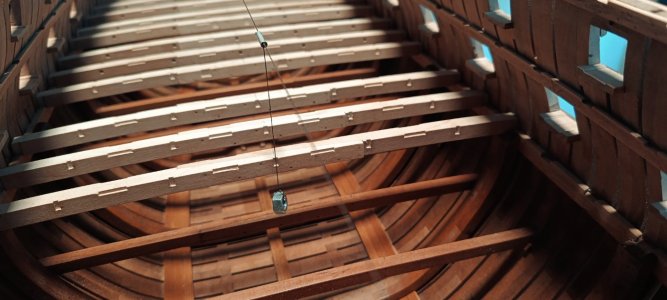
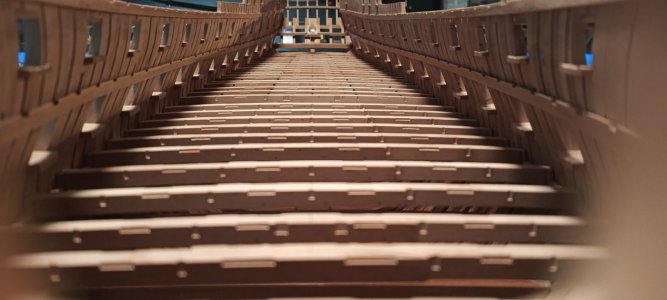
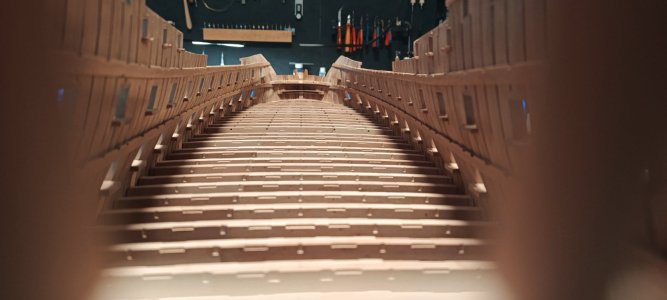
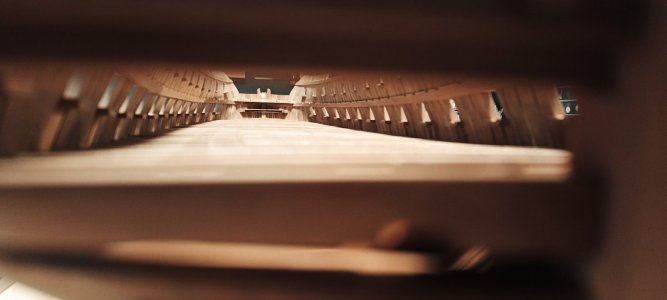
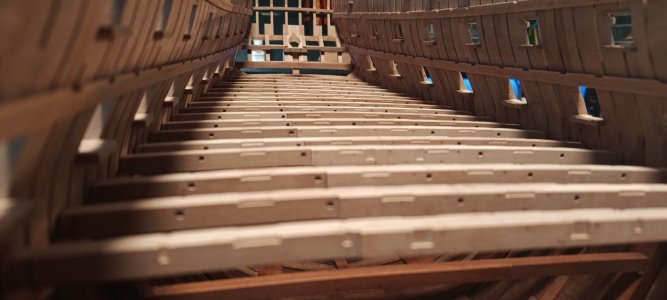
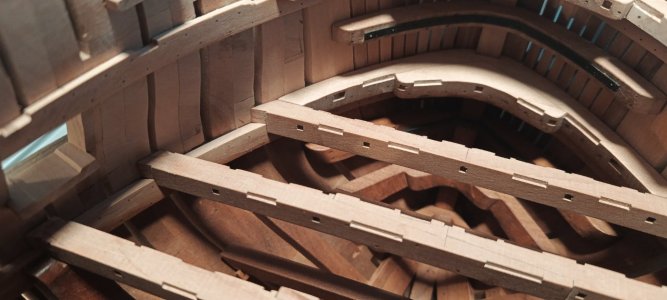
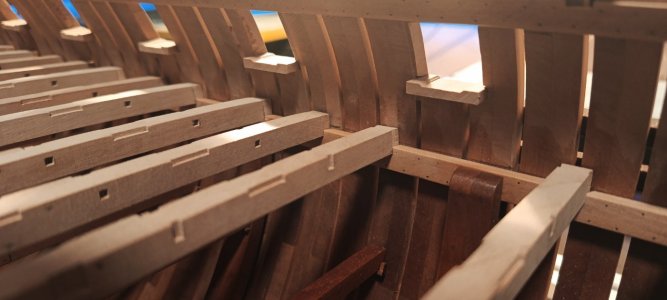
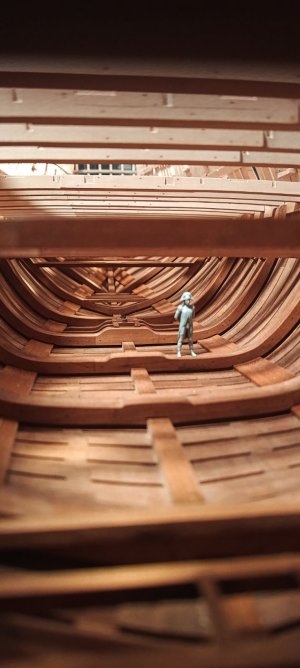
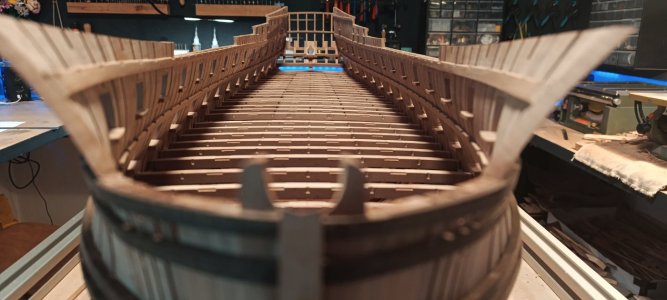
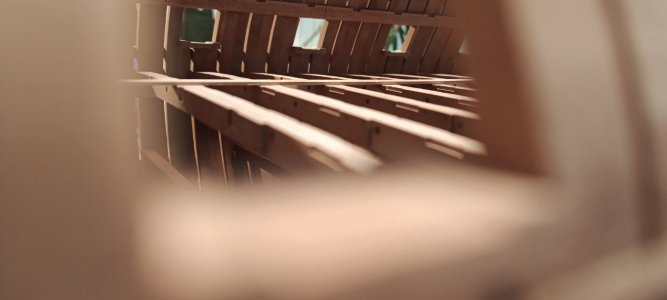
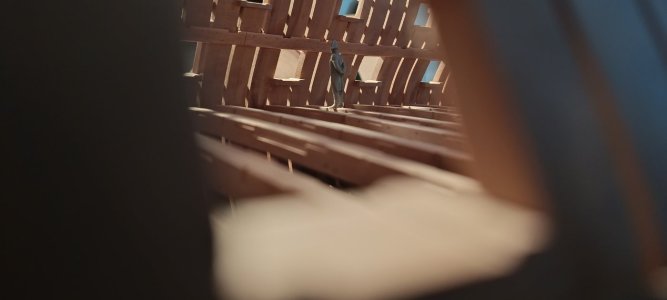
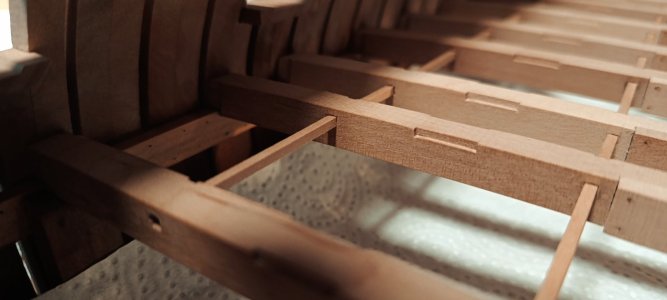
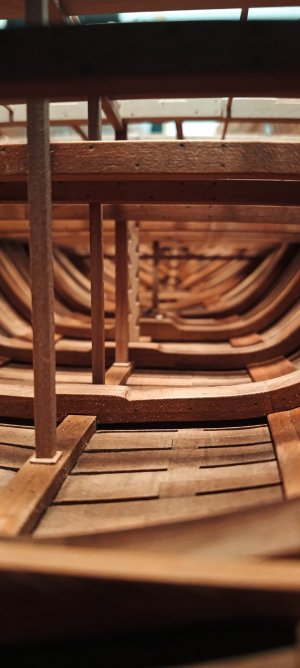
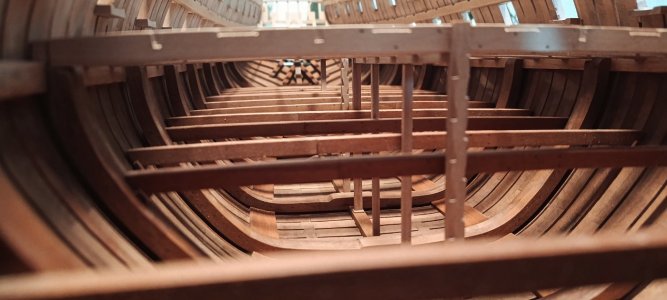
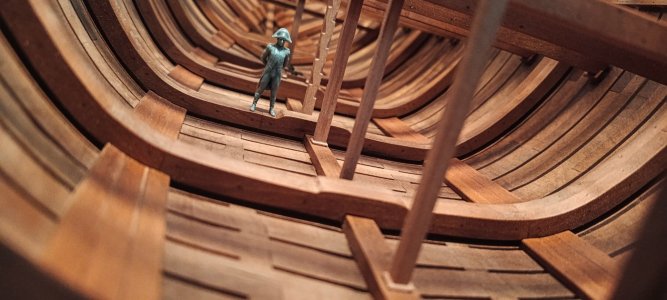
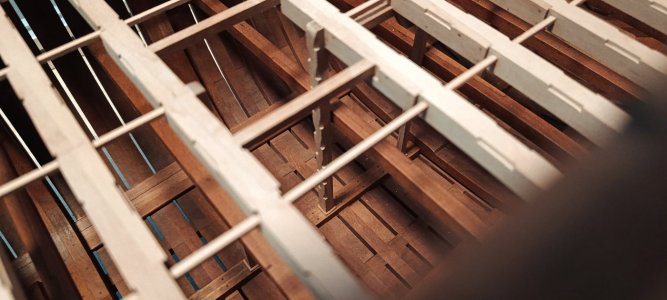
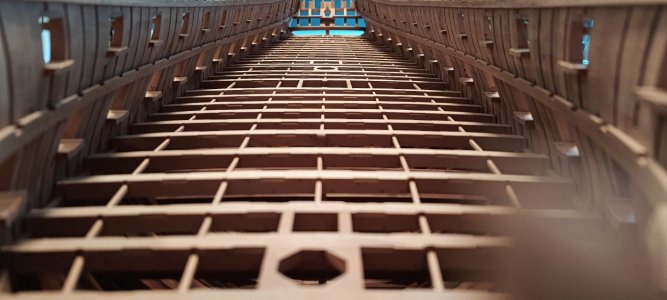
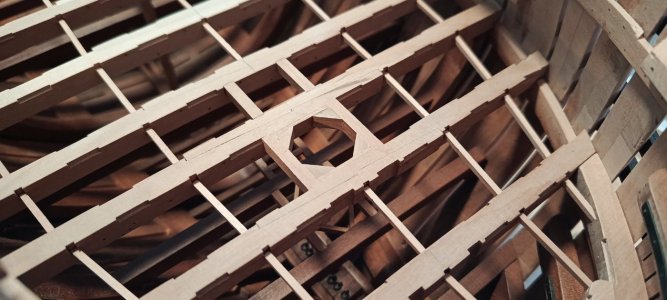
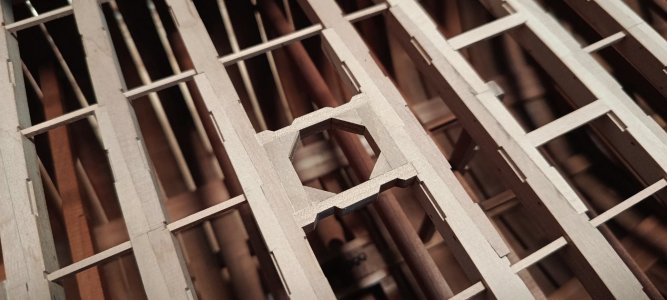
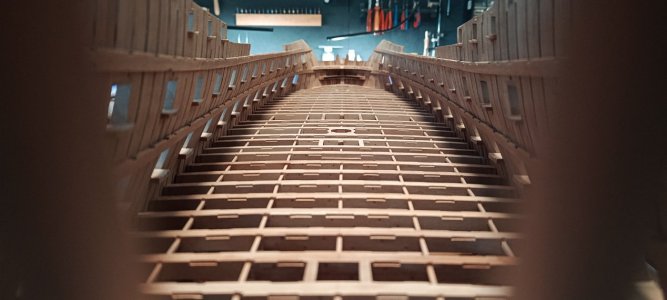
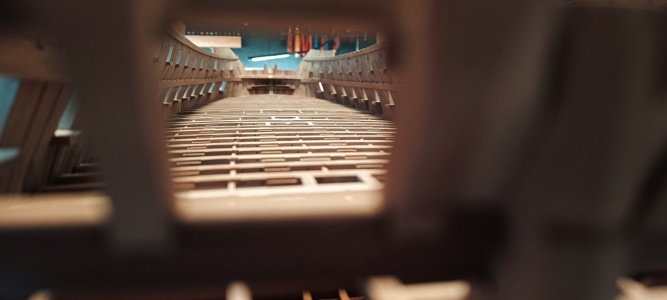
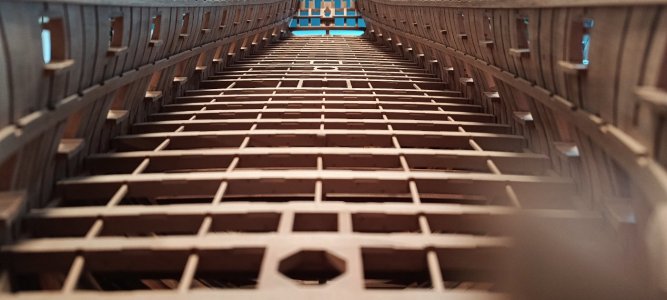
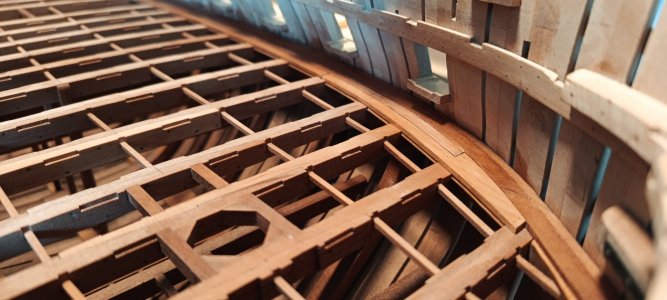
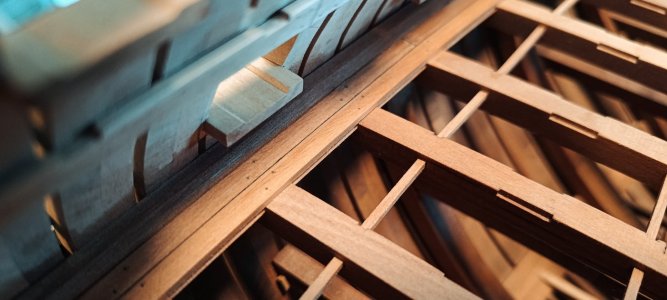
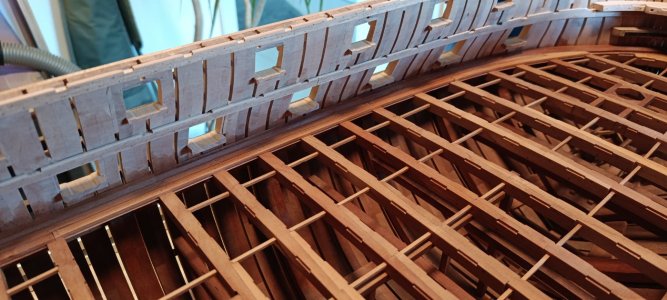
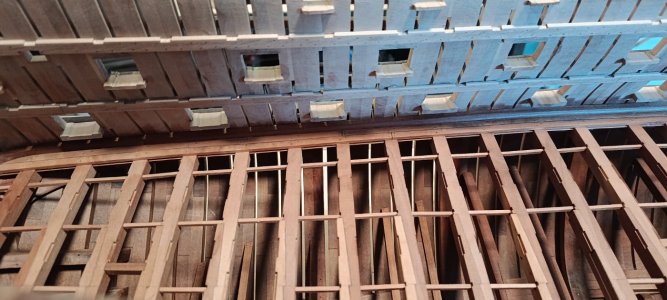
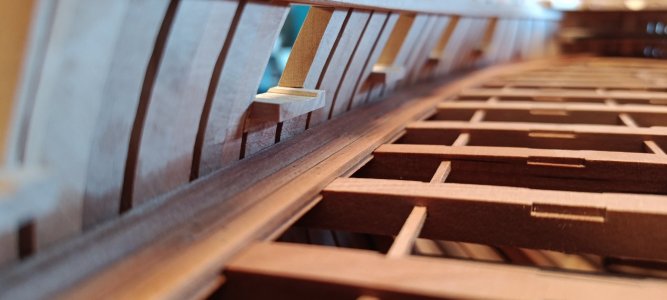
Work on the *A'rtésien* continued with the bow bands. The plans only show them on one side, so I had to draw them myself first. Except for two, they are mounted so they "float," because the hull planking—which I am not modeling—would normally sit between them and the frames. According to the monograph, they feature forelock bolts; I included these on the lower bow band, but to my eye, they looked far too oversized and clunky. That’s why I switched to a simplified representation. I’m not entirely satisfied and would do the iron bands on the lower half differently, but that’s just how it is now. ;) The lower iron bands have already been oiled, which explains the color contrast.

View attachment 614470

View attachment 614471

View attachment 614472

View attachment 614473

View attachment 614474

View attachment 614475

View attachment 614476

View attachment 614477

View attachment 614478

View attachment 614479

View attachment 614480

View attachment 614481

View attachment 614482

View attachment 614483

View attachment 614484

View attachment 614485

Regards
Andreas
Tolle idee
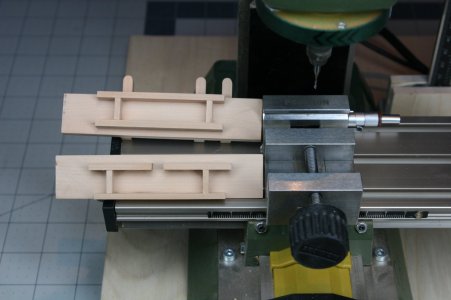
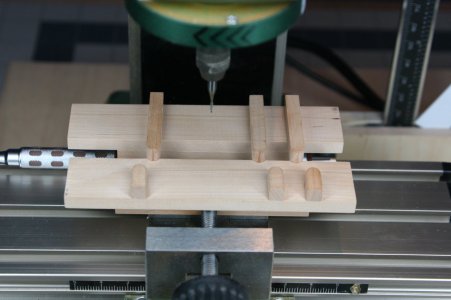
Man lernt jeden Tag etwas Neues dazu; ich finde die Idee mit dem Fräser zum Abrunden von Nagelköpfen mega klasse!
Your work looks sharp. This bit is the one commonly used by jewelers, right?
Grussle
 
Thank you very much for the kind words! That’s right; generally speaking, there are sets available for jewelry making that include a wide variety of mini-cutters. Hollow cutters like these are perfect for that purpose.
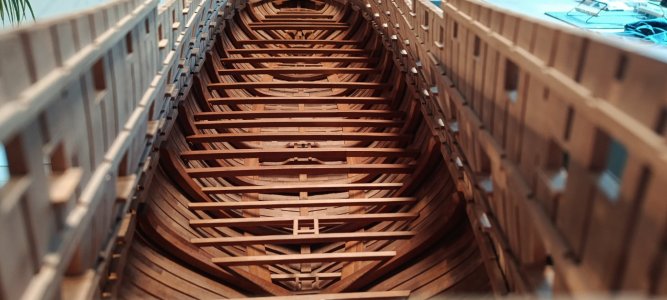
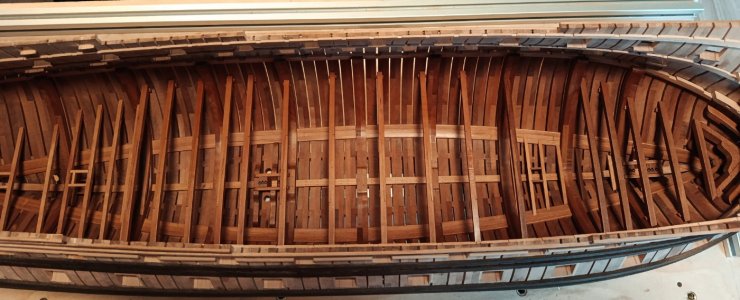
 
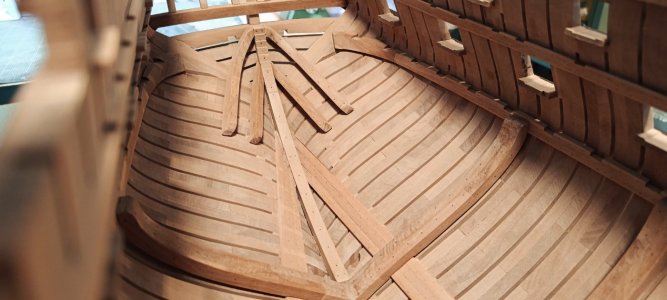
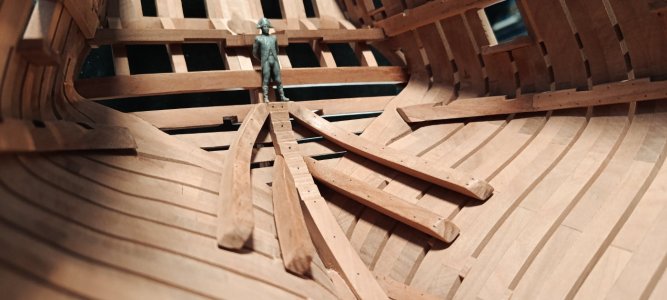
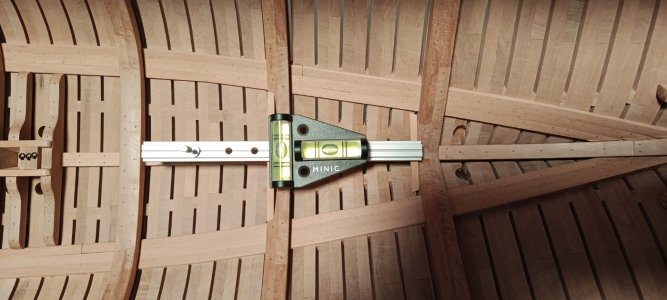
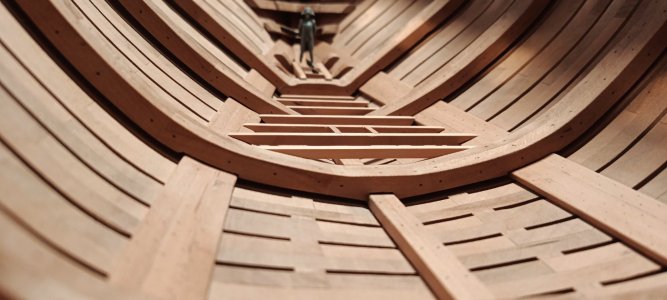
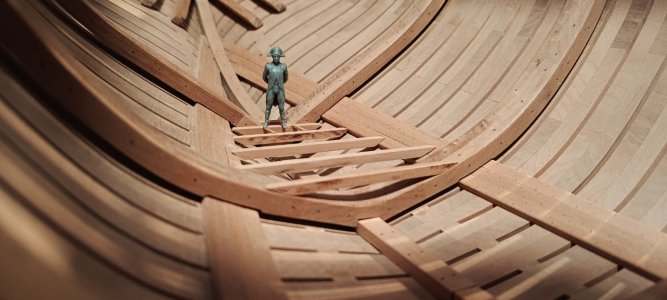
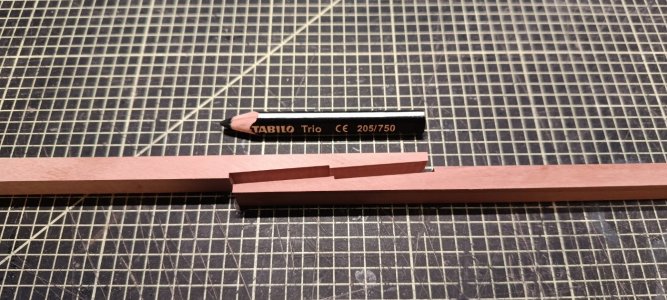
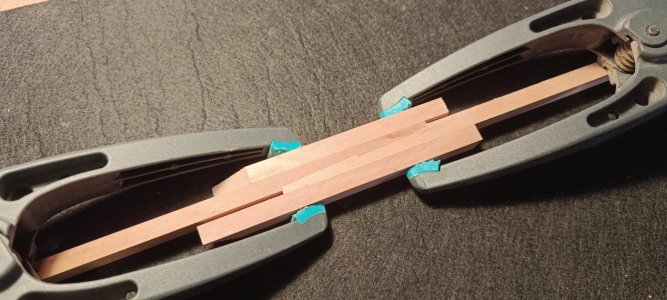
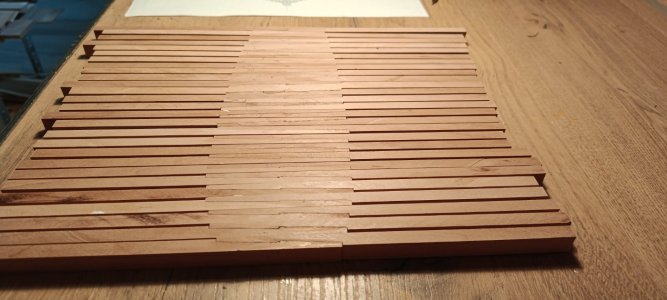
What I’d be interested to know now is how Gérard arrived at a two-part counter-keel for his work...
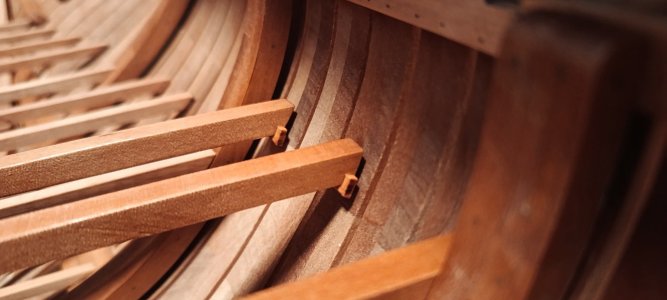
This feature is mentioned in the monograph: section describing plate 4 (page 46) and specifically the paragraph decribing the structural elements.

The keelson being built as two side-by-side timbers installed lengthwise is mentioned in the Bigot de Morogues construction treatise dated to the mid-1750's. So that may be one of the sources used for the monograph.
The construction treatise is dedicated to the construction of a 60-Gun Ship.

As far as fastening side-by-side keelson timbers, the treatise aslo includes the following:
"The keelson being fashioned from two rows of timbers overlapped one beside the other; these timbers are fastened together horizontally alternating driving the bolts from each side".
The keelson is also fastened to the frames, rising wood and keel:
"As often as possible, the keelson is again fastened using bolts running through the floor-timbers or crotches, using blind-bolts driven two-third of the way into the thickness of the keel when the run prevents doing it any other way. It is to be noted that the bolts fastening the keel and floor-timbers are not driven into the center, but toward the edge of the assembly so that the ones securing the keelson are driven into the center to avoid meeting the others. Often, the floor-timbers are fastened to the keel using bolts securing the keelson, especially through the scarph-joints; this prevents weakening the keel."

This treatise is included in the book published by ANCRE: "The 50 and 64-Gun Ship".

G
 
Last edited:
Back
Top