



• Win a Free Custom Engraved Brass Coin!!!
    As a way to introduce our brass coins to the community, we will raffle off a free coin during the month of August. Follow link ABOVE for instructions for entering.
  • PRE-ORDER SHIPS IN SCALE TODAY!

    The beloved Ships in Scale Magazine is back and charting a new course for 2026!
    Discover new skills, new techniques, and new inspirations in every issue.

    NOTE THAT OUR FIRST ISSUE WILL BE JAN/FEB 2026

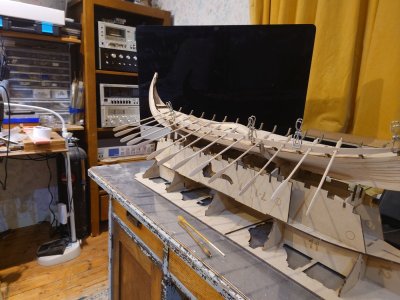
Pavel Nikitin 1/25 Oseberg V.3

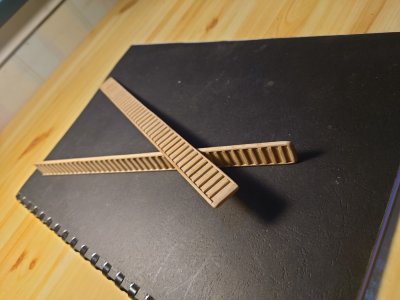
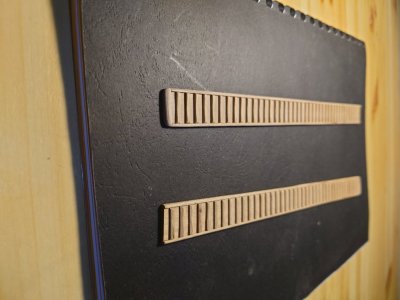
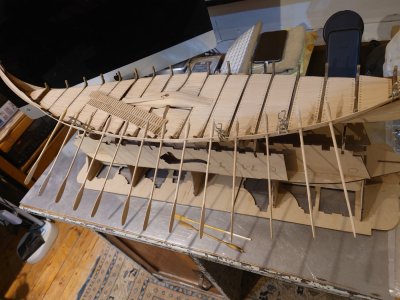
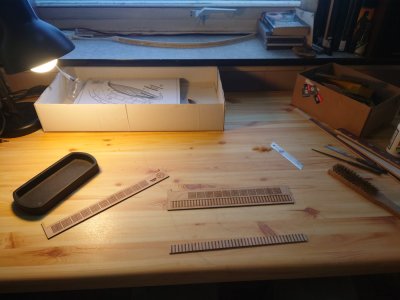
I've started another project: the gangways.

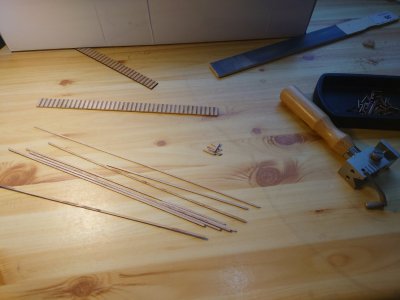
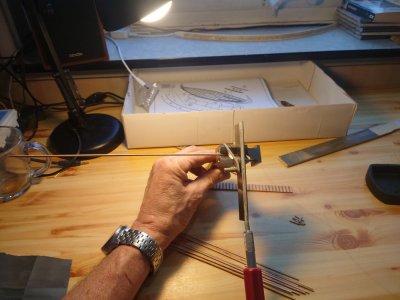
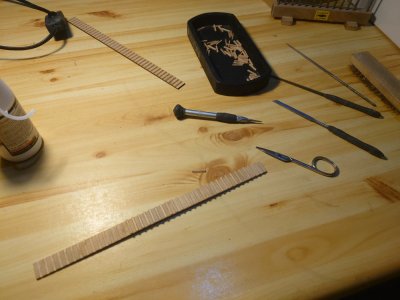
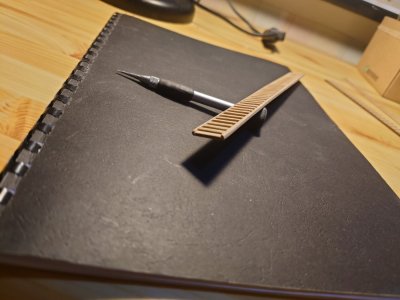
The kit comes with two pre-cut planks, onto which the pre-cut sleepers need to be glued, 41 pieces per plank. Cleaning the small pieces is quite fiddly, so to speak, so I decided to saw some strips from the leftover material and then cut them to the correct size. While gluing the sleepers, I didn't think it was quite right, and after examining some photos of the Oseberg in Oslo, I noticed that the sides of the planks also have reinforcement, which seems quite logical to me, and also some kind of reinforcement on the front of the plank. So I made some strips on the sides and curved the front, which, in my opinion, gives a more realistic gangway.

The photos below explain this.
20260103_133132.JPG20260103_140702.JPG20260103_140829.JPG20260103_210037.JPG20260103_222239.JPG20260104_234007.JPG20260104_233932.JPG
 
Thanks again everyone for watching and liking.

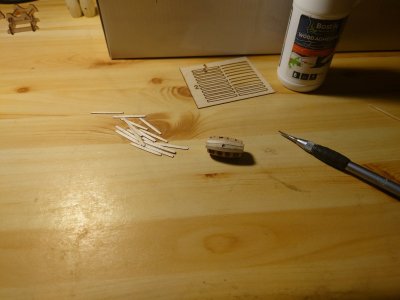
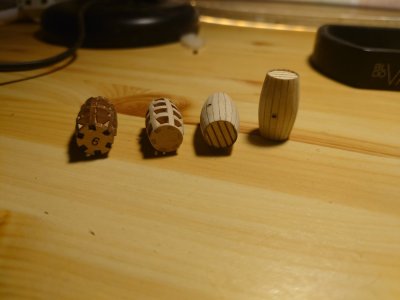
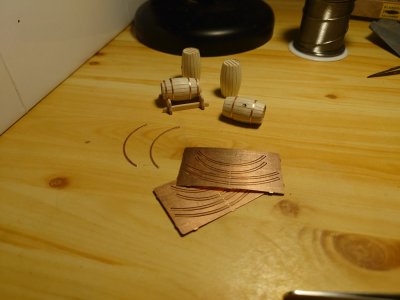
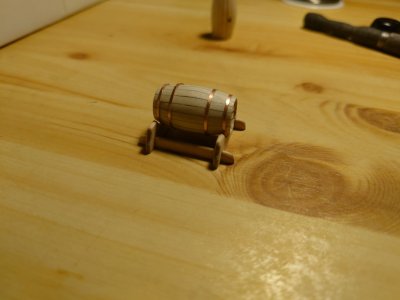
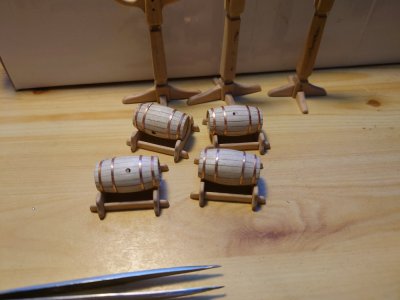
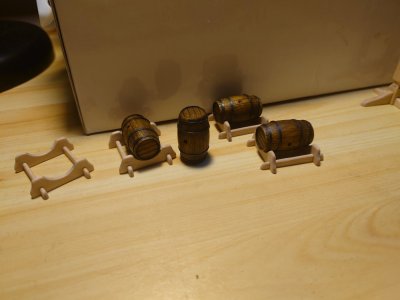
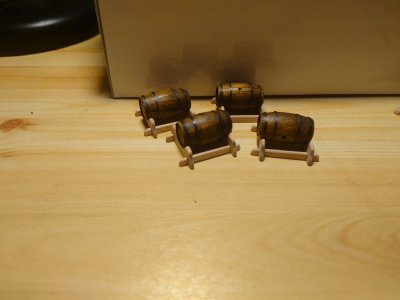
As a small interim project, I started making the water barrels.
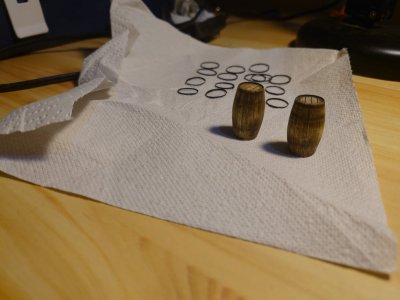
The base is a frame consisting of several parts. After gluing it together, it needs to be sanded into the correct shape, which is all quite simple. Gluing the staves is a different story. These are wafer-thin pieces of wood, and it takes a lot of patience and time to clean them and place them neatly and evenly. A few were broken, but luckily there are a few extra
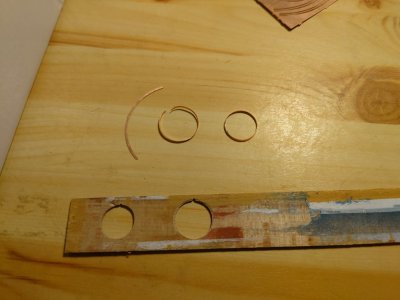
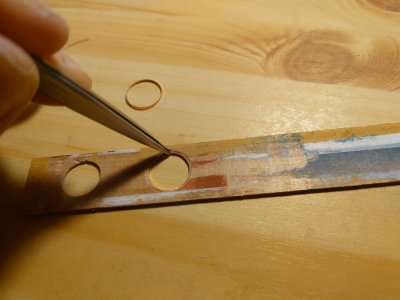
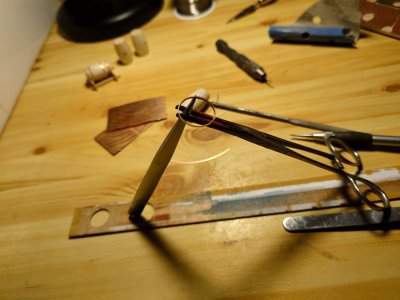
The rings that go around the barrels are a series of copper strips and need to be placed on the barrels. I made a template for this so I can make them all uniform and solder them, so I can blacken them later and then install them.
Below are some photos that explain some of the details.

20260108_195018.JPG20260107_211650.JPG20260113_200601.JPG20260113_200755.JPG20260113_195622.JPG20260113_201623.JPG20260113_165736.JPG
 
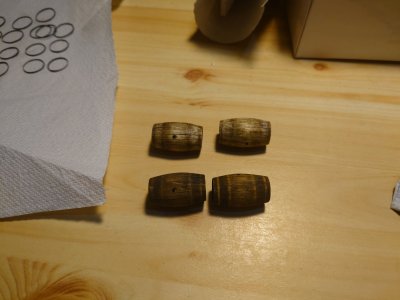
After all the hoops were finished, I placed them on the barrels and then applied the first dark layer of alcohol ink with the airbrush. After that, I removed the hoops, so you can now clearly see where the hoops will be. Then I sprayed everything with a light color.
20260114_144941.JPG20260114_211938.JPG
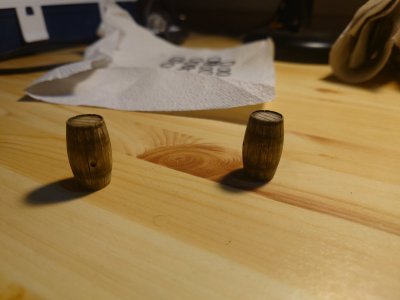
Then I sanded down as much as possible with sandpaper, but kept the areas where the hoops will be somewhat light. Then I sprayed everything again with a medium brown, let it rest for a while, and then lightly sanded everything with 1000-grit sandpaper. Finally, I applied a coat of painter's varnish to the barrels, applying it briefly afterward and wiping it immediately with a lint-free cloth. After removing the hoops, I cleaned them and chemically blackened them. Then I treated them with painter's varnish, lightly buffed them, and then placed them back on the barrels.
20260114_211337.JPG20260114_211353.JPG
20260114_222235.JPG20260114_222206.JPG
 
The oars.
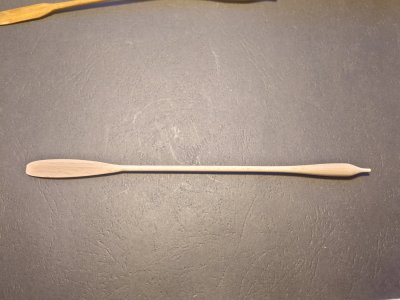
The oars come with the kit as a kind of mini-project: the blade needs to be glued to a stem, and that's it. It's an easy way, but not how I wanted it, so I took the laborious route of making them all myself.
And so, after several hours of battling with AI and searching online, I finally found the right shape and size.
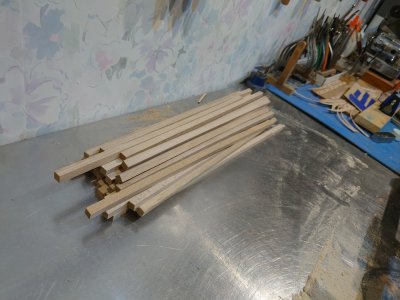
I had some beech wood lying around for this, and after a bit of sawing, I cut it into 1.2x1.2 cm ribs.
And that's how I can enjoy myself for a while.
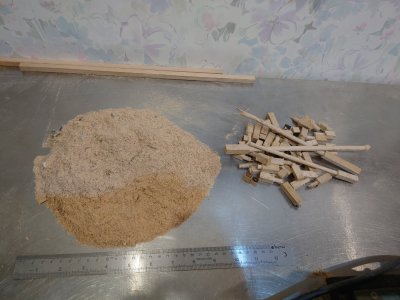
It does create an incredible amount of waste, but that shouldn't spoil the fun.

20260122_235625.JPG

20260122_235410.JPG

20260117_011258.JPG20260117_152341.JPG

20260117_011346.JPG
 
The oars are finished!!
20260127_214622.JPG20260127_214542.JPG20260127_214514.JPG
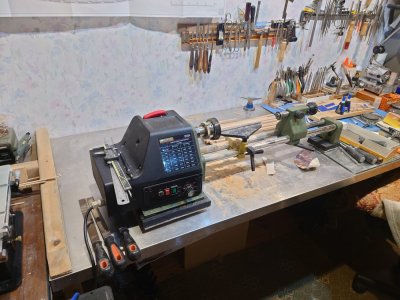
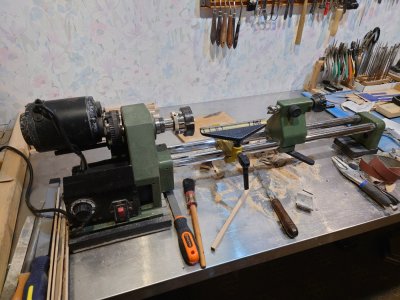
This has definitely been quite a learning curve for me, as I've never worked with a wood lathe before, though I've used metal lathes, which certainly have similarities, but then again, they're not.
20260123_195438.JPG
Plus, the whole "motor thing" in between (the original motor failed during operation due to a loose magnet, irreparably damaging the rotor. Since the lathe is pre-www time and parts are no longer available, I had to modify it to get it working again).
20260127_213709.JPG
It was quite a feat, but all in all, I'm very happy with the result. In the end, I still had two pieces of wood left, which does create a lot of mess as a byproduct.

20260128_010023.JPG
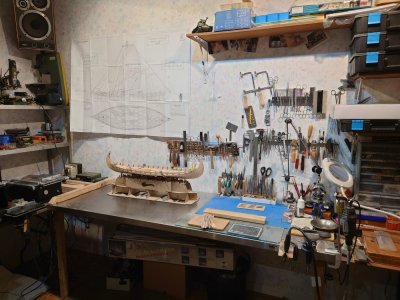
The workspace is spotless again, and everything is somewhat organized, so we can happily move on to the next chapter.
 
And so, after several hours of battling with AI and searching online, I finally found the right shape and size.
Willbor, You can save yourself hours battling with AI and go directly to Dr. Bischoff's Dissertation. I've posted the links in this post of my build log. Her dissertation was made into the book The Oseberg Ship which is an invaluable reference while building the model - if you can get it! Her dissertation contains all the original drawings from the excavation (with dimensions) that are in the book.
 
After all the hoops were finished, I placed them on the barrels and then applied the first dark layer of alcohol ink with the airbrush. After that, I removed the hoops, so you can now clearly see where the hoops will be. Then I sprayed everything with a light color.
View attachment 570469View attachment 570470
Then I sanded down as much as possible with sandpaper, but kept the areas where the hoops will be somewhat light. Then I sprayed everything again with a medium brown, let it rest for a while, and then lightly sanded everything with 1000-grit sandpaper. Finally, I applied a coat of painter's varnish to the barrels, applying it briefly afterward and wiping it immediately with a lint-free cloth. After removing the hoops, I cleaned them and chemically blackened them. Then I treated them with painter's varnish, lightly buffed them, and then placed them back on the barrels.
View attachment 570471View attachment 570472
View attachment 570473View attachment 570474
So like your idea for how to size the barrel rings - will pinch your idea
 
Update
Thanks everyone for the likes and comments, RussF thanks for the link, indeed a very useful document. As always the best tips always come after completing of the work.

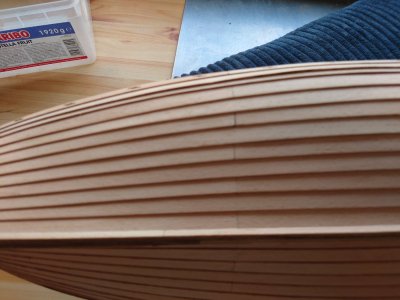
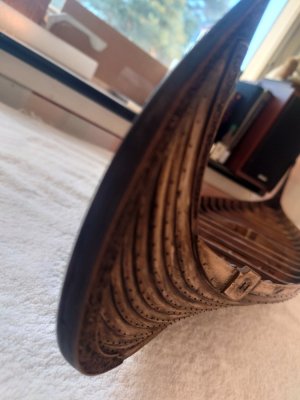
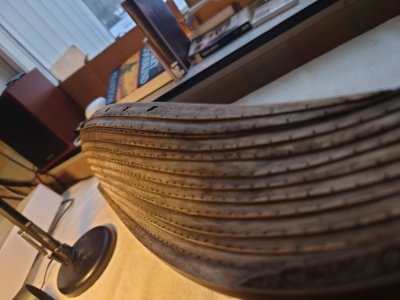
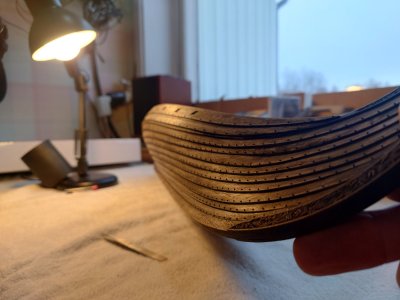
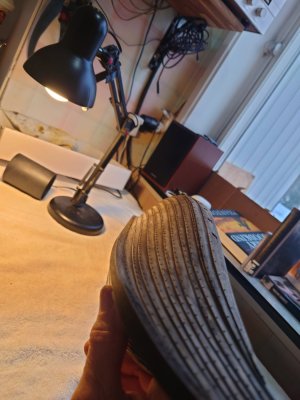
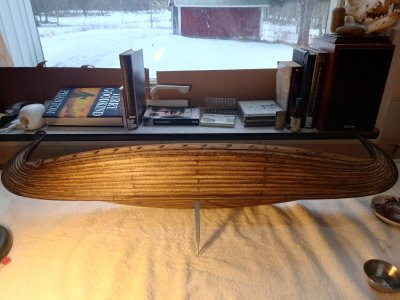
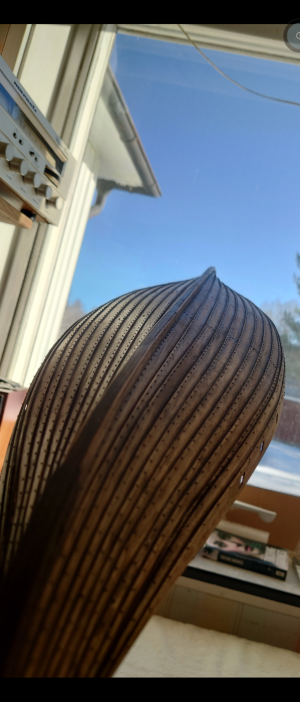
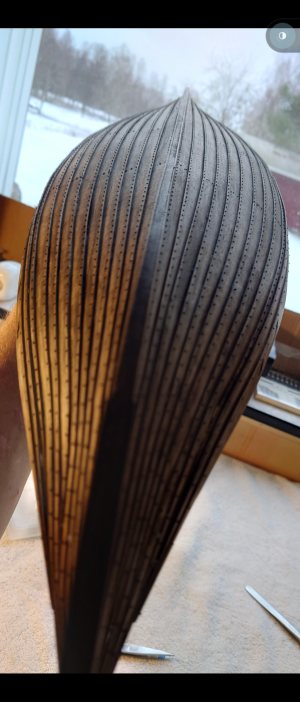
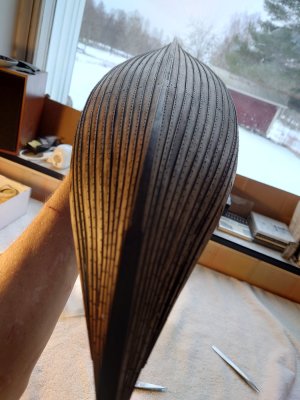
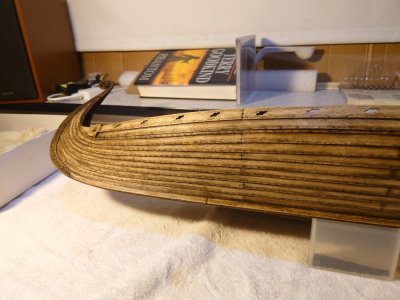
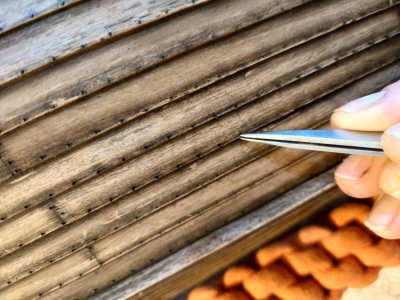
In the meantime I started a other "small" project for my self, the so called clinkers, as they call this clinker build hulls, than there should be clinkers in the hull.
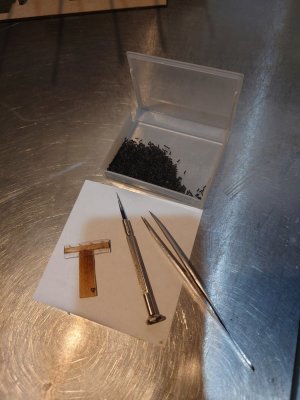
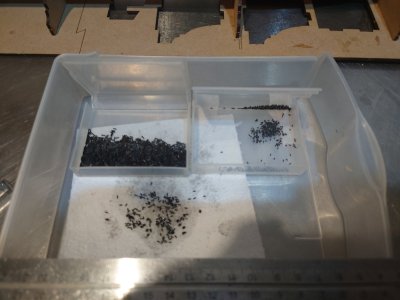
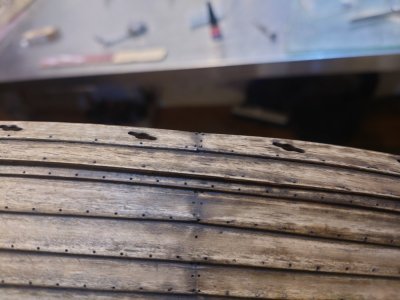
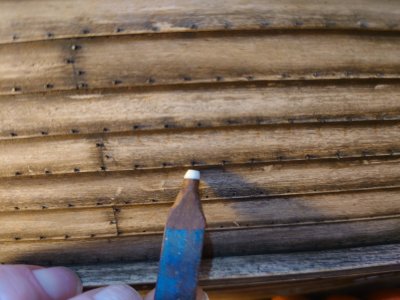
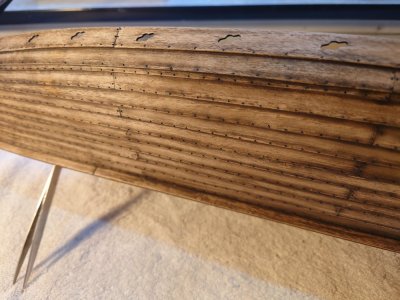
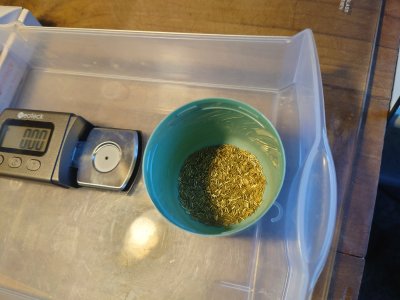
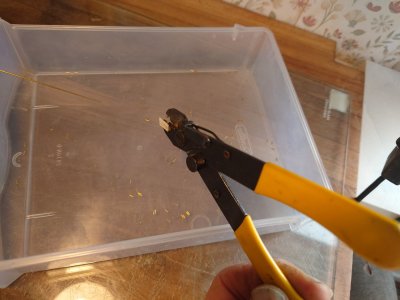
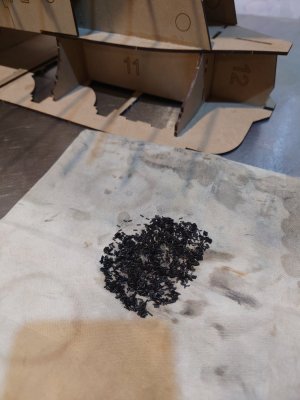
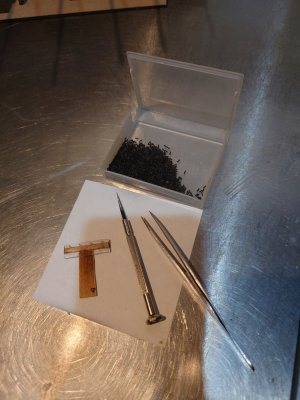
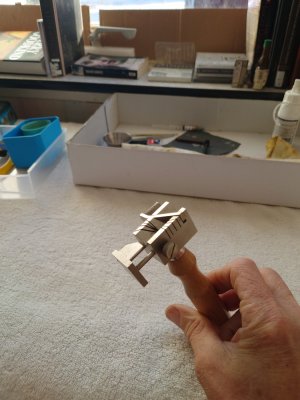
So first I started to take some measurements, and found some very useful information in the Dr. Bischoff's Dissertation. Based on that information, I cut my self around 3000 nails in 3 different sizes, blackened them and treated them with a light coat of painters varnish.
Made a small template for the positions of the nails to mark them with a small awl, and drill drill all the holes.
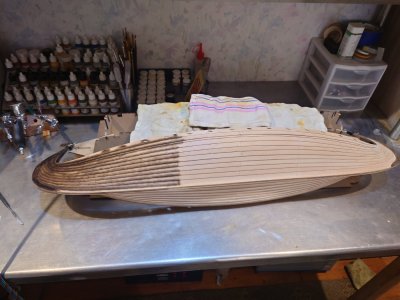
Then I applied the pressade as base for the rest of the colours that will be applied on a later moment.
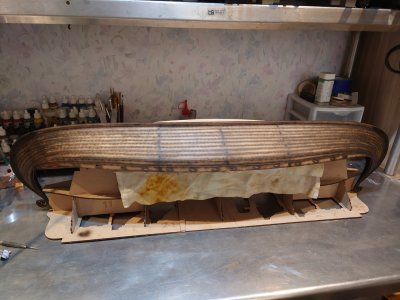
Sanded the applied pre shade to a in my eyes natural look of oakwood.
After that I started with placing the nails , still work in progress,
Below some pictures for a impression, and as said before pictures explain more than words.

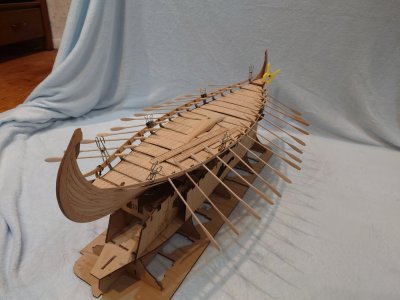
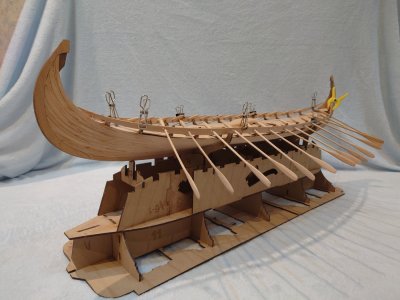
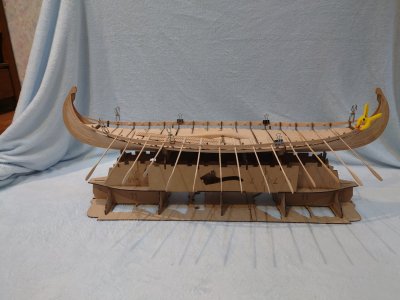
20260211_225235.JPG20260213_142330.JPG20260217_161433.JPG20260217_220138.JPG20260217_231952.JPG20260218_220708.JPG20260219_162717.JPG20260220_211055.JPG20260221_161532.JPG20260221_161730.JPG20260221_162042.JPG
 
Update
Thanks everyone for the likes and comments, RussF thanks for the link, indeed a very useful document. As always the best tips always come after completing of the work.

In the meantime I started a other "small" project for my self, the so called clinkers, as they call this clinker build hulls, than there should be clinkers in the hull.
So first I started to take some measurements, and found some very useful information in the Dr. Bischoff's Dissertation. Based on that information, I cut my self around 3000 nails in 3 different sizes, blackened them and treated them with a light coat of painters varnish.
Made a small template for the positions of the nails to mark them with a small awl, and drill drill all the holes.
Then I applied the pressade as base for the rest of the colours that will be applied on a later moment.
Sanded the applied pre shade to a in my eyes natural look of oakwood.
After that I started with placing the nails , still work in progress,
Below some pictures for a impression, and as said before pictures explain more than words.

View attachment 579743View attachment 579744View attachment 579745View attachment 579747View attachment 579748View attachment 579749View attachment 579750View attachment 579751View attachment 579752View attachment 579753View attachment 579754
Fabulous
 
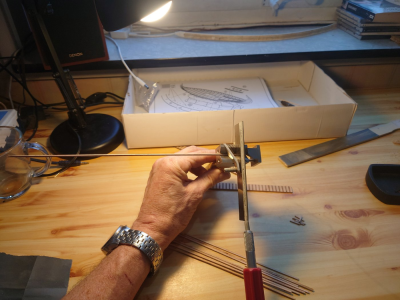
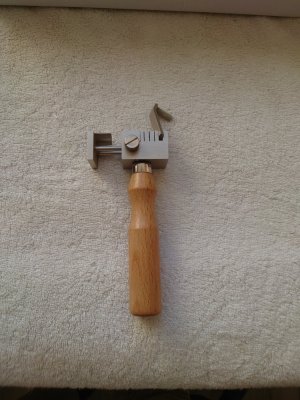
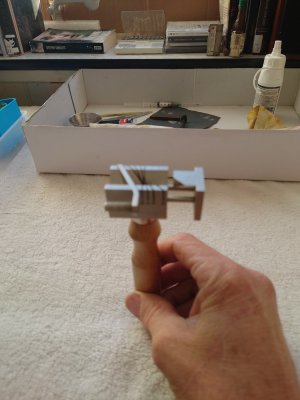
interesting... do you have a reference for the device you are using to hold and cut the plank in this picture?

1771791715805.png
 
Willbor,

Love your work with hull nails - Also high on my list of "need to do's"

Did you use HO type nails that are mostly sold to train hobbyists? so, 3000 yikes Speechless but, well worth the time.
 
Back
Top