• Win a Free Custom Engraved Brass Coin!!!
    As a way to introduce our brass coins to the community, we will raffle off a free coin during the month of August. Follow link ABOVE for instructions for entering.
  • PRE-ORDER SHIPS IN SCALE TODAY!

    The beloved Ships in Scale Magazine is back and charting a new course for 2026!
    Discover new skills, new techniques, and new inspirations in every issue.

    NOTE THAT OUR FIRST ISSUE WILL BE JAN/FEB 2026

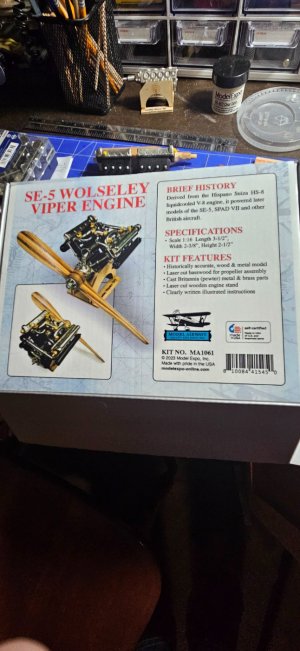
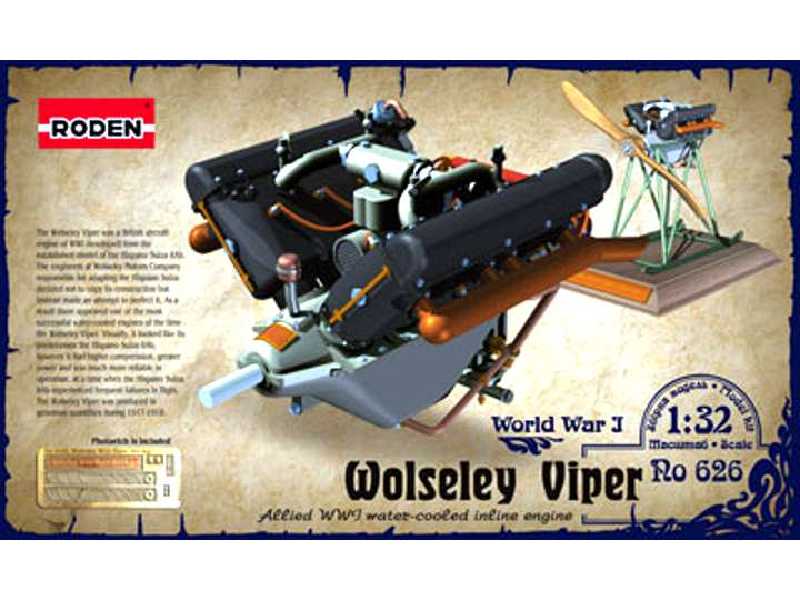
SE-5 Wolseley Viper Engine

  • Thread starter Thread starter JohnR
  • Start date Start date
  • Watchers Watchers 3
Joined
Aug 1, 2020
Messages
786
Points
298

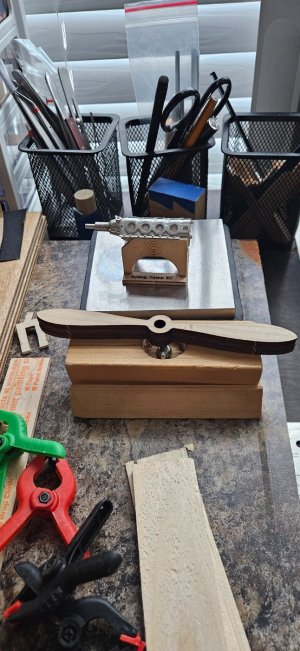
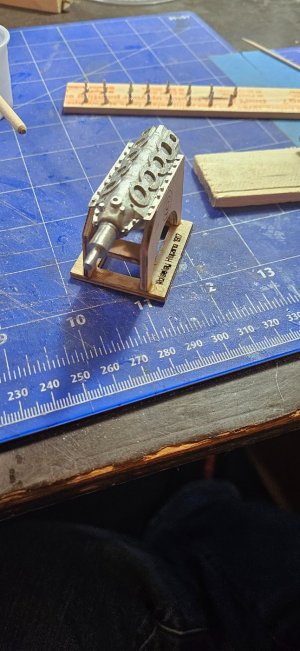
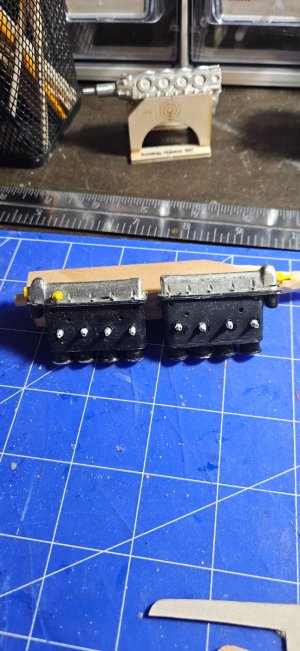
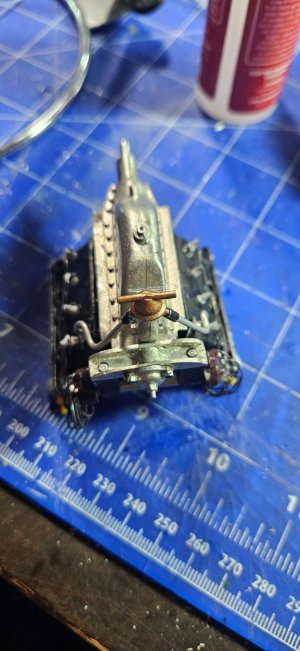
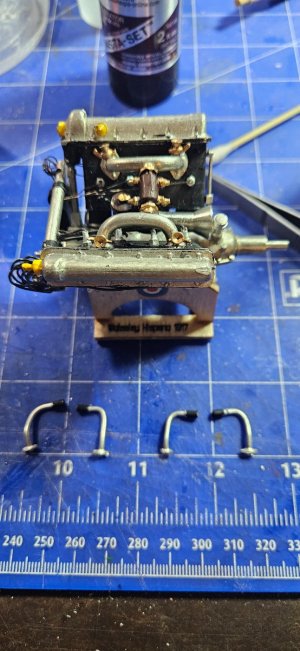
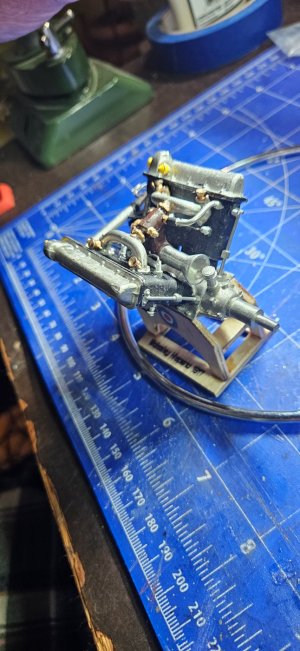
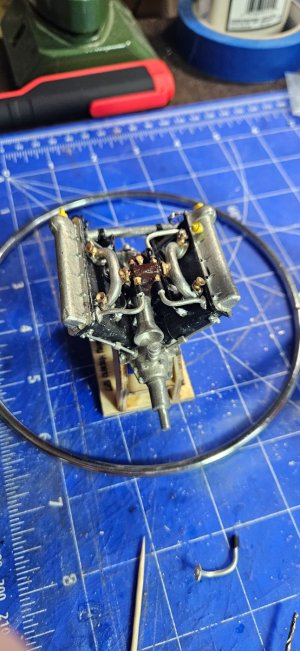
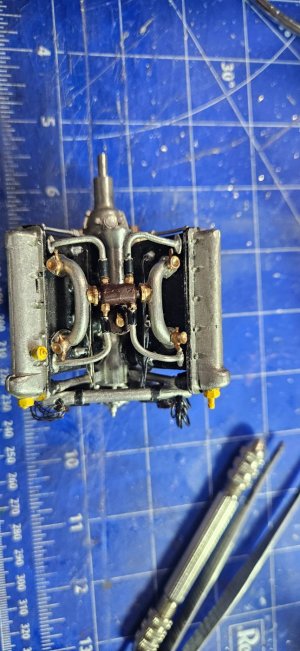
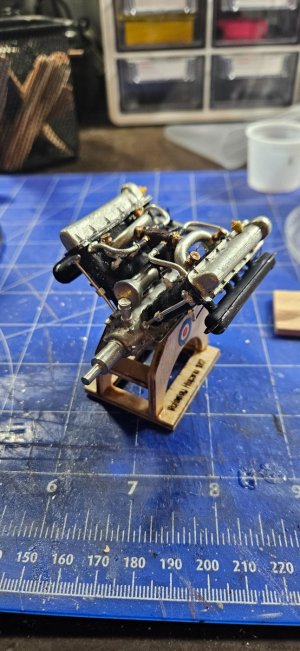
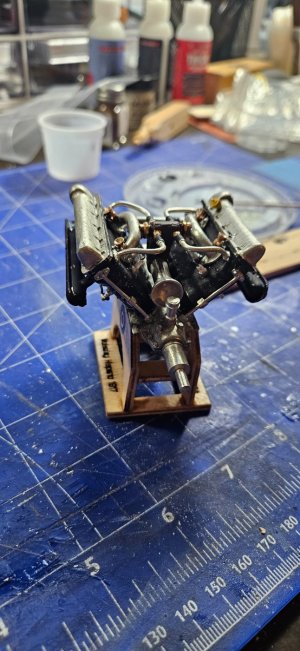
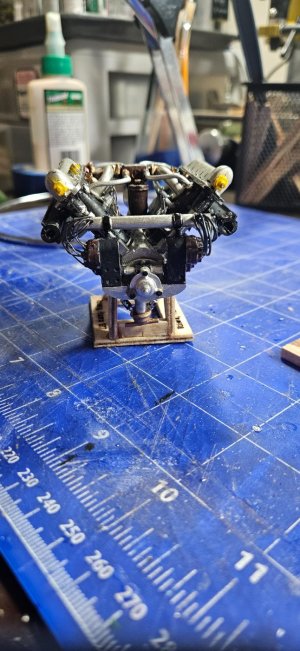
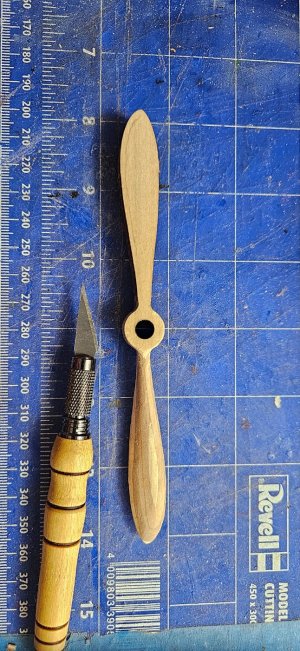
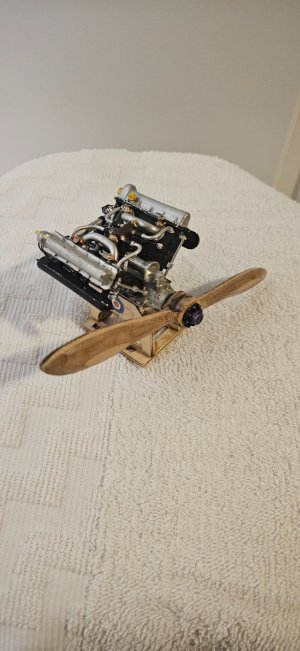
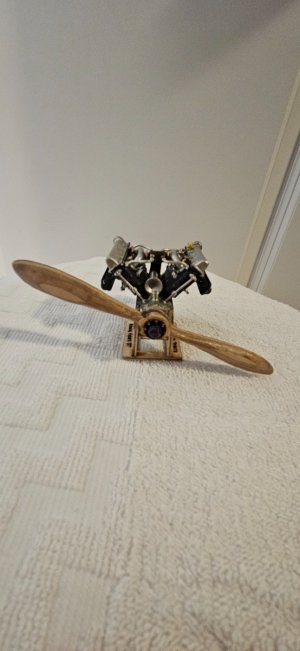
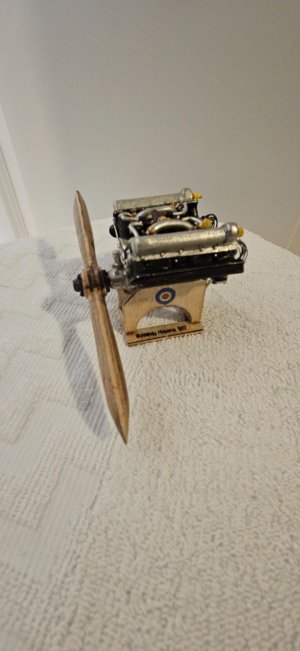
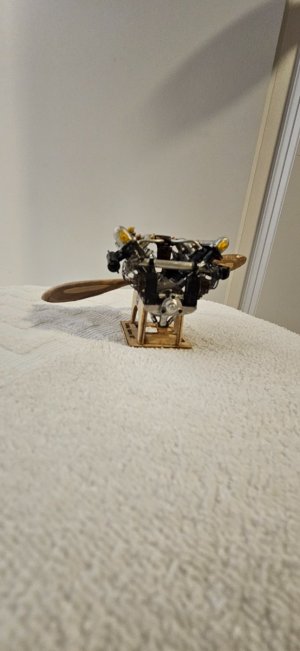
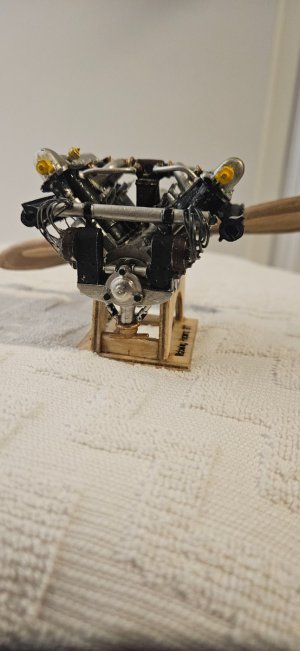
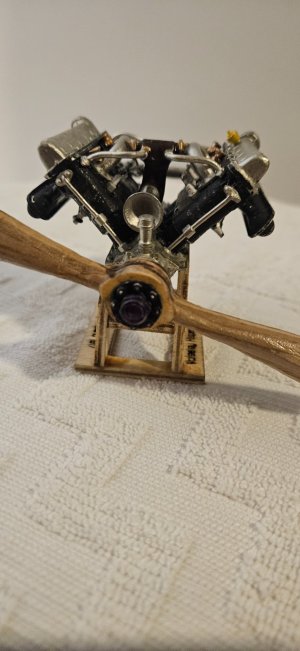
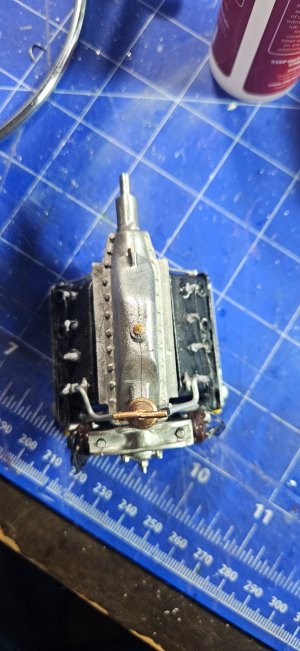
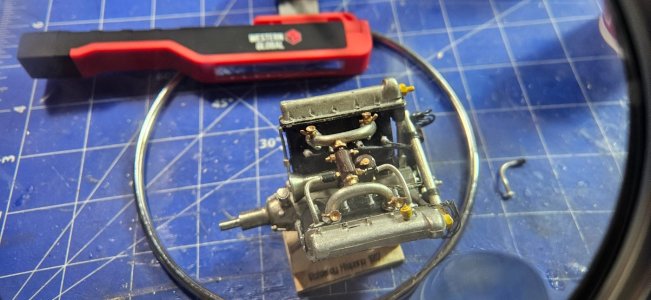
Started work on the Wolseley Viper engine a couple of days ago after taking a month to build a ukelele (fun build). So far I have the engine stand assembled, the crankcase assembled, the 2 cylinder stacks painted (with the spark plugs attached), and the propeller blanks glued together. Like all of the engines, there are lots of small parts to clean up and paint. Will work on this over the next few weeks; should have it completed by the end of February.

20260201_193228.jpg

20260131_080830.jpg20260131_152749.jpg20260201_193023.jpg
 
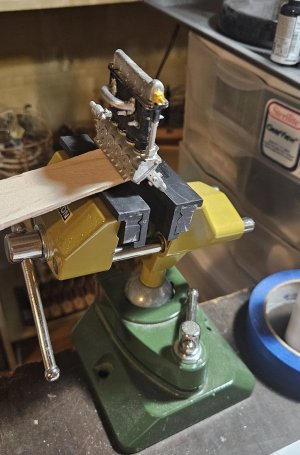
A lot of cleaning and painting of small parts so the engine will look nice on display. The 'V' angle of the cylinder heads on the engine body made it entertaining to hold the first set in place until the epoxy set enough to balance it on the vise until it was cured completely. Coming up - attaching the left side cylinder heads, carburetor assembly and relief valves to the engine body (followed by some more small parts}.

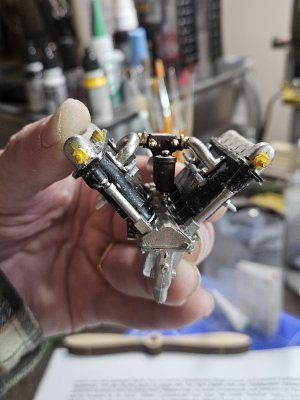
Intake pipes on cylinder heads (yes, a couple of the spark plugs are not exactly straight. They've been re-done a couple of times but I decided not to try again; they'll just be buried under the other parts of the engine once the spark plug wires are attached.

cylinder heads with intake manifolds.jpg

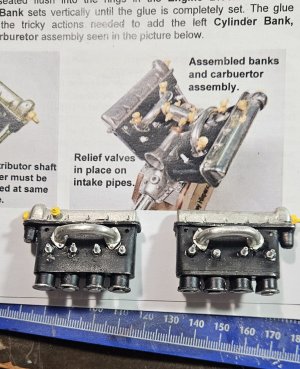
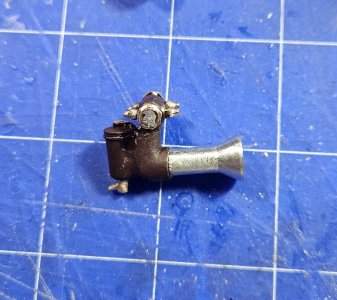
Carburetor assembly

carburetor and velocity stack.jpg

Right hand cylinder head assembly on the engine body (this is while the epoxy cured).

balancing the RH cylider head on the engine body.jpg
 
Something you might want to consider to provide a better look: TAMIYA Panel Line Accent.


View attachment 576473
Thanks for the info. A bit late for this build as I'm almost done but definitely good to have another source for paints, etc. I was able to find a source for the paints I remember from my youth (Testors; Hobby Lobby has them). While I'll stick with acrylics as much as possible, Testors has a nice line of metallics (clean up is with mineral spirits or acetone - both of which I have in the garage for other woodworking projects.). For any metal parts of future builds I'll probably use the Testors paints when I can't use sprays.
 
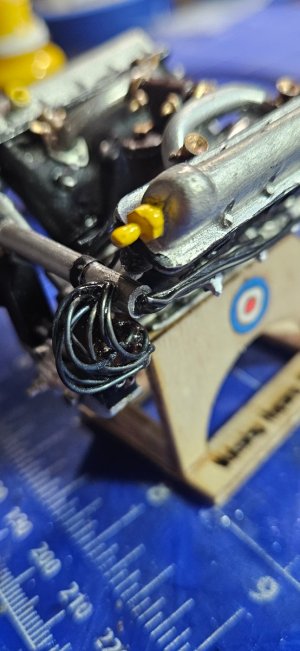
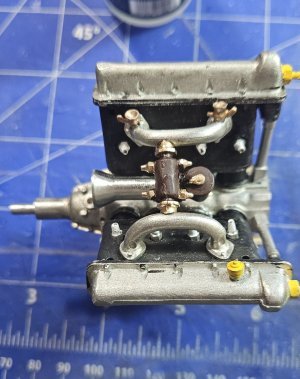
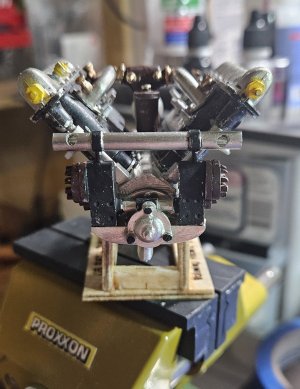
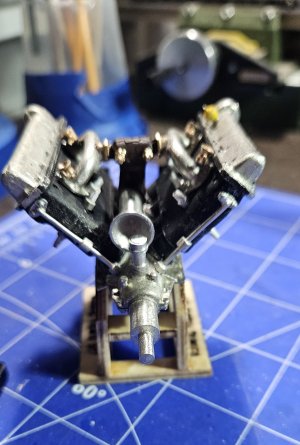
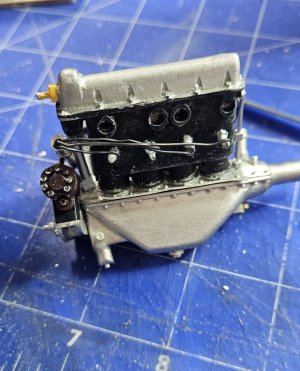
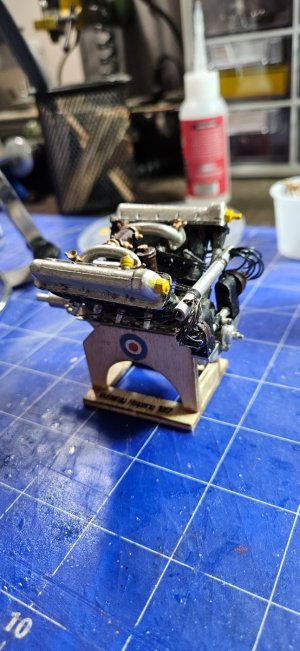
Assembled the left hand cylinder bank, carburetor and velocity stack. Assembled the magnetos and glued them to the rear of the engine. I drilled the holes in the spark plug wire support tube a bit deeper to make it easier to add the spark plug wires. Added the oil filler neck and the front oil drain lines; will get the rear oil drain lines later (they are on the inside of the vee). Added the 4 outboard spark plug wires to the left hand cylinder bank.

Adding the spark plug wires was a bit painful as the holes that were drilled in the ends of the spark plugs are not my best work (some are OK but some are not that straight and consequently are open on part of the circumference). To make sure all of the spark plug wires are adequately attached to the plug ends, the wire is occasionally wrapped around the end and then glued in place (a spot of white paint will be used to cover up this way of attaching the wires).

Brittania metal is difficult to drill, especially the smaller holes. I tried to avoid using the small Proxxon electric drill as much as possible to keep 'goofs' down to a minimum (it was needed for some holes, suchas those in the spark plug wire support tube, in order to get them deep enough). I used the pin drill with a 1.2 mm bit for the small holes; increasing to 1.6 mm to increase the diameter (which worked for all of the location pins). In a couple of instances I couldn't get the location hole deep enough without most likely doing damage to area being drilled; in these cases I filed down the locator pins so everything fit.

Holding the left hand cylinder bank, carburetor and velocity stack in place while the epoxy set.

Holging things in place.jpg

Left hand cylinder bank, carburetor & velocity stack in place on the engine.
LH cylinder head - carburetor - velocity stack.jpg

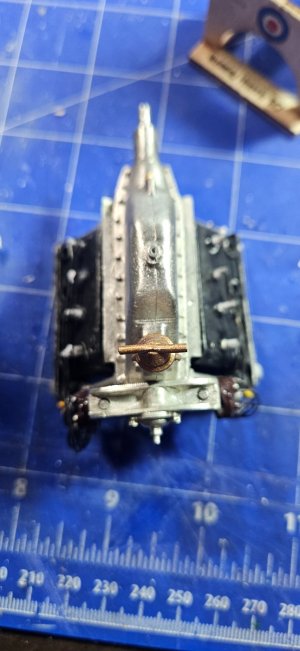
Magnetos in place on the rear of the engine.

magnetos in place - rear of engine.jpg

Oil filler and front oil drain lines in place.

oil filler - front oil drain lines - engine front.jpg

Left hand outboard spark plug wires in place. (Some white paint will be added to hide those wire ends that couldn't be attached into the holes in the plug ends.

LH outboard spark plug wires in place.jpg
 
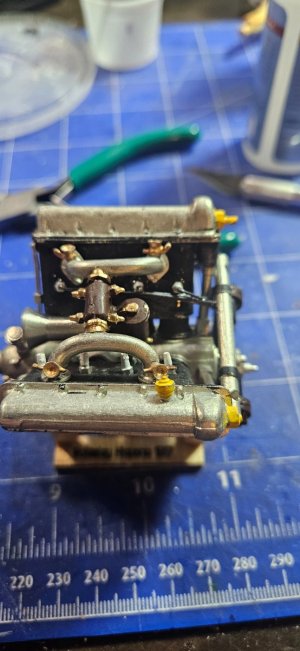
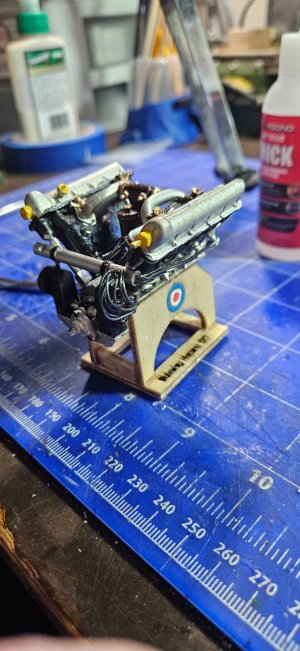
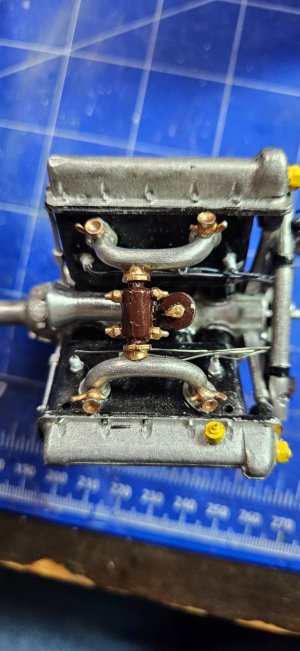
Finally have all of the LH spark plug wires - inboard, outboard and magneto - in place. Small space to work in, lots of bending, lots of CA; finished, but as you can tell from the pictures, definitely not the job of an Aircraft Engine Mechanic 1st Class. Hope I have enough wire to complete the RH side (time to look in the left over stash from prior kits).

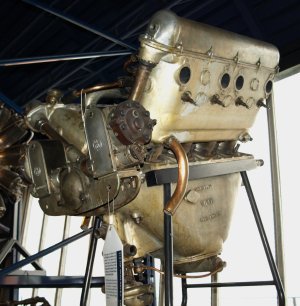
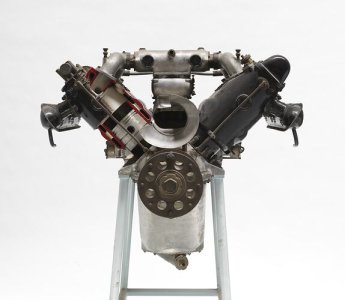
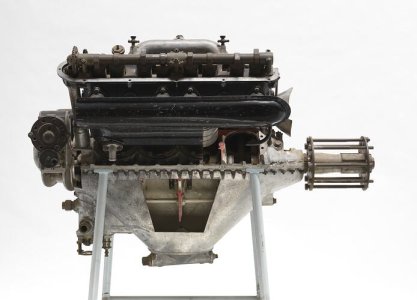
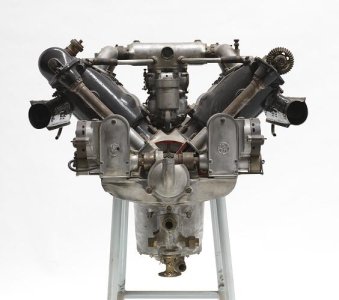
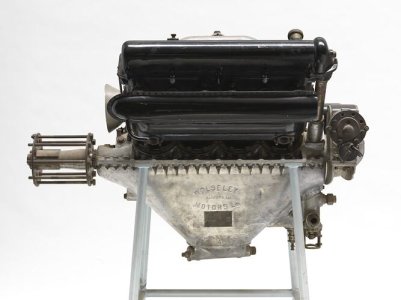
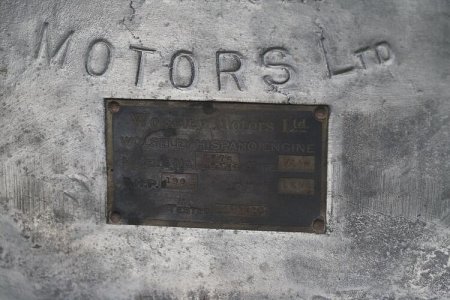
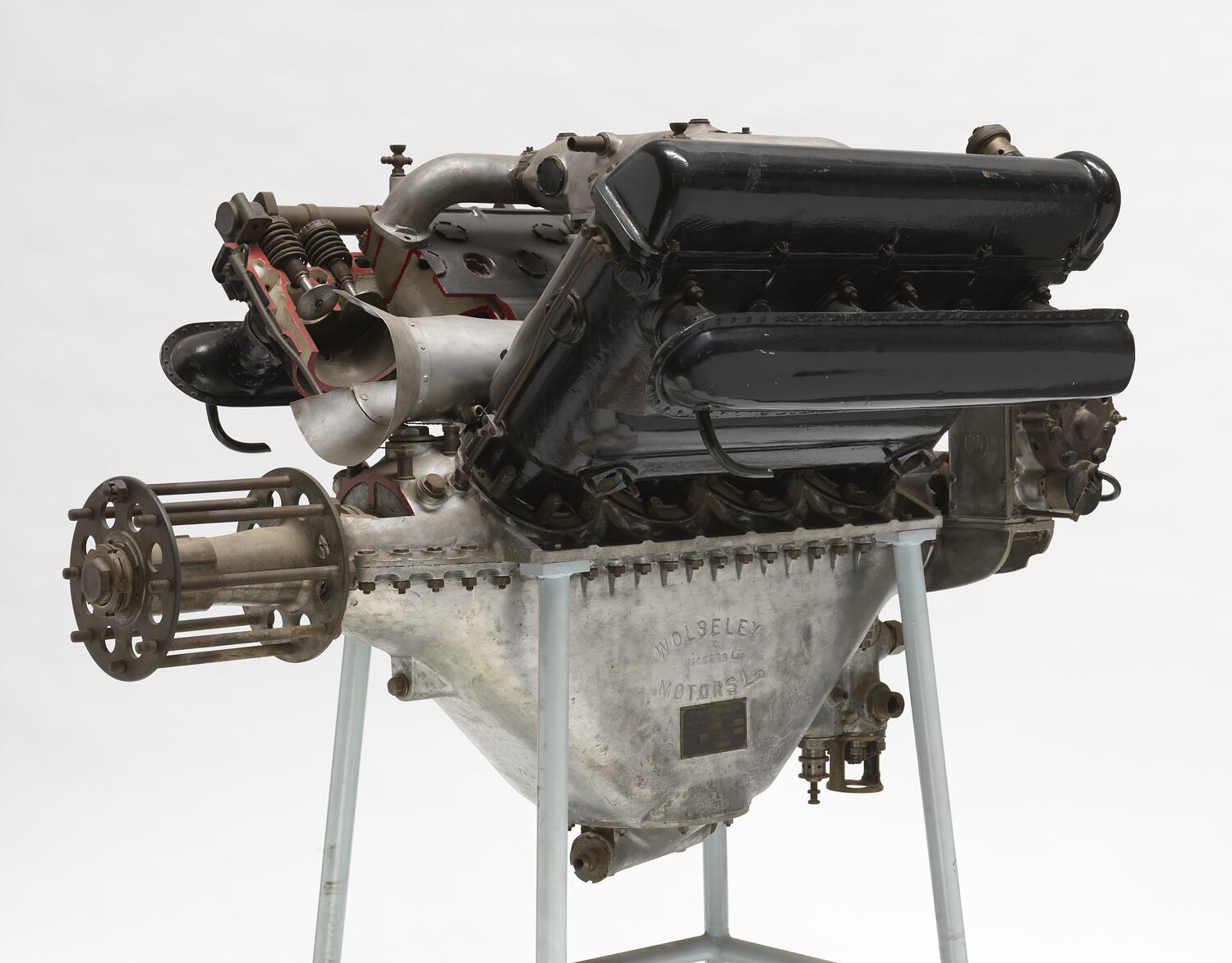
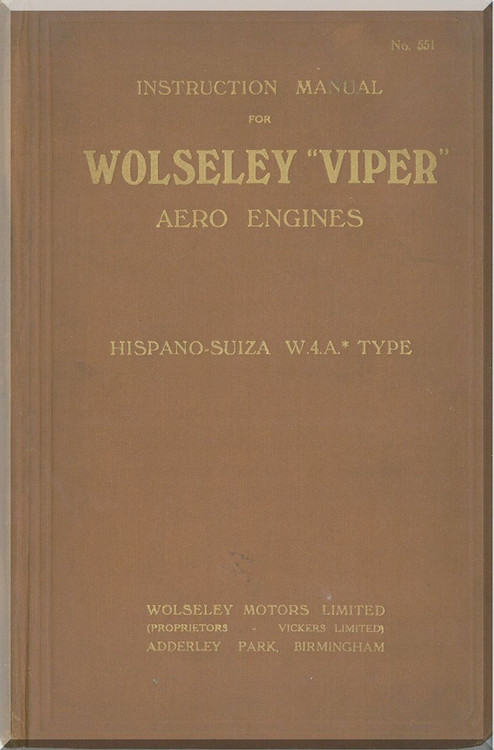
While taking a break from the model work earlier this week I took the time to do some research. There is not a whole lot out there but I did finally manage to locate some photos of the rear an engine that is (or was) on display in the Science Museum London, UK as well as some pictures of a cutaway engine (circa early 1920s) from a museum in Victoria, Australia. There is also a plastic model of the engine that I found (not sure if it is still available) and a 3D blog site with information on this model, a larger version built under license by Wright-Martin, and the Clerget 9B engine. The basic information on the engine is available on Wikipedia and a couple of other sites. One interesting item turned up is that many of this engine model, and the larger Wright-Martin version, were converted in the 1920s to coil ignition by a firm in Minnesota and used in racing boats.

Websites:


(the larger Martin version is at https://mbiqmodels.com/engines/hispano-suiza-8f-scratch-built-18/ ; the Clerget 9B can be found under the Engine tab at the top of the blog site)


https://collections.museumsvictoria.com.au/items/399884 (digging into the website, it seems that the engine is in storage and not on display)

****** PICTURES ******

Top view, LH inboard ignition wires
20260212_083841.jpg

Ignition wires installed at LH magneto
20260213_074743.jpg20260213_075014.jpg

Engine in Science Museum London, UK

Wolseley Viper (rear view - Wolseley Viper aircraft engine at the Science Museum, London 2009).jpg

Engine on display, Museums Victoria, Australia
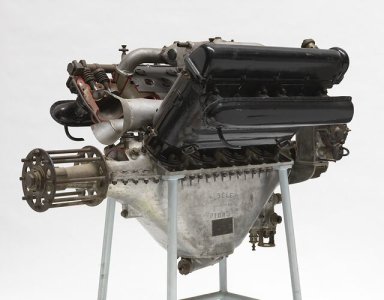
Museum Victoria Australia (1).jpgMuseum Victoria Australia (2).jpgMuseum Victoria Australia (3).jpgMuseum Victoria Australia (4).jpgMuseum Victoria Australia (5).jpgMuseum Victoria Australia (6).jpg
 
Back
Top