Excellent practice.I keep my tools (Allen wrench) and spare parts for my Byrnes thickness sander handy and not lost using a small plastic jar, a piece of scrap framing stock and free sample thick double sided tape:
View attachment 558050

 |
As a way to introduce our brass coins to the community, we will raffle off a free coin during the month of August. Follow link ABOVE for instructions for entering. |
|
 |
The beloved Ships in Scale Magazine is back and charting a new course for 2026! Discover new skills, new techniques, and new inspirations in every issue. NOTE THAT OUR NEXT ISSUE WILL BE MARCH/APRIL 2026 |
|
Excellent practice.I keep my tools (Allen wrench) and spare parts for my Byrnes thickness sander handy and not lost using a small plastic jar, a piece of scrap framing stock and free sample thick double sided tape:
View attachment 558050





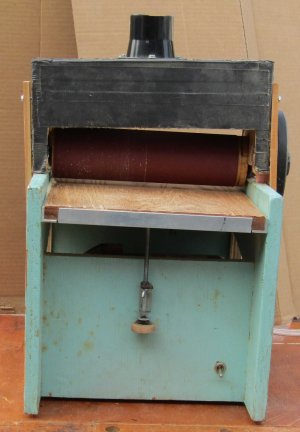
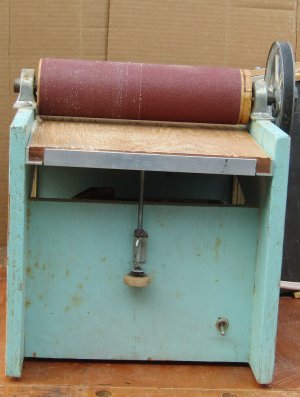
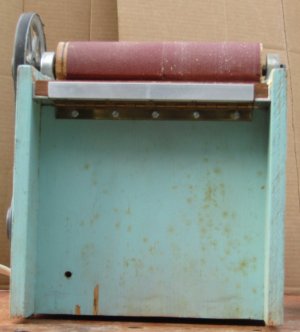
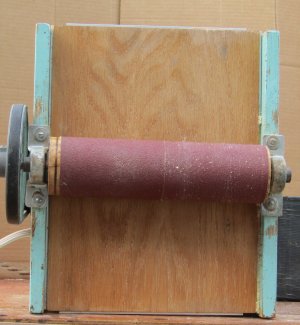
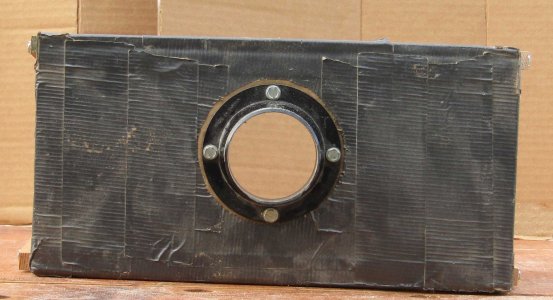
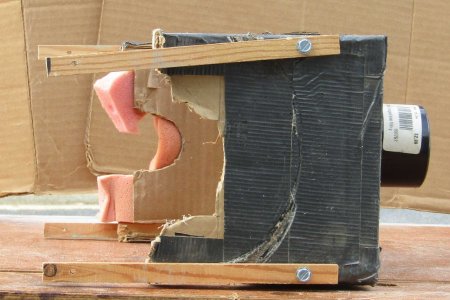
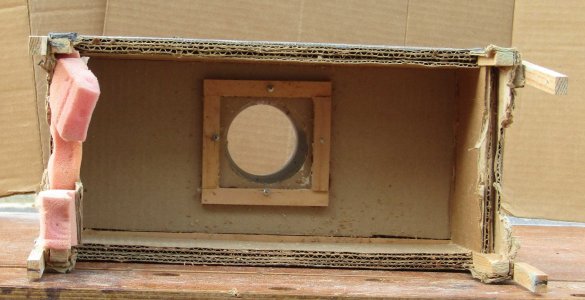
Thank you for the complement. It does use a whole lot of Titebond.The hood is genius. Simple, easily adapted to fit any shape, cheap and totally functional. I like it.

A Jet 10/20 thickness sander. Do you find it worth the money? $ 1000 is a lot of money to have it take up shop space. I like the cabinet you built for it too. I see a Byrnes sander in the background. Is that a DIY sled and fence on it? The little bit I see, "What a great shop space". Is that walnut under the "Eanosic gages? I could ask questions for hours.I have the Byrns thickness sander but I found it difficult use and to get a consistent finish!! I ended up with the (Jet 10/20) it's small enough but will get the job done and save you a lot of time!!! I'm very happy with it so far, only thing is you have to play with the tracking on the feed table belt every so often, other than that it works fantastic!!!!
View attachment 557098
View attachment 557099
View attachment 557100
View attachment 557101

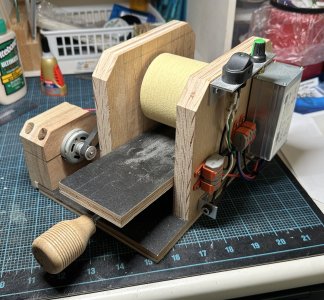
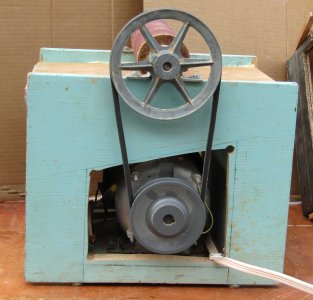
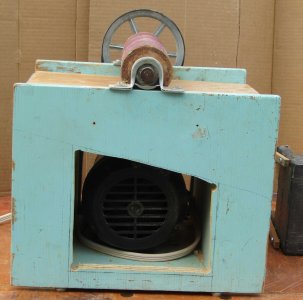
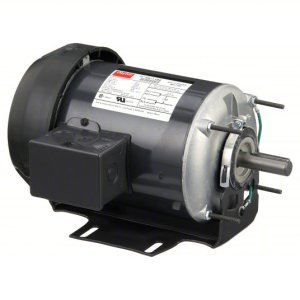
If you are going to have long sessions, do you have any concerns about the motor overheating with it being encased in wood?The motor is from an old cordless drill,
The ports on the sides are uncovered so it is able to vent. I checked it after running for quite a while and it didn’t seem noticeably warm.If you are going to have long sessions, do you have any concerns about the motor overheating with it being encased in wood?
Unless you are going to do this outside - you will find that the volume of sawdust will be a problem unless it is extracted at its source.
Yep, I used your plans and for your sharing I am truly thankful. Building it was fun, using it, a joy especially now that it has extraction.I build one for myself and even sold it. Have to build a new one when needed. It works perfect, just find a motor that's strong enough. That is the problem with the marks on the wood. It is a sander, take your time not to sand to much wood (to deep) at once. When you adjust to strong, then you have to pull hard, but when you adjust smal the feed is much easier and no marks in the wood.
Just look here for my machine https://shipsofscale.com/sosforums/threads/drum-sander-thickness-sander-diy-with-plans.10325/ there are a lot of people who build it with the plans. And I didn't get any complains. Feel free to use the plans.
Like I said, I need to build a new one, already got a big motor for it.


Great to hear, thanksYep, I used your plans and for your sharing I am truly thankful. Building it was fun, using it, a joy especially now that it has extraction.