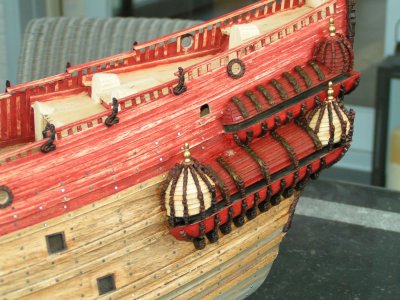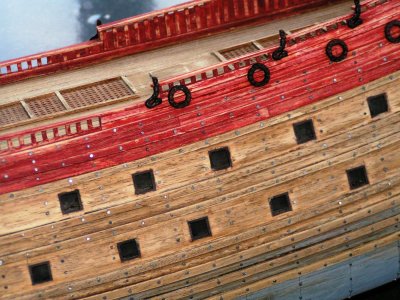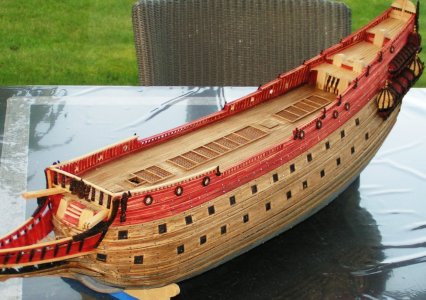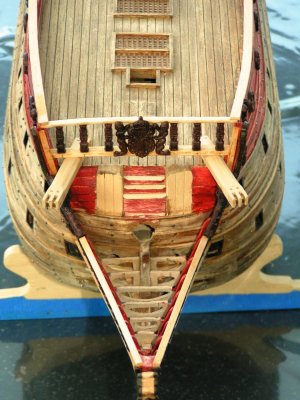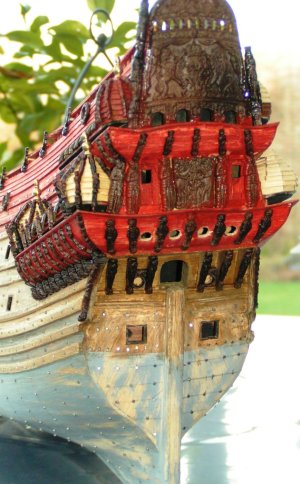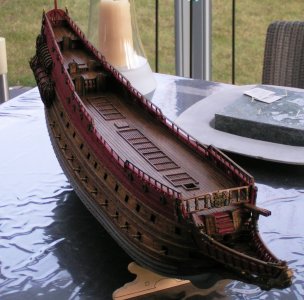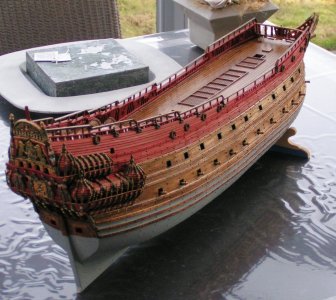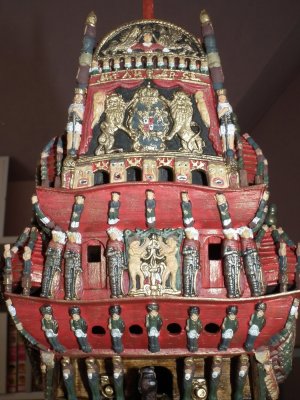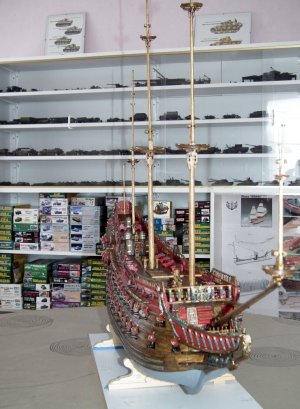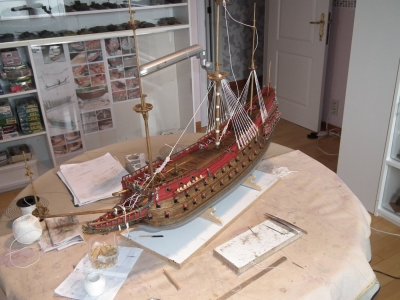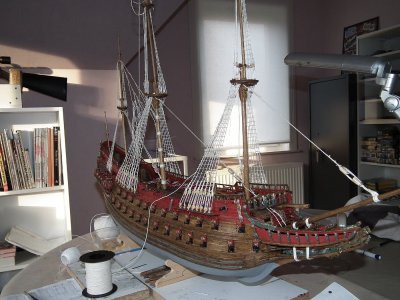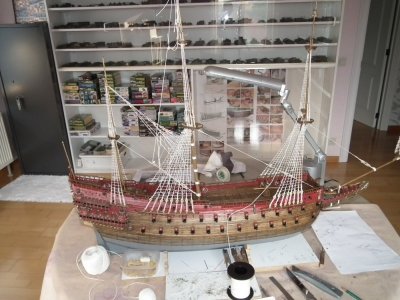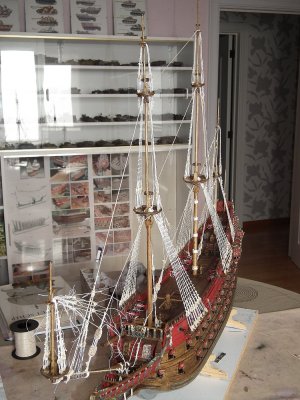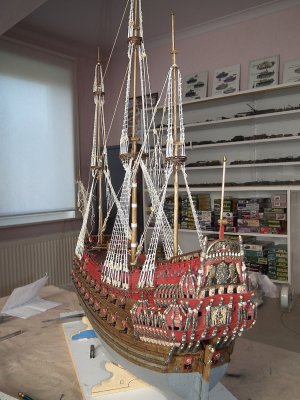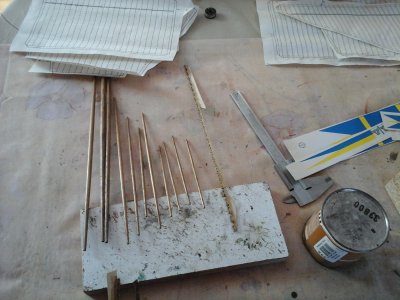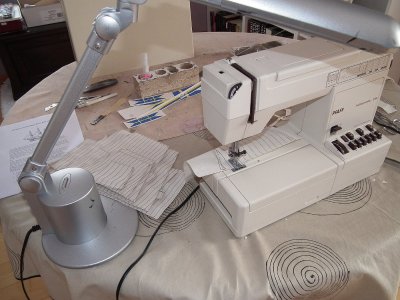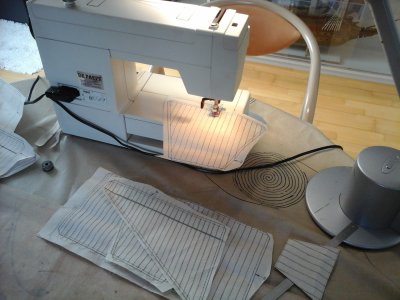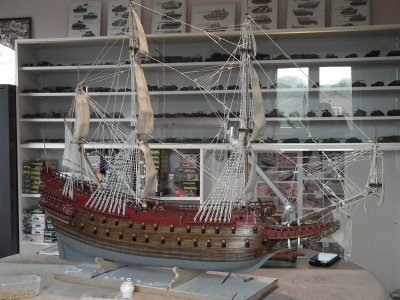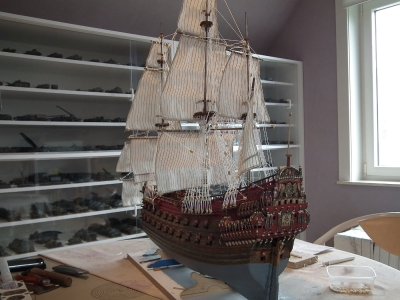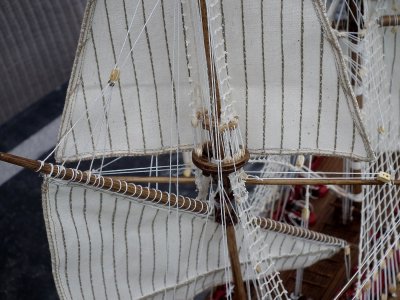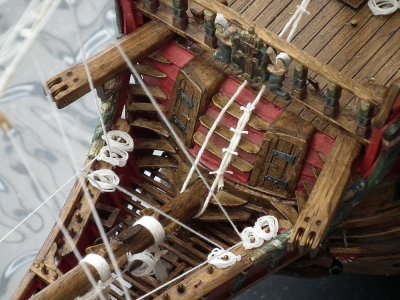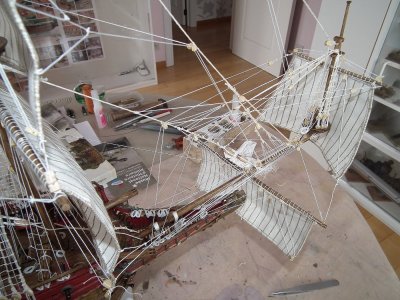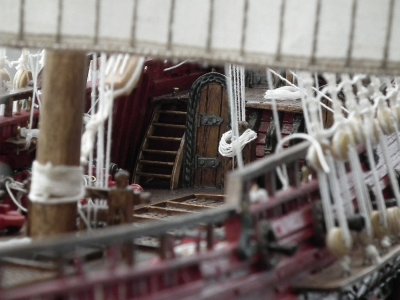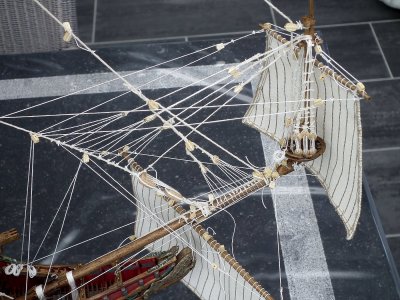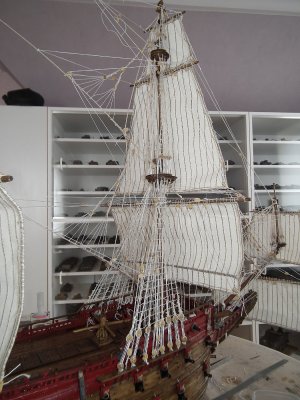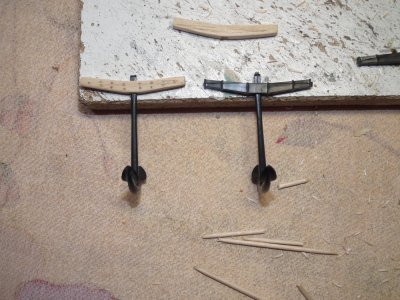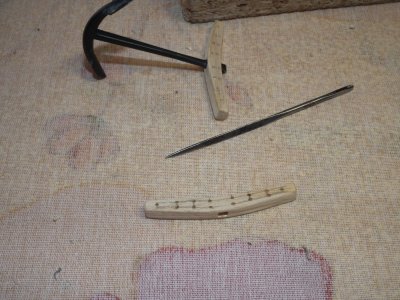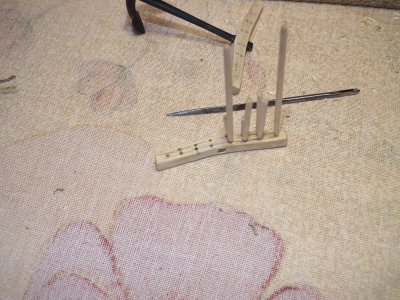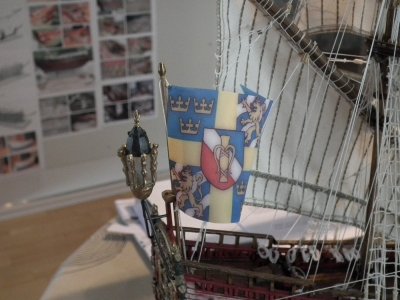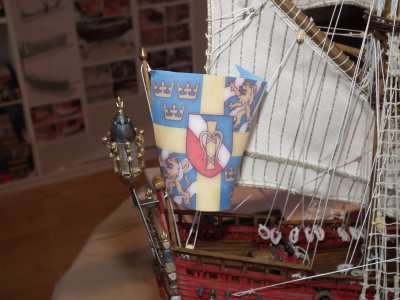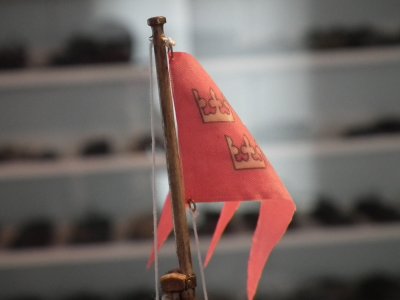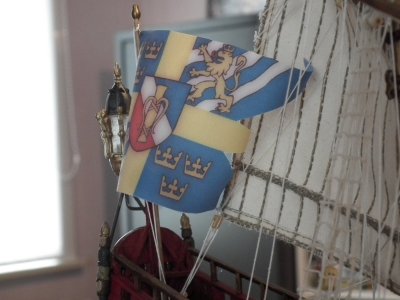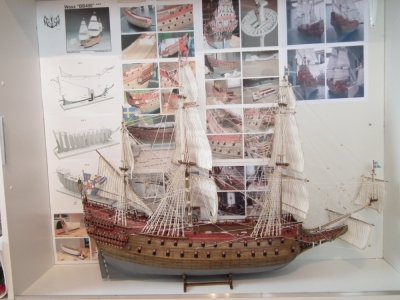





The history of this kit begins in the 1980s.
A colleague from work had bought it, started it up, and passed it on to another colleague. He found it much too difficult and traded it to me for a few comic books.
The box and the partially built model then lay in my attic until about 2005.
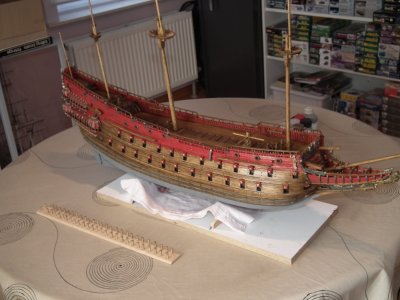
Construction started then and lasted until 2016; at that time, military model building was still my main interest.
Given that it was my first wooden model, the result was not really to my liking. Also, due to lack of space, the model was sold.
So, I learned a lot from this model, and it even yielded some profit.
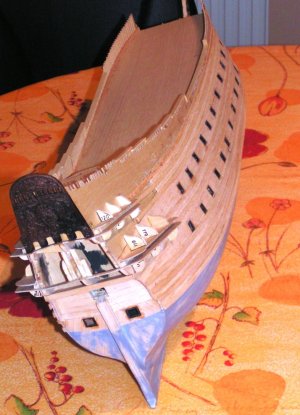
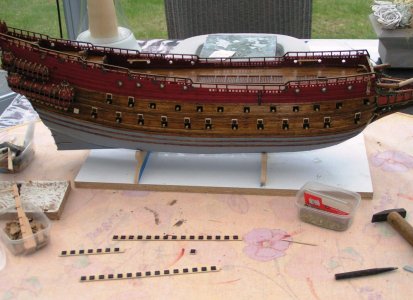
In 2005, I didn't have a smartphone, and forums were unknown to me. So, the first photos only started once the hull is partially built.
A build log was started on MSW in 2016.
At the request of @Bobby K. a reconstruction with photos and what I still remember is started
Billings instructions are mostly followed.
Modifications
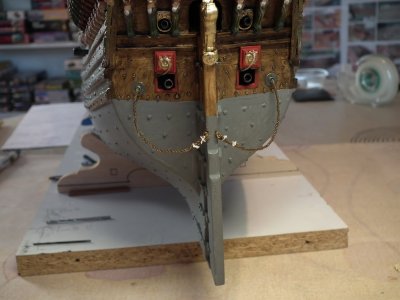
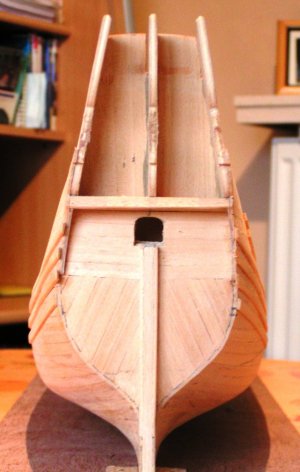
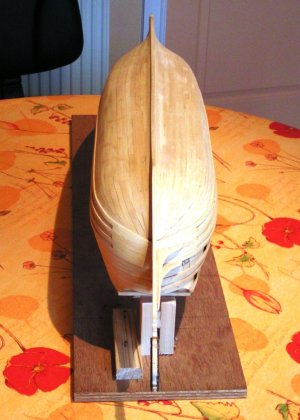
The keel and bow sections are made of solid wood.
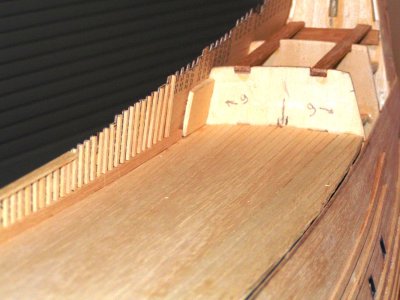
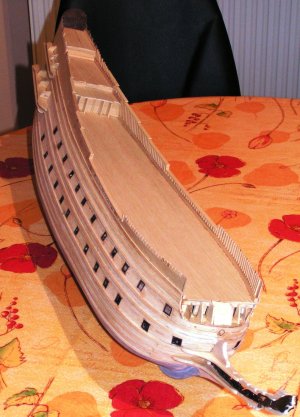
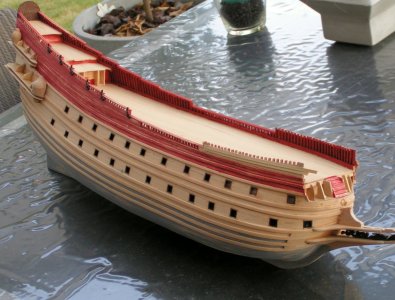
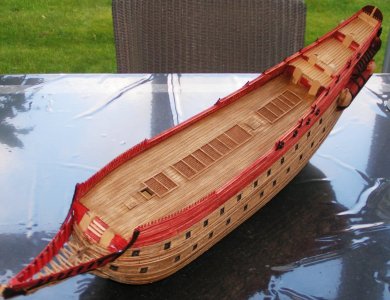
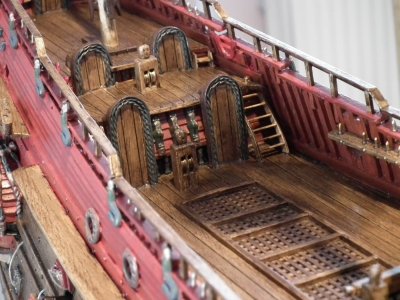
The plywood deck, with the printed planking, has been replaced by a prefabricated solid wood section.
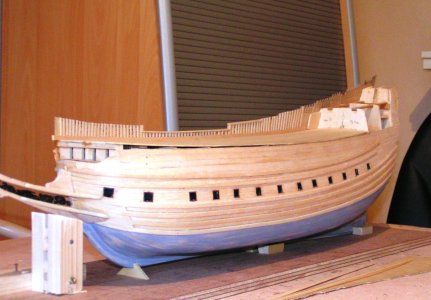
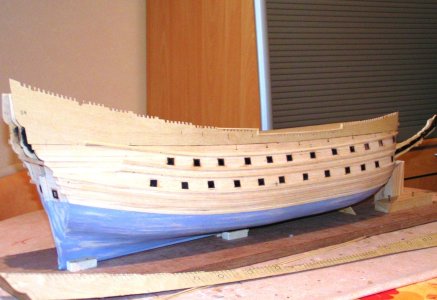
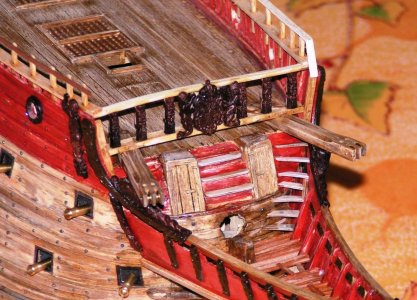
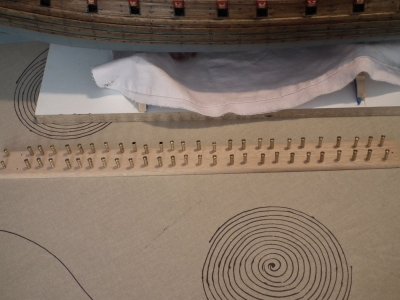
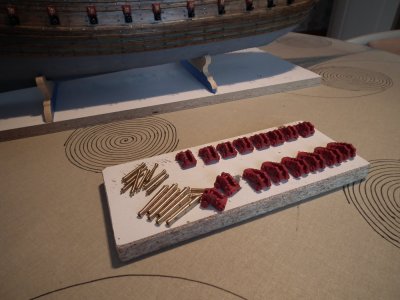
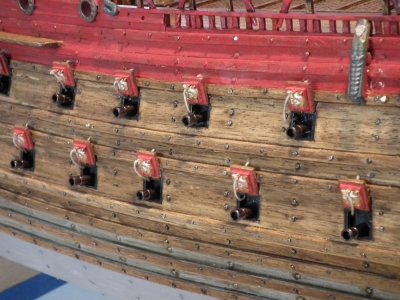
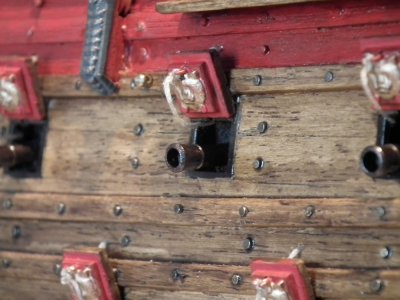
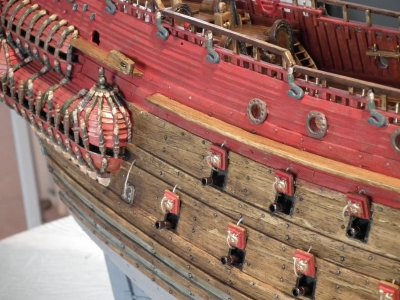
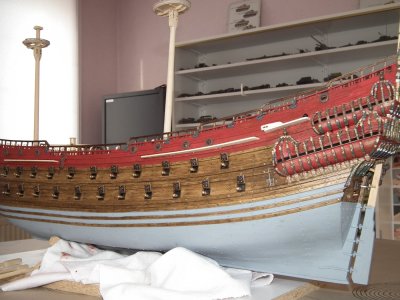
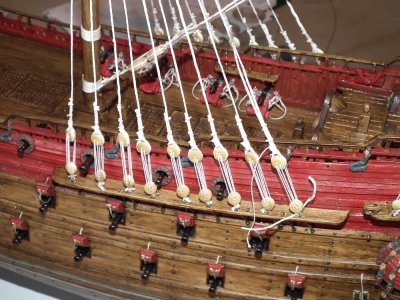
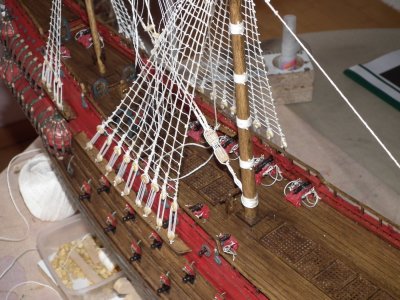
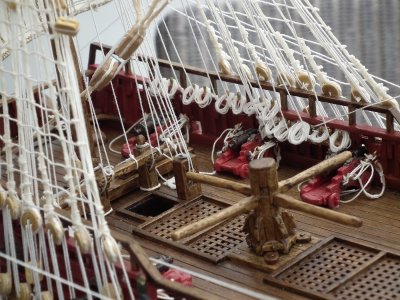
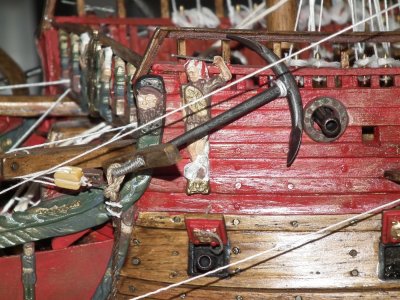
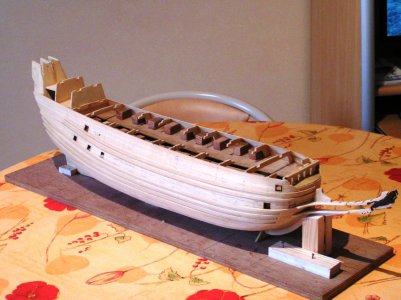
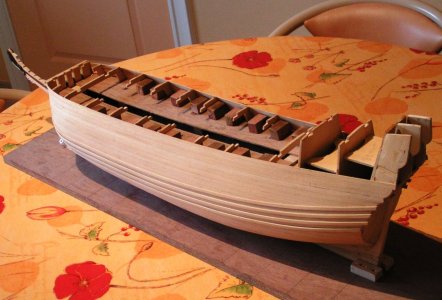
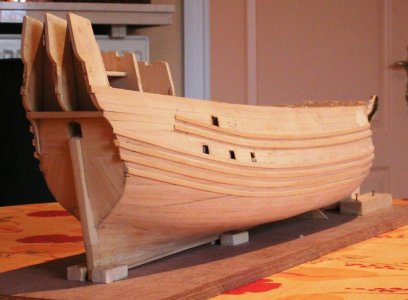
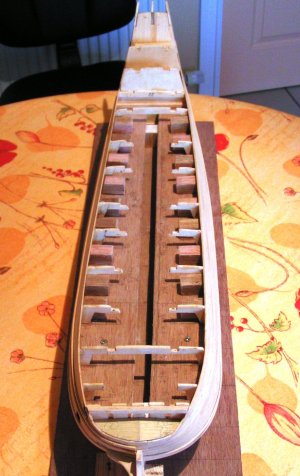
According to the kit instructions, gunports are supposed to be glued to the hull. I did not think this was a good idea, so they were placed inside the hull. Wooden blocks were glued into the hull as support for the half-cannons. This later proved to be an awkward solution and not one I would repeat.
A colleague from work had bought it, started it up, and passed it on to another colleague. He found it much too difficult and traded it to me for a few comic books.
The box and the partially built model then lay in my attic until about 2005.
Construction started then and lasted until 2016; at that time, military model building was still my main interest.
Given that it was my first wooden model, the result was not really to my liking. Also, due to lack of space, the model was sold.
So, I learned a lot from this model, and it even yielded some profit.
In 2005, I didn't have a smartphone, and forums were unknown to me. So, the first photos only started once the hull is partially built.
A build log was started on MSW in 2016.
At the request of @Bobby K. a reconstruction with photos and what I still remember is started
Billings instructions are mostly followed.
Modifications
The keel and bow sections are made of solid wood.
The plywood deck, with the printed planking, has been replaced by a prefabricated solid wood section.
According to the kit instructions, gunports are supposed to be glued to the hull. I did not think this was a good idea, so they were placed inside the hull. Wooden blocks were glued into the hull as support for the half-cannons. This later proved to be an awkward solution and not one I would repeat.