- Joined
- Jan 9, 2020
- Messages
- 10,741
- Points
- 938

Hi Waldemar
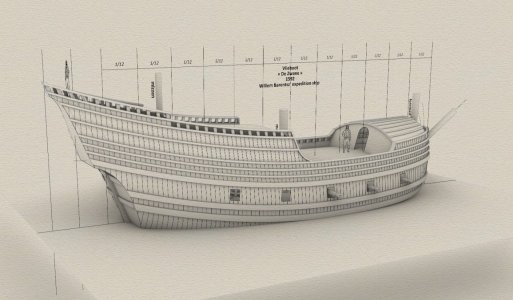
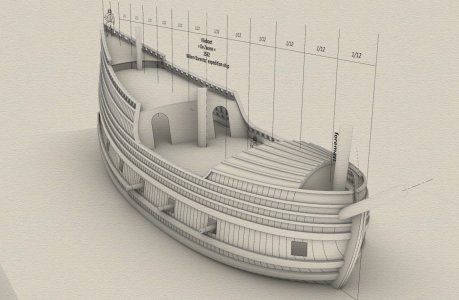
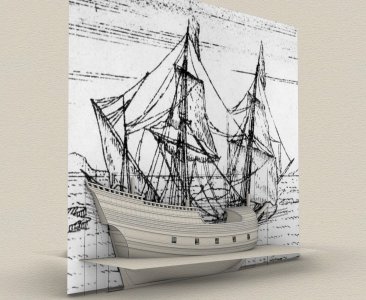
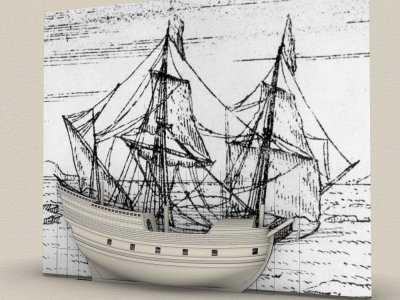
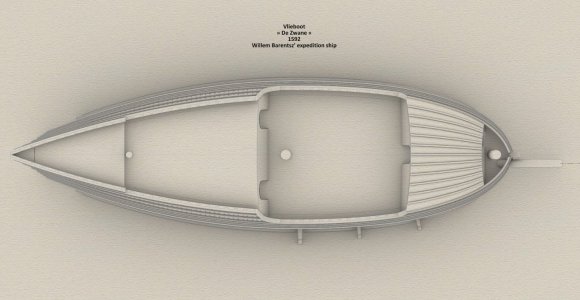
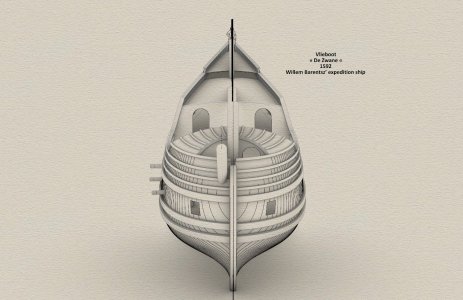
The openwork railings on the half-and poop deck, is such a nice touch and rounds-off the appearance beautifully. I have always wanted to do this on my builds and yet, I have always omitted them. Even though it means more work for the builder, this is something that I will not leave out again.
There is no need to include items such as the gratings, belaying racks and knechten - I have a very good idea where those should go, what they looked like and how they were constructed. Luckily, items such as the windlass and the mooring bitts - which have always been a bone of contention in my previous builds - have now been negated by the fact that De Zwane had a capstan!
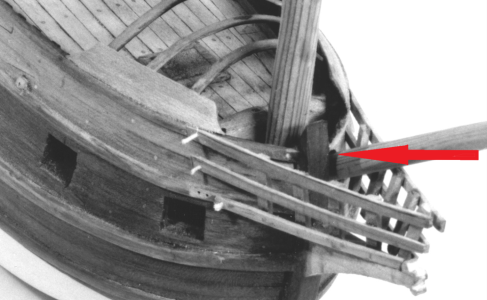
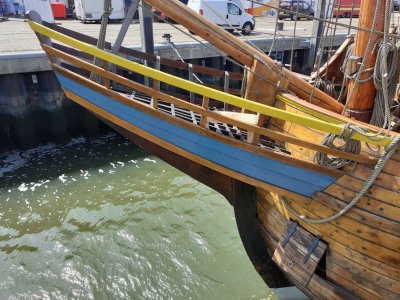
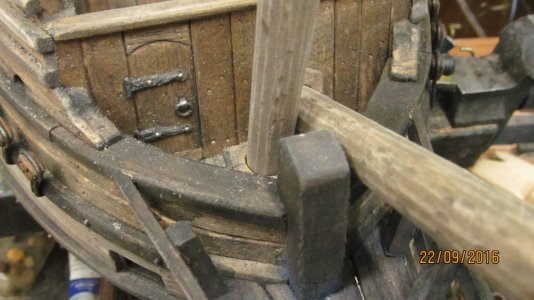
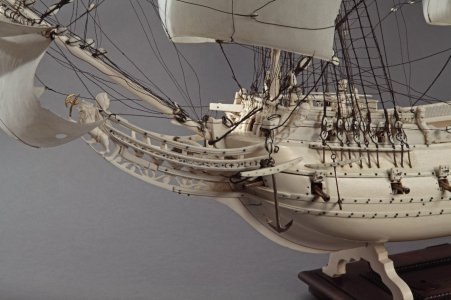
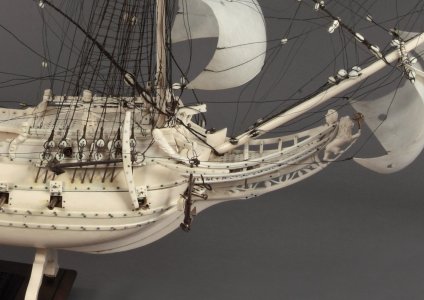
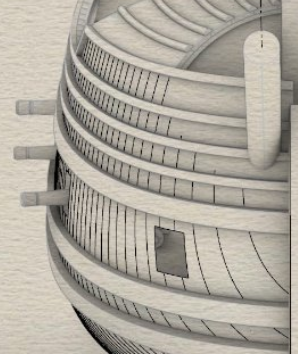
The beakhead is an interesting one. I want to point out here @-Waldemar- rationale behind the beakhead as he explained it to me:
Over the last few days, I’ve been looking through dozens and hundreds of different period illustrations in search of technical details and the specific shapes of beakheads from that era. On top of that, the challenge lies in elegantly synchronising the lines of the beakhead with the hull’s shapes and its wales. This is a very eye-catching feature of the ship, and I want its design not only to convincingly reflect what is seen in the iconography, but also to look sufficiently attractive given its visually prominent position. I don’t want to settle for the oversimplified, rather makeshift solutions found in previous reconstructions.
This is actually the one item which in position and configuration is displayed fairly consistently in the iconography i.e. the top railing of the beakhead follows the line of the ship's "potdeksel"(upper railing)
The color-enhanced picture below may be of some help.
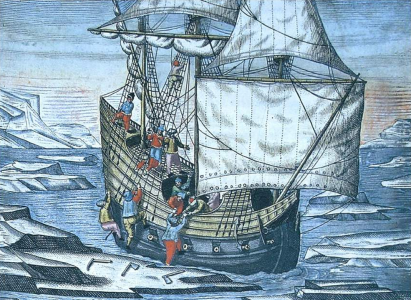
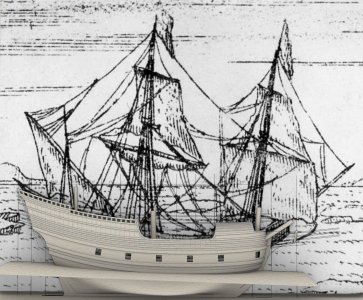
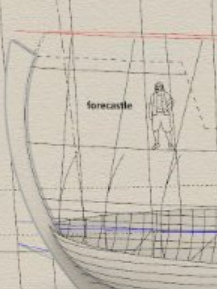
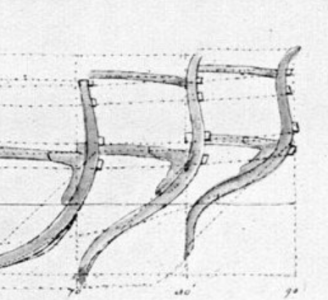
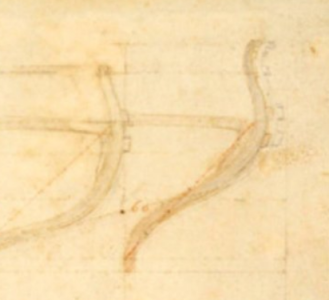
Also, the next two etchings which show the ship after deconstruction of the forecastle and beakhead (these materials were used to construct Het Behouden Huys), may offer some assistance with regards to the exact position and angle of the beakhead.
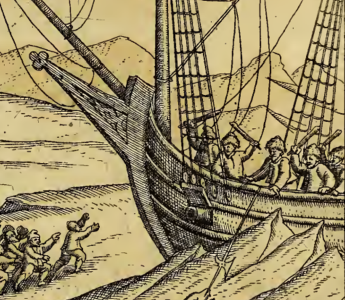
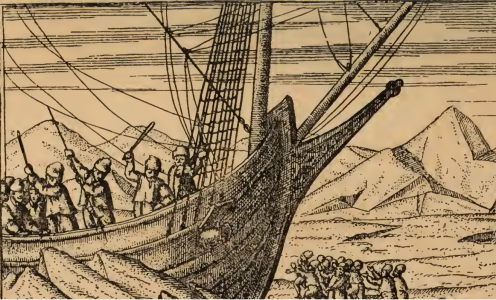
The caveat, of course, is that these illustrations refer to Barentsz's ship and not to De Zwane.
What I do know though is that the final result that Waldemar comes up with will be convincing on all fronts. (No pressure! )
)
The openwork railings on the half-and poop deck, is such a nice touch and rounds-off the appearance beautifully. I have always wanted to do this on my builds and yet, I have always omitted them. Even though it means more work for the builder, this is something that I will not leave out again.
There is no need to include items such as the gratings, belaying racks and knechten - I have a very good idea where those should go, what they looked like and how they were constructed. Luckily, items such as the windlass and the mooring bitts - which have always been a bone of contention in my previous builds - have now been negated by the fact that De Zwane had a capstan!
The beakhead is an interesting one. I want to point out here @-Waldemar- rationale behind the beakhead as he explained it to me:
Over the last few days, I’ve been looking through dozens and hundreds of different period illustrations in search of technical details and the specific shapes of beakheads from that era. On top of that, the challenge lies in elegantly synchronising the lines of the beakhead with the hull’s shapes and its wales. This is a very eye-catching feature of the ship, and I want its design not only to convincingly reflect what is seen in the iconography, but also to look sufficiently attractive given its visually prominent position. I don’t want to settle for the oversimplified, rather makeshift solutions found in previous reconstructions.
This is actually the one item which in position and configuration is displayed fairly consistently in the iconography i.e. the top railing of the beakhead follows the line of the ship's "potdeksel"(upper railing)
The color-enhanced picture below may be of some help.
Also, the next two etchings which show the ship after deconstruction of the forecastle and beakhead (these materials were used to construct Het Behouden Huys), may offer some assistance with regards to the exact position and angle of the beakhead.
The caveat, of course, is that these illustrations refer to Barentsz's ship and not to De Zwane.
What I do know though is that the final result that Waldemar comes up with will be convincing on all fronts. (No pressure!
)