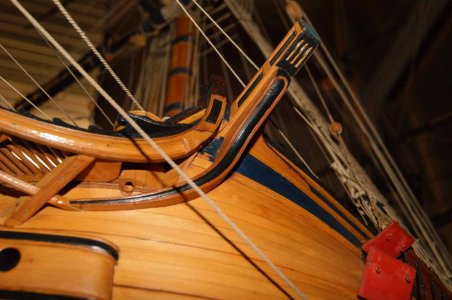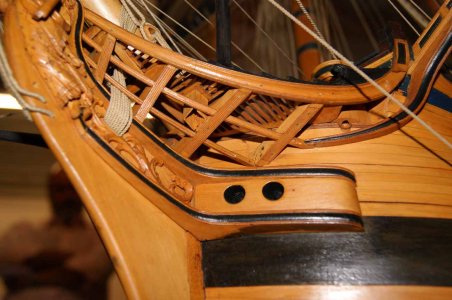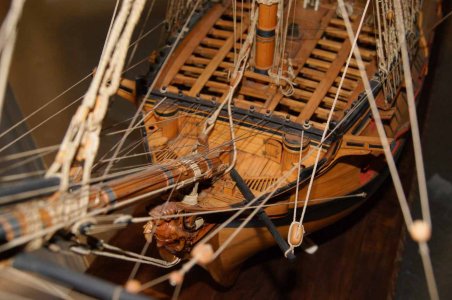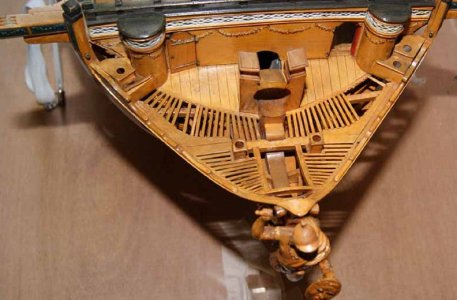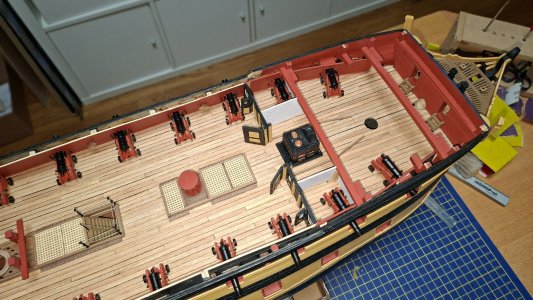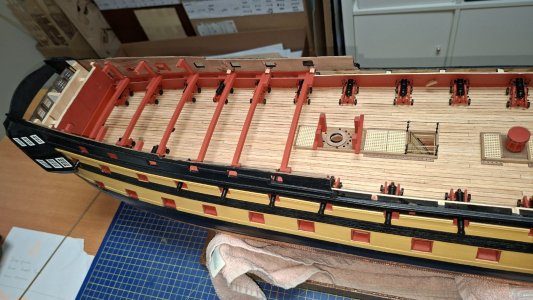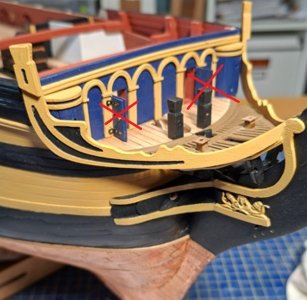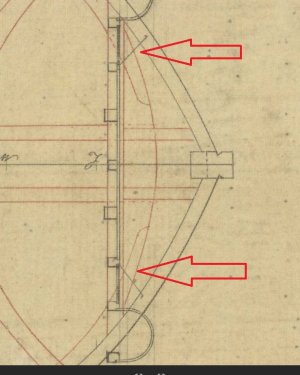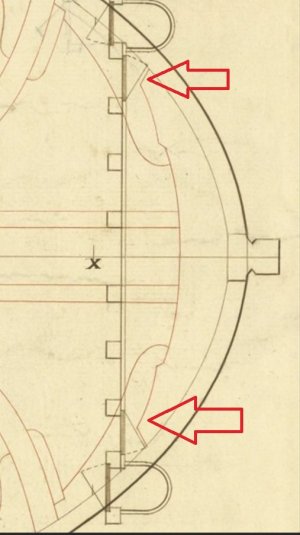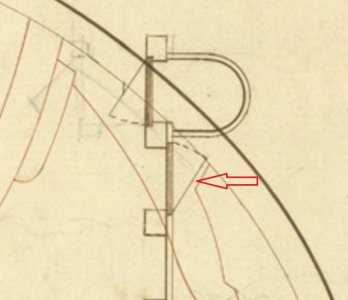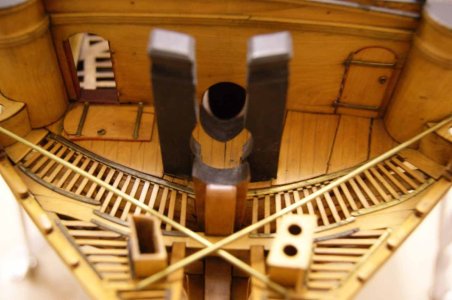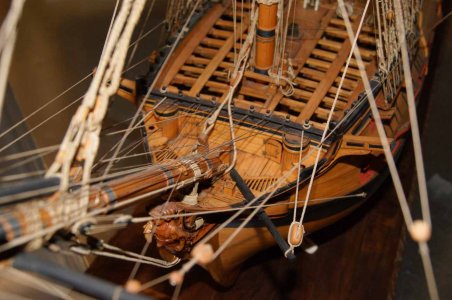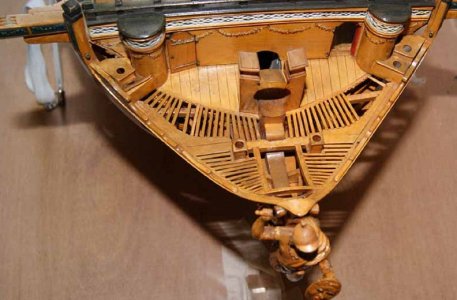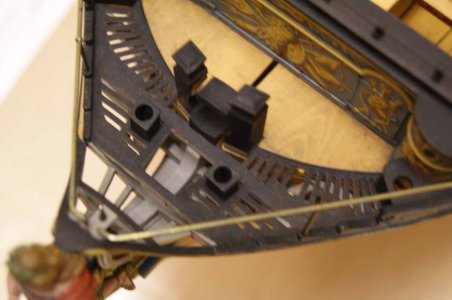


Good for you. It is a shame the kit designer did not do the research to get it right in the first place.I will ignore Caldercraft's building instructions (eg the position).
Allan

 |
The beloved Ships in Scale Magazine is back and charting a new course for 2026! Discover new skills, new techniques, and new inspirations in every issue. NOTE THAT OUR NEXT ISSUE WILL BE July/August 2026 |
|
 |
As a way to introduce our brass coins to the community, we will raffle off a free coin during the month of August. Follow link ABOVE for instructions for entering. |
|
Good for you. It is a shame the kit designer did not do the research to get it right in the first place.I will ignore Caldercraft's building instructions (eg the position).


Thx Allan...It is great to see that you used the two layers between the cheeks as shown on the contemporary plans.
Allan


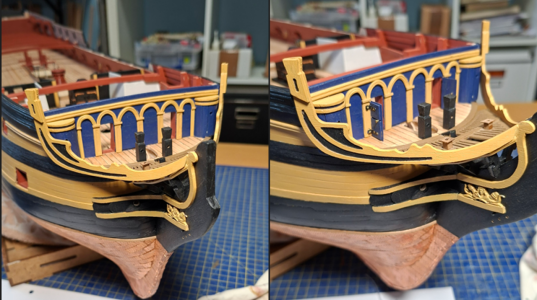
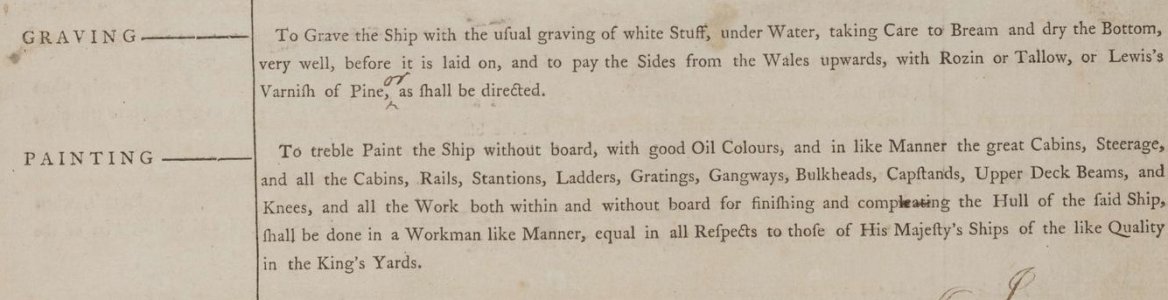
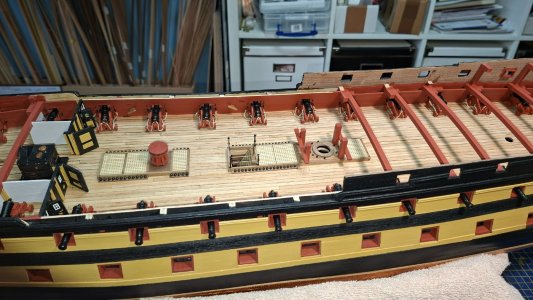
I had not seen beams and knees painted
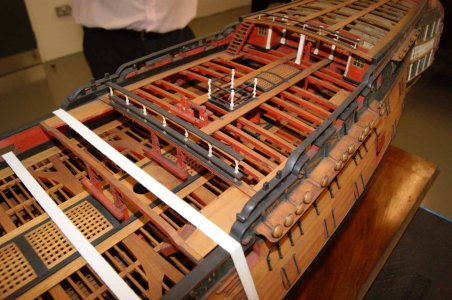
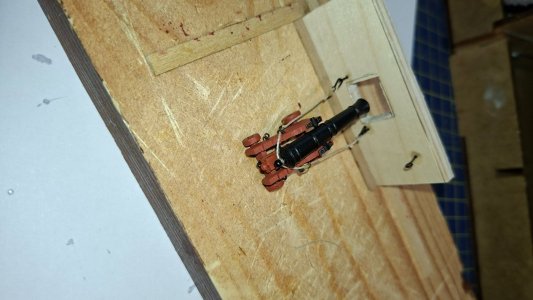
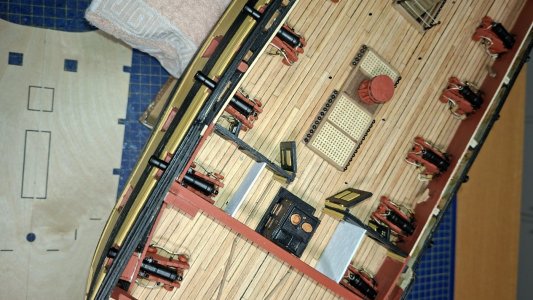
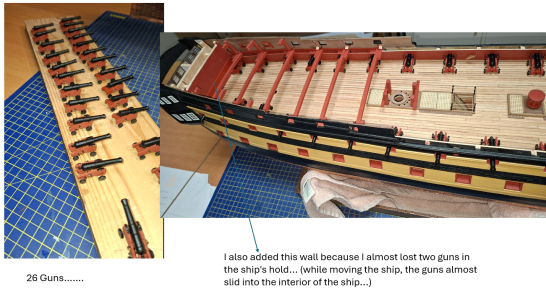
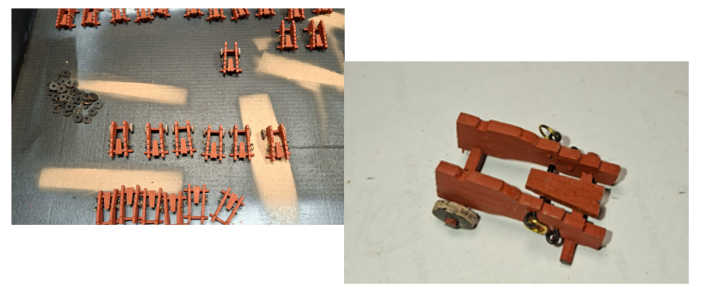
Dear Mark, the wheels were also necessarily red. The wheel rims weren't black because only fortress guns had iron rims. On naval guns, iron rims would damage the deck, so the iron rims were removed.I'm paying extra attention to the guns, which will remain visible on the Gun Deck
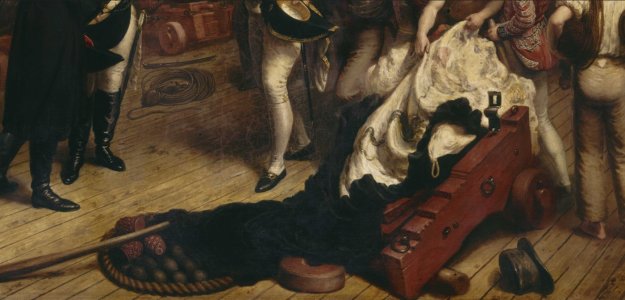
Hi Iutar. I was quite serious as I am not really a kidding kind of guy when it comes to ship modeling. Neither do I apologize for my lack of knowledge compared to others, as long as I continue to attempt to acquire more knowledge. Hopefully I will maintain the same aspiration as long as I am around.Allan, are you kidding?
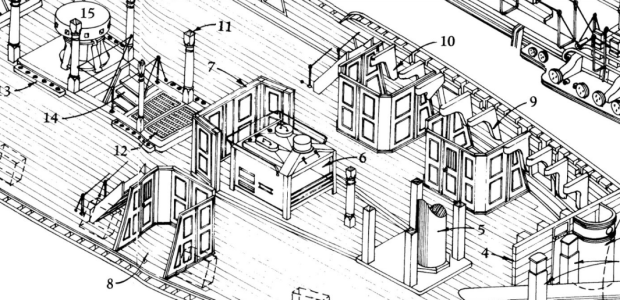
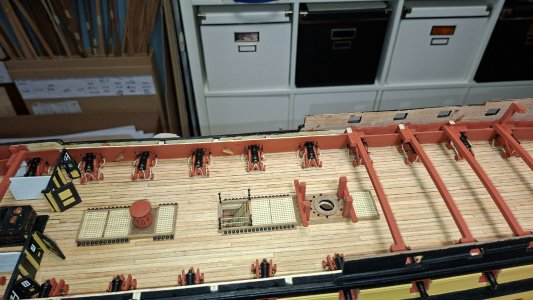
Pages 8, 12, and 15 of the contract for Nassau (64) 1782 give dimensions of the pillars but only the pillars under the quarter deck have any location information in this contract. I don't see anything on the contemporary plans showing the pillars so no help there. I know I have seen information/plans somewhere but cannot think of where.Could you please advice me?
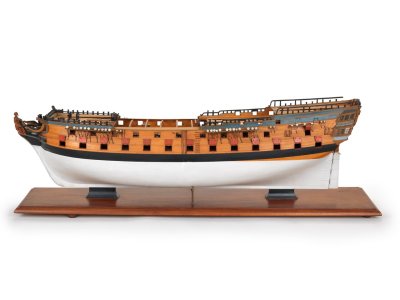
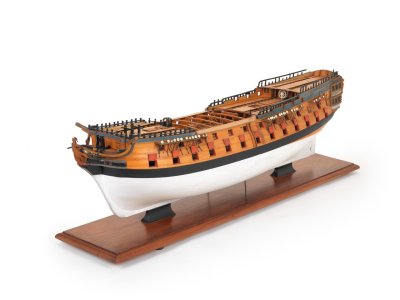
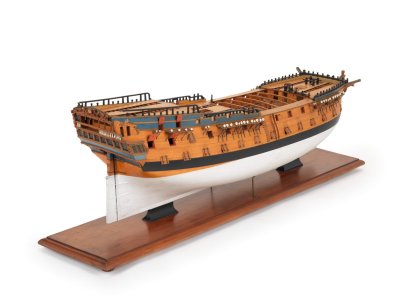
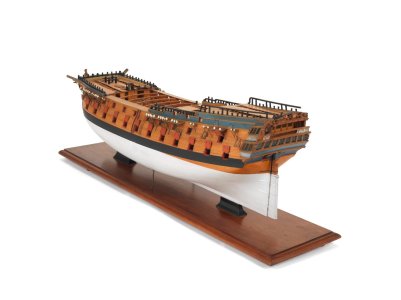
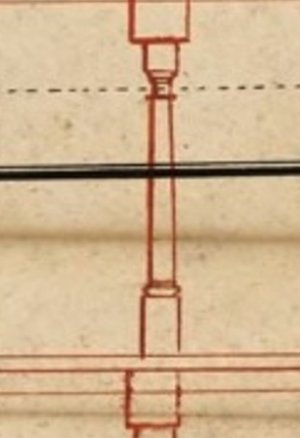
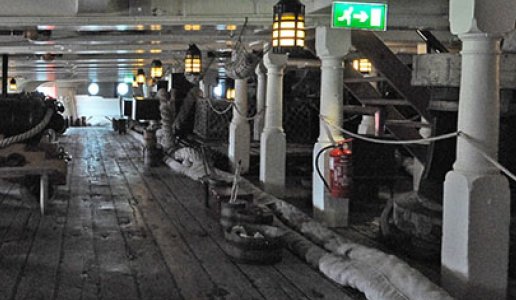
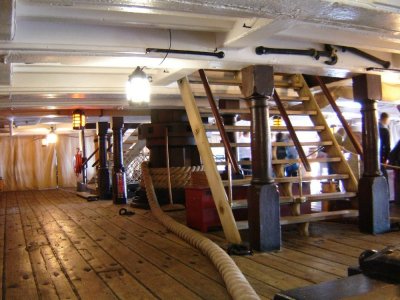
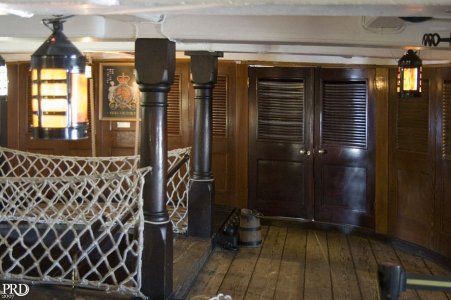
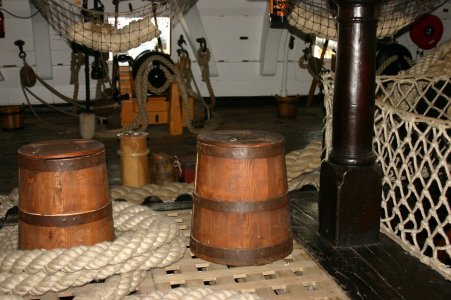
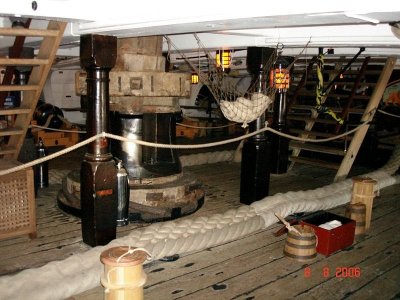
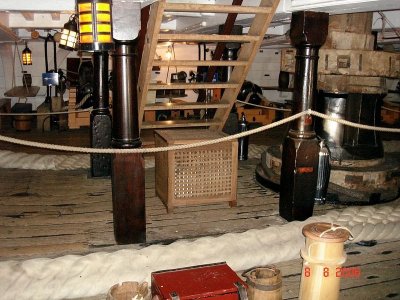
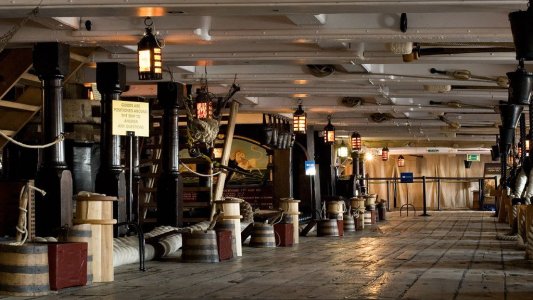
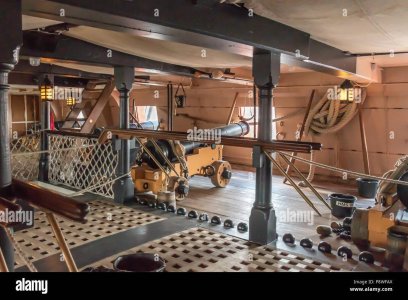
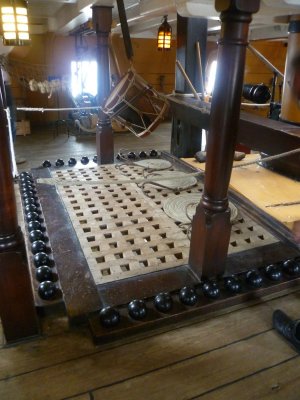
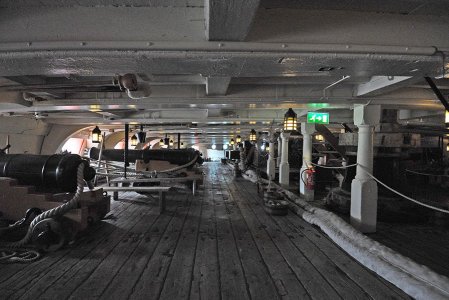
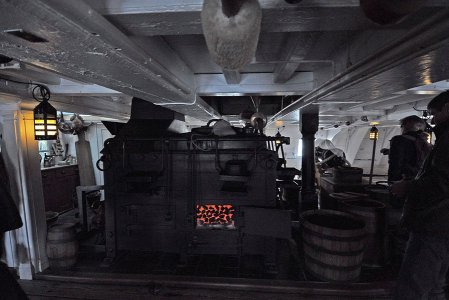
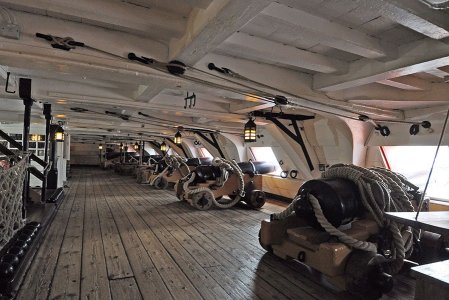
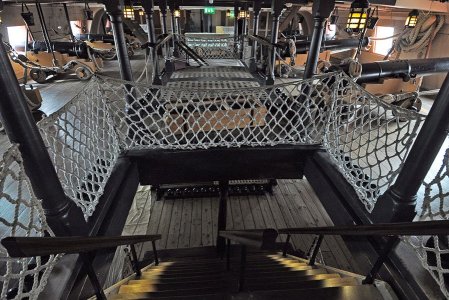
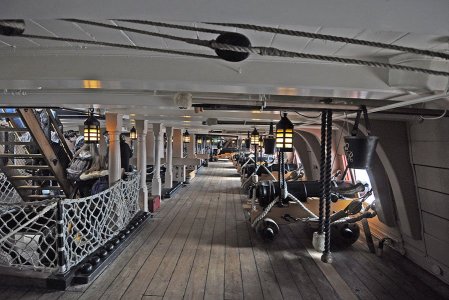
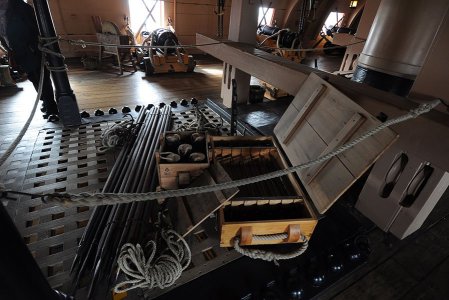
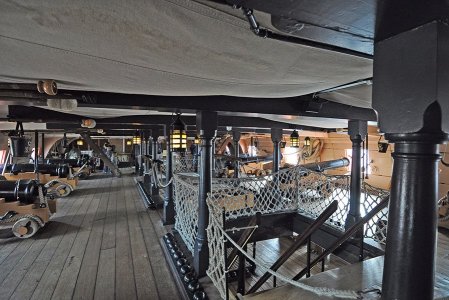
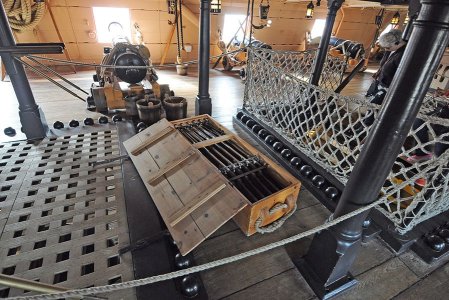
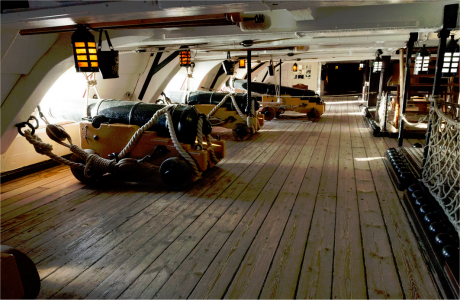
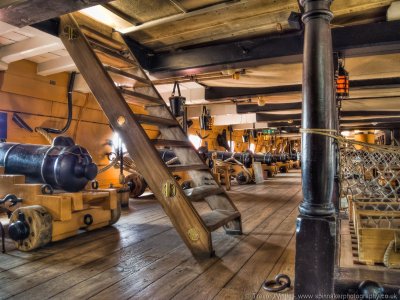
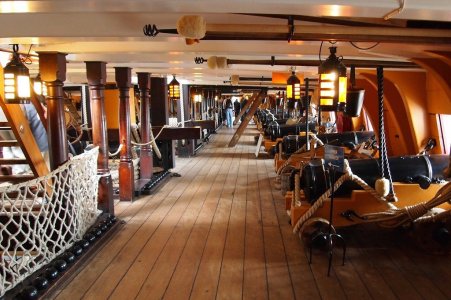
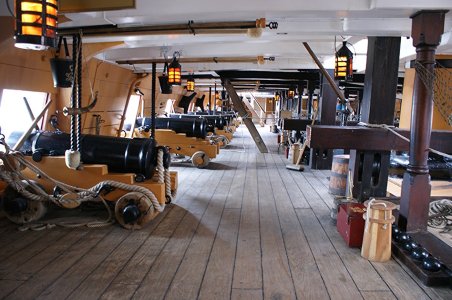
Dear Iutar,Pillars to support skid beams were usually installed on the coamings of upper deck hatches. If there were no hatches in a particular area, pillars were installed where the upper deck beam ran. Pillars were never installed on ordinary deck planks, to prevent the structure from collapsing. To support the skid beams, the stanchions were thin; to support the deck beams of the quarterdeck and forecastle, the stanchions were thick.
View attachment 560514 View attachment 560512 View attachment 560511 View attachment 560510 View attachment 560509 View attachment 560508 View attachment 560507 View attachment 560506 View attachment 560505 View attachment 560504 View attachment 560503 View attachment 560502 View attachment 560501 View attachment 560500 View attachment 560499 View attachment 560498 View attachment 560497 View attachment 560496 View attachment 560495 View attachment 560494 View attachment 560493 View attachment 560492