



- Joined
- Aug 8, 2019
- Messages
- 5,874
- Points
- 738

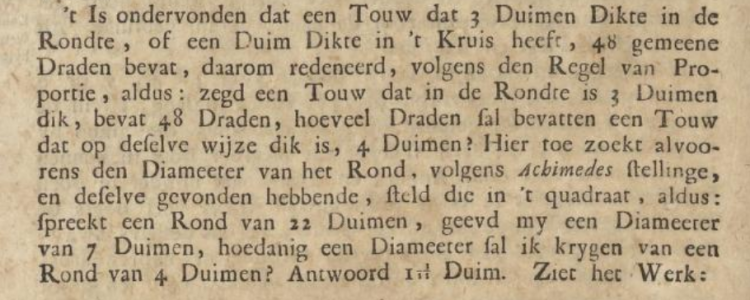
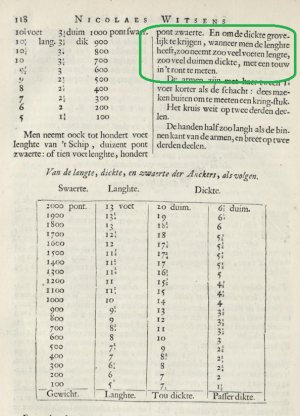
I study this indeed. I looked into Steel, Anderson, Lees, Yk, Witsen and blunt. Because I also was interested in the subject. What I found was that it where not big ropes, they didn't have to carry a lot of weight (the sailers in that time doesn't look like me) and a small rope will be keep better in place on a big shroud line. This is wat I found:
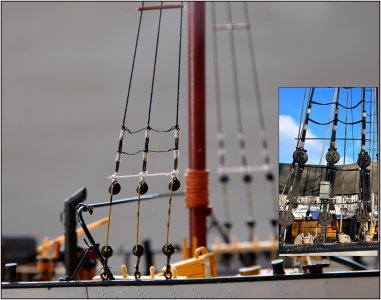
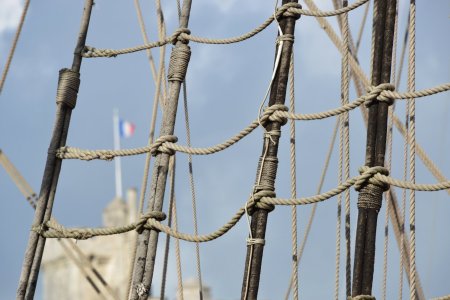
Ratlines are in most cases made of 1.5-inch circumference rope (See Lees and Steel). The diameter would be a little less then a half inch. This was for almost every yard in history common use. Ratlines on scale 1/50 to 1/75 will be somewhere between 0,2 and 0,15 mm. in diameter.
On the model it will look better to go for the smallest rope you can find. So 0,15 looks better then 0,2
The distance between ratlines is between 13 and 15 inch (same Lees and Steel). In cm. between 33 and 38 cm. on scale 1/50 to 1/75 between ~7-4 mm.
I hope this answer helps in this case.
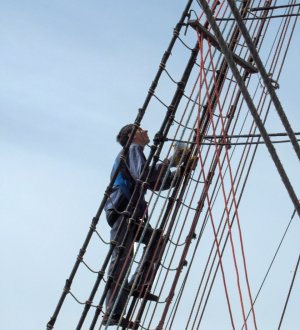
Ratlines are in most cases made of 1.5-inch circumference rope (See Lees and Steel). The diameter would be a little less then a half inch. This was for almost every yard in history common use. Ratlines on scale 1/50 to 1/75 will be somewhere between 0,2 and 0,15 mm. in diameter.
On the model it will look better to go for the smallest rope you can find. So 0,15 looks better then 0,2
The distance between ratlines is between 13 and 15 inch (same Lees and Steel). In cm. between 33 and 38 cm. on scale 1/50 to 1/75 between ~7-4 mm.
I hope this answer helps in this case.





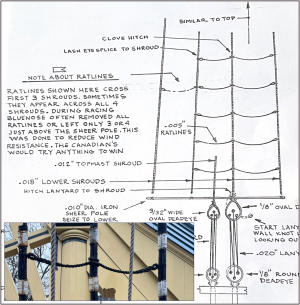
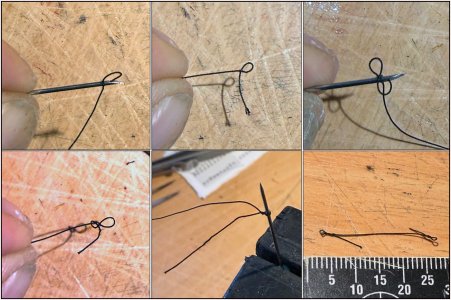
 The hard part will be finding the correct scale size for the small stuff used to lash the splice to the shroud!