• SUBSCRIBE TO SHIPS IN SCALE TODAY!

    The beloved Ships in Scale Magazine is back and charting a new course for 2026!
    Discover new skills, new techniques, and new inspirations in every issue.

    NOTE THAT OUR NEXT ISSUE WILL BE MARCH/APRIL 2026
  • Win a Free Custom Engraved Brass Coin!!!
    As a way to introduce our brass coins to the community, we will raffle off a free coin during the month of August. Follow link ABOVE for instructions for entering.

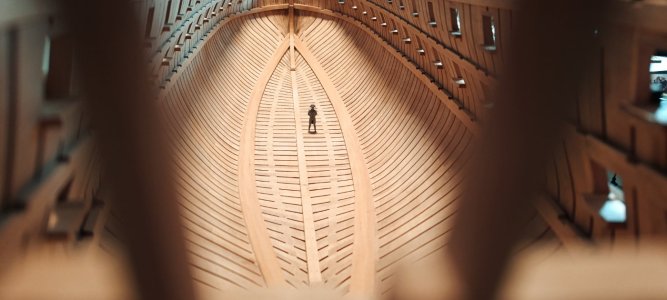
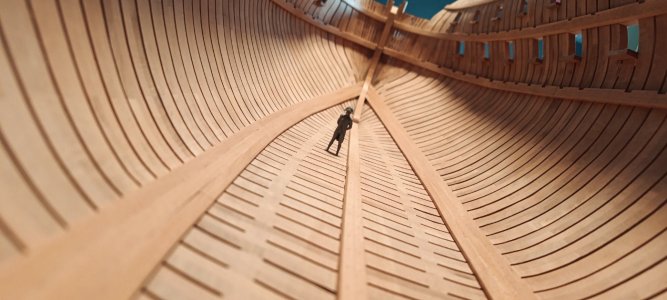
L'Artésien 1764 - 64 Kanonen-Schiff in 1:48 nach Plänen von Jacques Fichant

Hello everyone!

Thanks for the tip regarding this—I actually tried that approach with the last set of rubbing strakes ;)

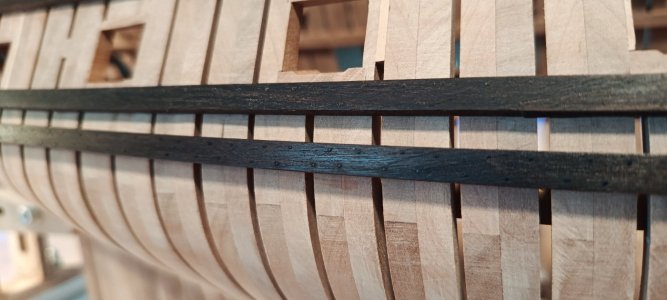
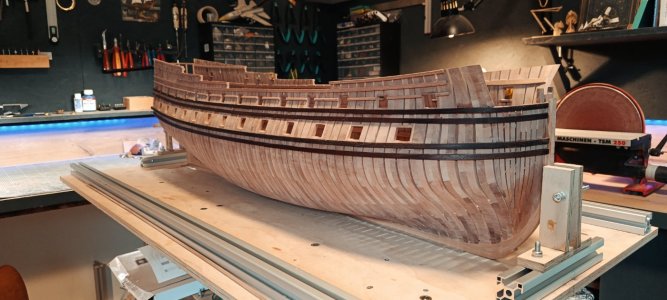
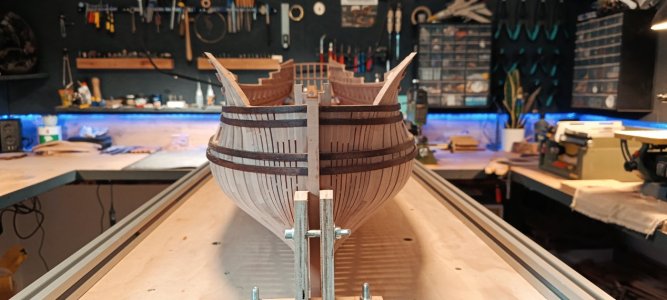
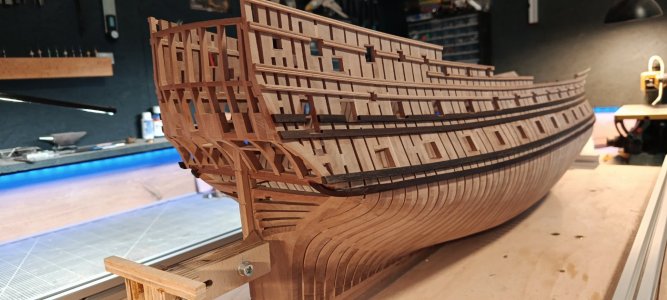
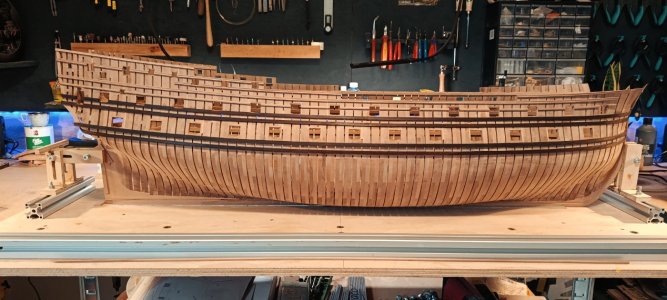
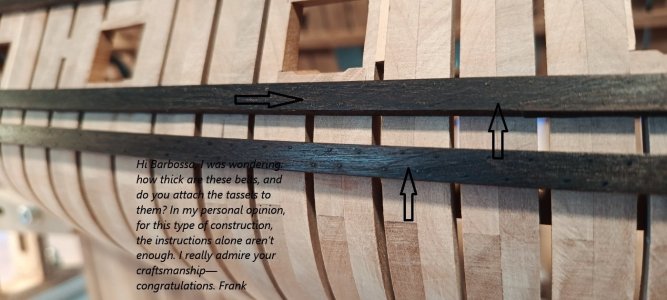
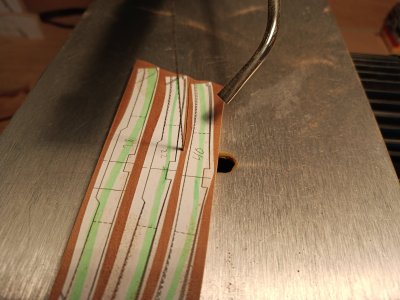
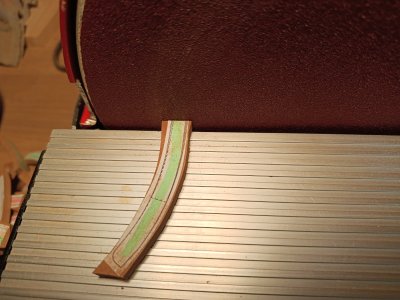
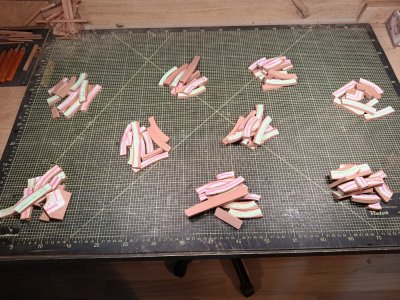
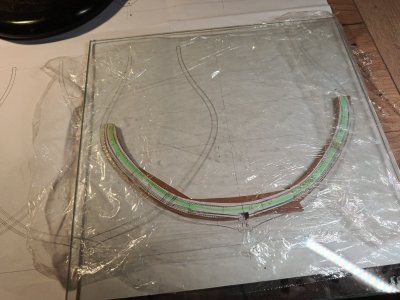
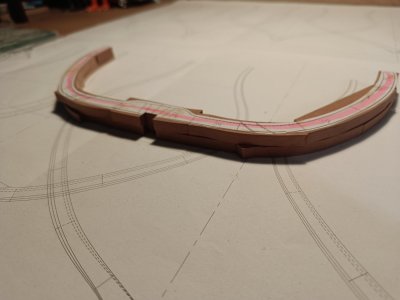
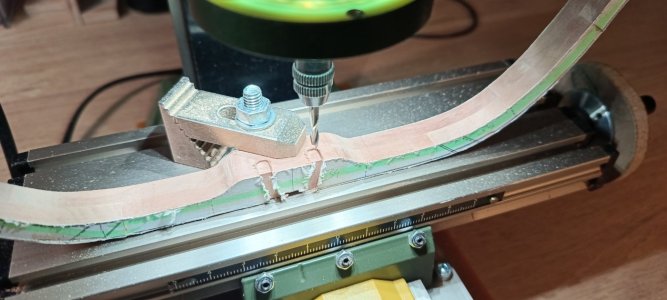
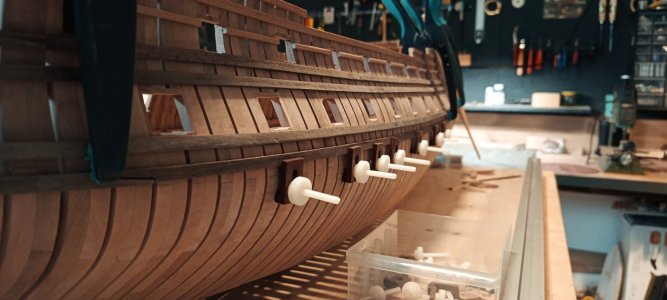
Those are now finished. The first rubbing strake around the stern is quite tricky because it requires a sharp bend. I didn't really succeed in filing that shape from a single piece of wood. Instead, I opted for a lamination technique, bending and gluing layers of thin veneer until the strake reached its final thickness. After nailing them in place, I oiled the Mansonia strakes, which made them significantly darker.
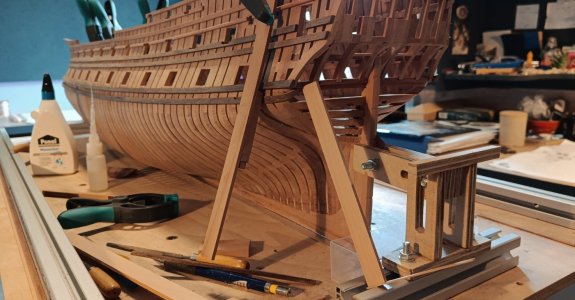
IMG_20260605_173306.jpg

IMG_20260603_124535.jpg

IMG_20260605_173022.jpg

IMG_20260605_173036.jpg

IMG_20260605_173206.jpg

IMG_20260605_173125.jpg

IMG_20260605_173113.jpg

IMG_20260605_173053.jpg

Regards
Andreas
 
Hello everyone!

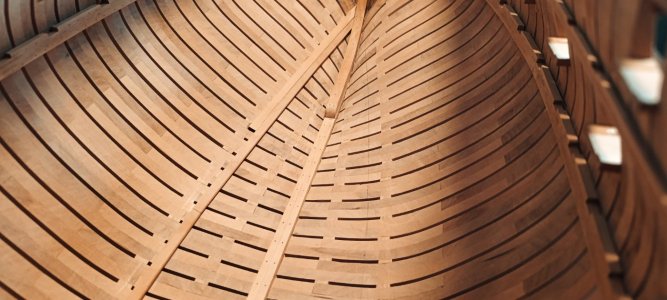
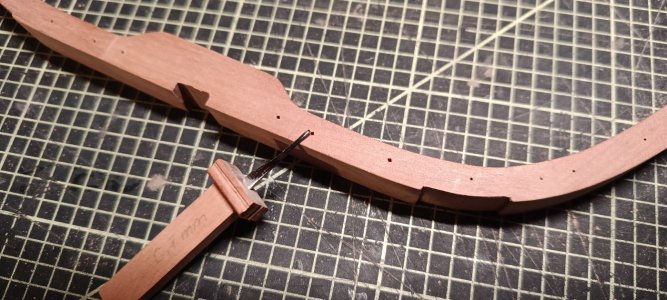
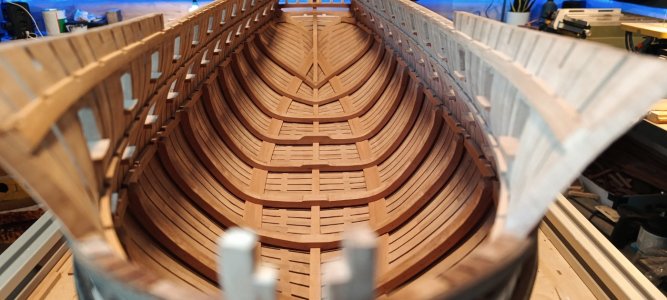
Thank you very much for your words of praise and your interest! Next up was the installation of the three bilge stringer planks.

View attachment 611184

View attachment 611185

View attachment 611186

View attachment 611187

View attachment 611188

Regards
Andreas
Hi Andreas
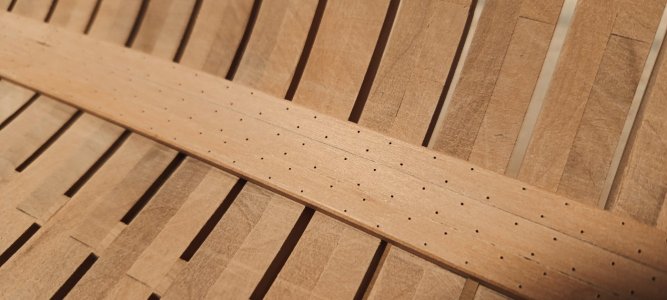
So, do you make the plugs by drilling and filling the hole with putty, or is it some kind of paint? That seems like an excellent idea! It looks spectacular—really sharp work.
 
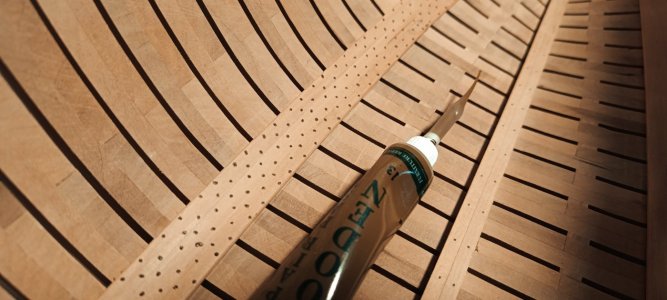
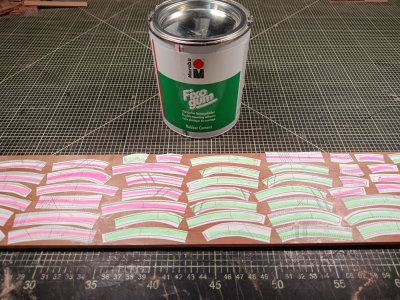
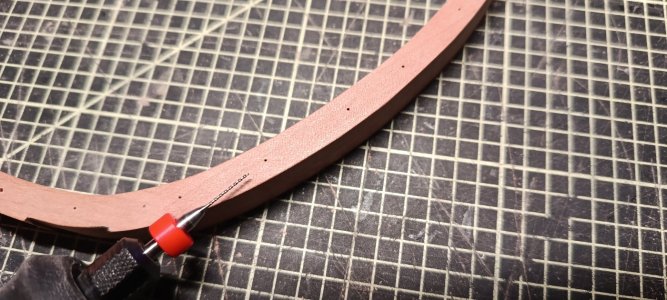
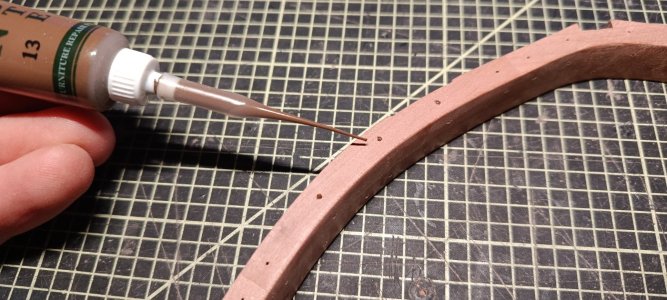
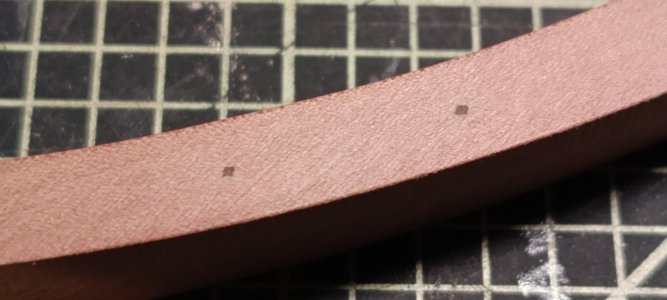
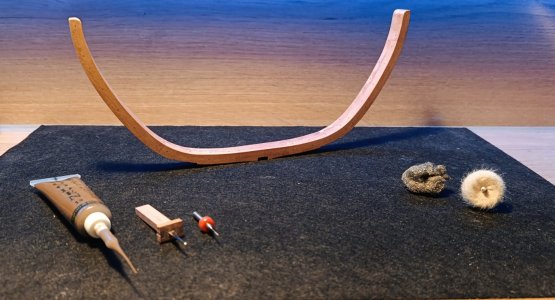
Absolutely right. I drill the hole and fill it with the wax shown. It takes about a minute to dry. Then I carefully scrape off the excess material and go over it again with steel wool. Finally, the wood is polished using a polishing attachment on a Dremel.
 
Absolutely right. I drill the hole and fill it with the wax shown. It takes about a minute to dry. Then I carefully scrape off the excess material and go over it again with steel wool. Finally, the wood is polished using a polishing attachment on a Dremel.
What kind of wax do you use? a specific German brand? Do you think it can be found in the US (on Amazon, etc.)? That’s certainly a good idea to keep in mind when making treenails; thanks for the quick reply.
Grüße
 
Ultimately, it’s a wood repair kit ;)
https://amzn.eu/d/0hKyZEKj

I agree with you there; it allows you to apply the wax exactly where it’s needed. You can get even more precision using a used-up applicator tip—the kind originally intended for adhesives.
Oh, I know that one! I have something similar shaped like a crayon; I use it to cover up nail heads when I'm installing woodwork. It’s funny, until I saw it here in your thread, I didn't realize I was using something that works for modeling too, haha. I think you can get it at construction supply stores. And the idea with the glue applicator is brilliant, that way, you only use exactly what you need, no waste!!! Thanks for the info; I've made a note of it, haha.
 
Hello everyone!

Thanks for the tip regarding this—I actually tried that approach with the last set of rubbing strakes ;)

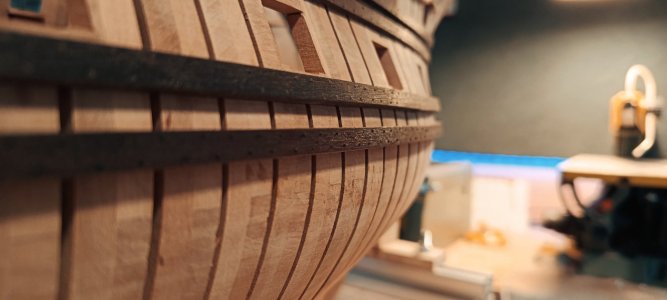
Those are now finished. The first rubbing strake around the stern is quite tricky because it requires a sharp bend. I didn't really succeed in filing that shape from a single piece of wood. Instead, I opted for a lamination technique, bending and gluing layers of thin veneer until the strake reached its final thickness. After nailing them in place, I oiled the Mansonia strakes, which made them significantly darker.
View attachment 609622

View attachment 609623

View attachment 609624

View attachment 609625

View attachment 609626

View attachment 609627

View attachment 609628

View attachment 609629

Regards
Andreas
Hi Barbossa, I was wondering: how thick are these belts, and do you attach the tassels to them? In my personal opinion, for this type of construction, the instructions alone aren’t enough. I really admire your craftsmanship—congratulations. Frank

IMG_20260605_173036.jpg
 
Hi Frank!
Thanks a lot for the praise!
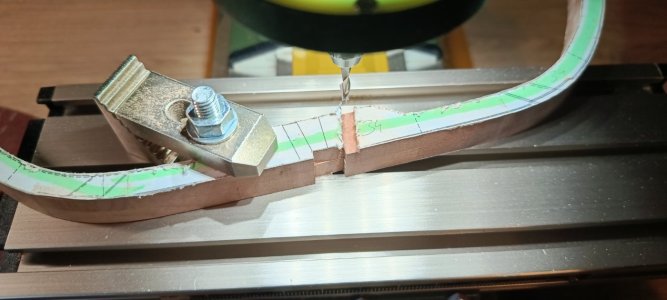
The lower rubbing strakes are 3 mm thick and 6 mm wide. I hope that answers your question.

Regards
Andreas
Hi Barbossa, that was indeed the question. Thanks for your reply. If I may offer a piece of advice, for your next projects, try to find more documentation to avoid (dimensional) compromises. Frank
 
Hi Barbossa, that was indeed the question. Thanks for your reply. If I may offer a piece of advice, for your next projects, try to find more documentation to avoid (dimensional) compromises. Frank
SovvenzionatoSovvenzionato
 
Hallo zusammen!

Vielen Dank für das Lob!

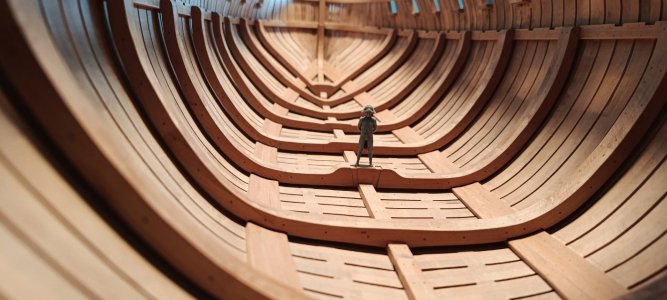
Während ich an den Hauptspanten arbeitete, fertigte ich gleichzeitig die neun katzenkopfförmigen Knie an. Prinzipiell werden diese genauso konstruiert und angepasst wie die Spanten des Schiffes. Das genaue Nagelmuster war aus den Plänen nicht ganz ersichtlich; die seitliche Nagelung fehlte vollständig. Daher orientierte ich mich weitgehend an Boudiots Buch über das 74-Kanonen-Schiff.

IMG_20260519_163324.jpg

IMG_20260519_163618.jpg

IMG_20260519_165606.jpg

IMG_20260519_173424.jpg

IMG_20260520_163021.jpg

IMG_20260520_163032.jpg

IMG_20260521_153701.jpg

IMG_20260521_152923.jpg

IMG_20260612_082401.jpg

IMG_20260612_082425.jpg

IMG_20260612_083849.jpg

IMG_20260612_091911.jpg

IMG_20260612_181759.jpg

IMG_20260613_142232.jpg

IMG_20260613_142221.jpg

IMG_20260613_142206.jpg

IMG_20260613_142155.jpg

IMG_20260613_102932.jpg

Grüße
Andreas
 
Last edited:
Back
Top