• SUBSCRIBE TO SHIPS IN SCALE TODAY!

    The beloved Ships in Scale Magazine is back and charting a new course for 2026!
    Discover new skills, new techniques, and new inspirations in every issue.

    NOTE THAT OUR NEXT ISSUE WILL BE MARCH/APRIL 2026
  • Win a Free Custom Engraved Brass Coin!!!
    As a way to introduce our brass coins to the community, we will raffle off a free coin during the month of August. Follow link ABOVE for instructions for entering.

L'Artésien 1764 - 64 Kanonen-Schiff in 1:48 nach Plänen von Jacques Fichant

Hello everyone!

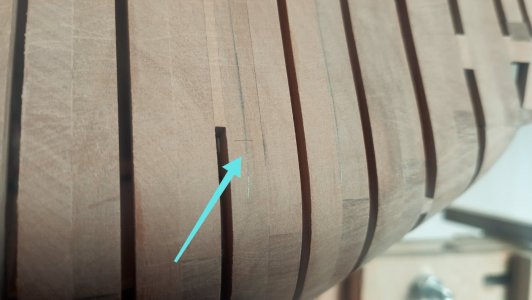
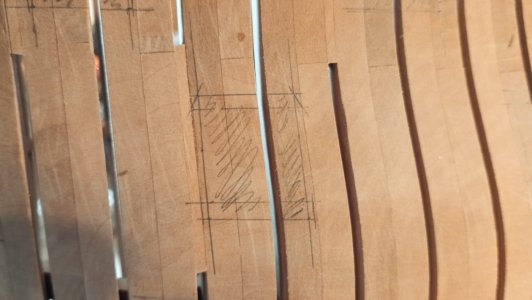
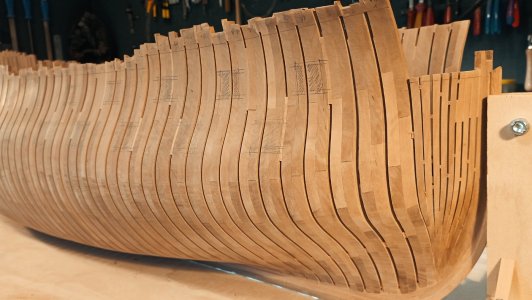
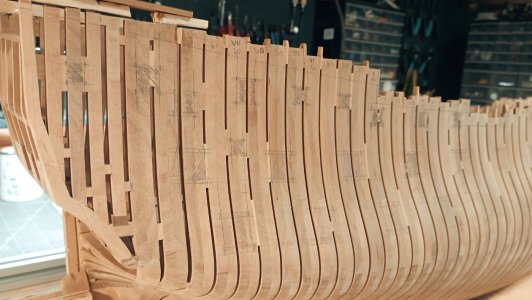
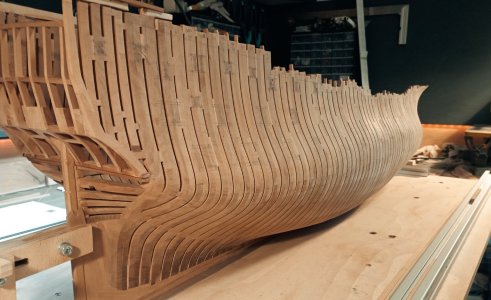
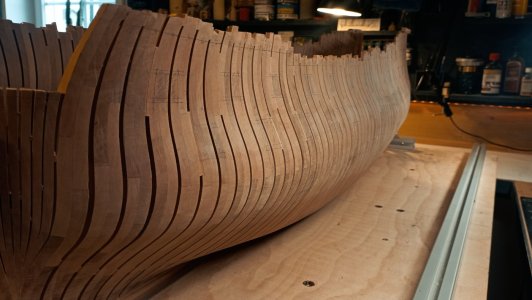
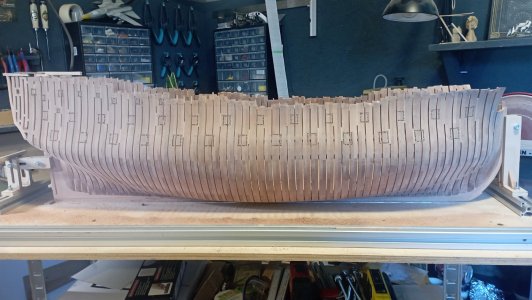
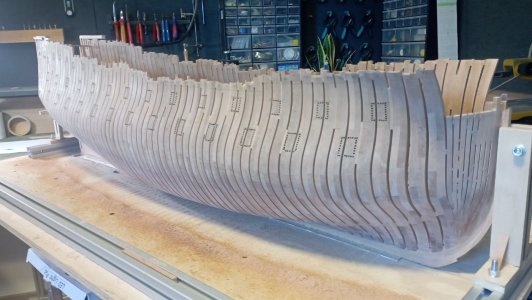
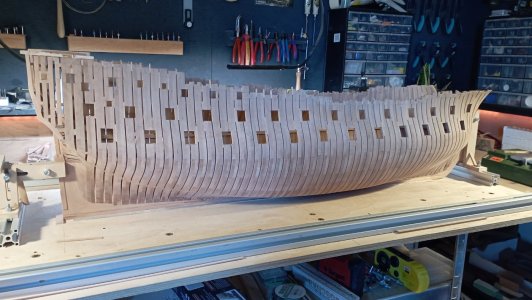
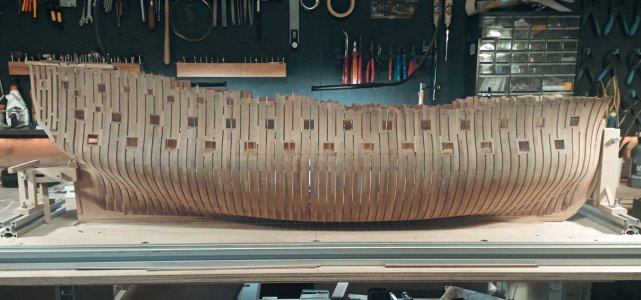
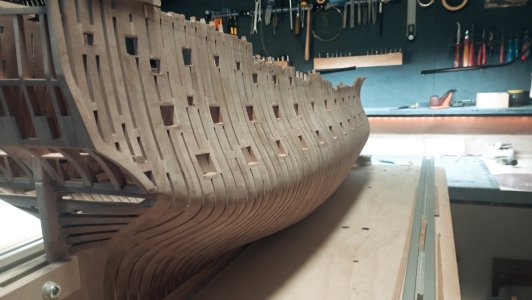
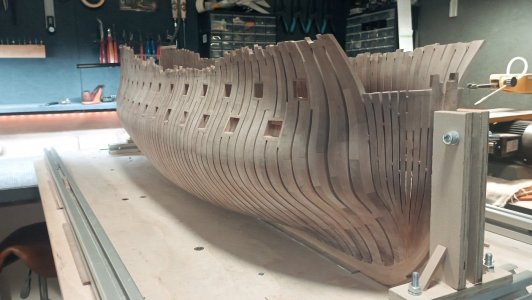
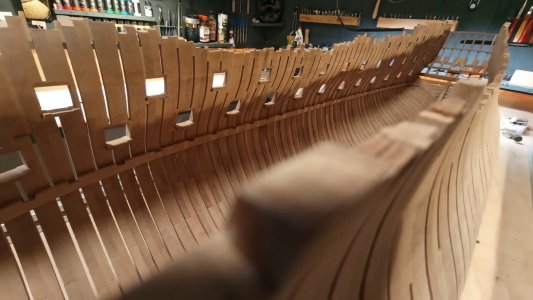
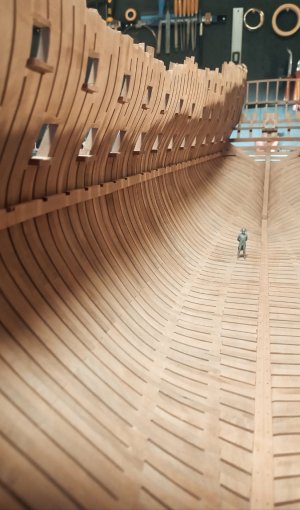
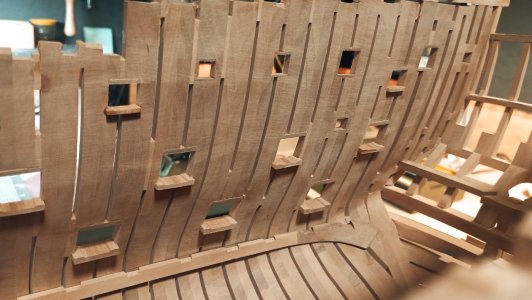
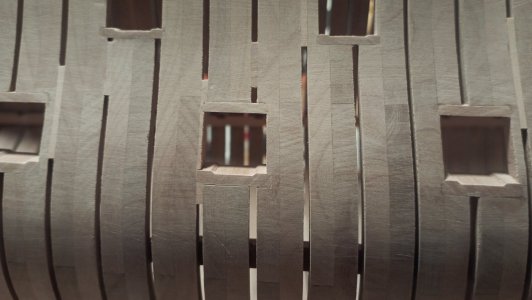
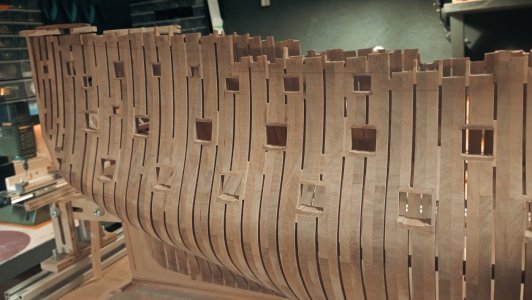
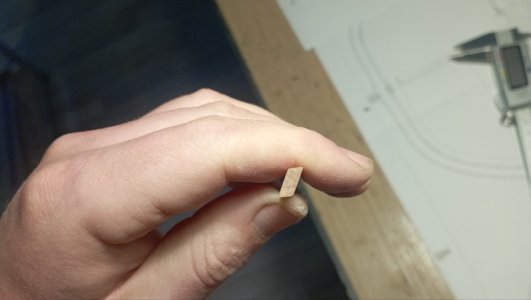
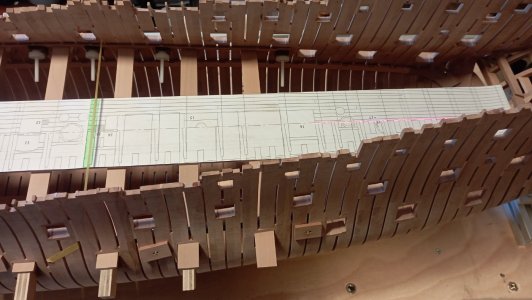
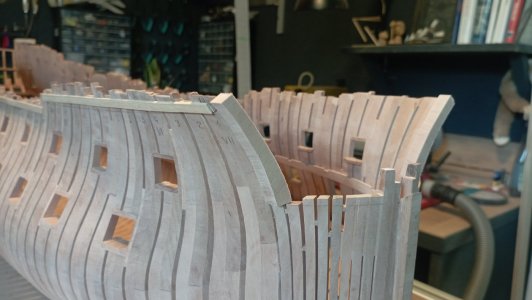
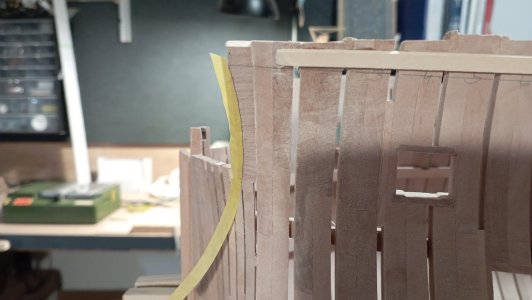
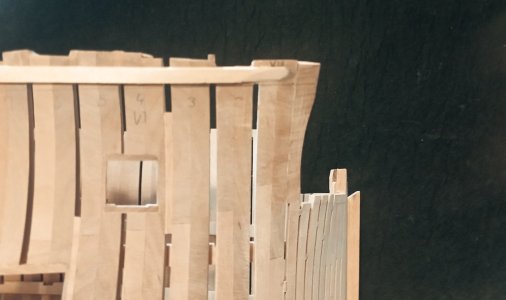
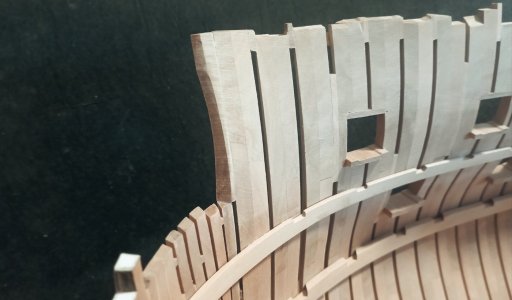
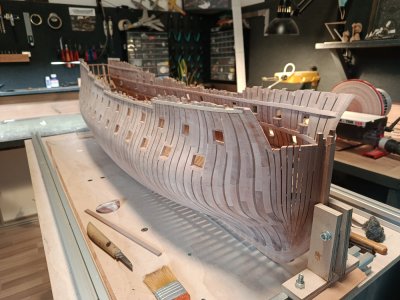
Thank you so much for your praise and interest. I once saw the steaming method used by a Japanese wood furniture maker and adopted it myself. I was surprised at how simple and effective this method is. I spent the last few days measuring and transferring the gun ports, including the full heights of the A'rtésien (the decorative panels). Now these can be finished. More on that in the next update!
IMG_20260329_144522.jpg

IMG_20260329_144242.jpg

IMG_20260404_160908.jpg

IMG_20260404_161204.jpg

IMG_20260404_160806.jpg

IMG_20260404_160755.jpg

IMG_20260404_160742.jpg

IMG_20260404_160720.jpg

Regards
Andreas
 
Hello everyone!

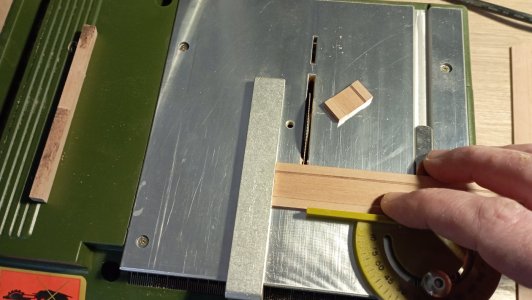
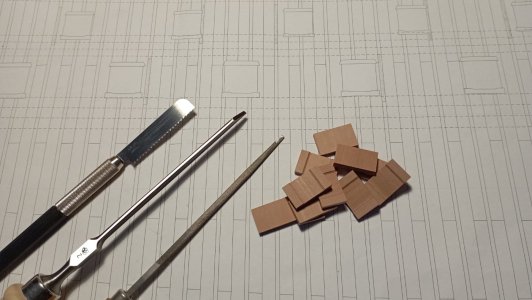
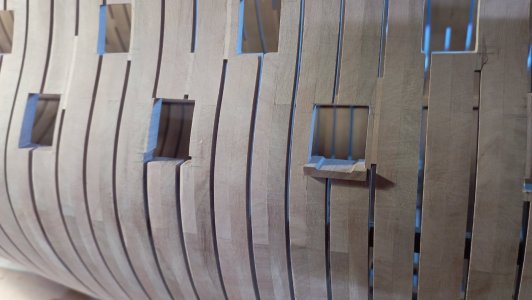
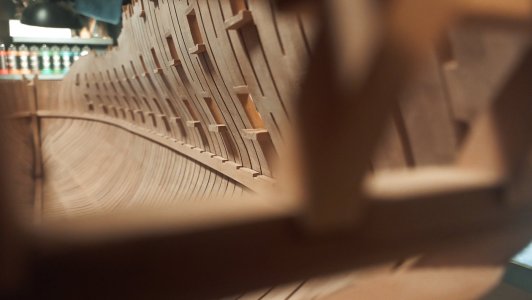
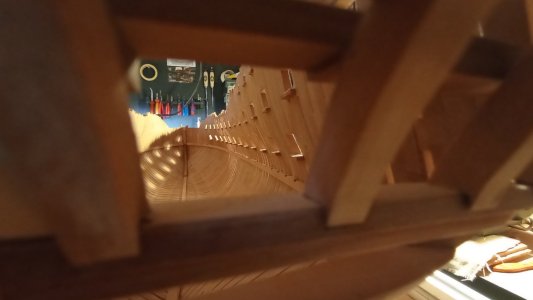
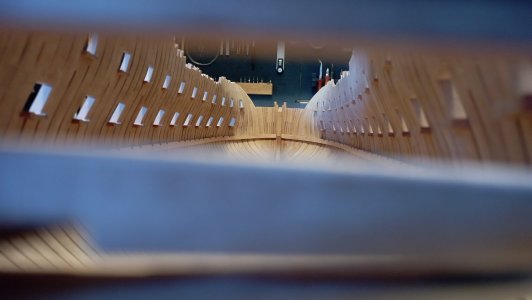
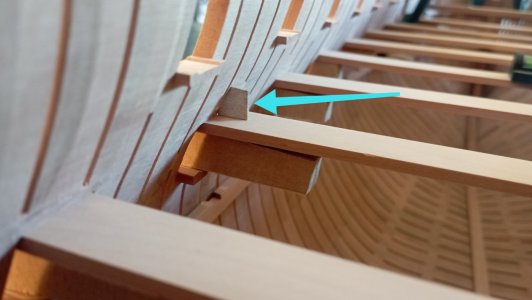
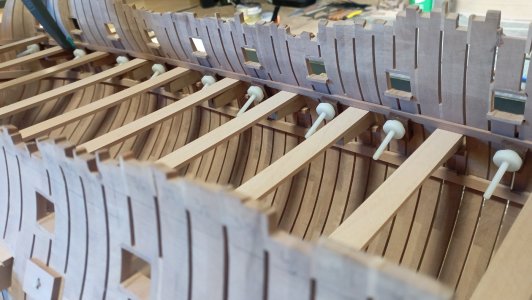
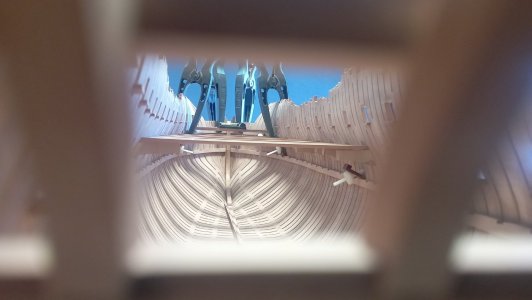
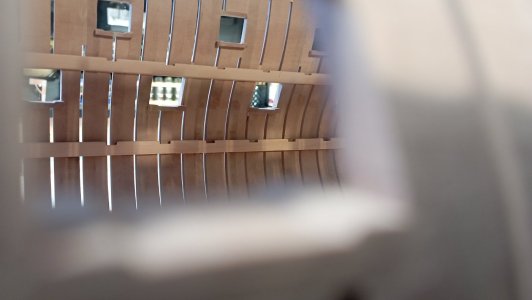
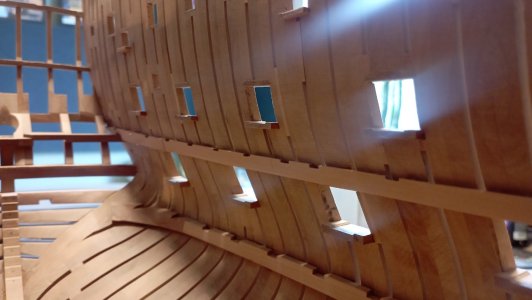
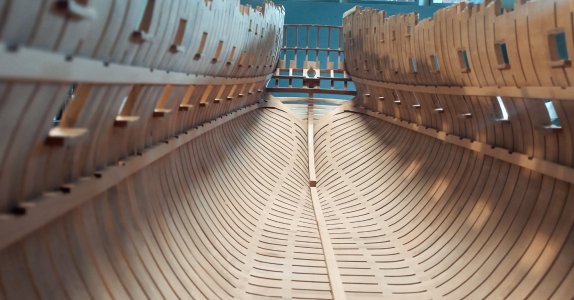
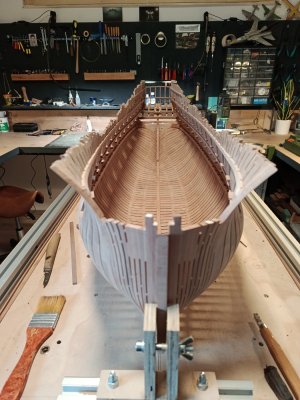
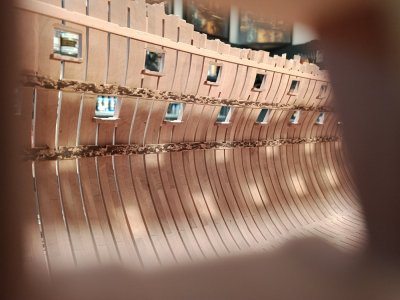
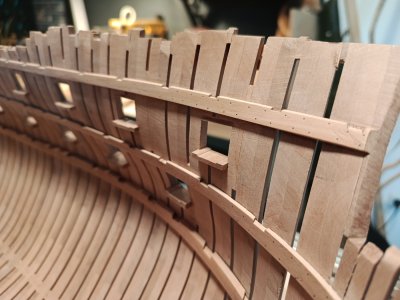
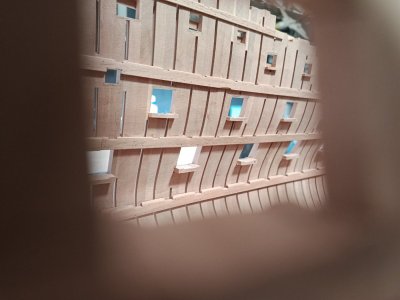
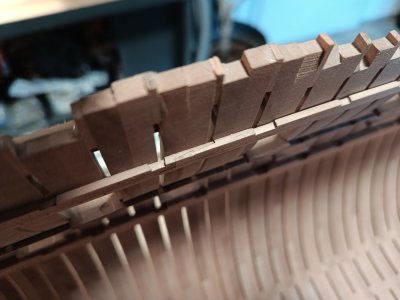
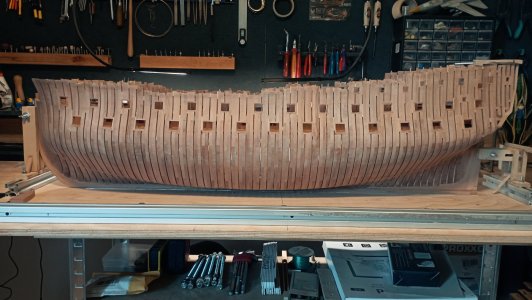
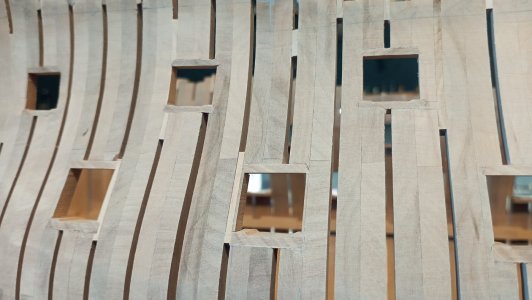
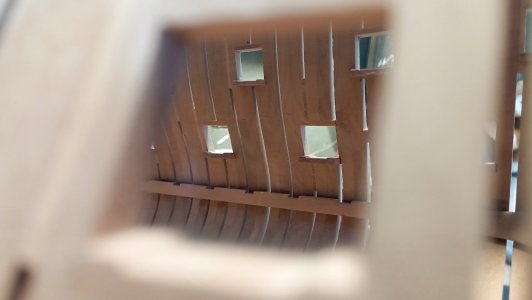
After the third attempt, I finally managed to complete the next two stringers. To achieve a relatively even profile, I made them without the lashings. This stringer is therefore made from a single piece (except for the last section at the stern). The dovetail joints were positioned in the same way as on the lower stringer. To ensure the stringer fits flush with the upper sill frame, boards with wedges were inserted into the respective gun ports. This way, the stringer sits neatly against each port. To be able to install the next stringers, the small filler piece on the front double frame was adjusted and filed into shape.

IMG_20260429_144622.jpg

IMG_20260429_144643.jpg

IMG_20260429_105700.jpg

IMG_20260427_120247.jpg

IMG_20260430_114727.jpg

IMG_20260430_114746.jpg

IMG_20260430_125149.jpg

IMG_20260505_170256.jpg

IMG_20260505_170303.jpg

IMG_20260505_170425.jpg

IMG_20260505_171411.jpg

IMG_20260505_171457.jpg

IMG_20260503_160726.jpg

IMG_20260504_202819.jpg

IMG_20260505_171332.jpg

IMG_20260505_171310.jpg

Regards
Andreas

 
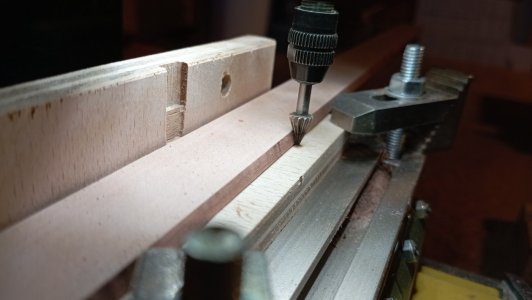
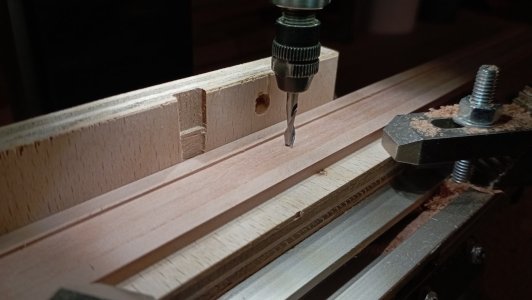
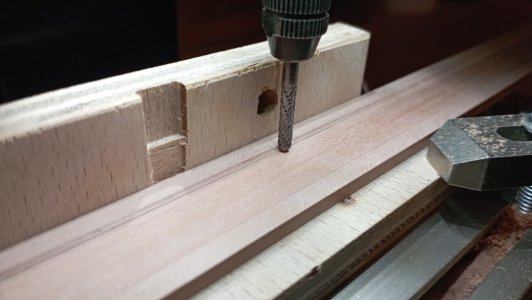
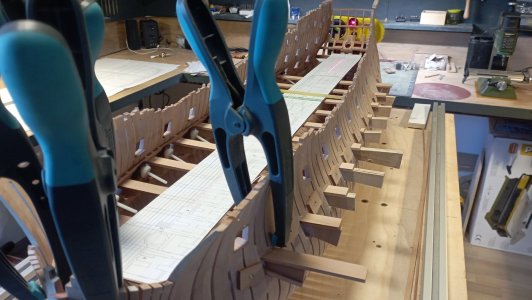
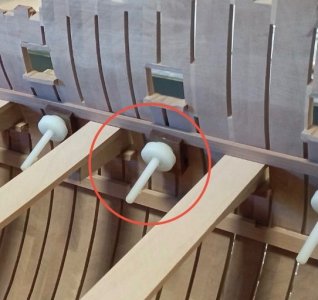
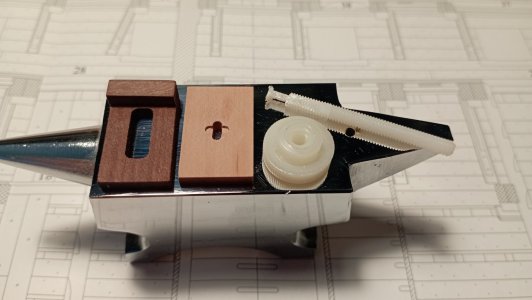
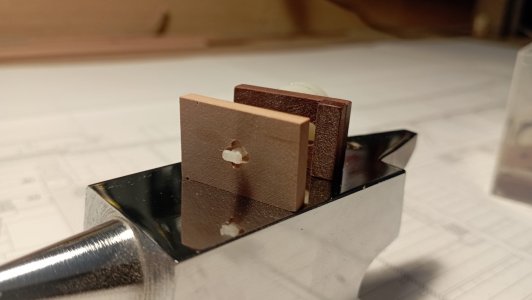
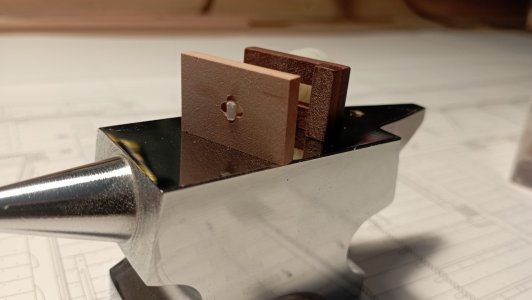
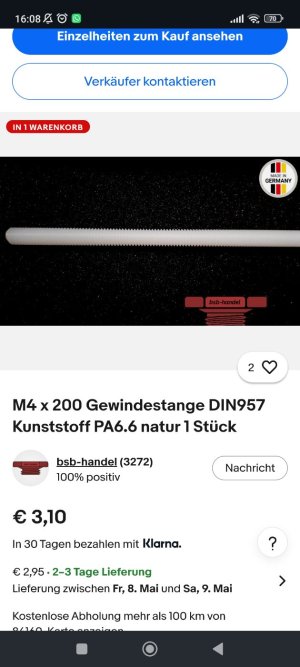
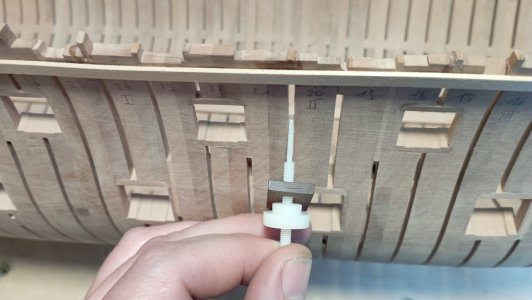
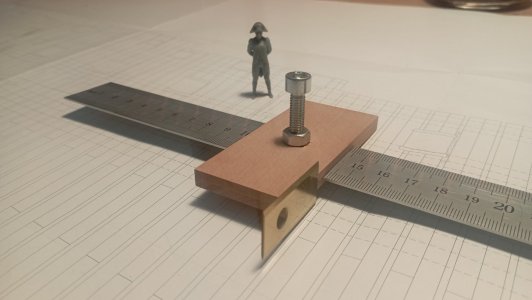
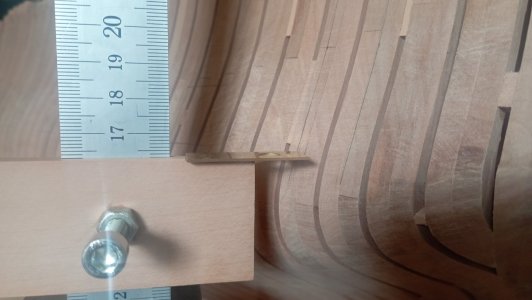
Thank you so much for the positive feedback! The clamps are homemade. The threaded rod and knurled nut were ordered online. The rods only needed to be milled accordingly. By rotating the piece of wood, the milled end wedges itself in place and can be tightened. The inspiration came from @Oliver1973's Redoutable project, which I adapted. His clamps are even better because the rods are made of brass and the wooden pieces are aluminum. However, I wanted to protect my small milling machine, so I used plastic.

IMG_20260506_150738.jpg

IMG_20260506_150846.jpg

IMG_20260506_150900.jpg

I hope I was able to clarify things a bit :)

Regards
Andreas
 
Thank you so much for the positive feedback! The clamps are homemade. The threaded rod and knurled nut were ordered online. The rods only needed to be milled accordingly. By rotating the piece of wood, the milled end wedges itself in place and can be tightened. The inspiration came from @Oliver1973's Redoutable project, which I adapted. His clamps are even better because the rods are made of brass and the wooden pieces are aluminum. However, I wanted to protect my small milling machine, so I used plastic.

View attachment 598202

View attachment 598203

View attachment 598204

I hope I was able to clarify things a bit :)

Regards
Andreas
Thank you Andreas.
One more quick question (actually two…) what is the diameter of the threaded rod and where did you buy them?
 
Thank you very much for your kind words. Reposting the build logs for my earlier projects here would probably be beyond the scope of this forum. I might, however, upload them to the gallery at some point.
 
Hello everyone!

After the third attempt, I finally managed to complete the next two stringers. To achieve a relatively even profile, I made them without the lashings. This stringer is therefore made from a single piece (except for the last section at the stern). The dovetail joints were positioned in the same way as on the lower stringer. To ensure the stringer fits flush with the upper sill frame, boards with wedges were inserted into the respective gun ports. This way, the stringer sits neatly against each port. To be able to install the next stringers, the small filler piece on the front double frame was adjusted and filed into shape.

View attachment 597712

View attachment 597713

View attachment 597714

View attachment 597715

View attachment 597716

View attachment 597717

View attachment 597718

View attachment 597719

View attachment 597720

View attachment 597721

View attachment 597722

View attachment 597723

View attachment 597724

View attachment 597725

View attachment 597726

View attachment 597727

Regards
Andreas
Dear Andreas
amazing work!!!
 
Hello everyone!

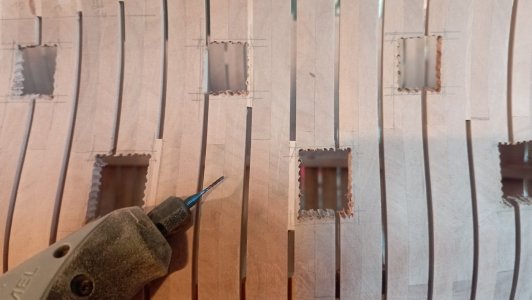
Thank you all very much for your interest and your kind words! The final beam sections—featuring their dovetail joints—were fabricated and installed exactly as previously shown. For the nail detailing, a square iron rod was pressed into the wood and filled with wax. The excess was then scraped away, and the surface was given a final finish with steel wool. However, I might still change this later on, as I’m not entirely satisfied with the result just yet.

IMG_20260514_172036.jpg

IMG_20260514_172122.jpg

IMG_20260514_182620.jpg

IMG_20260520_152939.jpg

IMG_20260520_153352.jpg

IMG_20260520_153205.jpg

IMG_20260520_154433.jpg

Regards
Andreas
 
Hello everyone!

Thank you so much for your likes and comments. It really motivates me to keep going.

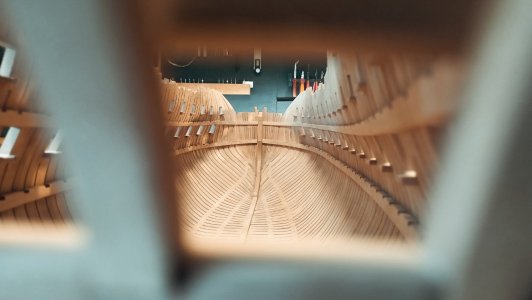
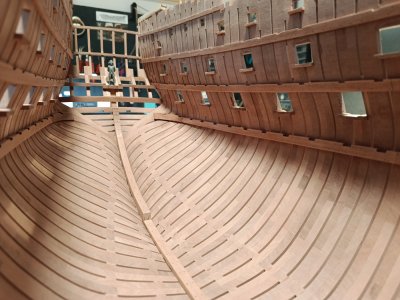
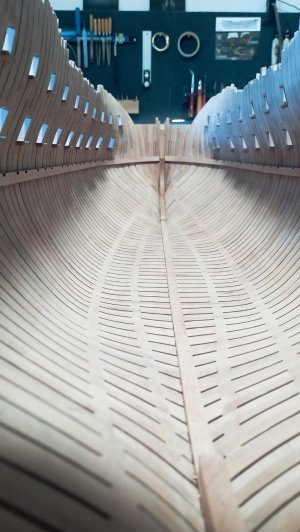
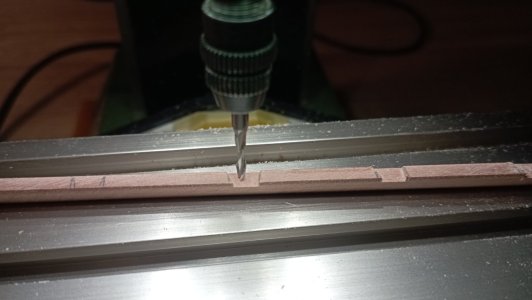
Now let's move on to the (two-part) keelson with its slurry sticks. These were milled according to the plans and installed after further adjustments to the ship. I spent a long time considering how to implement the bolt on this ship. A dark square piece of wood, 0.8 mm thick, for milling or cutting to size. I couldn't find any fiberglass square rods in these dimensions either. I have silver or brass wire available as square pieces, but I want to keep the bolt dark this time, which also rules out bluing it later. So I decided to use a steel sheet cut to size and carefully press it into the wood, where the square hole will be filled with wax. I adopted the bolt arrangement from the French 1:36 scale build log.

View attachment 578320

View attachment 578321

View attachment 578322

View attachment 578323

View attachment 578324

View attachment 578325

View attachment 578326

View attachment 578327

View attachment 578328

Thus, this work is also completed, and I can once again fully dedicate myself to the rear design.

Regards
Andreas
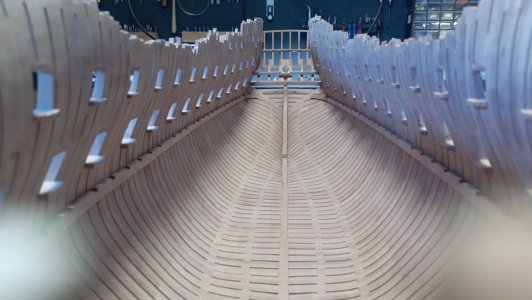
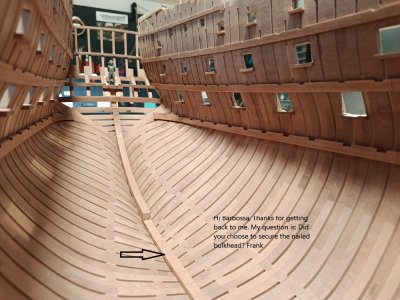
Excuse me, Barbossa, is the planking of the midship section your choice?
Article 21.

The Midship Section.

The midship section Z (Plates I, II, III) consists of three or four large pieces of wood, joined together in the same manner as the keel sections, that is, with strakes. They are positioned at the midpoint of the keel beams and the keel strakes in the same direction as the keel, and extend from the bow stem to two-thirds of the length of the aft hull sections.
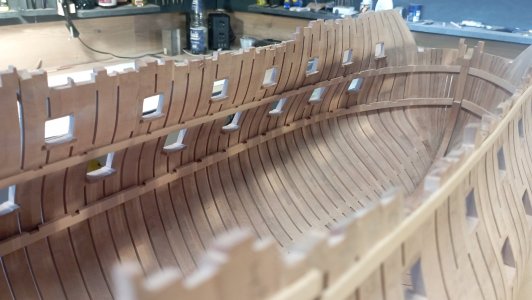
At the front of each keel beam, the paramezzale is cut back by one and a half inches, or two inches, and connected to the keel beams using the same pins that fasten the keel beams to the keel.
The paramezzale serves to connect and join the madieri to the keel.
The pieces that compose it are half the width and thickness of those of the keel, not including the indentation. From beneath the keel, a pin is driven through it, the madiere, and the paramezzale, on which it is secured with a cotter pin on the washer. This operation is performed on groups of two planks at a time.
There is nothing to prevent making the paramezzale from two joined pieces, much like the rows in galleys.
The paramezzale widens by a few inches near the point where the mainmast rests. Frank


Translated with DeepL.com (free version)
 
Back
Top