

Hello everyone!
Thank you so much for your likes and comments. It really motivates me to keep going.
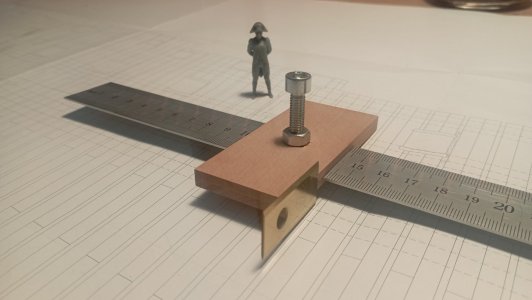
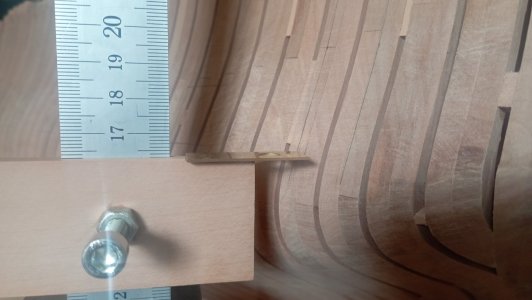
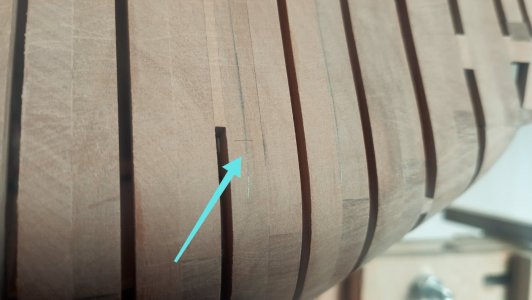
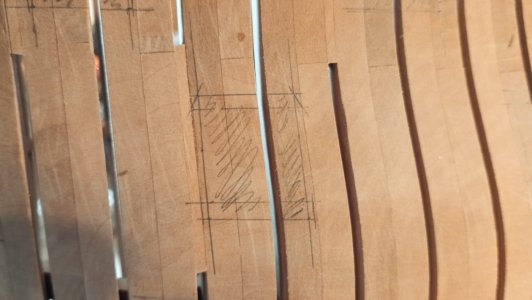
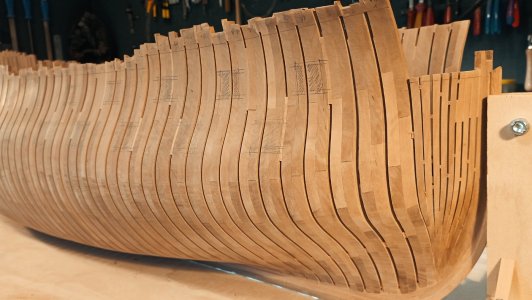
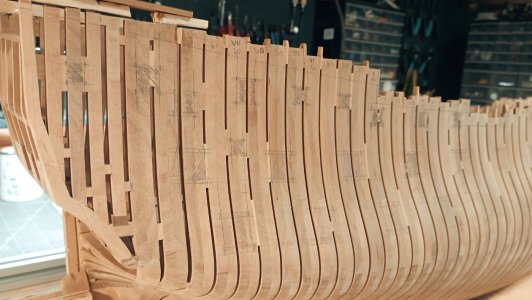
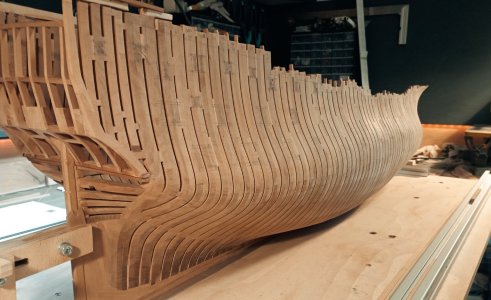
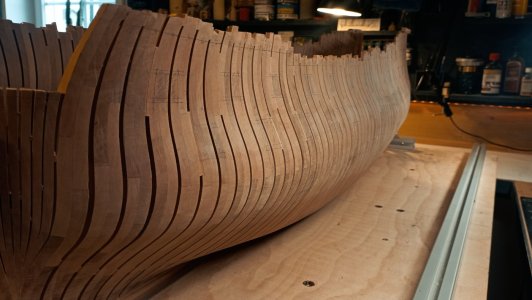
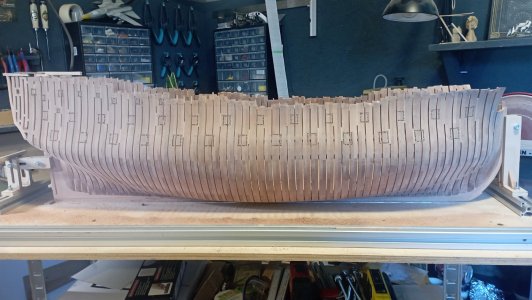
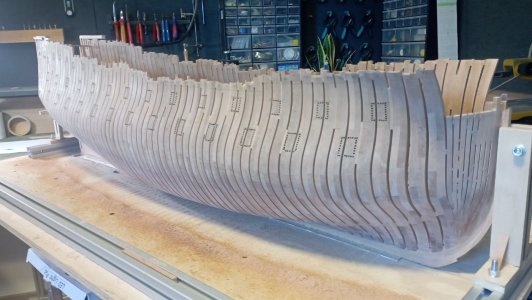
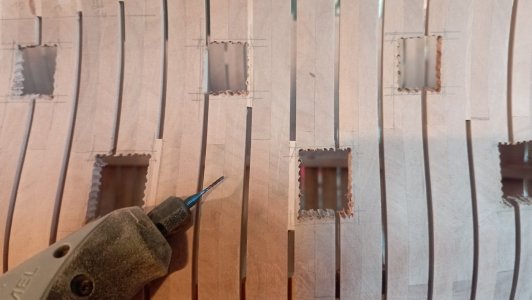
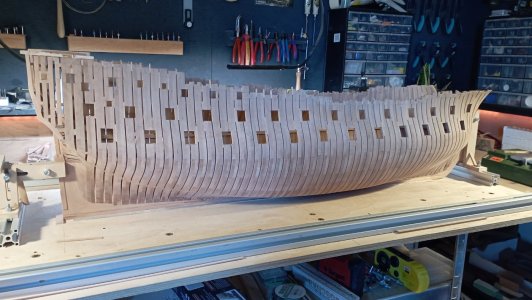
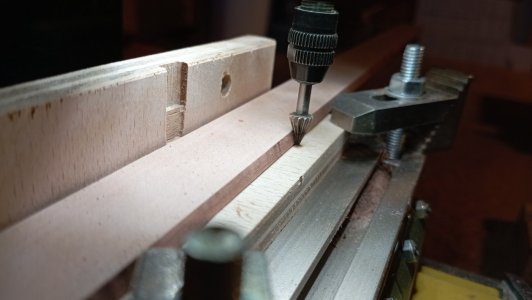
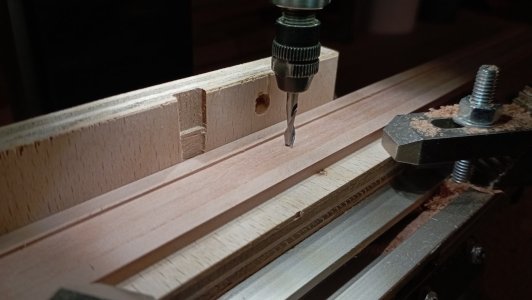
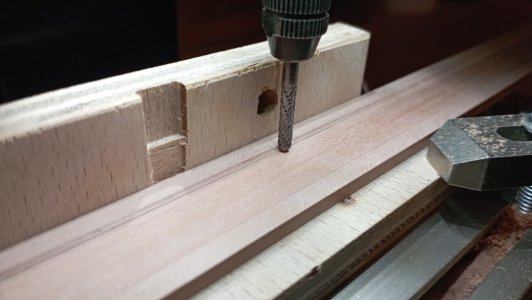
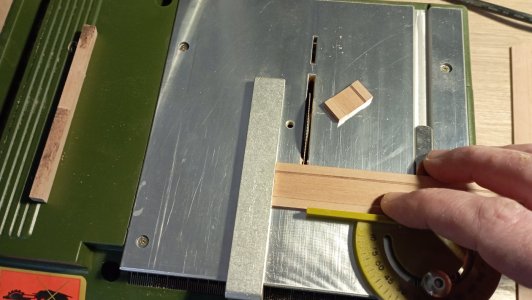
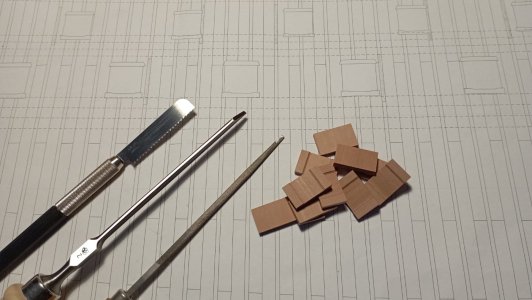
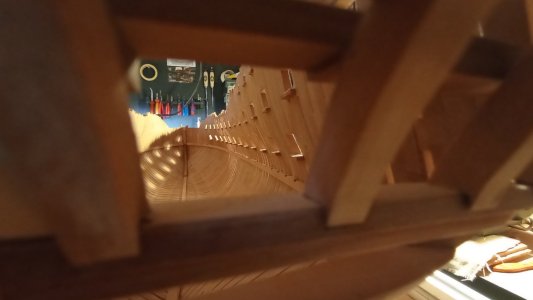
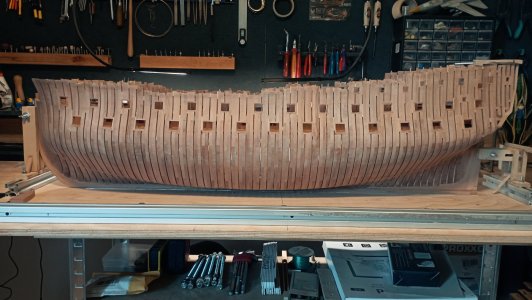
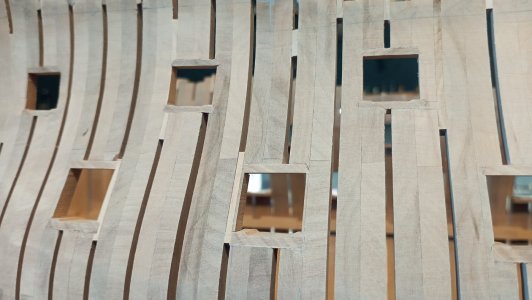
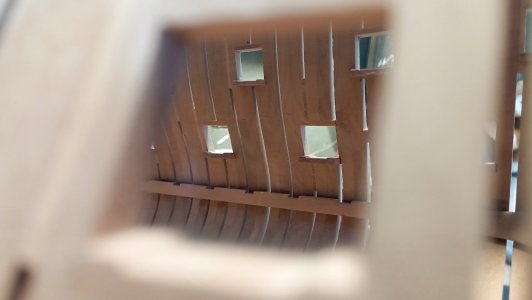
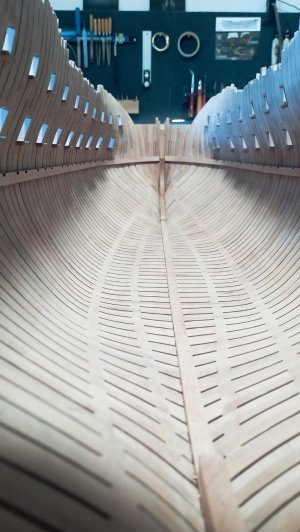
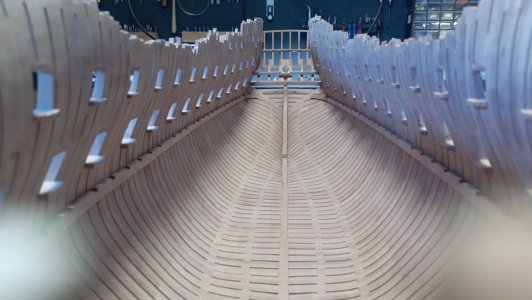
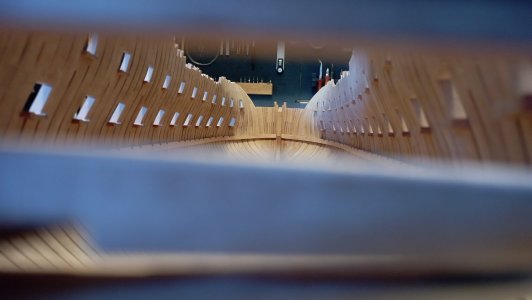
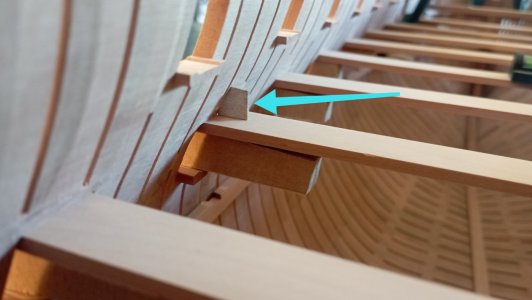
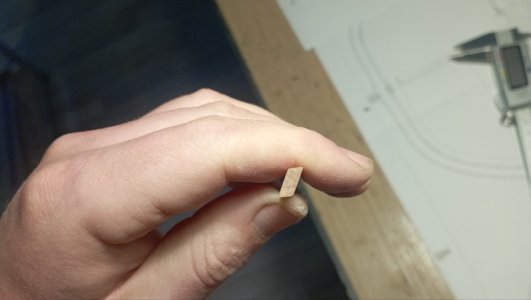
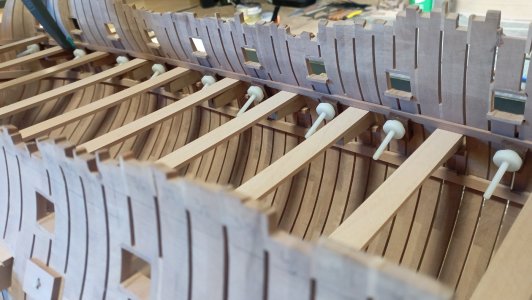
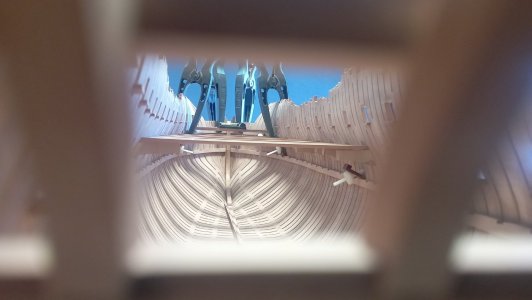
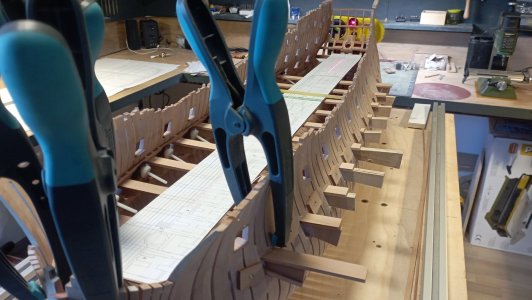
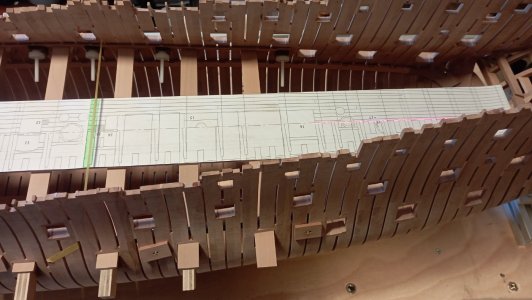
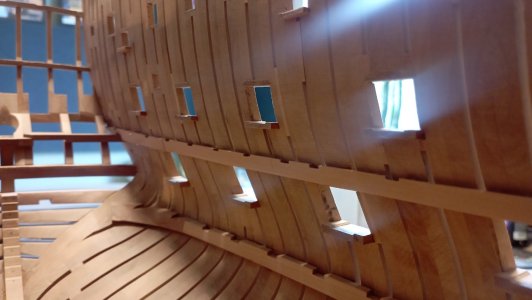
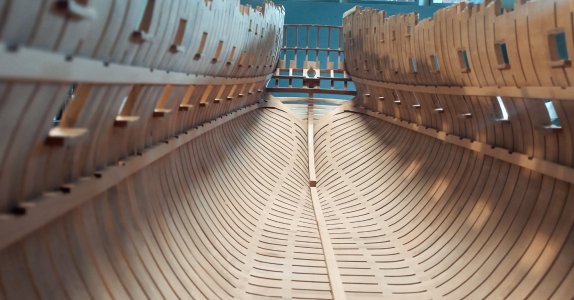
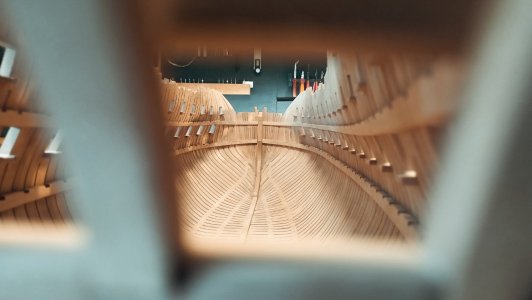
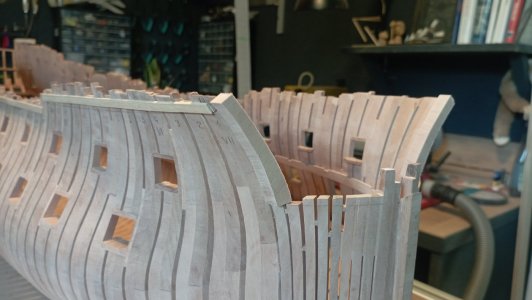
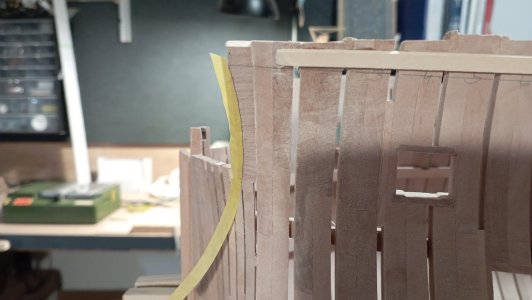
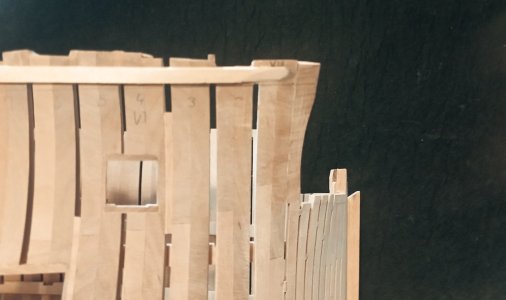
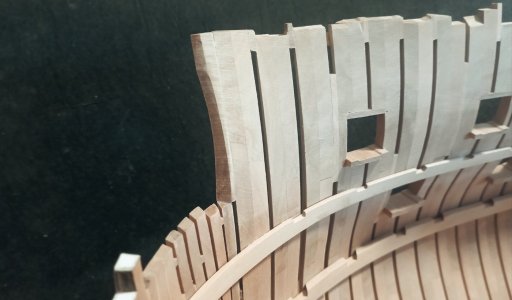
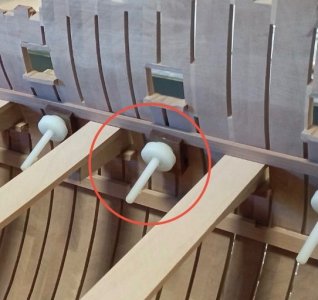
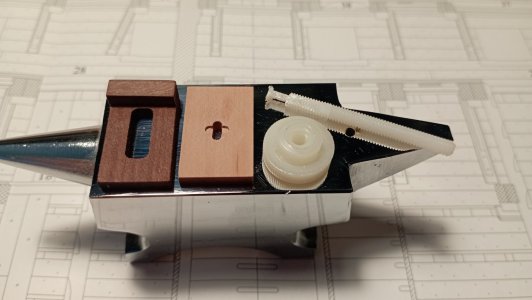
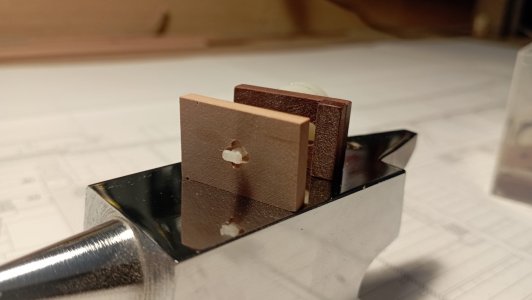
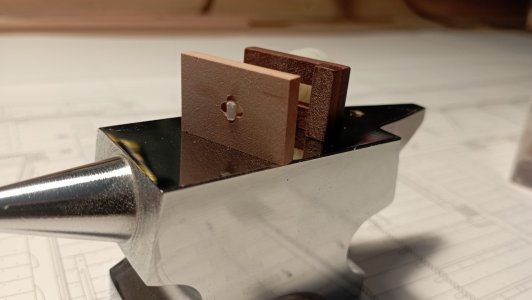
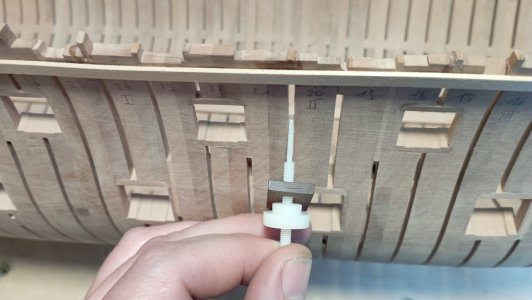
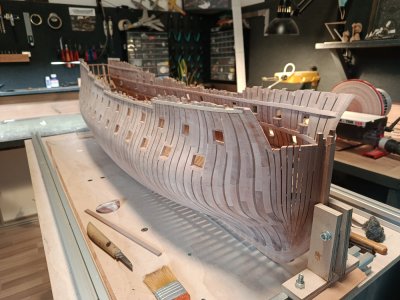
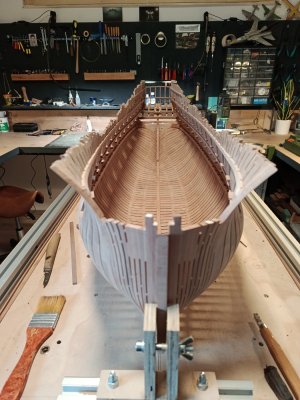
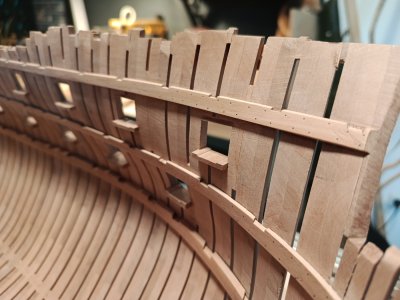
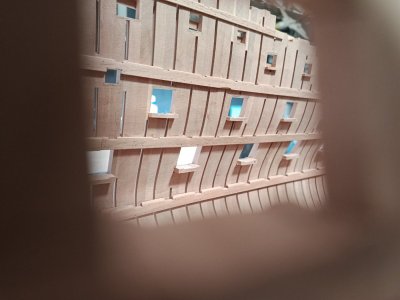
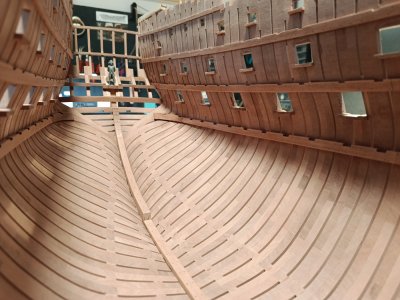
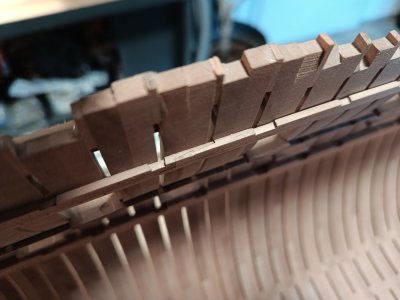
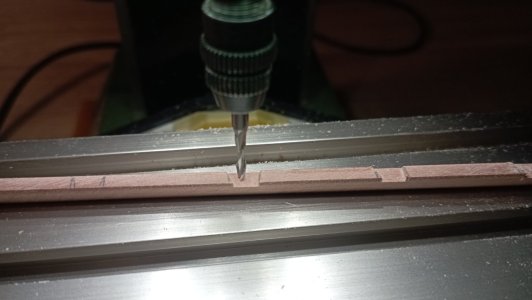
Now let's move on to the (two-part) keelson with its slurry sticks. These were milled according to the plans and installed after further adjustments to the ship. I spent a long time considering how to implement the bolt on this ship. A dark square piece of wood, 0.8 mm thick, for milling or cutting to size. I couldn't find any fiberglass square rods in these dimensions either. I have silver or brass wire available as square pieces, but I want to keep the bolt dark this time, which also rules out bluing it later. So I decided to use a steel sheet cut to size and carefully press it into the wood, where the square hole will be filled with wax. I adopted the bolt arrangement from the French 1:36 scale build log.
View attachment 578320
View attachment 578321
View attachment 578322
View attachment 578323
View attachment 578324
View attachment 578325
View attachment 578326
View attachment 578327
View attachment 578328
Thus, this work is also completed, and I can once again fully dedicate myself to the rear design.
Regards
Andreas
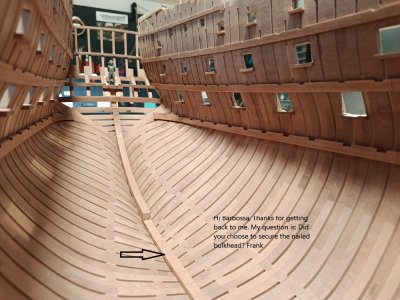
Excuse me, Barbossa, is the planking of the midship section your choice?
Article 21.
The Midship Section.
The midship section Z (Plates I, II, III) consists of three or four large pieces of wood, joined together in the same manner as the keel sections, that is, with strakes. They are positioned at the midpoint of the keel beams and the keel strakes in the same direction as the keel, and extend from the bow stem to two-thirds of the length of the aft hull sections.
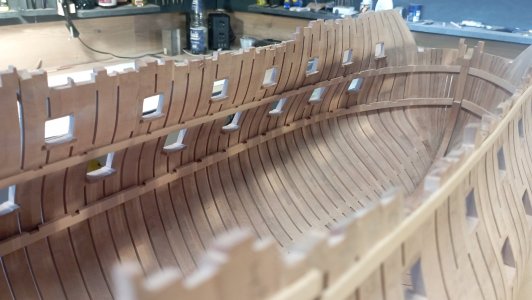
At the front of each keel beam, the paramezzale is cut back by one and a half inches, or two inches, and connected to the keel beams using the same pins that fasten the keel beams to the keel.
The paramezzale serves to connect and join the madieri to the keel.
The pieces that compose it are half the width and thickness of those of the keel, not including the indentation. From beneath the keel, a pin is driven through it, the madiere, and the paramezzale, on which it is secured with a cotter pin on the washer. This operation is performed on groups of two planks at a time.
There is nothing to prevent making the paramezzale from two joined pieces, much like the rows in galleys.
The paramezzale widens by a few inches near the point where the mainmast rests. Frank
Translated with DeepL.com (free version)