





Hi all !!
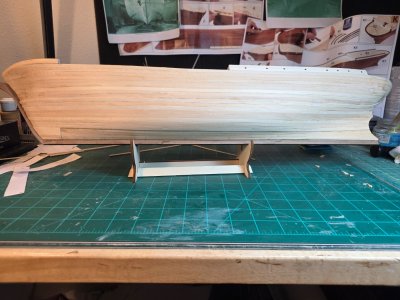
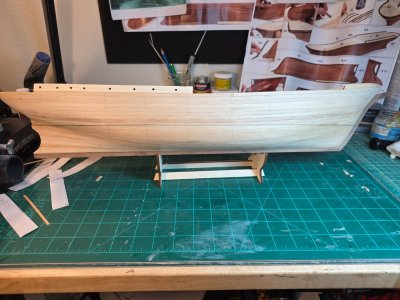
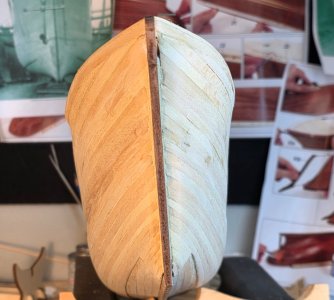
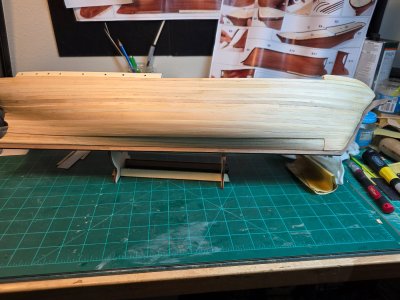
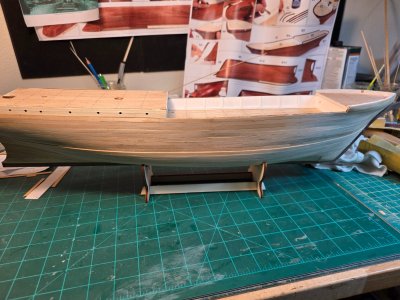
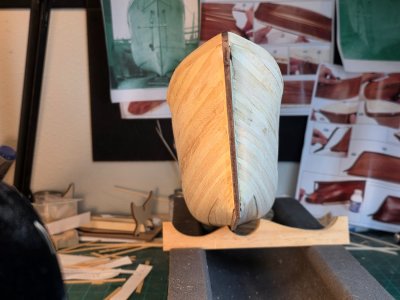
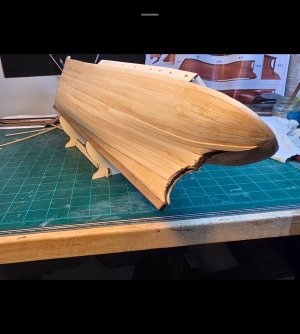
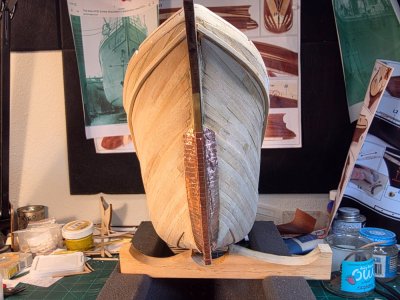
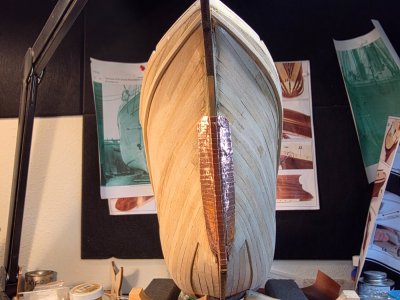
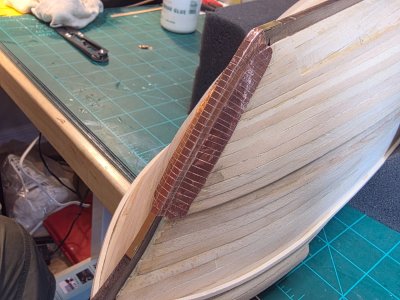
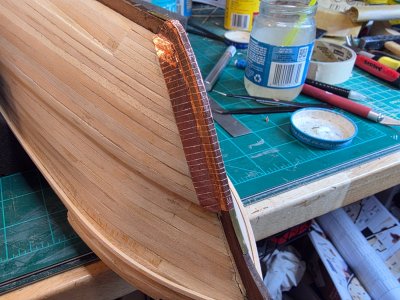
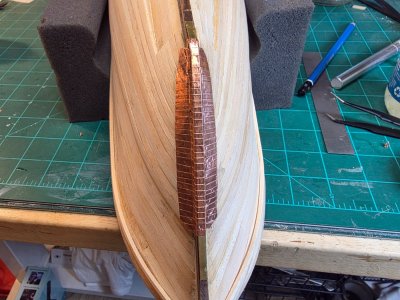
Since my last posting, I finished the 2nd planking. For that, i used the 2x5 mm left from the 1st planking, instead of the dark brown planks provided in the kit. I will explain why later. With the thickness sander I reduced its thickness to 0.5 mm.
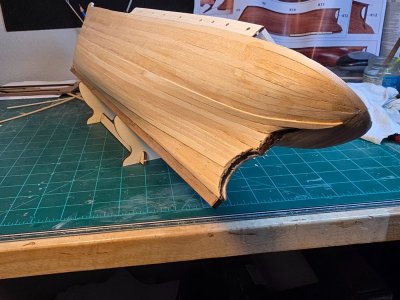
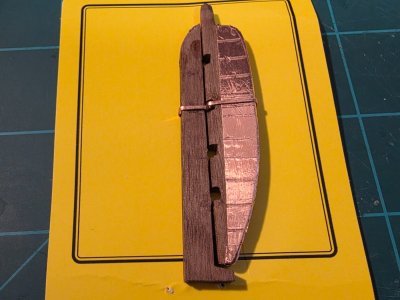
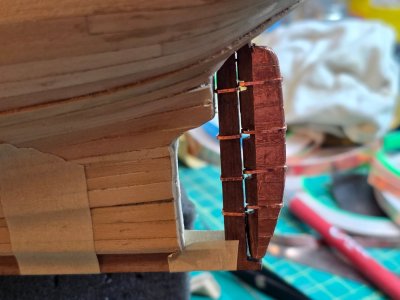
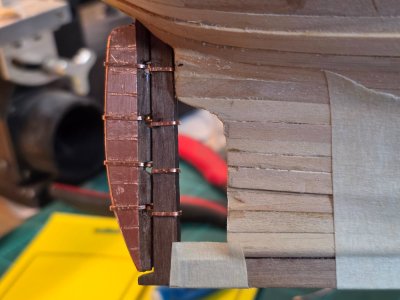
Then, with planks that I have from previous kits, I did the "Ironwood" (Greenheart Wood) planking that reinforced the hull to brake ice. Again, they all where 2x5 mm and I reduced its thickness to 1x5 mm
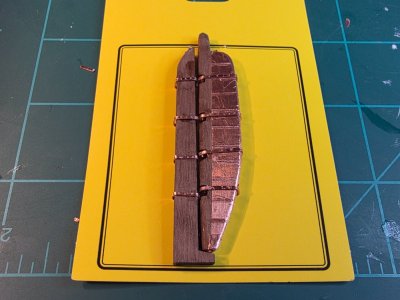
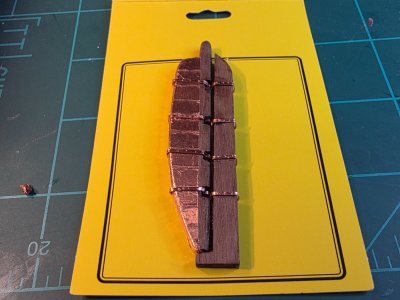
I still need to do the other side and add the metal protection to the stem.
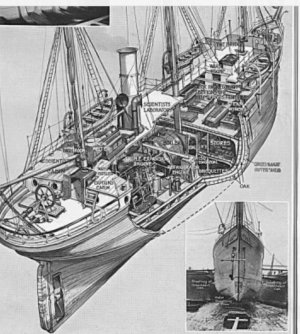
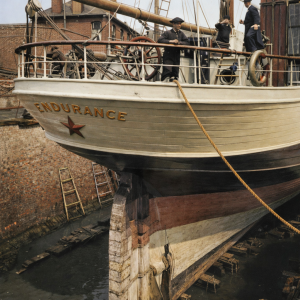
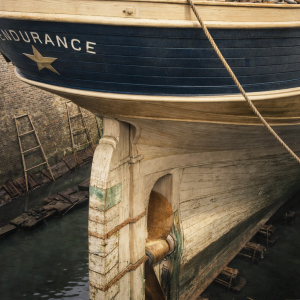
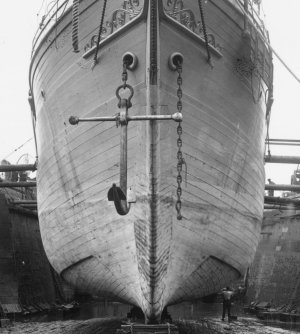
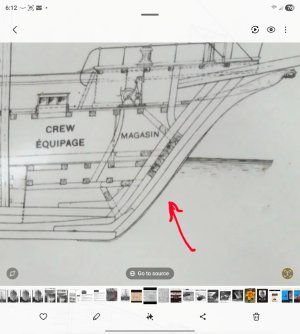
These images and the cartoon show the hull reinforcement
The below image comes from : https://www.mediastorehouse.com.au/...ne/endurance-cutaway-view-print-14145530.html
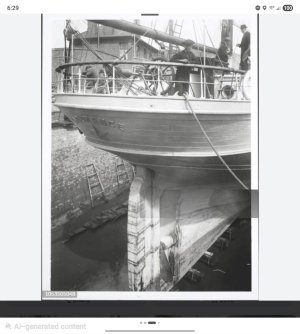
the below black and white images are from Getty Images.

 www.gettyimages.com
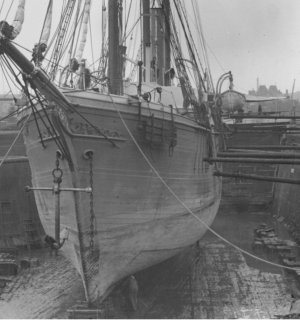
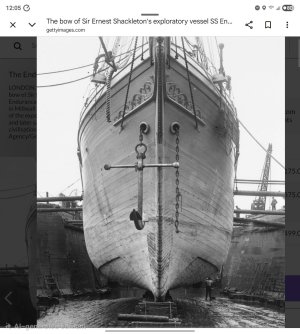
I have not seen any ENDURANCE kit model built with this hull details.
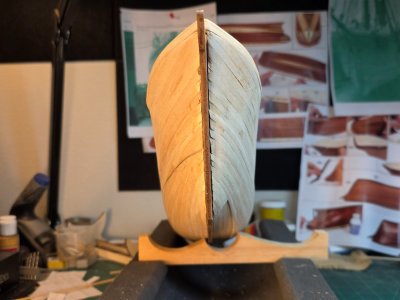
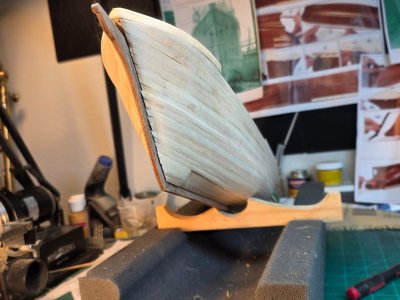
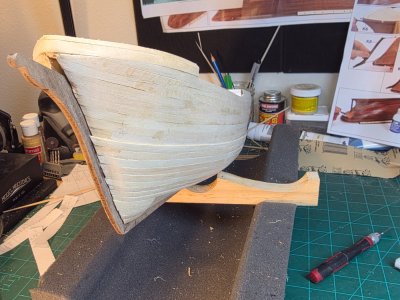
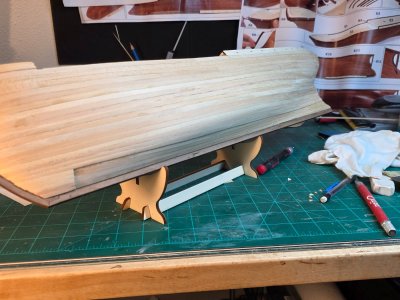
I decided to use the same wood, Just in case, to avoid issues later with the paint. Now you have the "why".
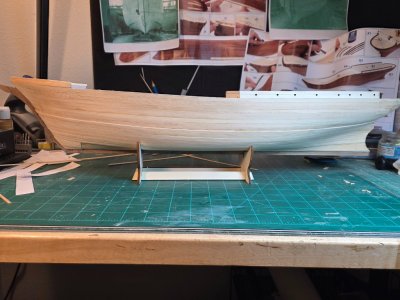
Next posting will be with both sides fully planked.... if I succeed
Cheers
Daniel
Ps:
Endurance (1912) was a 43.9-meter barquentine designed for ice navigation, featuring an extremely robust, thick wooden hull, with sides ranging from 18 to 30 inches thick and a 52-inch thick bow for breaking ice. Built of oak and Norwegian fir, she featured doubled frames for strength, yet her weakness in resisting lateral compressive ice pressure resulted in her eventual destruction and sinking.
Key Hull Structure Details:
Keel and Stem: The keel comprised four stacked solid oak pieces, totaling 85 inches (2.2m) in thickness. The bow was specially designed for ramming ice, built of exceptionally thick timber to withstand direct impacts.
Planking and Framing: The outer hull was sheathed in greenheart, an exceptionally durable, heavy, and dense wood designed to resist ice abrasion. The framing used double the normal amount of timber, with double-thickness frames to provide immense structural rigidity.
Since my last posting, I finished the 2nd planking. For that, i used the 2x5 mm left from the 1st planking, instead of the dark brown planks provided in the kit. I will explain why later. With the thickness sander I reduced its thickness to 0.5 mm.
Then, with planks that I have from previous kits, I did the "Ironwood" (Greenheart Wood) planking that reinforced the hull to brake ice. Again, they all where 2x5 mm and I reduced its thickness to 1x5 mm
I still need to do the other side and add the metal protection to the stem.
These images and the cartoon show the hull reinforcement
The below image comes from : https://www.mediastorehouse.com.au/...ne/endurance-cutaway-view-print-14145530.html
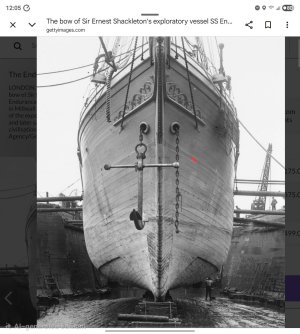
the below black and white images are from Getty Images.
The bow of Sir Ernest Shackleton's exploratory vessel SS Endurance...
The bow of Sir Ernest Shackleton's exploratory vessel SS Endurance being prepared for her Antarctic voyage in Millwall Docks, London, England. Towards the end of the expedition, the ship became stuck...
I have not seen any ENDURANCE kit model built with this hull details.
I decided to use the same wood, Just in case, to avoid issues later with the paint. Now you have the "why".
Next posting will be with both sides fully planked.... if I succeed
Cheers
Daniel
Ps:
Endurance (1912) was a 43.9-meter barquentine designed for ice navigation, featuring an extremely robust, thick wooden hull, with sides ranging from 18 to 30 inches thick and a 52-inch thick bow for breaking ice. Built of oak and Norwegian fir, she featured doubled frames for strength, yet her weakness in resisting lateral compressive ice pressure resulted in her eventual destruction and sinking.
Key Hull Structure Details:
Keel and Stem: The keel comprised four stacked solid oak pieces, totaling 85 inches (2.2m) in thickness. The bow was specially designed for ramming ice, built of exceptionally thick timber to withstand direct impacts.
Planking and Framing: The outer hull was sheathed in greenheart, an exceptionally durable, heavy, and dense wood designed to resist ice abrasion. The framing used double the normal amount of timber, with double-thickness frames to provide immense structural rigidity.
Last edited:








 .
.

