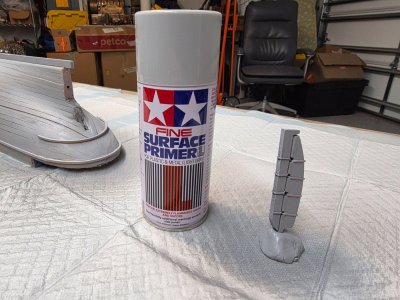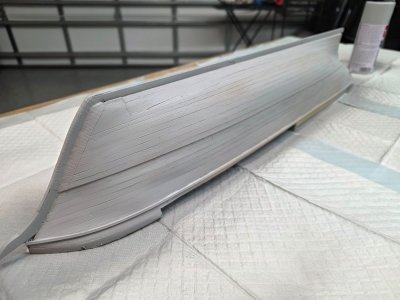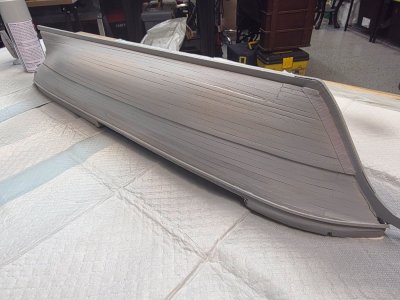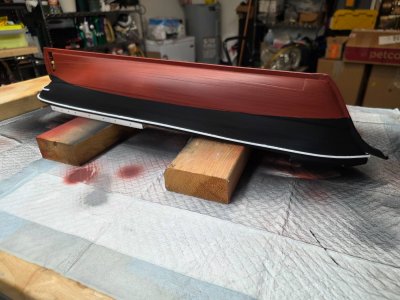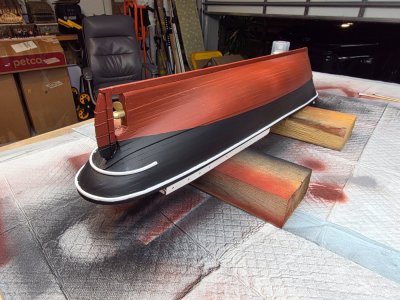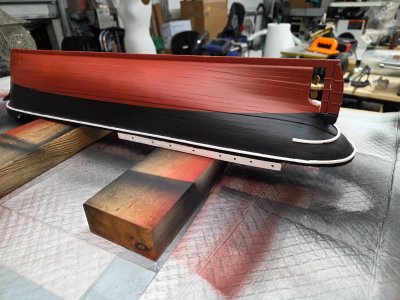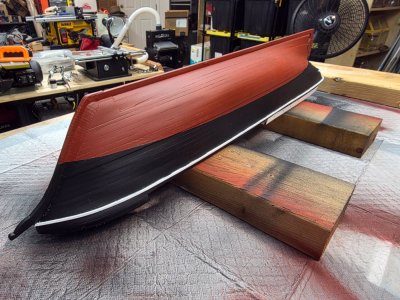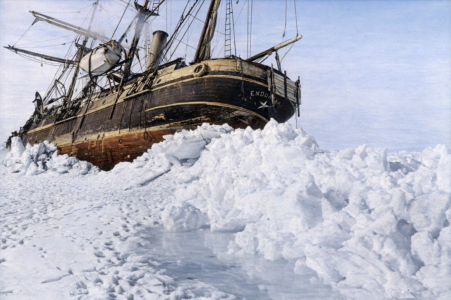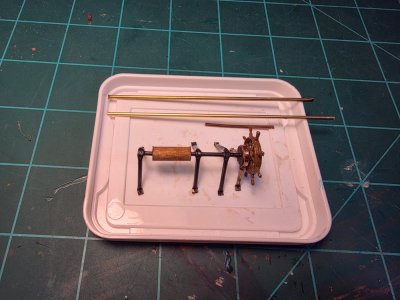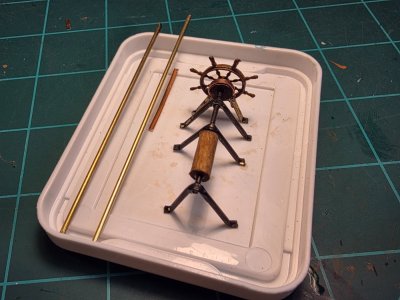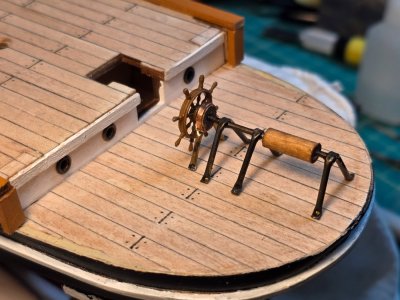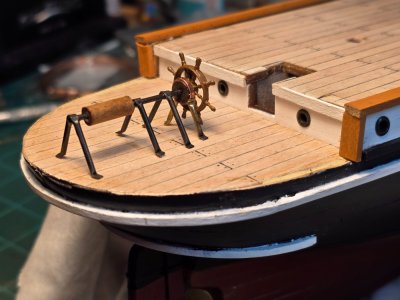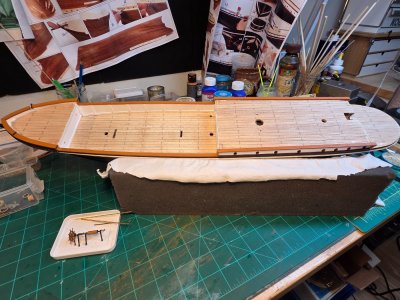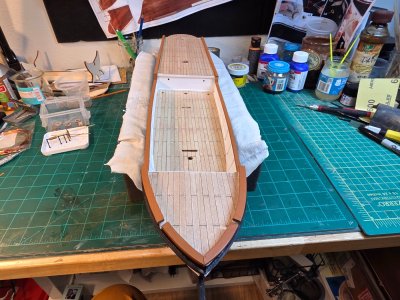



My Friend Mike is building from Scratch the SS BEAR, designed for Artic and Antarctic travels. We chat about the difference and why the Endurance have collapsed and the Bear didn't.Several Arctic research ships were converted bomb vessels, which had a huge amount of internal bracing. The HMS Terror and Erebus come to mind. I'm not sure even that bracing was enough under the most extreme conditions.
Here are some why's:
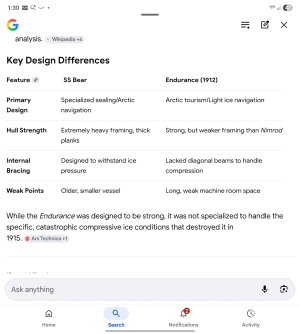
Based on recent technical analysis, the SS Bear was arguably better designed for the specific, intense, and sustained compressive ice loads that doomed the Endurance. While Endurance was a massively strong, modern wooden vessel, it was designed more for navigation at the ice’s edge rather than enduring long-term entrapment in heavy, moving pack ice.
Comparison of Design and Performance
SS Bear (Built 1874): Built in Scotland as a sealer, it featured exceptionally thick wooden planking (roughly 6 inches or more) and was engineered to push through thick ice packs. Its long service life in both Arctic and Antarctic, including the 1887 overland rescue, demonstrated immense durability against heavy pressure.
Endurance (Built 1912): Although built in the same era as other polar ships, recent studies show Endurance had structural deficiencies, such as weaker deck beams and oak/pine frames, compared to counterparts like Fram or Discovery. Crucially, it lacked the diagonal internal support beams needed to withstand the "squeeze" of the Weddell Sea pack ice.
The "Crush" Factor: While Endurance was intended to be "the strongest wooden ship," its design—originally for Arctic tourism and light sealing—was ill-suited for the immense lateral compressive forces of the Antarctic, according to a 2025 analysis.