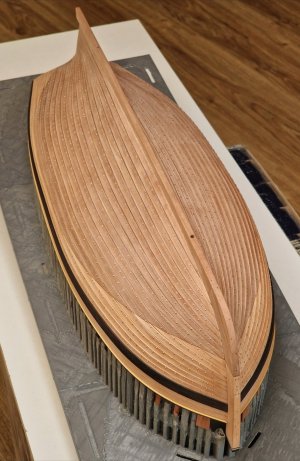




• SUBSCRIBE TO SHIPS IN SCALE TODAY!

    The beloved Ships in Scale Magazine is back and charting a new course for 2026!
    Discover new skills, new techniques, and new inspirations in every issue.

    NOTE THAT OUR NEXT ISSUE WILL BE MARCH/APRIL 2026
  • Win a Free Custom Engraved Brass Coin!!!
    As a way to introduce our brass coins to the community, we will raffle off a free coin during the month of August. Follow link ABOVE for instructions for entering.

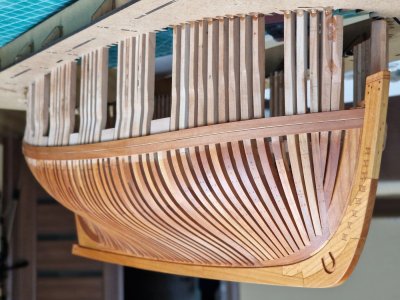
HMS Alert [1777] 1:48 POF by serikoff. (Two hulls: skeleton and fully rigged)

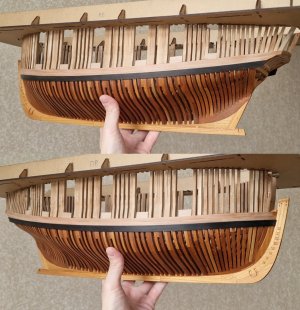
*I know you love this kind of thing, so here's a little update. And then comes the complicated process with wales.

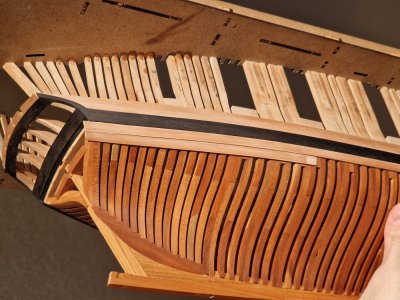
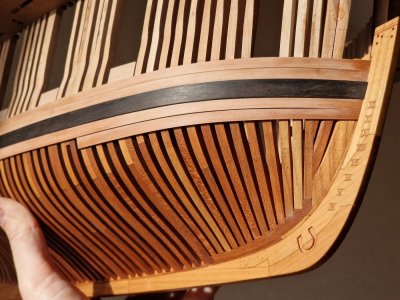
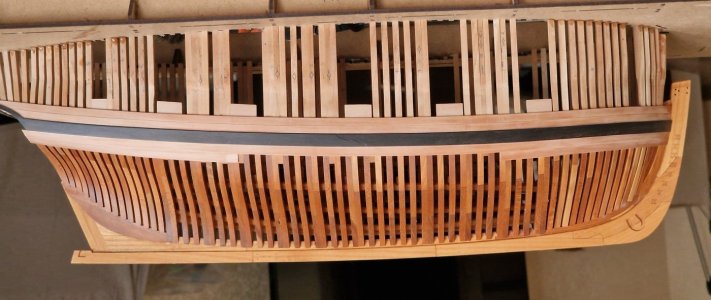
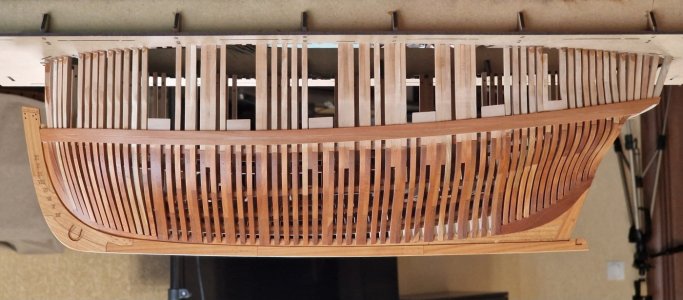
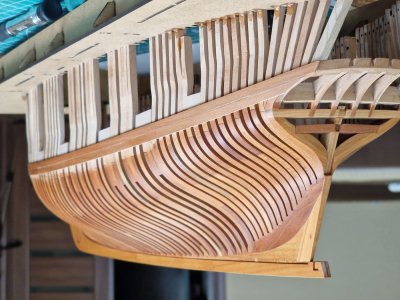
Carvel planking. 1st hull.

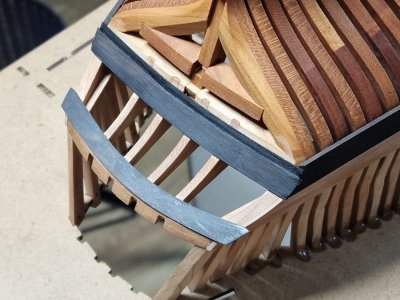
I already had the plank from the second hull (only there it was used below the waterline). It was polished and coated with Tung oil for the trim. After fixing it, I'll give it a final polish and recoat it as usual.

I spot-glued it to the SA, following the marking line (the bottom one!! Which I did the second time).
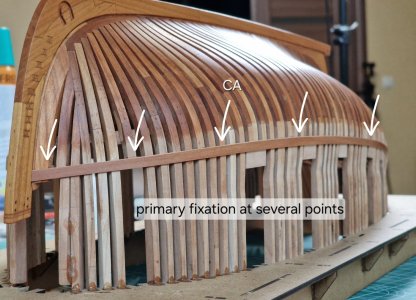
Alert 2435.jpg

Then I checked the symmetry and smoothness of the arc. If necessary, you can carefully tear off the strip where it needs to be moved; this is only possible while the glue is still in a few spots.
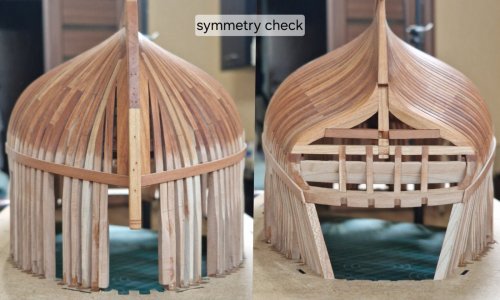
Alert 2436.jpg

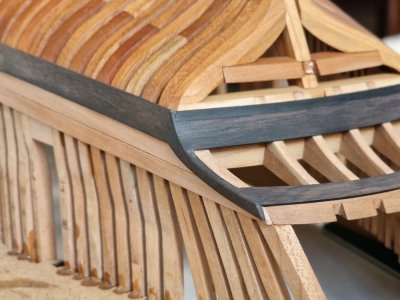
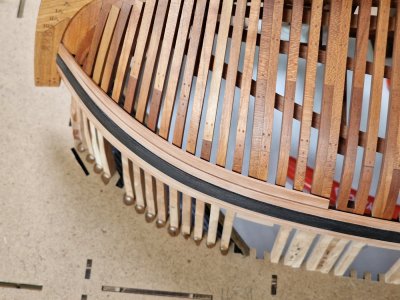
Once everything was checked, I applied glue from the inside to the joints using the capillary method. You don't need a lot of glue—there'll be a lot of spills to clean up later.
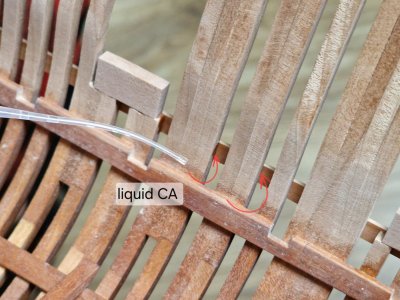
Alert 2437.jpg

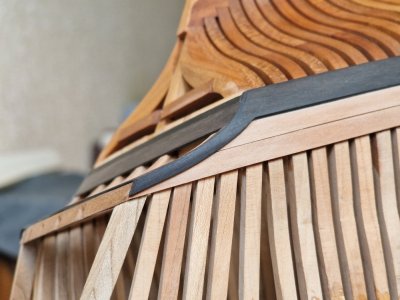
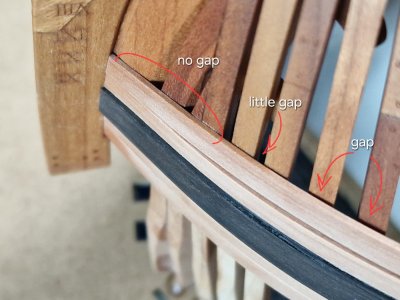
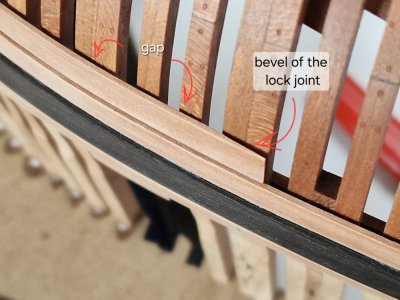
Then the second belt did the same. But before that, I made a slight chamfer on the two slats where they met, so that there would be a gap between them halfway down the contact line.
Alert 2438.jpg

Alert 2439.jpg

Alert 2440.jpg
 
Ich weiß, du liebst sowas, deshalb hier ein kleines Update. Und dann kommt der komplizierte Prozess mit Wales.

Klinkerbeplankung. 1. Rumpf.

Ich hatte das Brett vom zweiten Rumpf bereits (dort wurde es nur unterhalb der Wasserlinie verwendet). Es war poliert und mit Tungöl für die Zierleiste behandelt. Nach der Montage werde ich es noch einmal polieren und wie üblich neu beschichten.

Ich habe es entlang der Markierungslinie (der unteren!! Was ich beim zweiten Mal gemacht habe) mit Punktkleber auf die SA geklebt.

View attachment 601113

Anschließend überprüfte ich die Symmetrie und die Gleichmäßigkeit des Bogens. Falls nötig, kann man den Streifen an der Stelle, an der er versetzt werden muss, vorsichtig abreißen; dies ist jedoch nur möglich, solange der Kleber noch an einigen Stellen haftet.

View attachment 601114

Nachdem alles überprüft war, habe ich die Klebestellen von innen mit der Kapillarmethode verklebt. Man braucht nicht viel Kleber – es gibt später noch einiges aufzuwischen.

View attachment 601115

Dann wurde der zweite Riemen genauso verarbeitet. Zuvor hatte ich jedoch die beiden Lamellen an der Kontaktstelle leicht abgeschrägt, sodass auf halber Höhe der Kontaktlinie ein Spalt zwischen ihnen entstand.

View attachment 601116

View attachment 601117

View attachment 601118
Wunderschön, ausgearbeitete Rumpfform. Fantastische Oberfläche der Spanten.
 
Wale. Stern.

Since I've already shown how I made these parts on the second hull, I won't repeat myself; everyone is here. I'll only go into more detail on things I didn't mention in previous parts, or anything new.

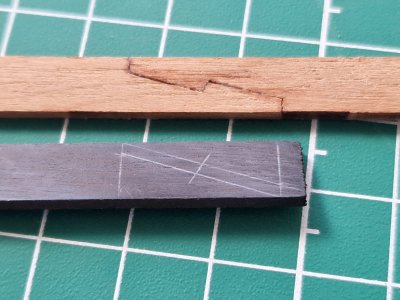
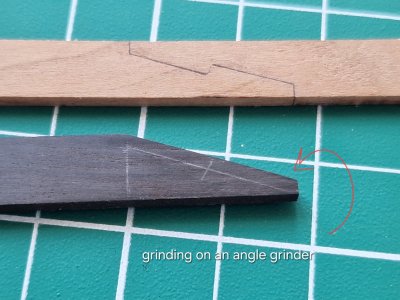
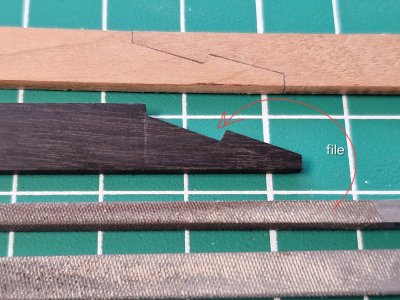
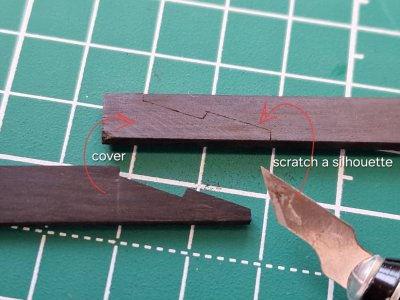
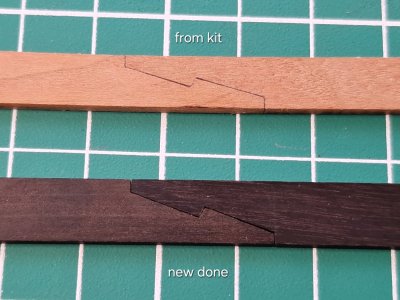
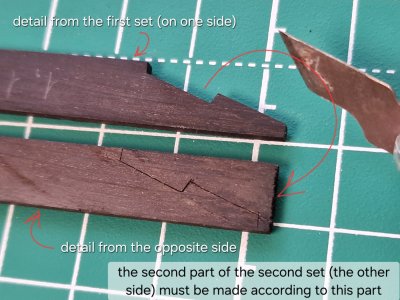
This is because I didn't have a long blank for the entire board (I had to join two with a lock). If you have a long blank, I recommend using the boards the entire length and then simulating the joint. I've done this before, but I didn't show the process of creating the lock itself...

Alert 2441.jpg

Alert 2442.jpg

Alert 2443.jpg

Alert 2444.jpg

Alert 2445.jpg

Alert 2446.jpg

Alert 2447.jpg

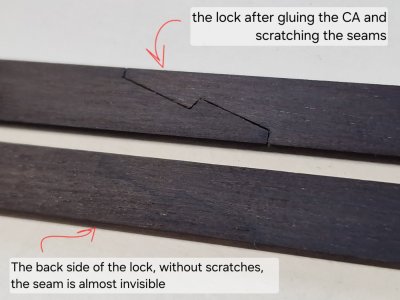
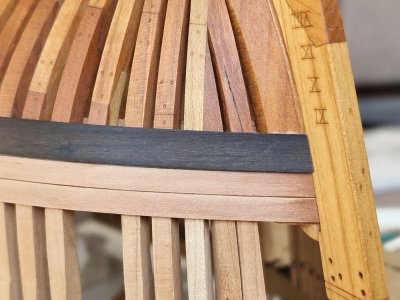
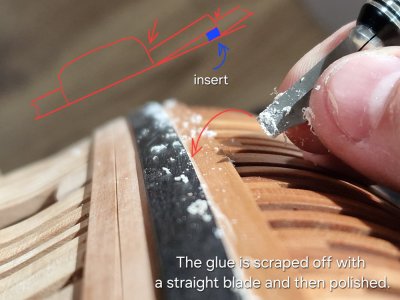
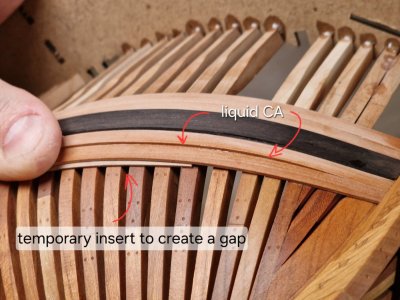
I really like black hornbeam, not only for its color, but also because if you fill it with CA and sand it, you'll practically see no gaps, which is sometimes very useful... but not when you need to show that the parts are different, so I intentionally create a gap, as in the photo above.

By the way, black hornbeam bends quite well...

Alert 2448.jpg

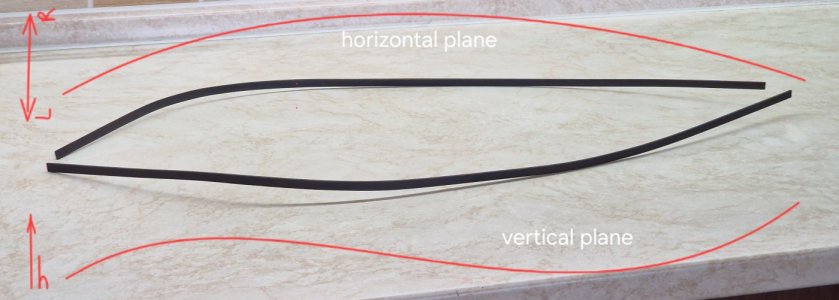
To ensure the wale lays flat, it's best to bend it in two planes first. I used a simple method: I pour a puddle of water onto an electric stove (it could be regular glass, too) and soak the board in it. After a minute, I press a hot iron directly into the puddle and bend it in the desired direction. It's quick and very simple.

Alert 2449.jpg

Alert 2450.jpg

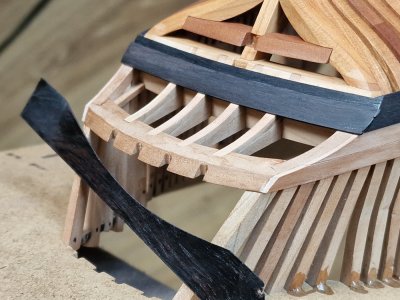
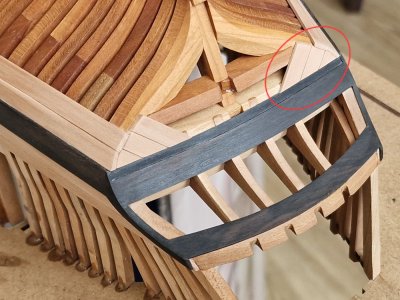
I made the stern planks in exactly the same way as on the second hull, except here I'll only use the upper and lower ones to show the internal frame structure. The hardest part was making these half-arches. I had to make them twice, since there are two hulls...

Alert 2451.jpg

Alert 2452.jpg

Alert 2453.jpg

Alert 2454.jpg
 
Clinker planking. 1/2

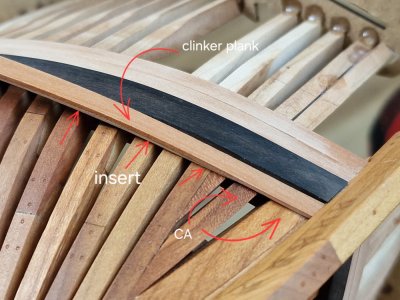
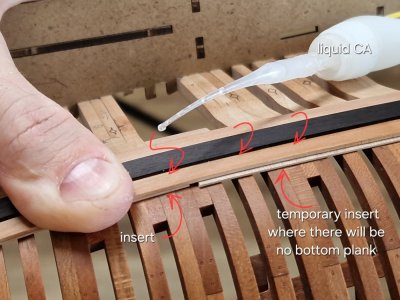
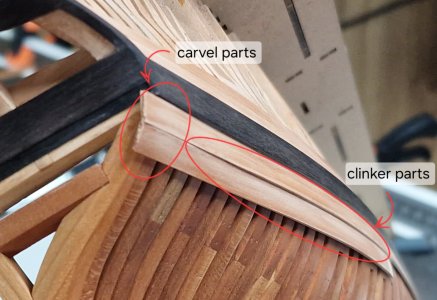
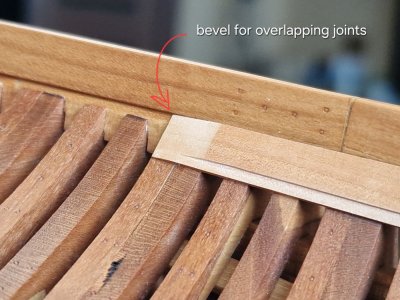
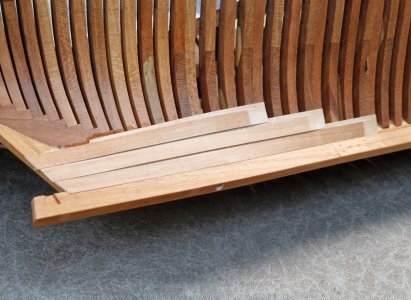
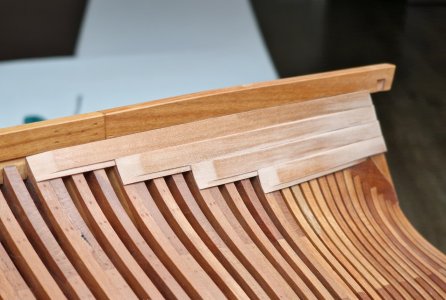
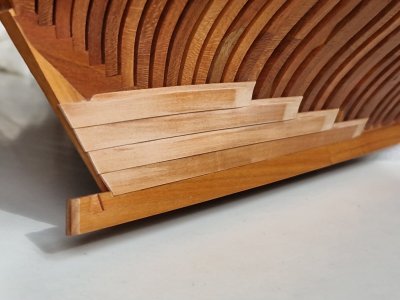
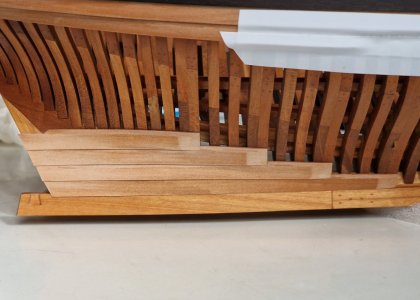
On the first hull, I won't be doing the entire planking, just the top chord, part of the second chord, and a few planks of the bottom chords. While I'll be doing the bottom planks using the real method (that'll be in the next post), I'll be doing the top planks with imitation clinker (as on the entire second hull).

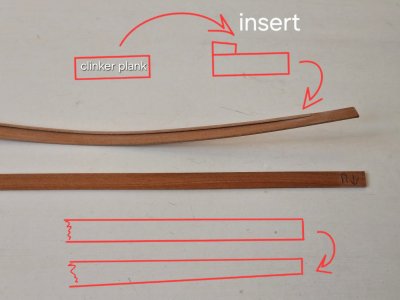
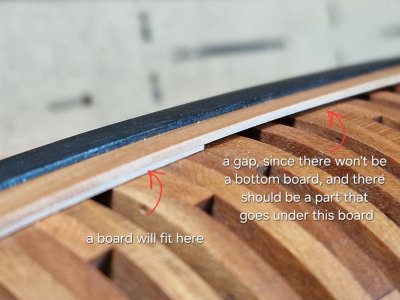
Since this is a demonstration version of clinker planking (the boards were actually installed one at a time, from bottom to top, overlapping the top planks), we can't actually see the gaps under the planks, as there are other boards underneath them. But since this is a demonstration, we need to create these gaps. The photo below will show you what I mean.

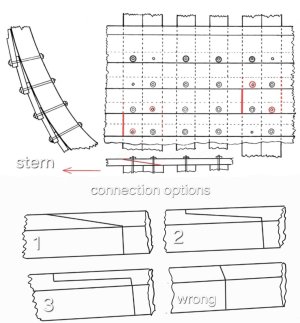
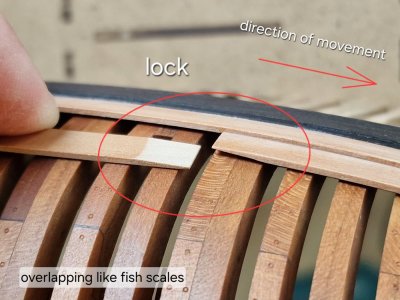
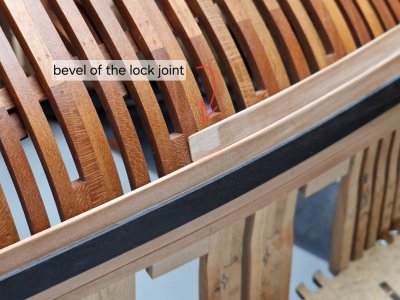
I won't repeat the details of the locks and structure of clinker planking; I've already discussed that. I previously wrote about clinker here.

Alert 2455.jpg

Alert 2456.jpg

Alert 2457.jpg

Alert 2458.jpg

Alert 2459.jpg

Alert 2460.jpg

Alert 2461.jpg

Alert 2462.jpg

Alert 2463.jpg

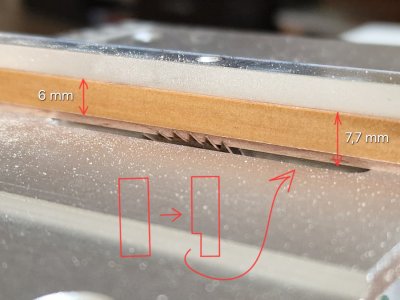
Let me remind you of the structure of clinker planking.

Alert 2463a.jpg

Alert 2464.jpg

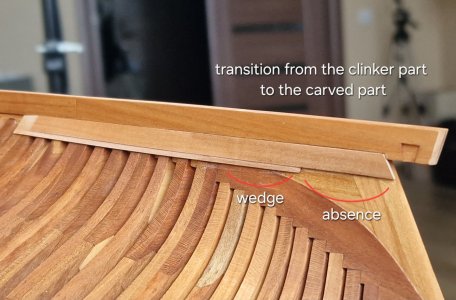
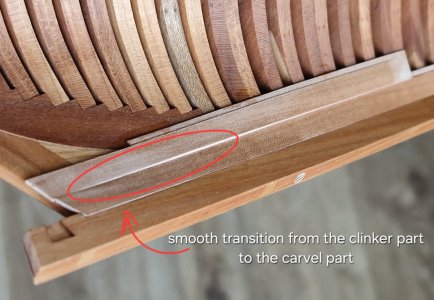
On the second belt (it is made of three boards, but there will be no middle one) I show the structure of the castle, or rather both of its parts.

Alert 2465.jpg

Alert 2466.jpg

Alert 2467.jpg

Alert 2468.jpg

Alert 2469.jpg

Below I will make a few more boards, but using the real method (not imitation), to show the structure of the upper part of the clinker planking board.
 
Last edited:
Back
Top