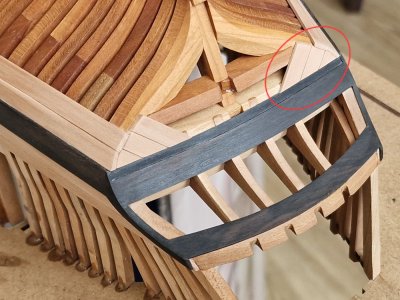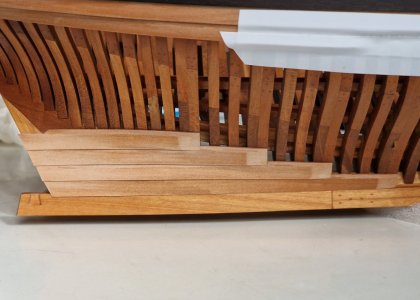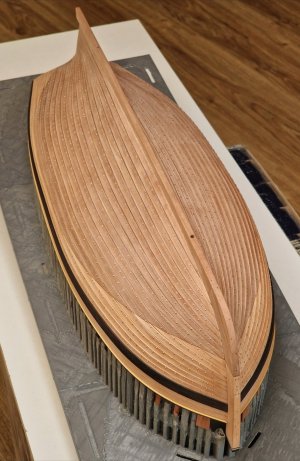




*I know you love this kind of thing, so here's a little update. And then comes the complicated process with wales.
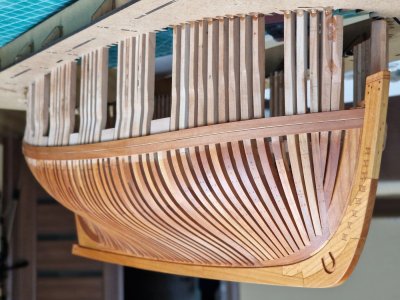
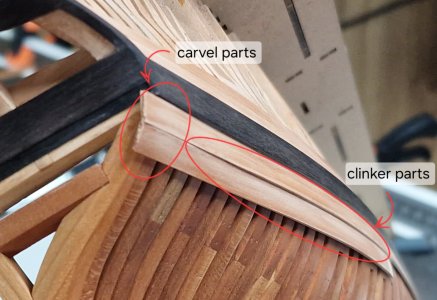
Carvel planking. 1st hull.
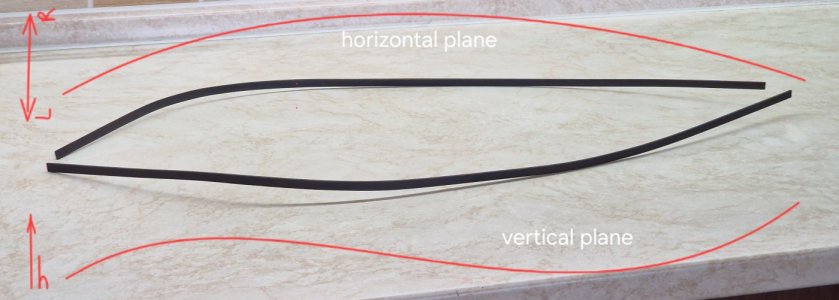
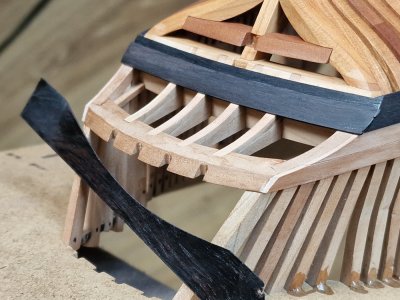
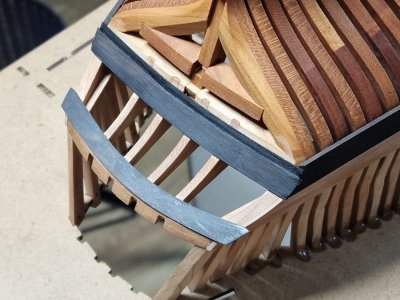
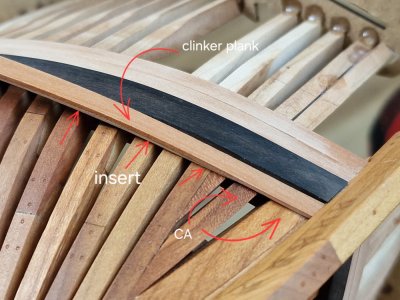
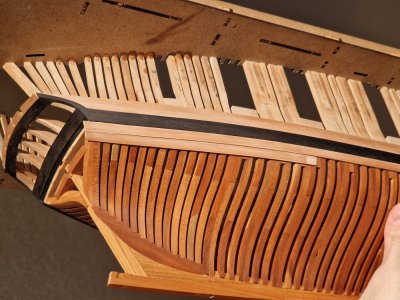
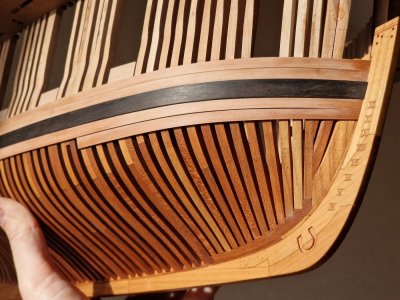
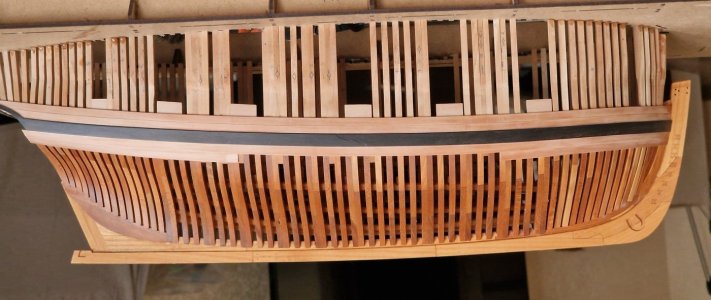
I already had the plank from the second hull (only there it was used below the waterline). It was polished and coated with Tung oil for the trim. After fixing it, I'll give it a final polish and recoat it as usual.
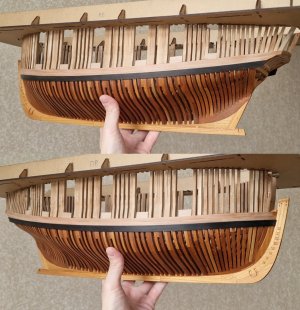
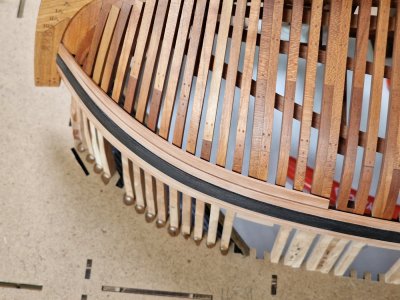
I spot-glued it to the SA, following the marking line (the bottom one!! Which I did the second time).
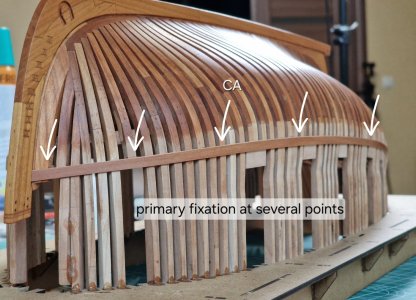
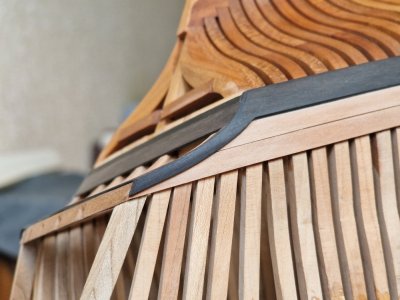
Then I checked the symmetry and smoothness of the arc. If necessary, you can carefully tear off the strip where it needs to be moved; this is only possible while the glue is still in a few spots.
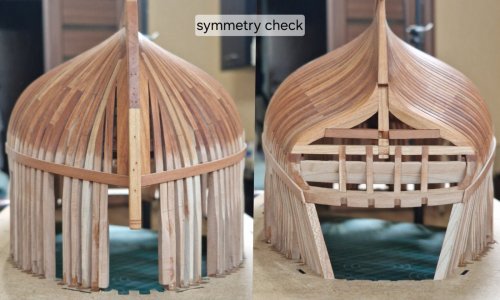
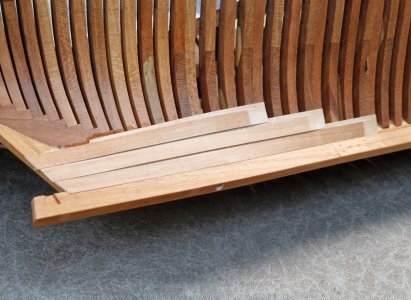
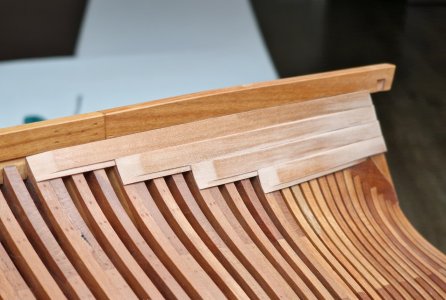
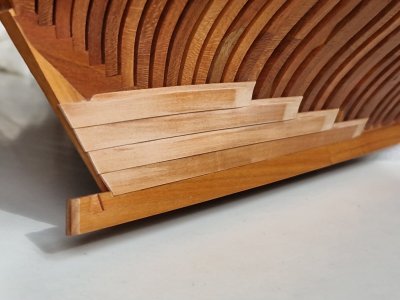
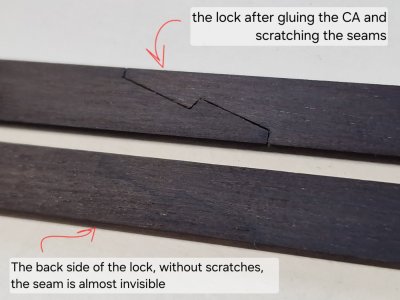
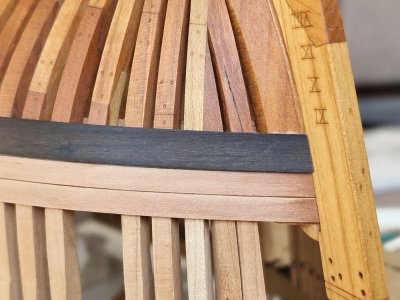
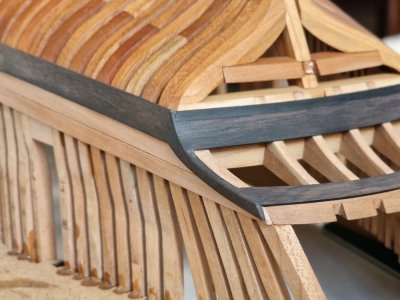
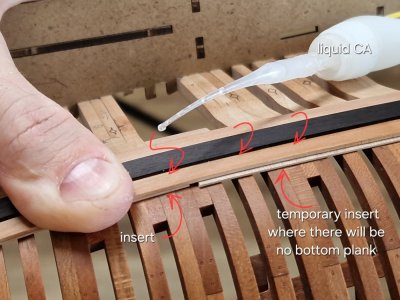
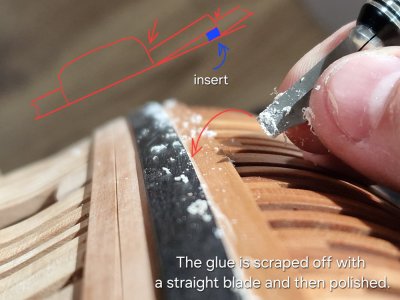
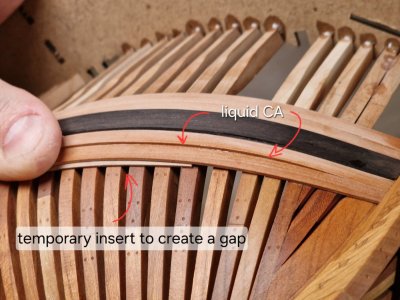
Once everything was checked, I applied glue from the inside to the joints using the capillary method. You don't need a lot of glue—there'll be a lot of spills to clean up later.
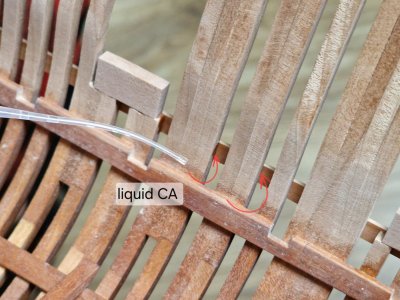
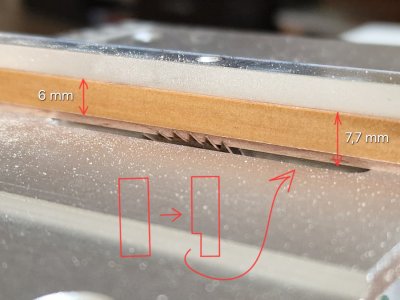
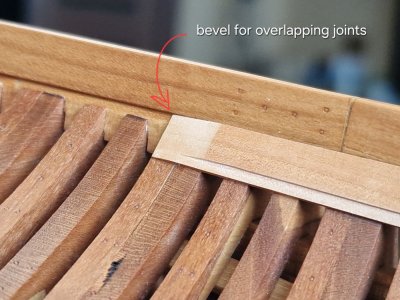
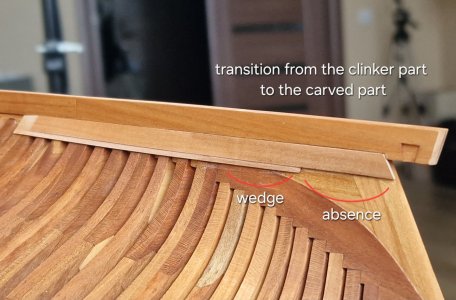
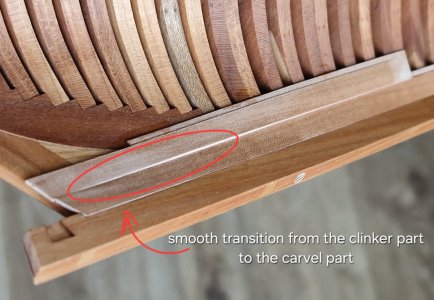
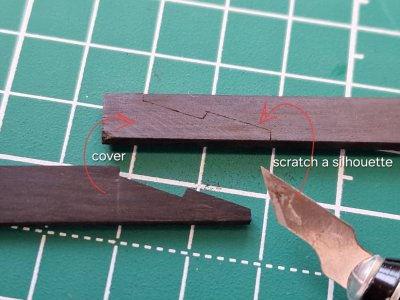
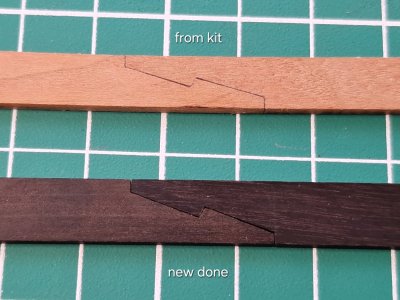
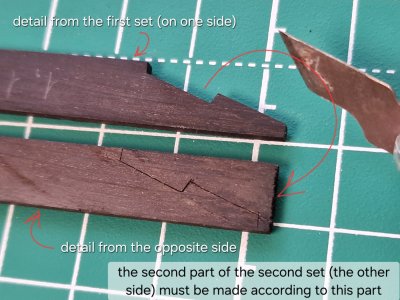
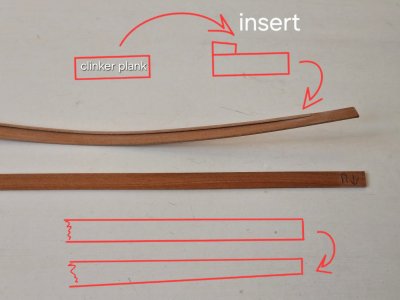
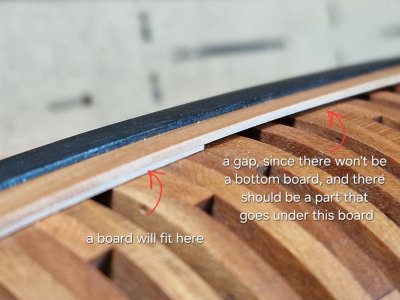
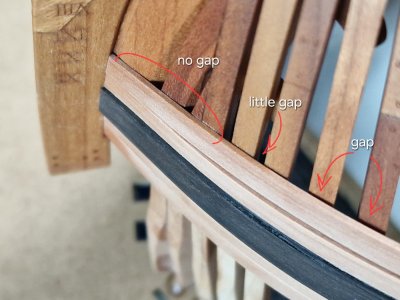
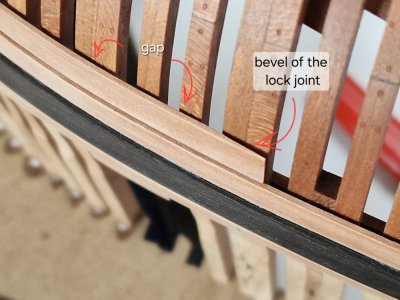
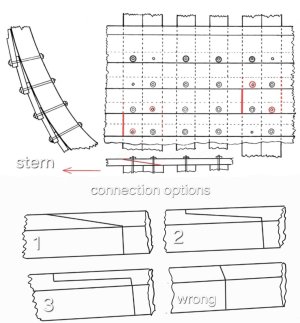
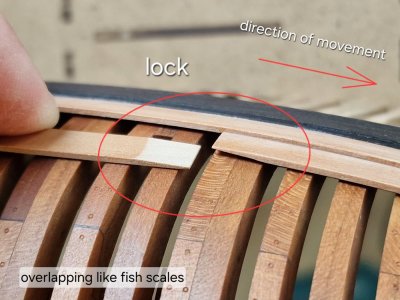
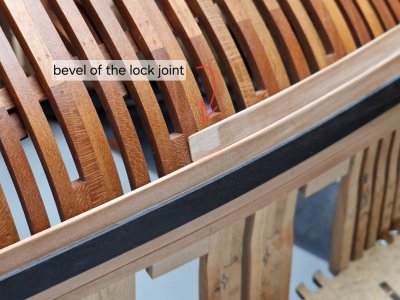
Then the second belt did the same. But before that, I made a slight chamfer on the two slats where they met, so that there would be a gap between them halfway down the contact line.
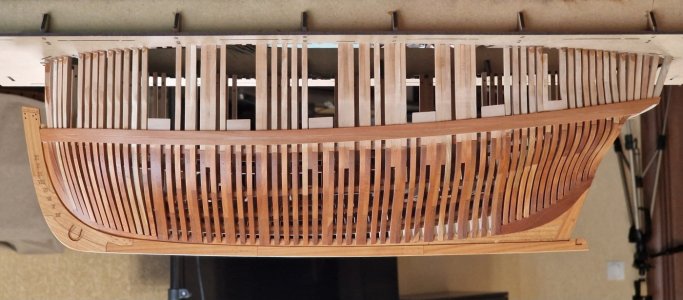
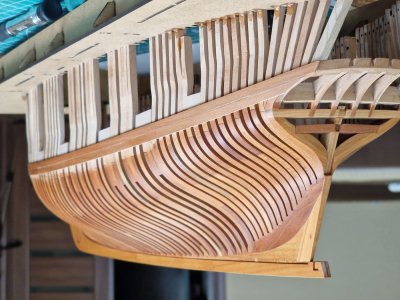
Carvel planking. 1st hull.
I already had the plank from the second hull (only there it was used below the waterline). It was polished and coated with Tung oil for the trim. After fixing it, I'll give it a final polish and recoat it as usual.
I spot-glued it to the SA, following the marking line (the bottom one!! Which I did the second time).
Then I checked the symmetry and smoothness of the arc. If necessary, you can carefully tear off the strip where it needs to be moved; this is only possible while the glue is still in a few spots.
Once everything was checked, I applied glue from the inside to the joints using the capillary method. You don't need a lot of glue—there'll be a lot of spills to clean up later.
Then the second belt did the same. But before that, I made a slight chamfer on the two slats where they met, so that there would be a gap between them halfway down the contact line.


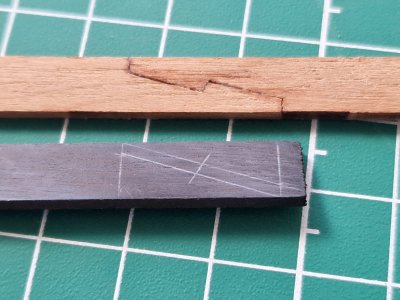
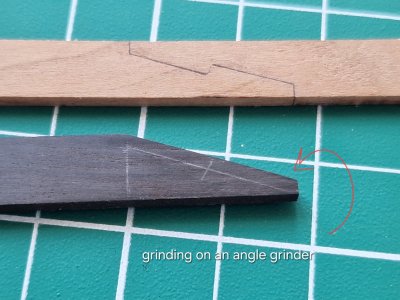
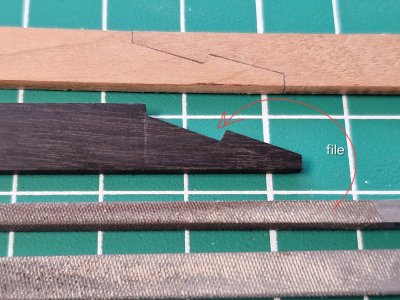





 . Us South Africans never give up though so I will keep trying. Thanks for sharing this build with us. Cheers Grant