


Good morning, Paul and Chris.
First of all, thank you very much, Paul—that’s very kind of you.
Chris:
No, as far as I know, Zeiss Jena did not supply rangefinders to the Imperial Japanese Navy for the Battle of Tsushima. Instead, coincidence rangefinders from the Scottish firm Barr & Stroud are credited with the Japanese forces' superior targeting accuracy.
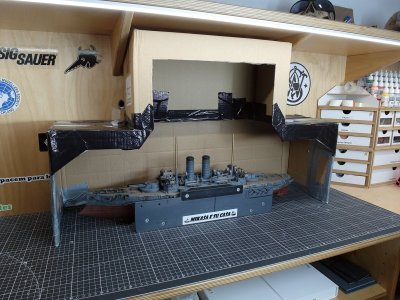
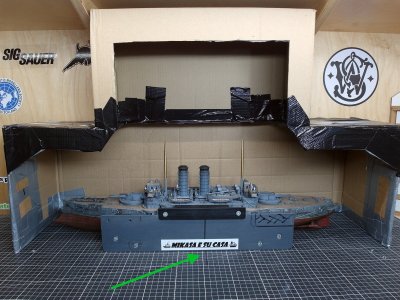
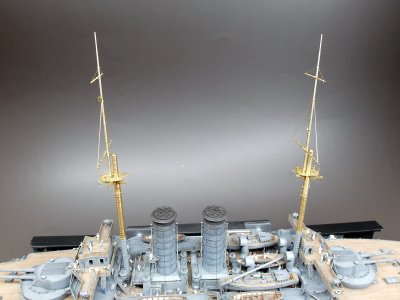
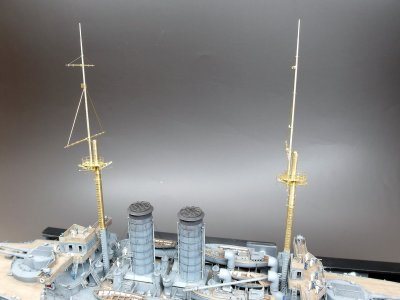
However, there is indeed a connection to Zeiss Jena—not involving rangefinders, but rather the admiral's binoculars: during the battle, Japanese Fleet Admiral Tōgō Heihachirō wore a famous Carl Zeiss Jena "naval turret binocular" around his neck. These binoculars were a top-tier personal instrument and can still be seen today on the museum ship *Mikasa* in Japan. Since Tōgō used them to keep the Russian fleet in sight, the Zeiss name was frequently mentioned prominently in reports.
I imagine that is how this piece of misinformation might have originated.
First of all, thank you very much, Paul—that’s very kind of you.
Chris:
No, as far as I know, Zeiss Jena did not supply rangefinders to the Imperial Japanese Navy for the Battle of Tsushima. Instead, coincidence rangefinders from the Scottish firm Barr & Stroud are credited with the Japanese forces' superior targeting accuracy.
However, there is indeed a connection to Zeiss Jena—not involving rangefinders, but rather the admiral's binoculars: during the battle, Japanese Fleet Admiral Tōgō Heihachirō wore a famous Carl Zeiss Jena "naval turret binocular" around his neck. These binoculars were a top-tier personal instrument and can still be seen today on the museum ship *Mikasa* in Japan. Since Tōgō used them to keep the Russian fleet in sight, the Zeiss name was frequently mentioned prominently in reports.
I imagine that is how this piece of misinformation might have originated.
Last edited: