






Build Log 1:
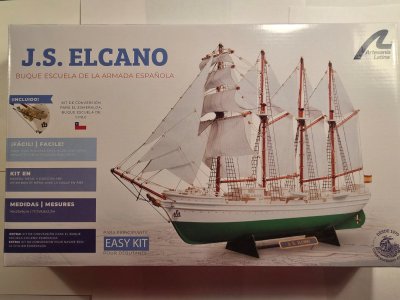
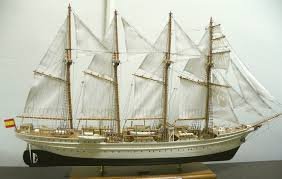
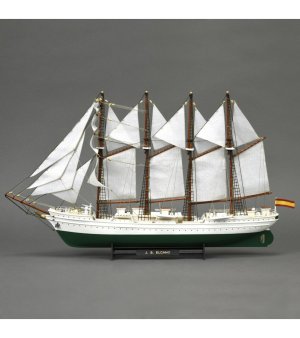
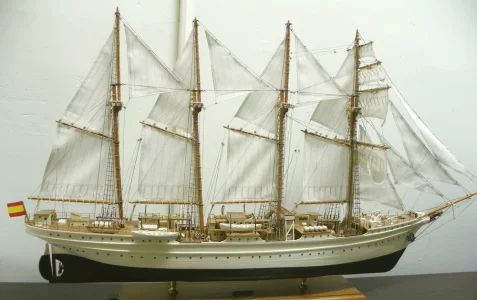
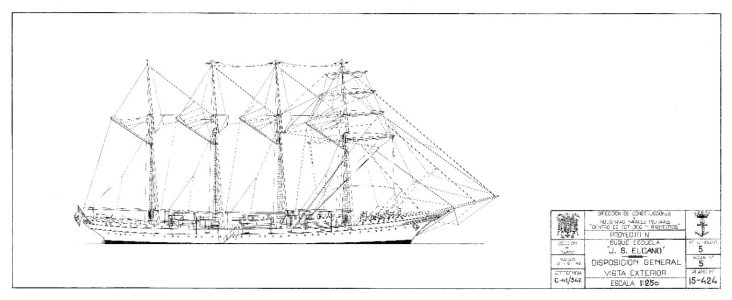
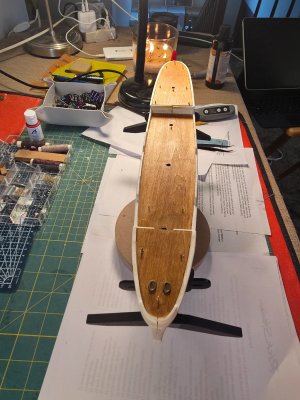
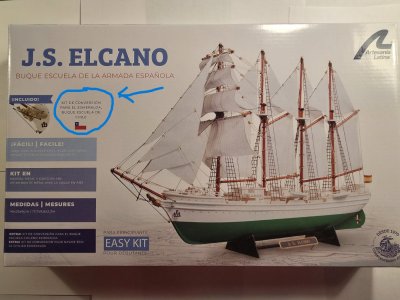
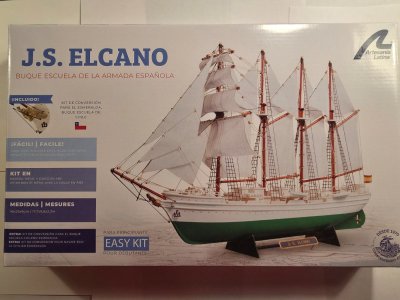
Starting my new project today - A build log of the Juan Sebastian Elcano model kit from Artesiana Latina.
The Plan: To build the Juan Sebastian Elcano (a four-masted barquentine) "as" the Moshulu (a four-masted barque). The Moshulu is part of my model club's project to build ships representing the "Philadelphia Navy," or all the ships that call Philadelphia Pennsylvania (US) home. These include the U.S.S. New Jersey battleship, the U.S.S. Becuna submarine, the U.S.S. Olympia battle cruiser, and other vessels in my neighborhood. See my signature page below.
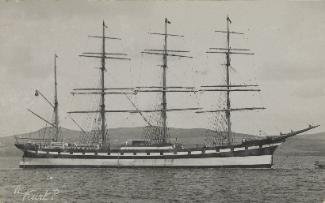
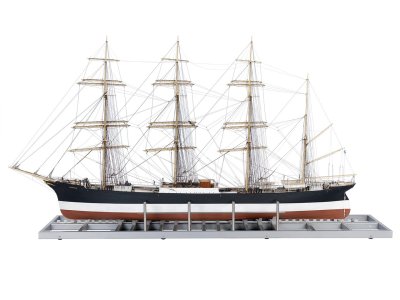
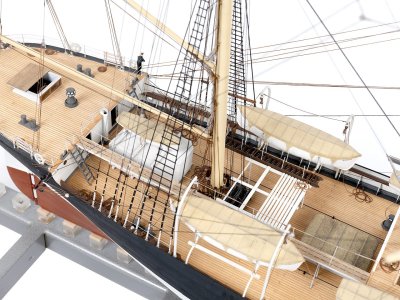
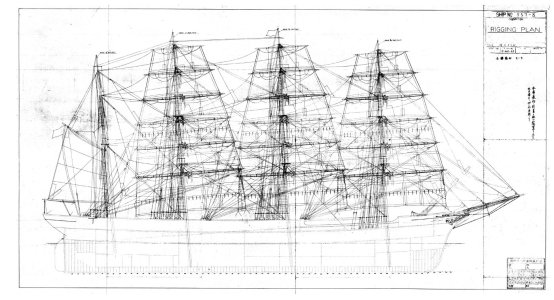
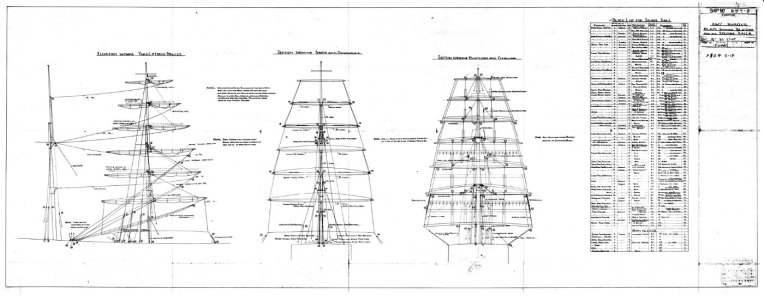
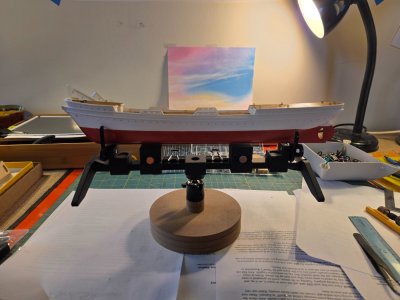
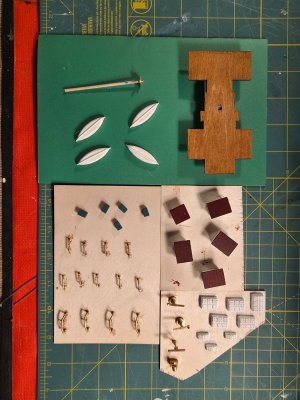
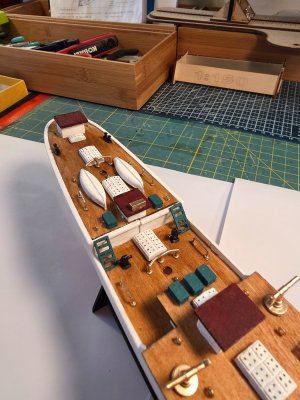
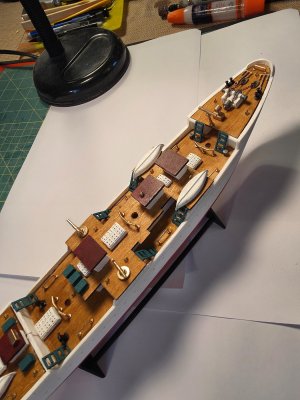
The Challenge: To convert the kit for the Juan Sebastian Elcano into the Moshulu build as originally constructed as the "Kurt" for the German merchant marine industry. This will include (1) changing the mast plan for the J.S. Elcano (1 square rigged Foremast followed by 3 fore and aft masts) into the mast plan for the Moshulu (square-rigged Foremast, Mainmast, Mizzenmast, and fore and aft Jiggermast), (2) matching the original hull painting of the Moshulu (black, white and red) instead of the green/white color scheme of the J.S. Elcano, and (3) upgrading the deck furnishings by matching the colors of the original Moshulu deck furnishings (the J.S. Elcano kit furnishings are largely white or unpainted).
Research & Preparation: I have spent a few weeks doing a deep dive into the fascinating history of the Moshulu -- including its humble beginnings as a German merchant vessel known as the Kurt, to its seizure and impoundment during World War I, to its repurposed role in the "Great Grain Races" from Australia to England, to the time it went into disrepair and vandalism, and finally, to it's second repurposed role as a popular museum/restaurant docked for 20 years at the Independence Seaport Museum on the Philly waterfront.
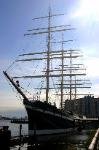
Building the Moshulu to it's original specifications and mast/rigging plans is important because the vessel has had a "Show Rig" setup since 1995 to reduce crew maintenance and danger of falling spars and rigging in the upper decks. I want the build to have exactly the same look and feel as the 1904 original sailing out of its home port of Glasgow, Scotland.
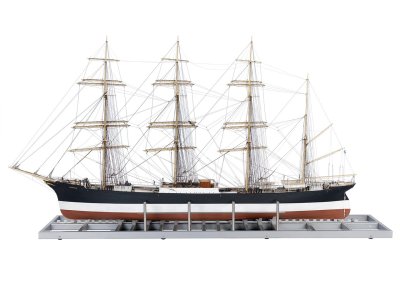
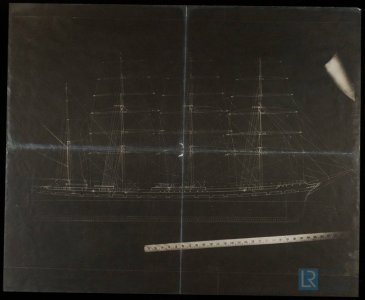
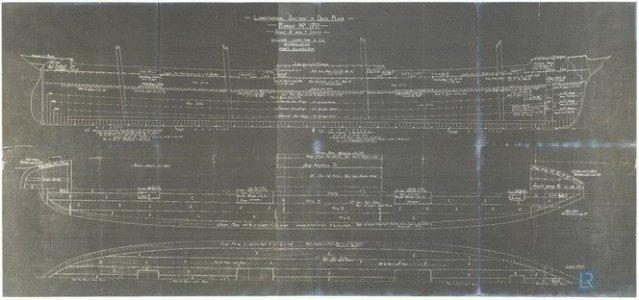
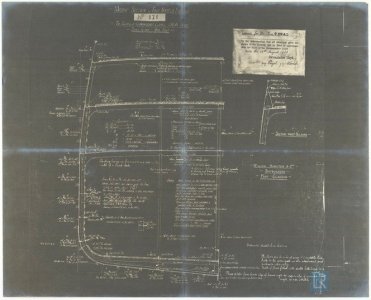
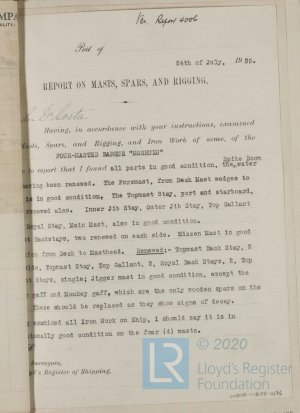
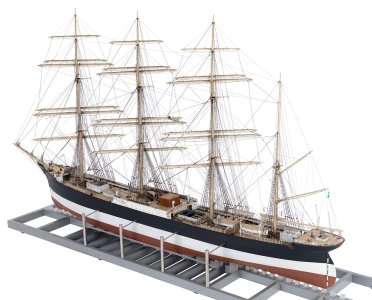
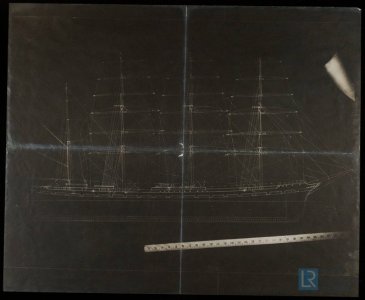
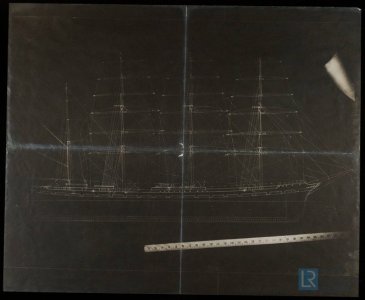
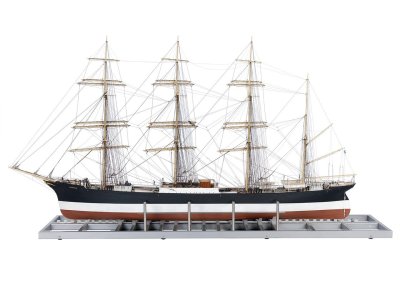
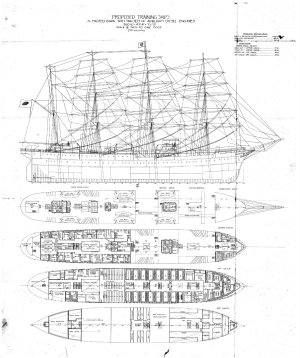
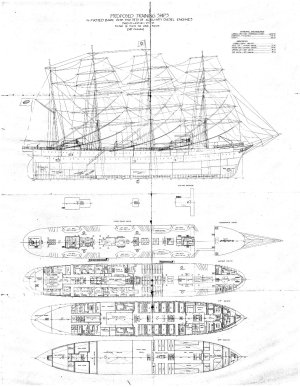
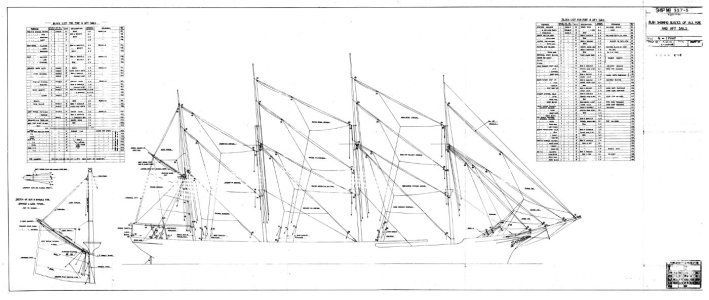
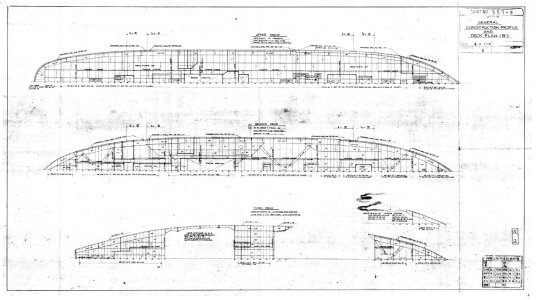
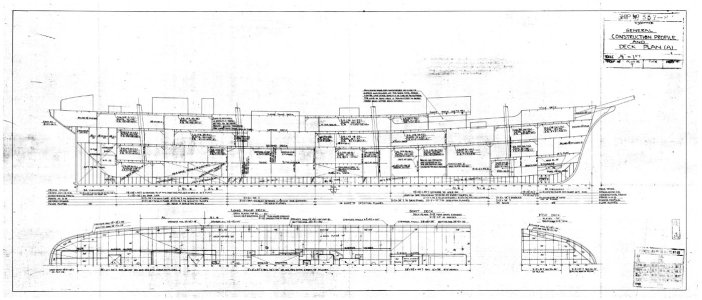
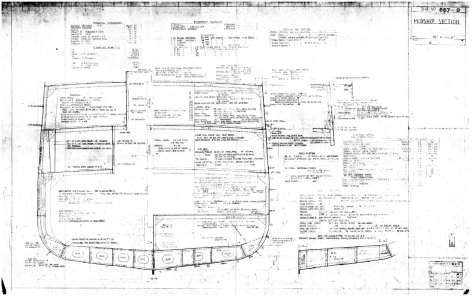
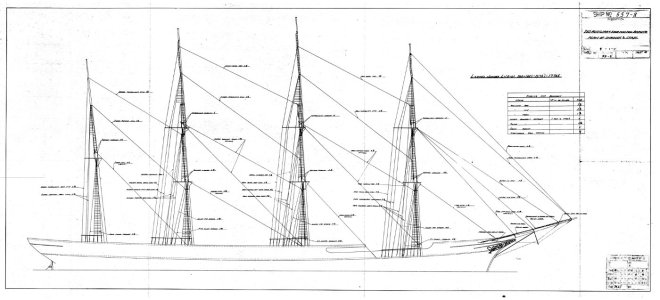
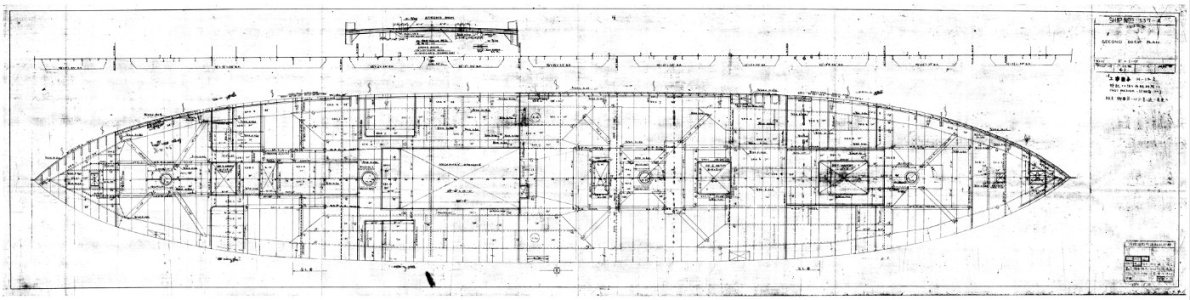
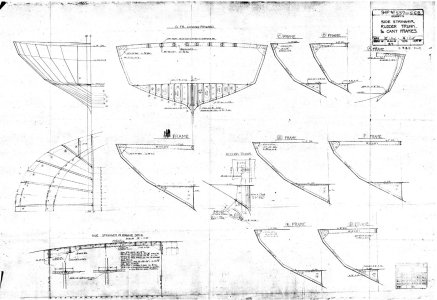
Other key resources include: The original ship designer's blueprints from 1902-1904, found on the Lloyd's Register, letters of classification surveys of the ship from 1904 through 1935, an incredible model of the Moshulu as originally setup at the Royal Maritime Museum in Greenwich, detailed accounts of the stem-to-stern rehabilitation of the ship to prepare it for life as a museum/restaurant, and other online resources. I was lucky to find a first-hand account of life on the Moshulu when it won the last Grain Race (see hilarious and fascinating "The Last Grain Race" (1956) by Eric Newby), as well as Eric Newby's book of pictures of the Moshulu called "Learning the Ropes: An Apprentice in the Last of the Windjammers" (1999).
Frame of Reference Ships: In addition to the fine model of the Moshulu at the Royal Museum Greenwich, I will be using other vessels to help with period details of other large sail powered steel-hulled cargo or training ships:
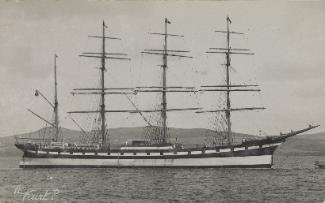
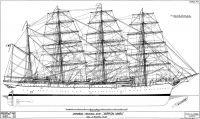
The Pommern - A German / Norwegian four-masted barque with same masting/rigging layout as the Moshulu.
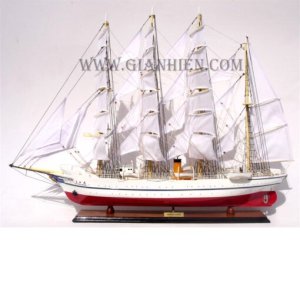
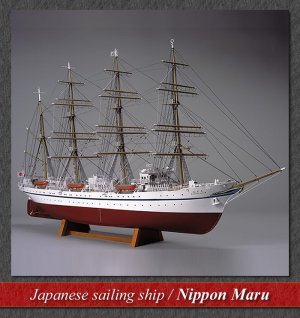
The Nippon Maru - A Japanese naval training ship that is also a four-masted barque with a Jiggermast. Similar lines and dimensions as the Moshulu.
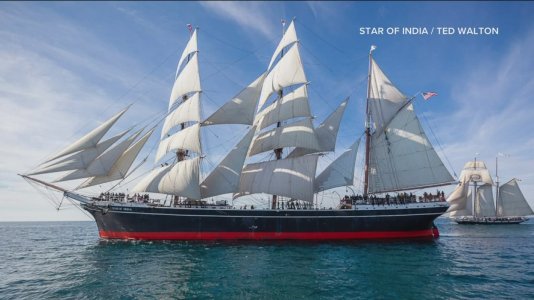
The Star of India - The largest of the steel-hulled cargo ships built as a 3-masted barque. In addition to the Build Logs of the Star of India on this site, there are several videos of the Star of India underway at sea on YouTube to get a sense for the look and feel of deck furnishings.
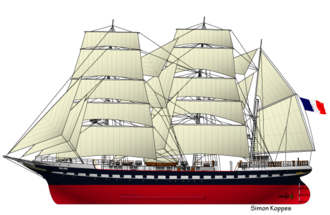
The Belem -- Another 3-masted barque with similar hull color and lines. NOT the A/L wood kit "Belem" which also suffers from having many of its deck furnishings in white or unpainted like the J.S. Elcano.
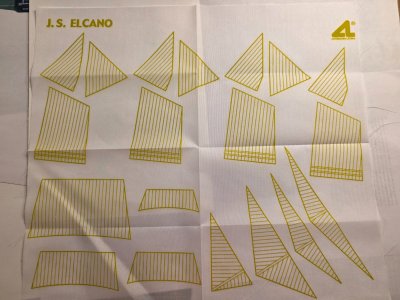
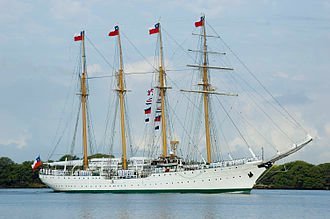
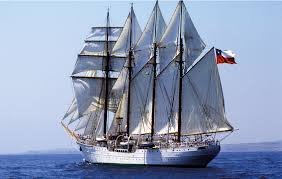
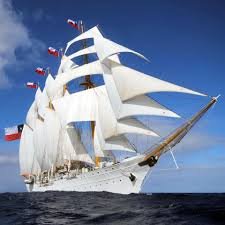
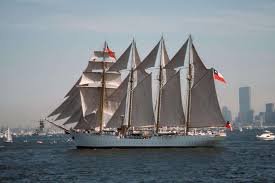
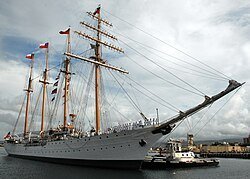
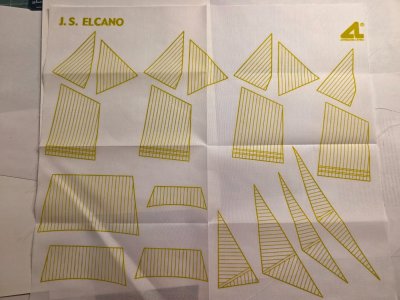
While the kit from A/L is one of their "Easy" builds (includes an ABS plastic hull), I think the challenge will be to fabricate the Mainmast and Mizzenmast as square-rigged, and to fabricate new sails because the J.S. Elcano build comes with Spanish-specific sail markings. Attaching pictures of the J.S. Elcano, the Moshulu, the Star of India, the Nippon Maru, and the Belem.
I'm excited to start this new Build Log and to build this ship as one of Philadelphia's most historic tall ships!
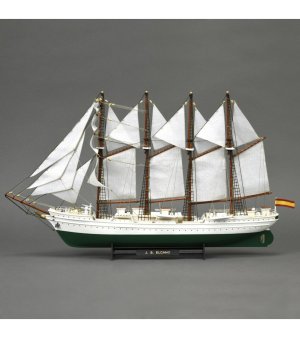
Starting my new project today - A build log of the Juan Sebastian Elcano model kit from Artesiana Latina.
The Plan: To build the Juan Sebastian Elcano (a four-masted barquentine) "as" the Moshulu (a four-masted barque). The Moshulu is part of my model club's project to build ships representing the "Philadelphia Navy," or all the ships that call Philadelphia Pennsylvania (US) home. These include the U.S.S. New Jersey battleship, the U.S.S. Becuna submarine, the U.S.S. Olympia battle cruiser, and other vessels in my neighborhood. See my signature page below.
The Challenge: To convert the kit for the Juan Sebastian Elcano into the Moshulu build as originally constructed as the "Kurt" for the German merchant marine industry. This will include (1) changing the mast plan for the J.S. Elcano (1 square rigged Foremast followed by 3 fore and aft masts) into the mast plan for the Moshulu (square-rigged Foremast, Mainmast, Mizzenmast, and fore and aft Jiggermast), (2) matching the original hull painting of the Moshulu (black, white and red) instead of the green/white color scheme of the J.S. Elcano, and (3) upgrading the deck furnishings by matching the colors of the original Moshulu deck furnishings (the J.S. Elcano kit furnishings are largely white or unpainted).
Research & Preparation: I have spent a few weeks doing a deep dive into the fascinating history of the Moshulu -- including its humble beginnings as a German merchant vessel known as the Kurt, to its seizure and impoundment during World War I, to its repurposed role in the "Great Grain Races" from Australia to England, to the time it went into disrepair and vandalism, and finally, to it's second repurposed role as a popular museum/restaurant docked for 20 years at the Independence Seaport Museum on the Philly waterfront.
Building the Moshulu to it's original specifications and mast/rigging plans is important because the vessel has had a "Show Rig" setup since 1995 to reduce crew maintenance and danger of falling spars and rigging in the upper decks. I want the build to have exactly the same look and feel as the 1904 original sailing out of its home port of Glasgow, Scotland.
Other key resources include: The original ship designer's blueprints from 1902-1904, found on the Lloyd's Register, letters of classification surveys of the ship from 1904 through 1935, an incredible model of the Moshulu as originally setup at the Royal Maritime Museum in Greenwich, detailed accounts of the stem-to-stern rehabilitation of the ship to prepare it for life as a museum/restaurant, and other online resources. I was lucky to find a first-hand account of life on the Moshulu when it won the last Grain Race (see hilarious and fascinating "The Last Grain Race" (1956) by Eric Newby), as well as Eric Newby's book of pictures of the Moshulu called "Learning the Ropes: An Apprentice in the Last of the Windjammers" (1999).
Frame of Reference Ships: In addition to the fine model of the Moshulu at the Royal Museum Greenwich, I will be using other vessels to help with period details of other large sail powered steel-hulled cargo or training ships:
The Pommern - A German / Norwegian four-masted barque with same masting/rigging layout as the Moshulu.
The Nippon Maru - A Japanese naval training ship that is also a four-masted barque with a Jiggermast. Similar lines and dimensions as the Moshulu.
The Star of India - The largest of the steel-hulled cargo ships built as a 3-masted barque. In addition to the Build Logs of the Star of India on this site, there are several videos of the Star of India underway at sea on YouTube to get a sense for the look and feel of deck furnishings.
The Belem -- Another 3-masted barque with similar hull color and lines. NOT the A/L wood kit "Belem" which also suffers from having many of its deck furnishings in white or unpainted like the J.S. Elcano.
While the kit from A/L is one of their "Easy" builds (includes an ABS plastic hull), I think the challenge will be to fabricate the Mainmast and Mizzenmast as square-rigged, and to fabricate new sails because the J.S. Elcano build comes with Spanish-specific sail markings. Attaching pictures of the J.S. Elcano, the Moshulu, the Star of India, the Nippon Maru, and the Belem.
I'm excited to start this new Build Log and to build this ship as one of Philadelphia's most historic tall ships!
Last edited:
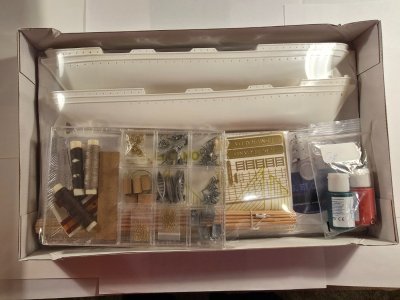
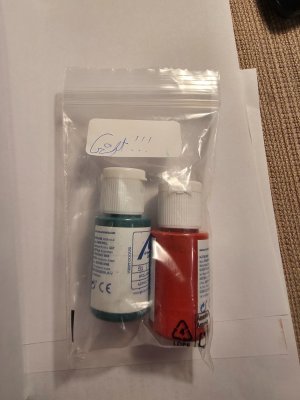
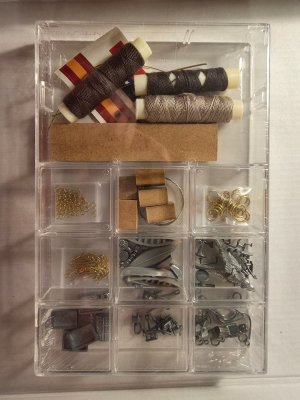
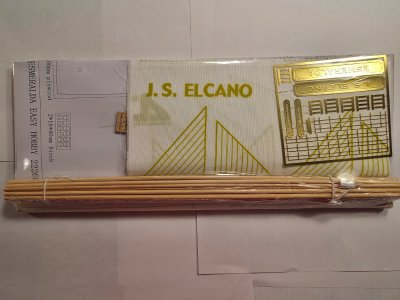
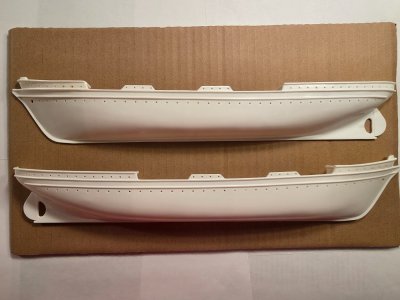



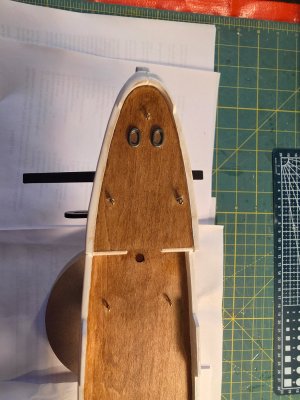
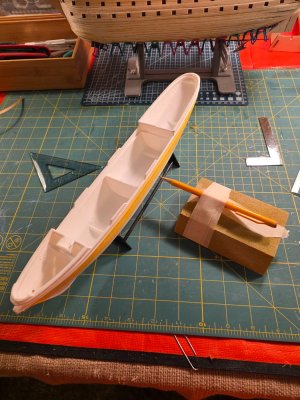
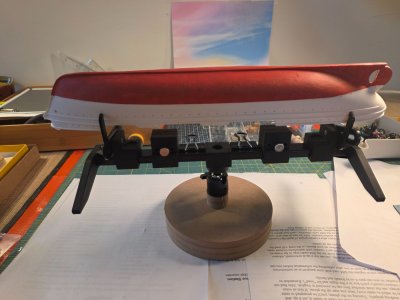
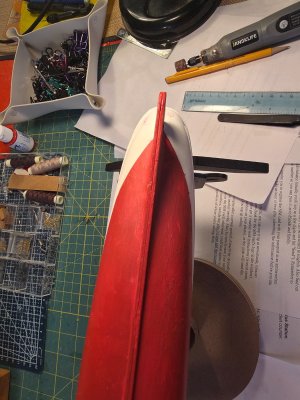
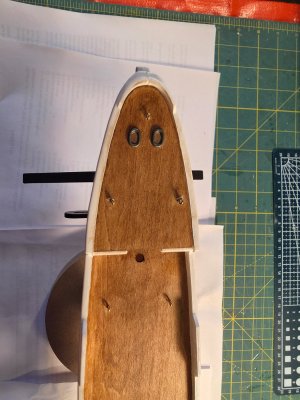
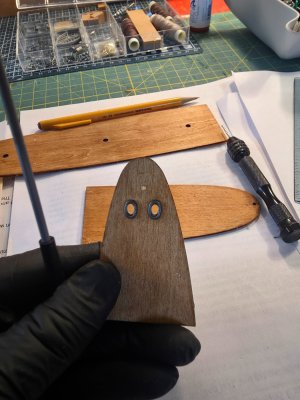
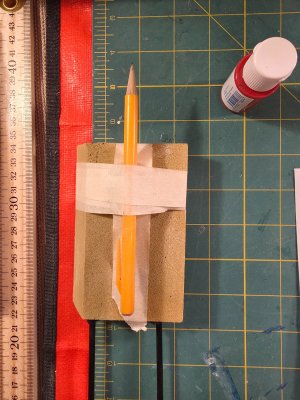
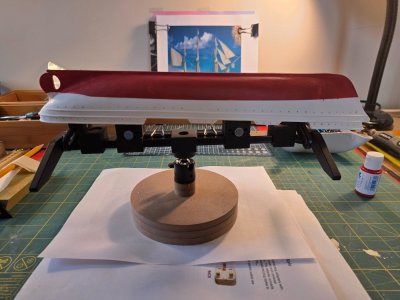
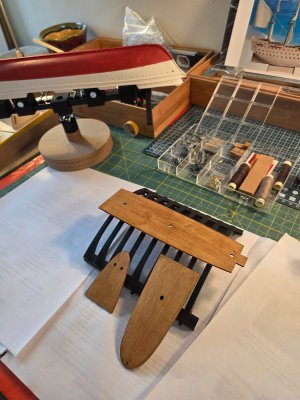
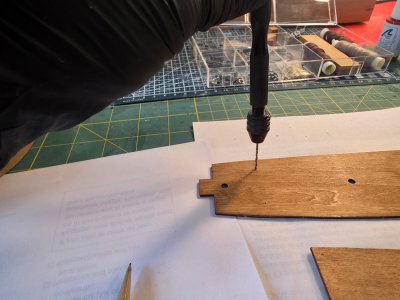
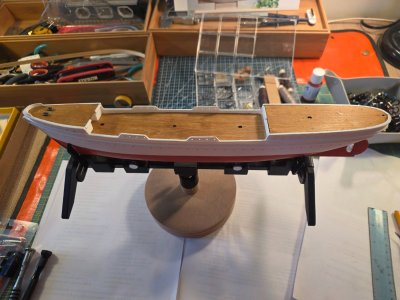
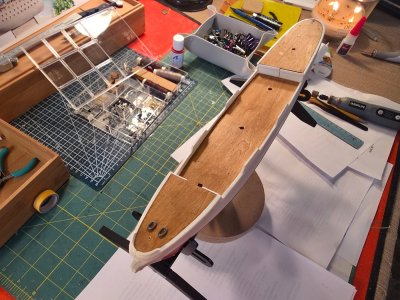
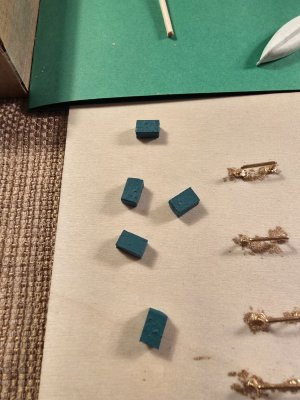
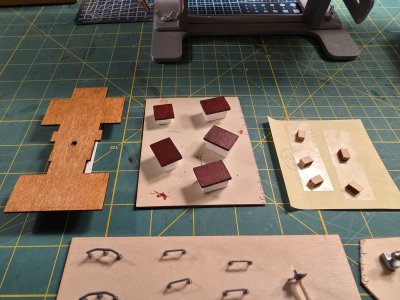
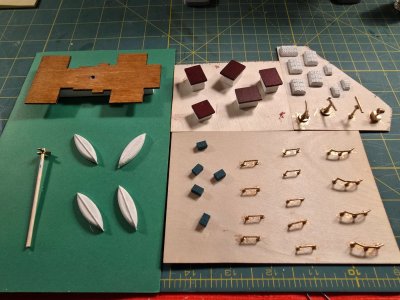
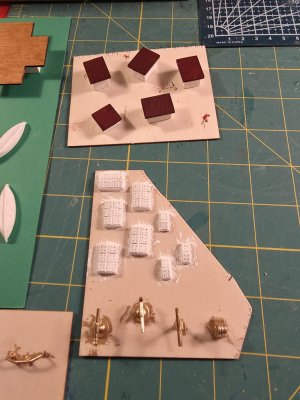
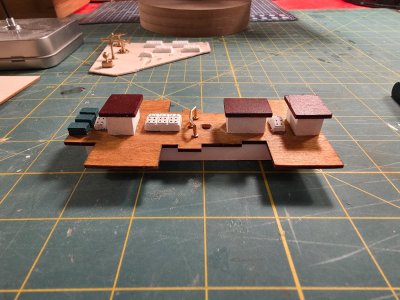
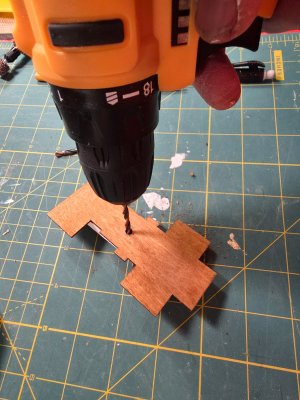
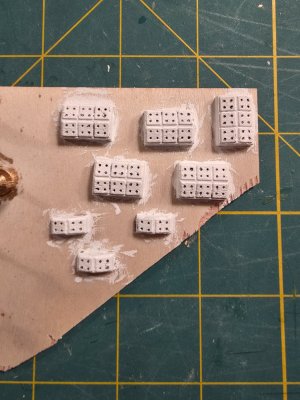
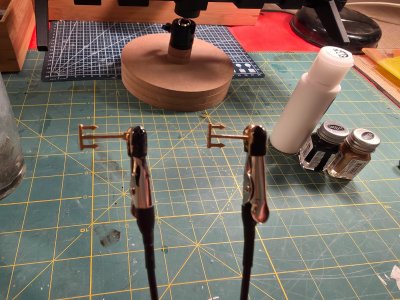
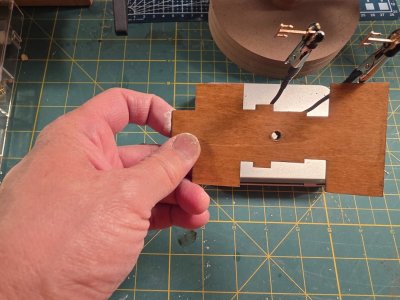
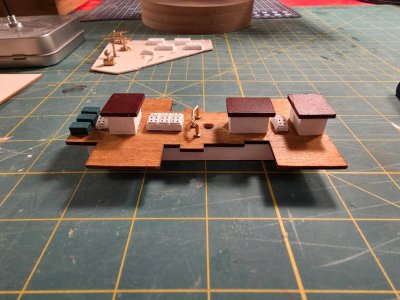
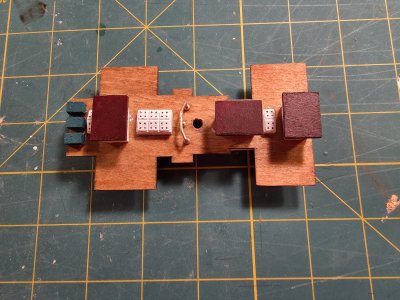
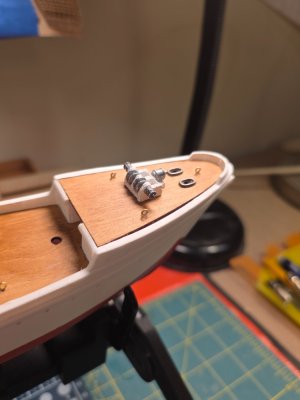
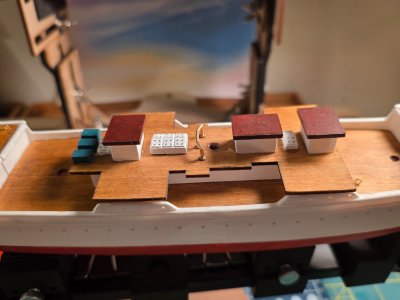
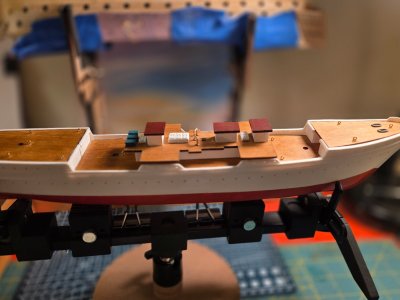
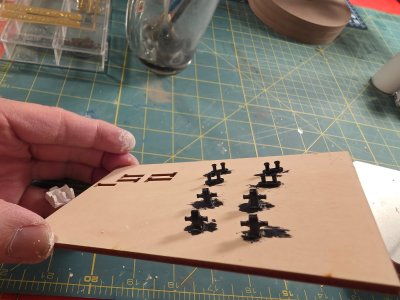
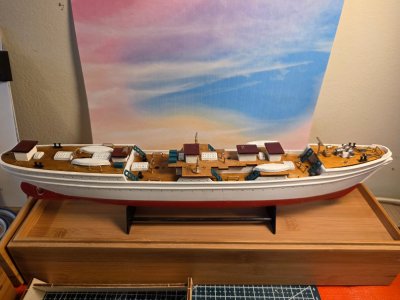
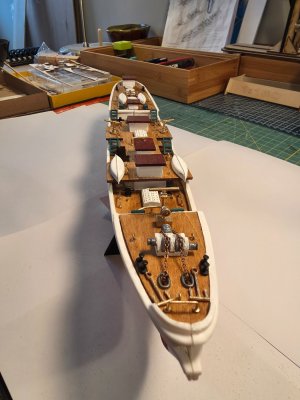
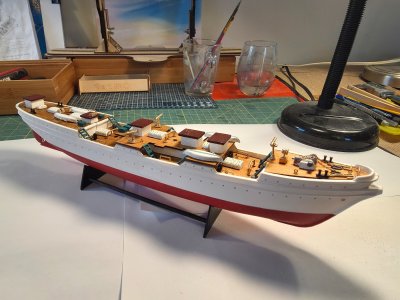
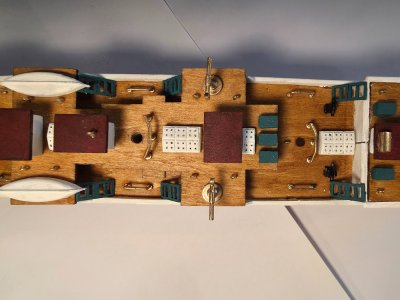
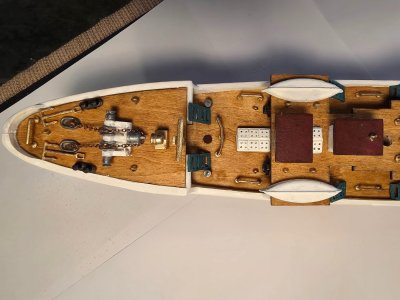
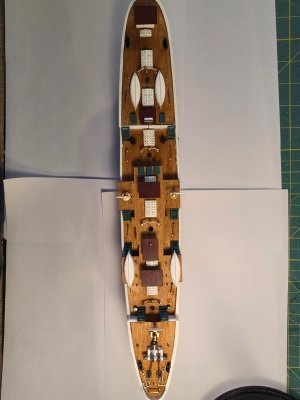
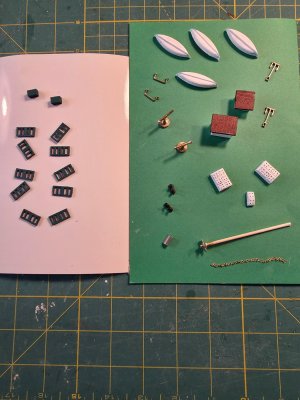
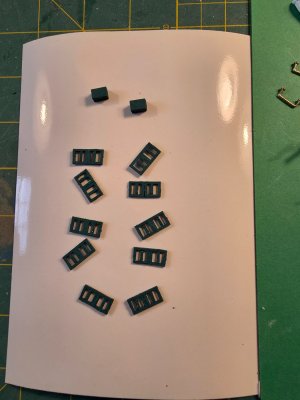
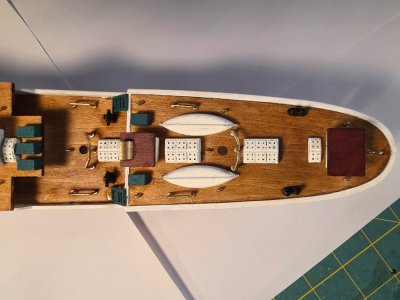


 to accept the obvious mistakes or do a part of the build on our own. It is not a scratch build, of course, but makes us to do something, except assembling & painting.