• Win a Free Custom Engraved Brass Coin!!!
    As a way to introduce our brass coins to the community, we will raffle off a free coin during the month of August. Follow link ABOVE for instructions for entering.
  • SUBSCRIBE TO SHIPS IN SCALE TODAY!

    The beloved Ships in Scale Magazine is back and charting a new course for 2026!
    Discover new skills, new techniques, and new inspirations in every issue.

    NOTE THAT OUR NEXT ISSUE WILL BE MARCH/APRIL 2026

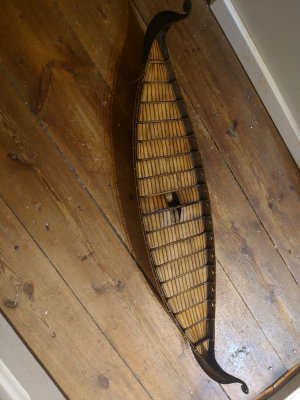
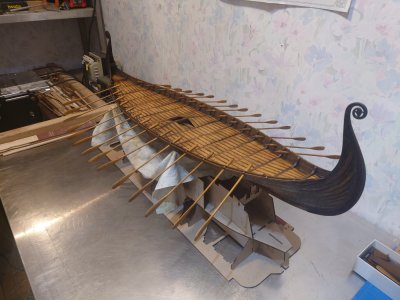
Pavel Nikitin 1/25 Oseberg V.3

Everybody thanks for the nice words and looking and the likes.

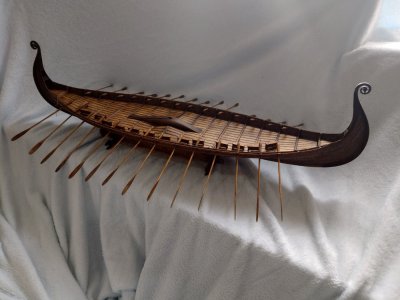
As far as I'm concerned, it's finished!!!

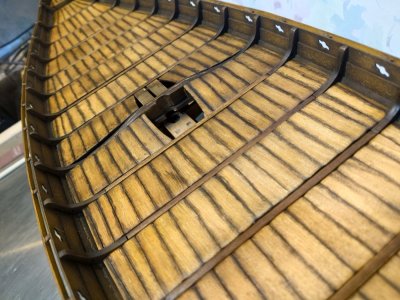
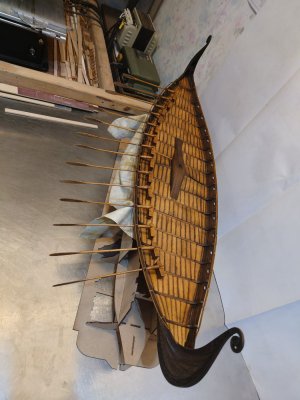
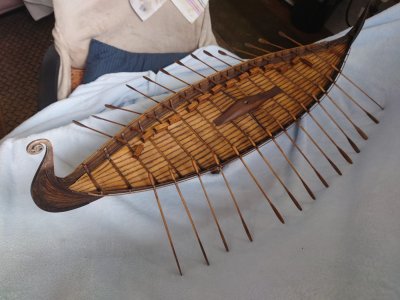
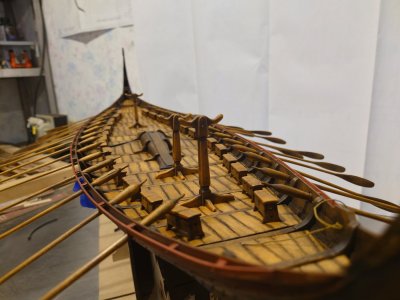
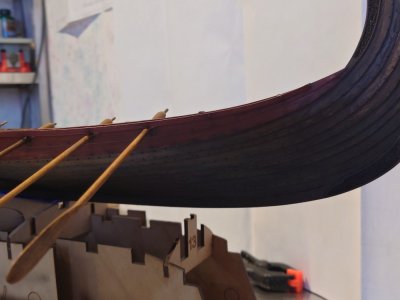
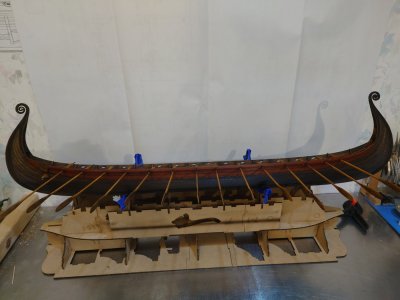
I gave the planks another thin coat of matte polyurethane varnish to give the whole thing a nice natural shine and to temper the intensity of the colors a bit.

I also slightly roughened the wood grain of the crossbeams between the planks and then gave them the necessary color again.

I am now letting the whole thing rest for a while to see how the colors settle.
20260318_223313.JPG20260318_230356.JPG20260318_220929.JPG
 
Everybody thanks for the nice words and looking and the likes.

As far as I'm concerned, it's finished!!!

I gave the planks another thin coat of matte polyurethane varnish to give the whole thing a nice natural shine and to temper the intensity of the colors a bit.

I also slightly roughened the wood grain of the crossbeams between the planks and then gave them the necessary color again.

I am now letting the whole thing rest for a while to see how the colors settle.
View attachment 585326View attachment 585327View attachment 585328

The planking looks very nice and very realistic, Boris. You made a very nice job.
Regards, Peter
 
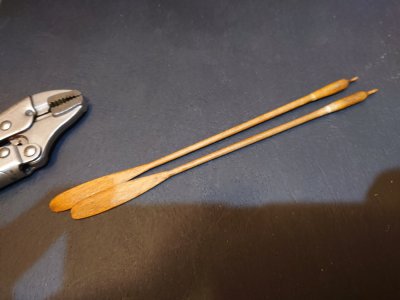
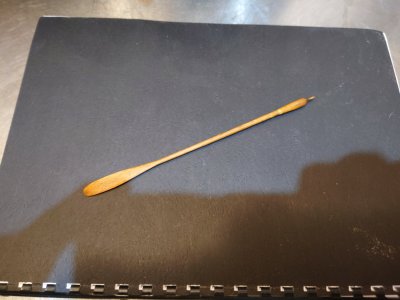
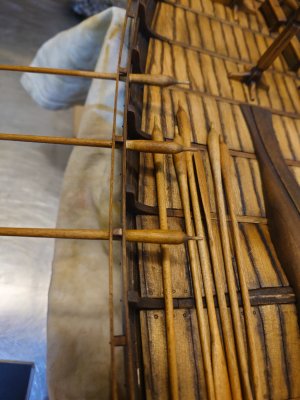
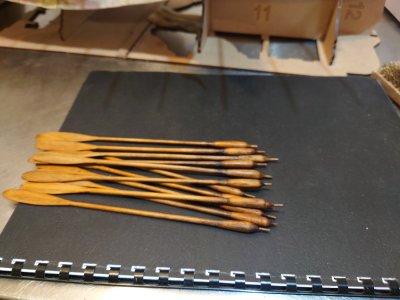
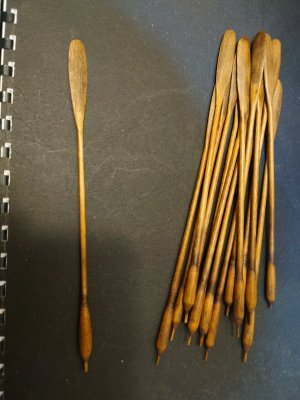
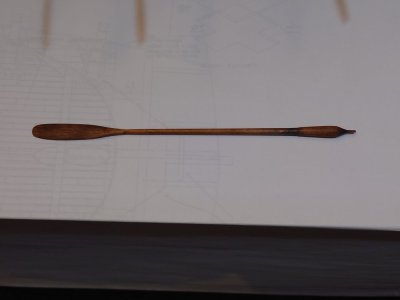
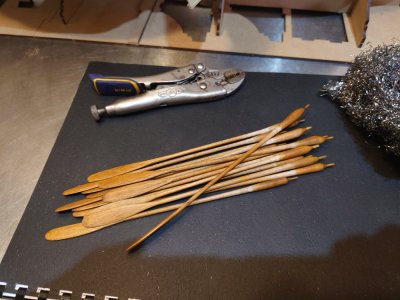
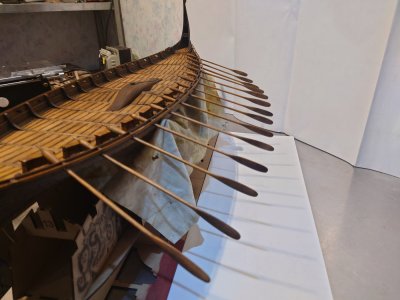
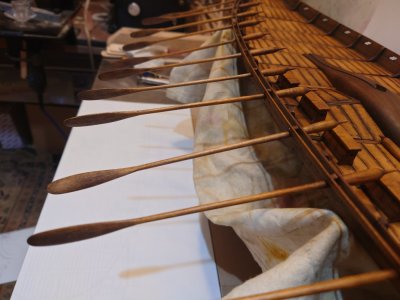
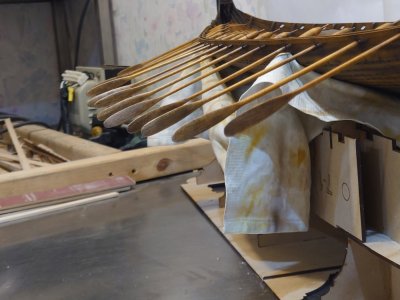
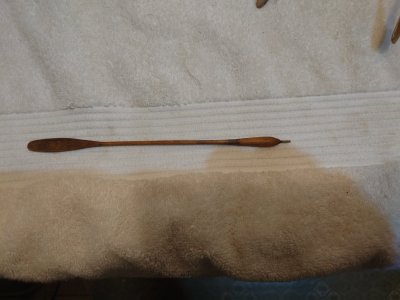
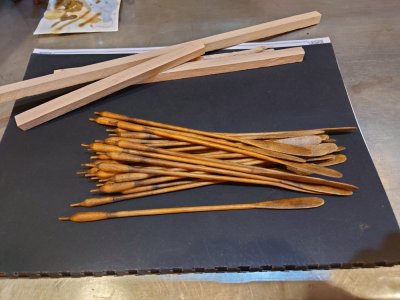
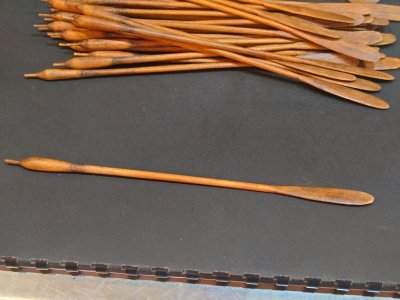
20260322_165719.JPG20260322_175845.JPG20260322_180356.JPG20260322_154837.JPG20260322_181517.JPGTo ensure the oars matched the hull perfectly, the colour was built up in thin, controlled layers rather than a single coat. This preserved the wood grain while reaching the deep, seasoned tone of the strakes.
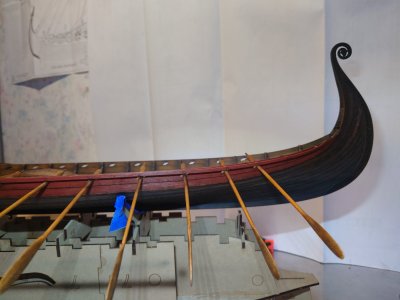
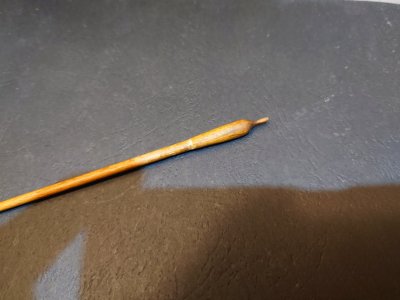
Weathered Transitions, I focused on creating subtle gradients, specifically darkening the wood where the loom meets the handle and blade to simulate natural wear and moisture exposure.
Surface Prep, Every oar required high-grit sanding to ensure the finish absorbed evenly, preventing any blotchiness that would break the scale effect.
Below some pictures20260322_180926.JPG
 
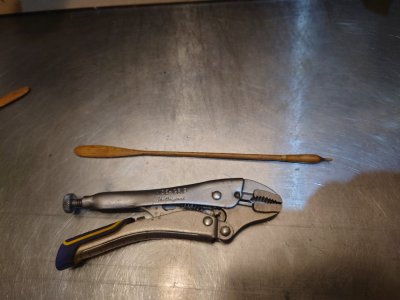
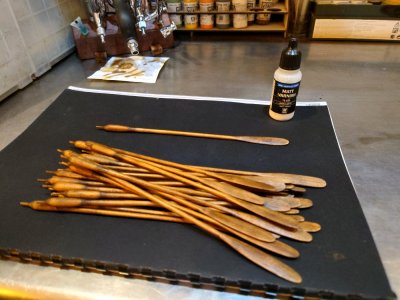
Just finished the final touches on the oars today. A last light sanding on the blades, a quick pass with a brass brush, and a coat of matt polyurethane varnish to seal them.
That’s the oar chapter officially closed! It was quite a process, turning raw wooden strips into finished oars.
20260323_134940.JPG20260323_134932.JPG20260323_134122.JPG20260323_134050.JPG20260323_133913.JPG
On to the next stage... and as promised, it’s time for some color.
 
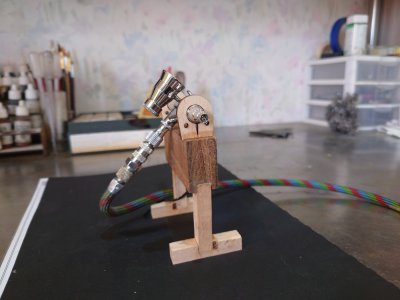
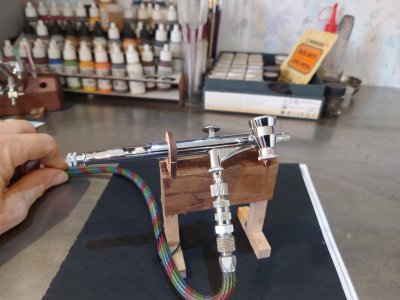
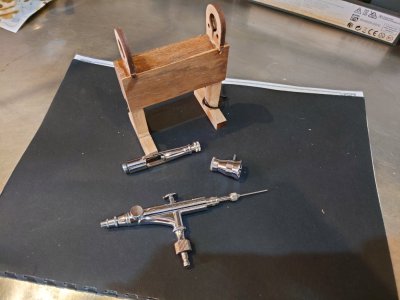
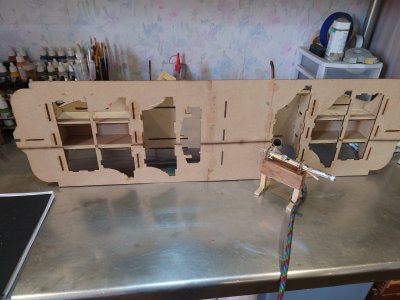
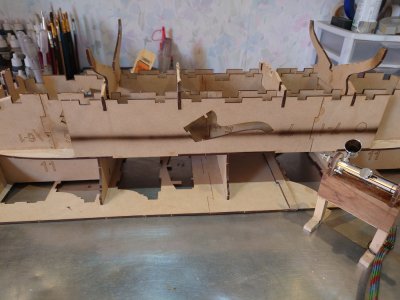
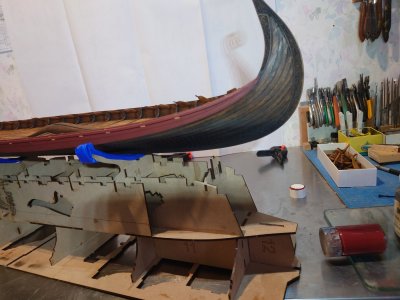
To apply the waterline, I came up with the following solution: because my trusty pencil waterline marker doesn't work well on a hull full of nails, I made a holder for my side-feed airbrush.

I originally purchased this airbrush for spraying camouflage lines (0.2 mm) on a model tank. It is now perfect for this purpose; because the reservoir is located on the side, I can get very close to the hull without losing sight. Moreover, it works contactlessly.

A small test has since been conducted.
20260323_161355.JPG20260323_161331.JPG20260323_161906.JPG20260323_163458.JPG20260323_163443.JPG
 
The waterline has been applied, though current indoor lighting and workbench reflections make it difficult to capture on camera.
20260324_164154.JPG
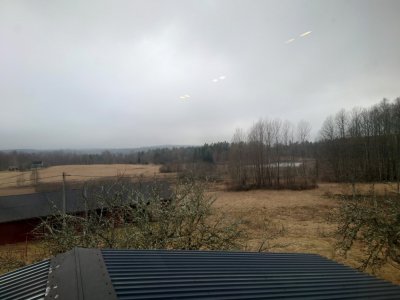
I’ll take better photos once the weather clears up it’s quite grey outside today.
20260324_164417.JPG
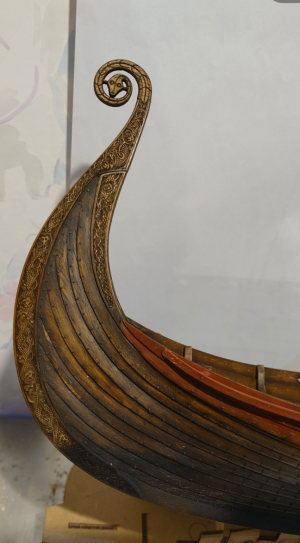
I have finished coloring the top two strakes. Historical research into the Oseberg ship has revealed traces of pigments, and sources like the Bayeux Tapestry also depict ships with vibrant red and green upper hulls.

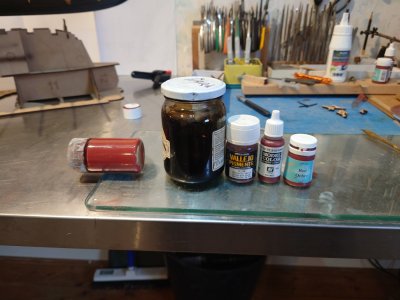
I blended various pigments with a touch of brown alcohol ink to simulate the depth of the authentic linseed oil mixtures used during the Viking Age. The paint was allowed to "age" for a while to achieve the best consistency.
20260324_163940.JPG
Using a short-bristled boar hair brush, I worked the paint firmly into the wood grain.
After painting, I applied a filter of brown alcohol ink for added nuance. I then used a brass brush to lightly scuff the paint in certain areas, allowing the dark wood to peak through for a weathered, authentic look.
20260324_164312.JPG20260324_163234.JPG20260324_171612.JPG
The hull is currently sealed with a layer of artist's varnish. Once this has fully cured, I will apply a final coat of matte polyurethane varnish for the definitive finish.
 
Thanks again, everyone, for the kind comments, the views, and the likes!


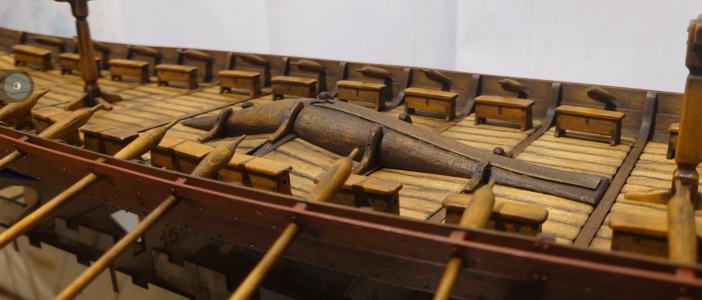
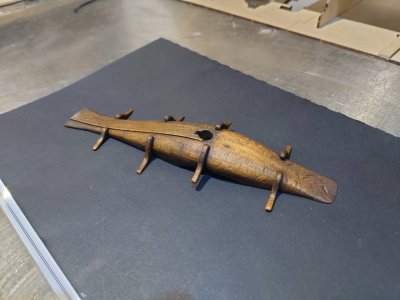
Today I started on the mast step and the floor timbers. I carried out the necessary treatments on the mast step to give the whole thing a natural appearance; the sleek and smooth look has now completely disappeared.

In my opinion, this looks much better and more realistic.
Screenshot_20260325-231657.png20260325_224623.JPG20260325_234714.JPG
 
Last edited:
Back
Top