

- Joined
- Mar 28, 2024
- Messages
- 296
- Points
- 138

Hi Everyone, I am quite curious to see how many model shipwrights use nails to scale when doing planking, etc.
I have acquired these nails from the internet, and, being very hard to see with these tiny naked eyes, is that why most shipwrights use a pencil? Or is the drilling of the holes a problem?
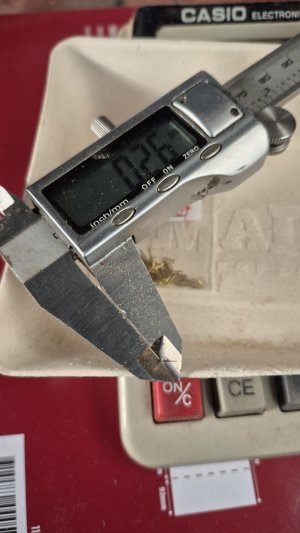
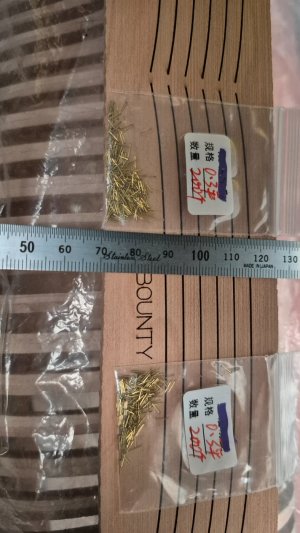
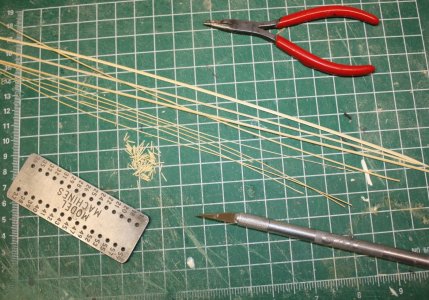
They are 0.3 mm by 4mm in length and have a 0.5 mm head.
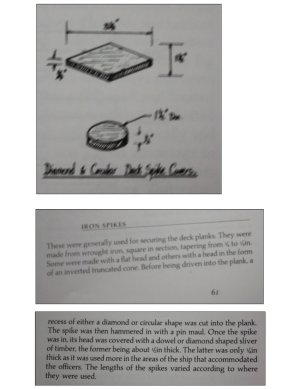
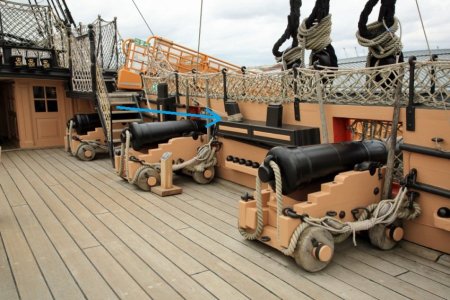
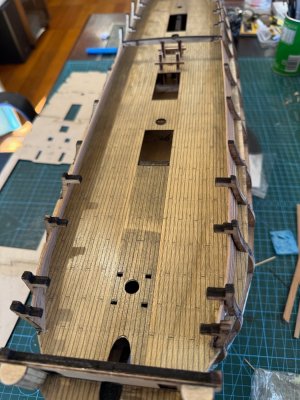
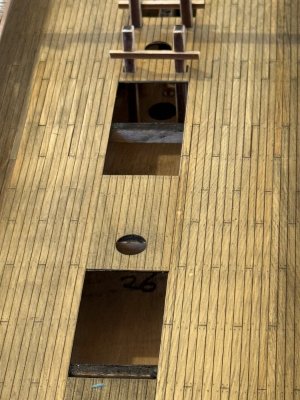
So, I have worked out that the nails the old long-time-ago shipwrights would have used in the 17/18Th century would have been copper, wood, or iron nails, or though the latter would have begun use in the 18th century. Their sizes would have varied for the application they were going to be used for. Today I am talking about the planking on the decks, and either copper or iron was used, and a large dab of tar was added to the hole to stop the rot of the nail. So saying this is why people use a pencil to show the staining of the tar, or just a easy way to create the belief of a nail being put in the wood to hold the plank to the timbers underneath.
I would also like to know why not pre-drill the holes slightly oversized so the nails would easily fit into the holes.
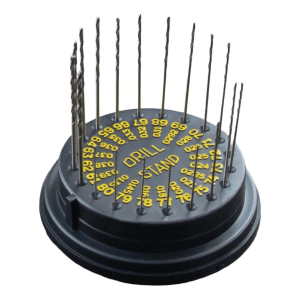
Drills and what to be careful of when buying them: I have a few of those packets of modellers drills, and I decided to buy another set of them as a few of the smaller drills have gone missing or broken. I bought another pack off the net and thought, no worries, have some replacements for those missing, that was a year ago. Well, today, I pulled out this new set of drills and looked at a .3mm drill, and it appeared to be too big by my eyesight. I measured and found it was 0.6mm, not 0.30mm. So I went to the next slot and took out the next size drill and measured that, 0.6 again, and the next one was the same. In total, 4 drill bits were all the same. So I could not check out if the fit was too small at the .30 mm hole or .35 was the way to go
I have acquired these nails from the internet, and, being very hard to see with these tiny naked eyes, is that why most shipwrights use a pencil? Or is the drilling of the holes a problem?
They are 0.3 mm by 4mm in length and have a 0.5 mm head.
So, I have worked out that the nails the old long-time-ago shipwrights would have used in the 17/18Th century would have been copper, wood, or iron nails, or though the latter would have begun use in the 18th century. Their sizes would have varied for the application they were going to be used for. Today I am talking about the planking on the decks, and either copper or iron was used, and a large dab of tar was added to the hole to stop the rot of the nail. So saying this is why people use a pencil to show the staining of the tar, or just a easy way to create the belief of a nail being put in the wood to hold the plank to the timbers underneath.
I would also like to know why not pre-drill the holes slightly oversized so the nails would easily fit into the holes.
Drills and what to be careful of when buying them: I have a few of those packets of modellers drills, and I decided to buy another set of them as a few of the smaller drills have gone missing or broken. I bought another pack off the net and thought, no worries, have some replacements for those missing, that was a year ago. Well, today, I pulled out this new set of drills and looked at a .3mm drill, and it appeared to be too big by my eyesight. I measured and found it was 0.6mm, not 0.30mm. So I went to the next slot and took out the next size drill and measured that, 0.6 again, and the next one was the same. In total, 4 drill bits were all the same. So I could not check out if the fit was too small at the .30 mm hole or .35 was the way to go









 ,. Cheers