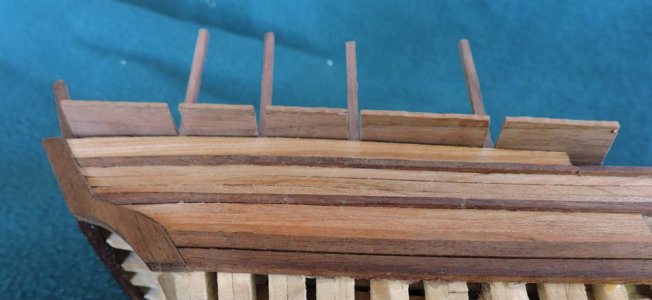
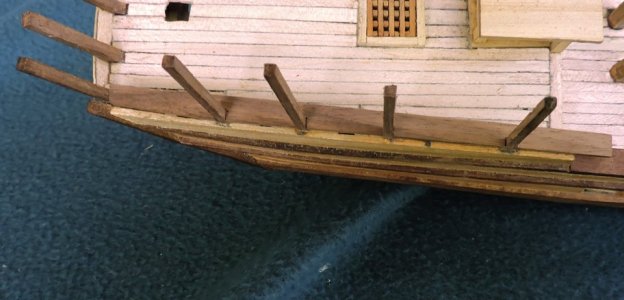
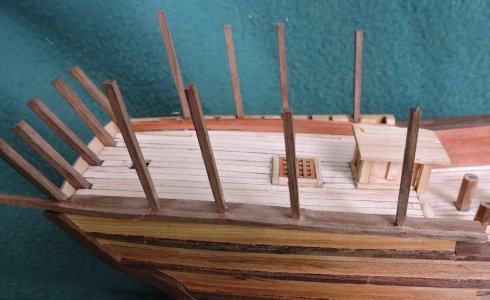
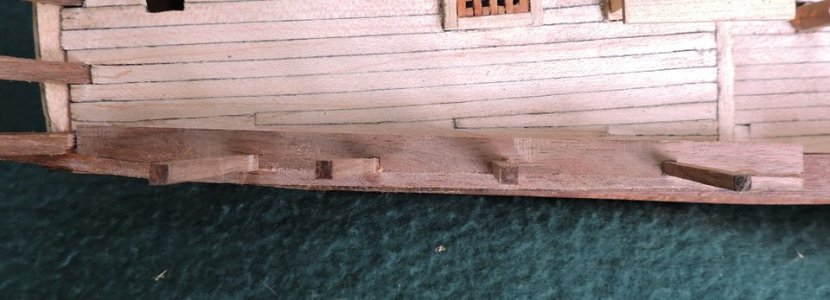
First thing i did was go to the teacher lounge where things are discussed unfiltered then i asked if i could include the discussion here
Absolutely. Go for it. One of my biggest pet peeves is when people think there's no reason for them to ever learn anything because all they have to do is ask for an answer on the internet, and it's getting a lot worse with the expanding availability of AI, which is just "Google on steroids." It's presumptuous and rude and, pray tell, if you don't know the answer, how are you going to know whether the one (often out of many) that's given is anywhere near the correct one?
This "internet dependency" really needs to be explored and combatted. I remember when I was a young "boatyard rat" years ago hearing the following exchange between a potential customer and the yard owner, a master boatbuilder who had served a formal union apprenticeship long before.
Customer: "Can I change the cutless bearing on my boat myself?"
Master Boatbuilder: "I expect so."
Customer: "Can you show me how?"
Master Boatbuilder: "I'd be happy to. Come on over to the office and I'll write up a work order and price estimate. Once we've got the paperwork out of the way, I'll get right on it, and you can watch me."
I don't build ship models for a living, so, unlike the old school tradesman, I'm not as adverse as they were to sharing "tricks of the trade," but I am no less offended when people believe themselves entitled to be shown how to do what so many of us "paid our dues" to learn by self-study and experience. These guys who expect us to look up stuff that is readily available in expensive books that we've collected over the years and to tell them how to do this or that and then get all huffy when we suggest they buy a book or a necessary tool because "not everybody can afford a big shop full of expensive power tools" are really too much.
On the other hand, I don't mind the "sincere student" kind of guy at all. He's the one who explains what he's done on his own to solve his problem and admits that after making a determined effort, there's still something he's missing, or that he's come up with his own solution and is asking for a "second opinion" whether it's okay. However, the absolute worst are the ones who say they've got a solution to their problem and ask what everybody thinks. Everybody tells they they've got their head up where the sun don't shine, and then they argue with them and do it anyway! I mean, some of these guys have the manners of a telemarketer.
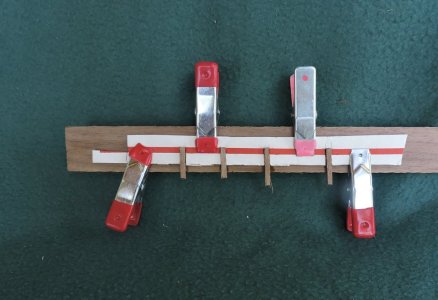
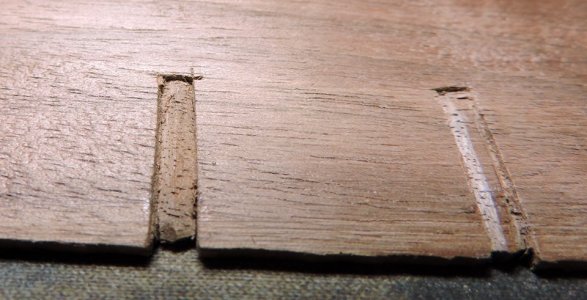
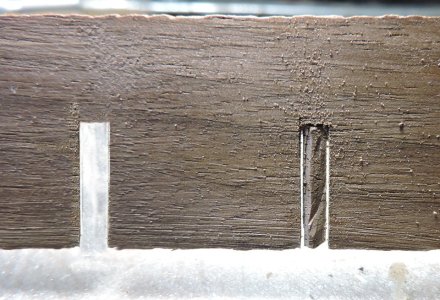
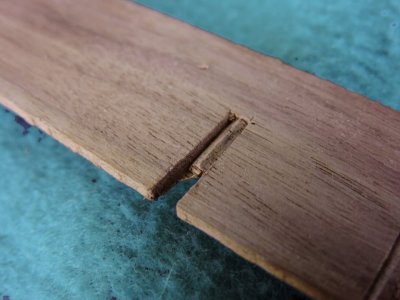
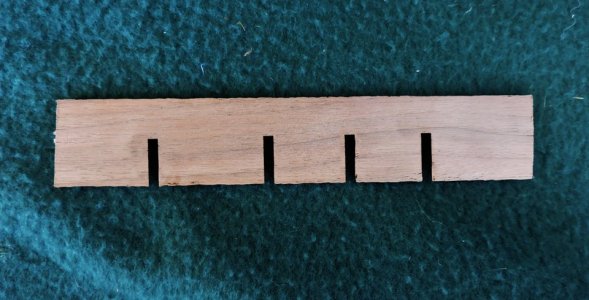
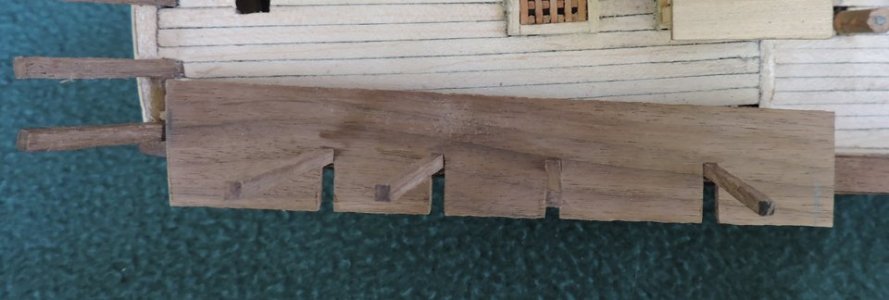
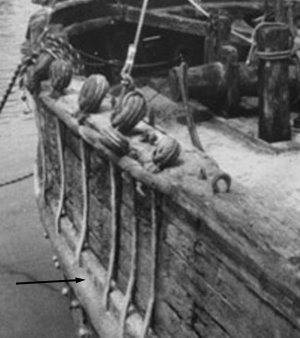
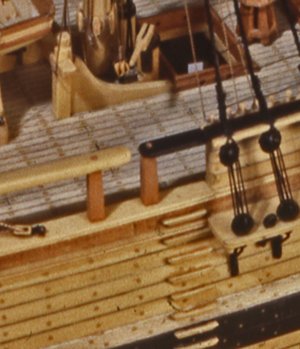
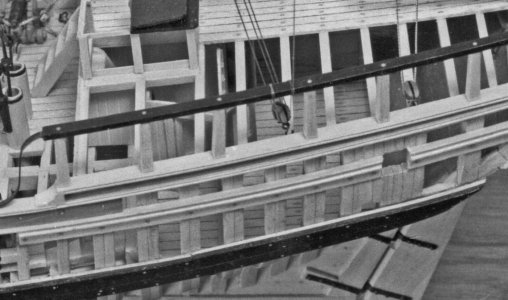
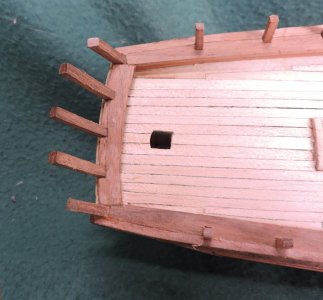
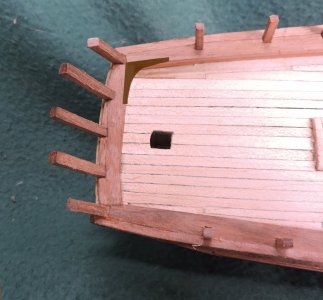
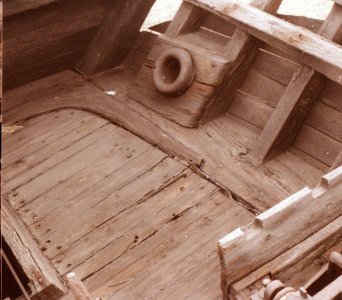
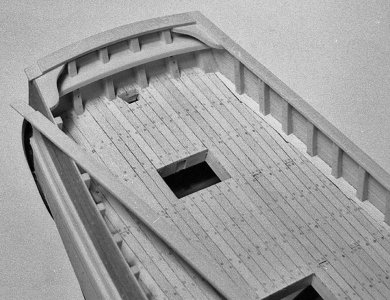
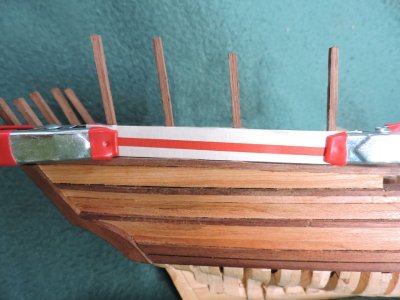
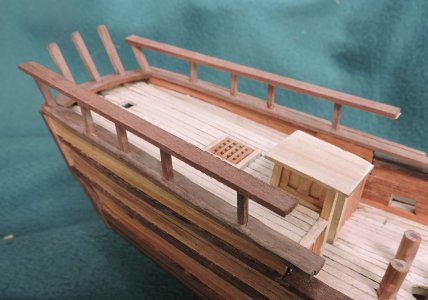
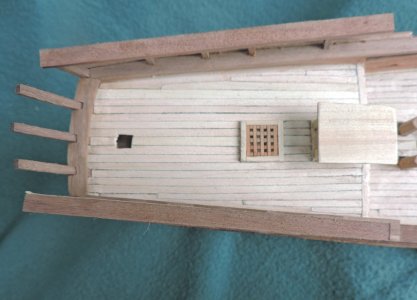
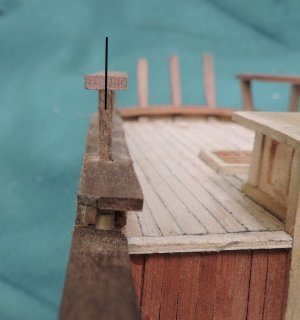
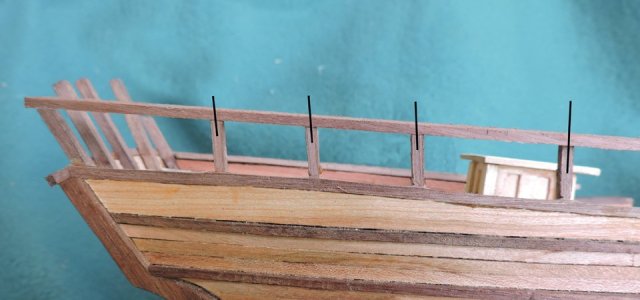
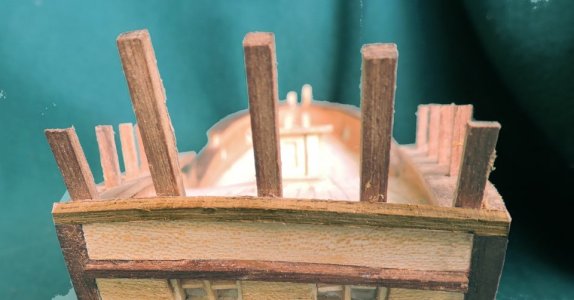
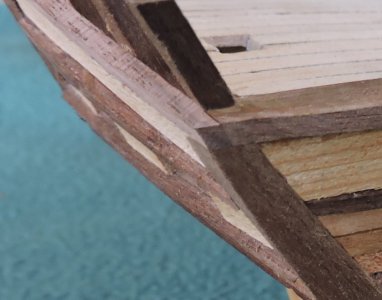
Pure conjecture here, Dave, but in real life full-size construction, one way the rail may have been joined to the stanchion could have been by drilling a hole down the top face of the stanchion for a trunnel which would be driven into the stanchion with a blind wedge (like a trunnel) and then the rail with a matching hole drilled in it placed over the protruding peg which was then wedged and the peg (trunnel) and wedge planed fair with the top of the rail. In real life construction, the stanchions were very often separate pieces fastened sister-fashion to the top of the frames which were cut flush with the top of the clamp and shelf assembly. These separate stanchions were "semi-sacrificial" in that it was common for fungal decay to occur over time in the stanchions either in the end grain at the top or at the covering board joint, or a stanchion be broken either by battle damage or collision with another vessel rafted alongside or along a dock or quay. They were designed so the broken stanchion could be unbolted from it's "sister' frame top and extracted upwards through the covering board and a replacement dropped back in witthout having to tear up the major framing timbers all around the stanchion.
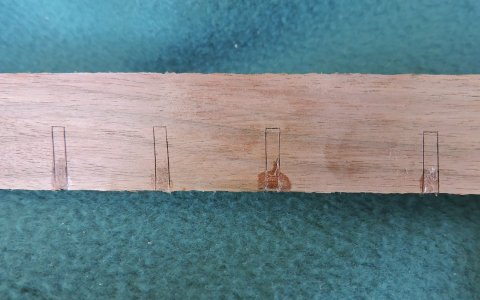
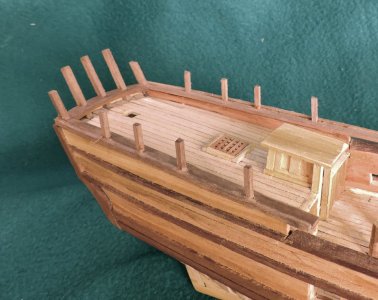
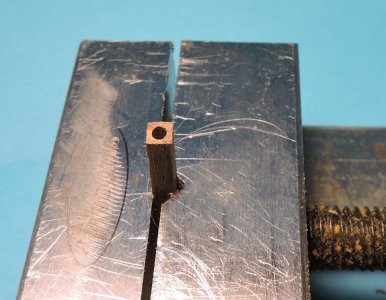
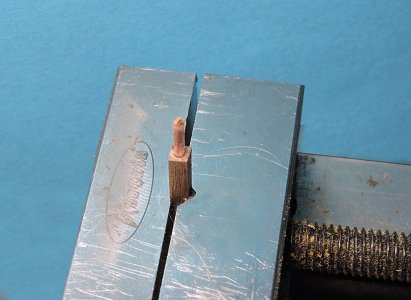
For scale construction a small measuring jig can be made to align the drill bit with the center of the stanchions. This would be a block with cutout "forked legs" that would straddle the sides of the stanchions and an "L"-shaped angle at the top that would lay over the top of the rail with the rail aligned in place on top of the stanchion. An aligned guide hole is drilled in the top of this jig to ensure that the hole is drilled through the top of the stanchion straight and dead center into the stanchion. The drilled hole is filled with a glued wooden peg and faired to the top of the cap rail.
Just thoughts. Hope they help.
I would design a jig to site the dowels - if a dowel showing on the top of the railing is how you intend to build.
The jig would be a piece of wood longer and wider than the rail.
Place the rail in the center of the long axis of the jig.
Glue a strip of wood to the jig that forms a tight slot for the rail.
Remove the rail.
Flip the jig and place it on top of the stanchions.
Find a strip of wood that is the thickness that centers the stanchion tops between the rails when a strip of it is between the slot and stanchion on either side. a long flat shim.
Fix to each slot with Duco. It should be a push fit for the stanchion tops - no wiggle.
Remove the jig.
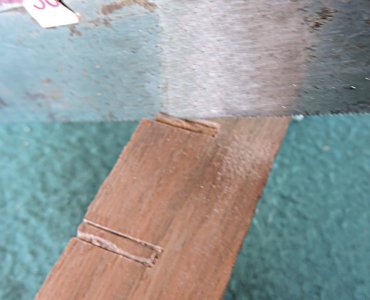
With a #70 drill bit in a pinvise drill a shallow hole in the dead center of each stanchion top.
Place a very short piece of the pointy end of a #70 steel pin in each hole such that maybe ~1/16" ? of the pin tip is above the stanchion top.
Set the jig back in place over the stanchions.
Give it a tap over each stanchion.
When you remove the jig - the steel pin pieces should come off stuck to the jig.
Remove the tips and take the jig to your drill press and thru drill a hole at each marked point.
Acetone the shims off. Insert the rail. You can drill a hole thru the rail or a blind hole part way. The rail now has holes perfectly sited over each stanchion top. If it is thru -the actual rail is your pinvise guide for a deeper hole into the stanchion.
If it a blind hole - you have to freehand the deeper hole into the stanchion.
Make sure that the fore end and aft end of the rail (and jig) are defined. Sure as shit it will get rotated if you don't mark either one.
I would not bet much that the same jig will work for both sides.
and that ends the lecture so lets go in the shop and see what's going on