and now for a lecture
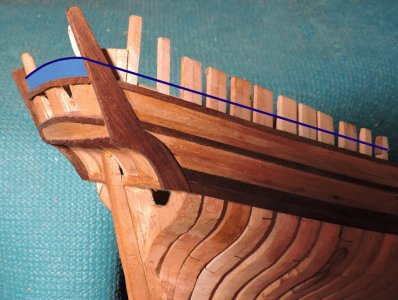
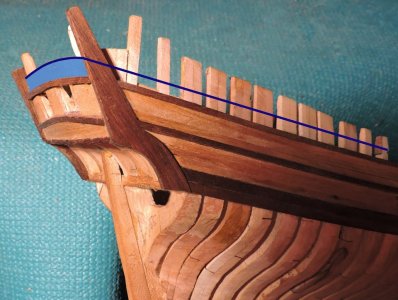
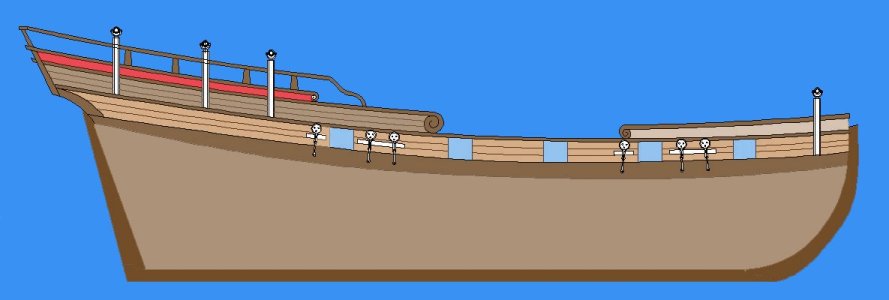
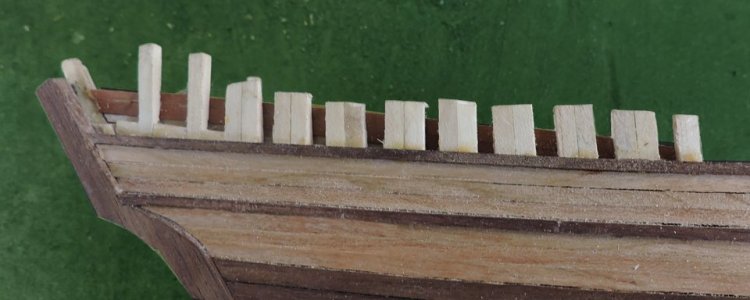
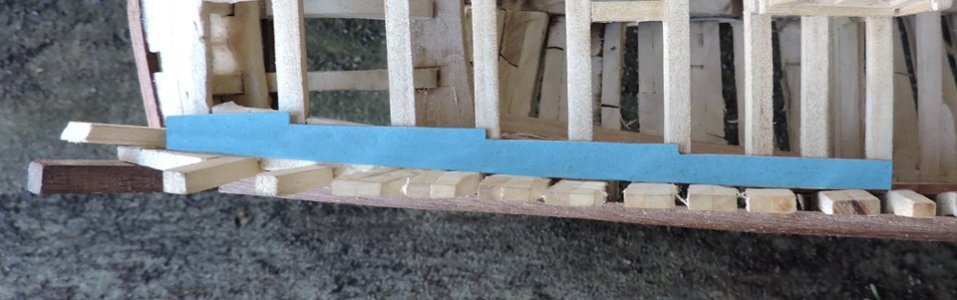
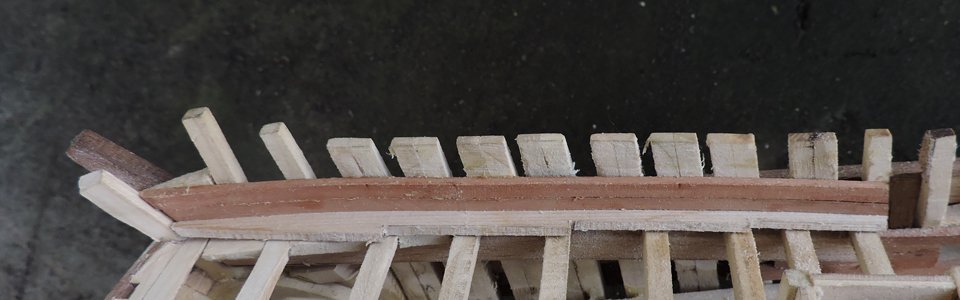
Way back years ago in another forum a member posted pictures of a hull he was planking from a kit. Replies he got were "good job" "nice work" "carry on looking good" etc. I took a look and thought hum? it's not a good job not even close to how a hull was planked. The run of planks stopped short of the stem and butt against the bottom of the wales, the bottom planking was a total mess. you could see the planking was lying flat between wide space bulkheads. Now i realize the planking supplied in the kit was all the same size and too narrow to properly shape planks like the garboard that has a wider hood at the ends. So using the kit supplied material, planking the hull was doomed to fail from the start, garbage in garbage out.
I pointed out the errors and came right out and posted how it should have been done. Well! well guess what i got a warning my comments were unacceptable and not appreciated in polite modeling society. They were viewed as discouraging and not supportive.
My thinking what is the point of a modeling forum when garbage is acceptable and doing thing wrong is brushed off as "it's you model so do what you want" errors build on errors and mediocrity is accepted as the norm.
if you did not know behind what you see posted in the school there is a faculty lounge where things are discussed and my colleagues do not hold back.
i see being critical as a learning tool so i could do better the next time
so here goes
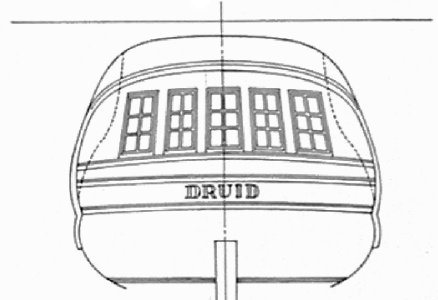
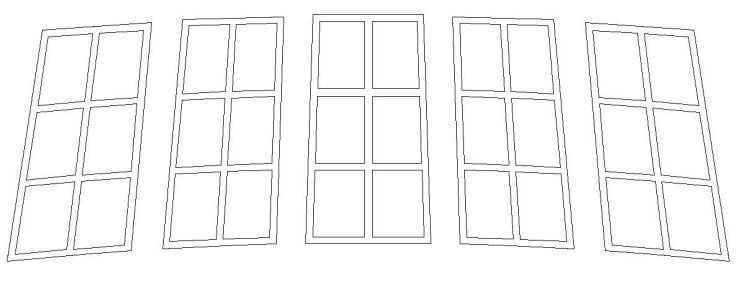
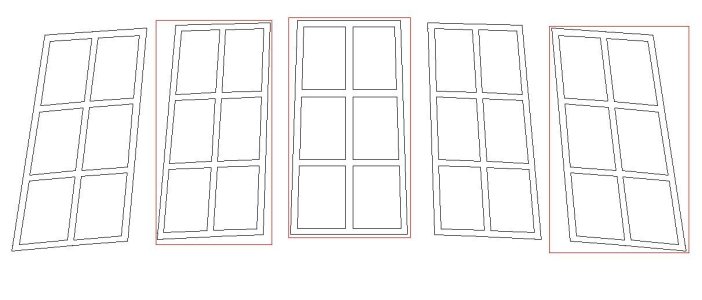
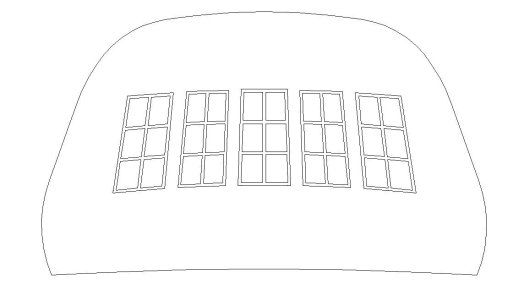
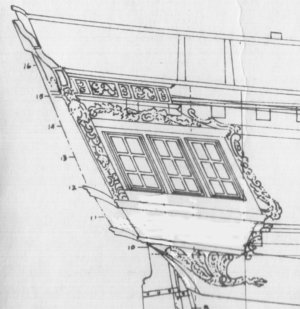
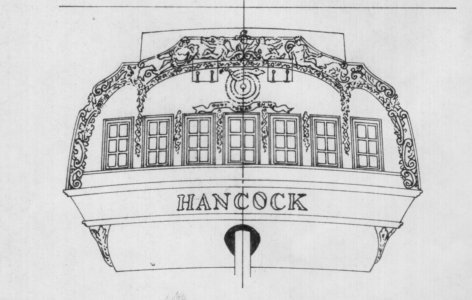
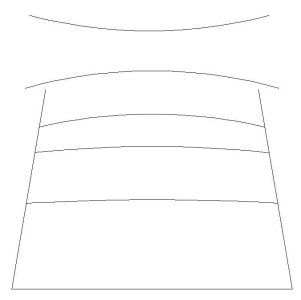
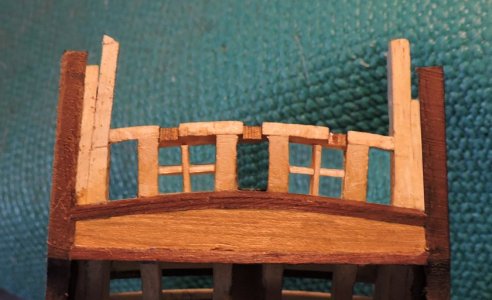
I have been mostly dealing with the much larger liners. My interpretation of their sterns is that the timbers and everything between them describes a fan. The fan originates from a single focal point that is far above the stern itself. It would take a really huge table to draw. The vertical mullions are canted and the degree of cant increases as its file is farther outboard. It may be a parallax effect with your camera, and maybe the little boys were different but Hawke's mullions seen skewed outwards.
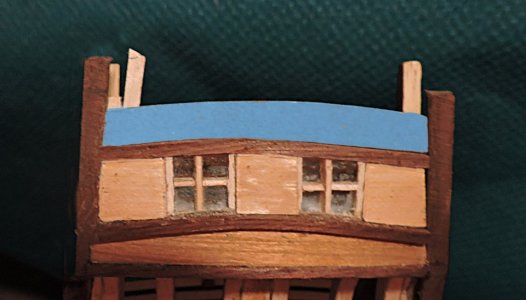
it was not the camera but i do take a lot of pictures while i build and sometimes i look at the picture and because of the angle i took the picture or a parallax effect it looks warped or odd. so, i try a different angle or look at the model and think it is the camera and not the model. So i did look at the stern windows and yup they are a bit skewed outwards and the camera added to it.
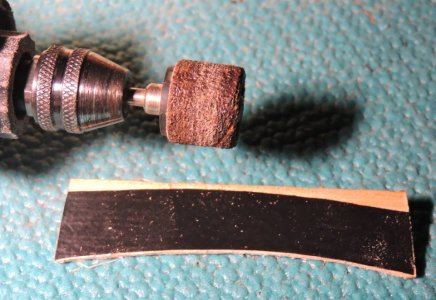
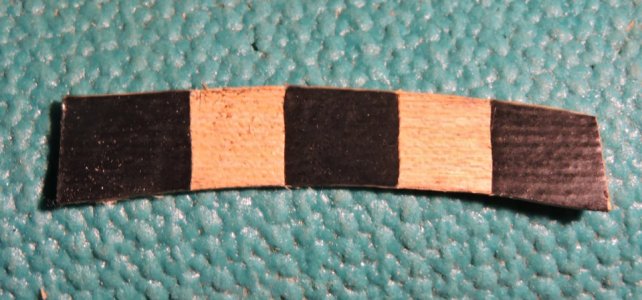
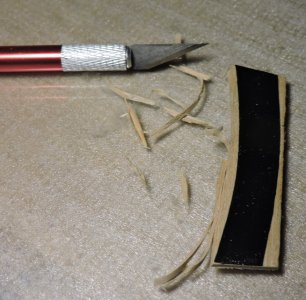
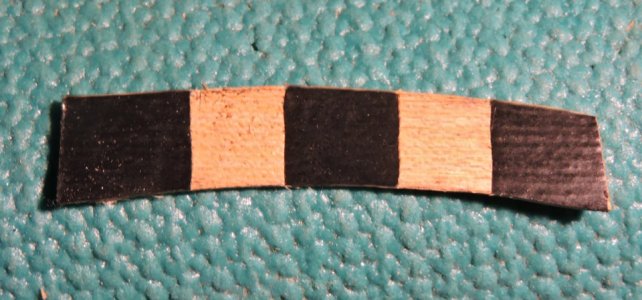
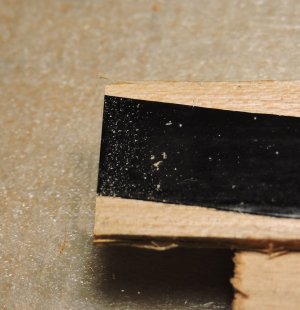
"The I found stir sticks in a local coffee shop that are flat but too wide. I took a few home and tried the cut then into smaller strips which was a failure so I split the down the middle."
An experiment that I would try:
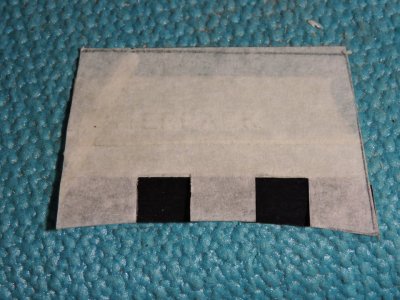
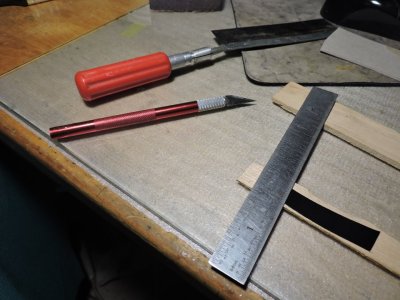
Fix a sheet of mullion stock to a carrier board using double stick tape and use the 320 ot 600 grit cloth backed medium on my thickness sander to get a sheet to scale thickness.
Use a SHARP #11 shaped knife blade and steel straight edge to get scale mullion (and frame) width.
I guess that your stir sticks are Birch? A different species may work better.
i did experiment and i did tape the stir sticks down, the problem i ran into was "to scale" was paper thin so i went with out of scale. Perhaps not a high end builder would have done so i got lazy and frustrated playing around with trying to make scale windows. If Hahn was still around most likely i would have gotten a slap on the wrist with that steel straight edge. He did it at 1/2 the scale
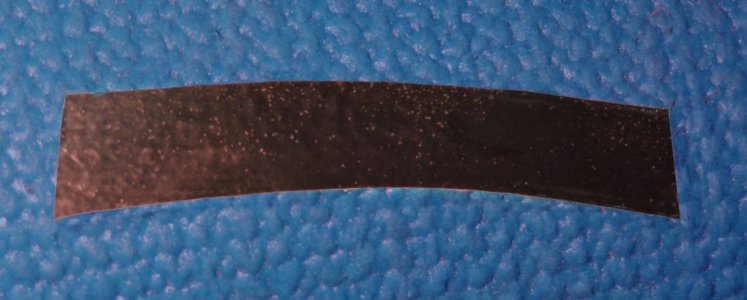
"Using the plastic from a food container I super glued the strips to the plastic"
Back when I explored using CA, it turned into a solid in the container after one use. It has very poor sheer strength and that is what I most need.
I forbid me the use of anything plastic - well except for PVA I do. PVA works well with wood - because wood is microscopically irregular and has pores. Cellophane is cellulose. I am of the thought that it too may be having pores and be PVA friendly. Cellophane is closer to scale glass thickness and not prone to yellowing or embrittlement - unlike most plastics. It certainly is not strong enough to provide any support to the mullions. I think that the outer frame for each light would have to be part of the assembly. I have never seen Cellophane suggested as a scale glazing material. Is there something negative about it that I have missed?
i used the plastic food container material thinking if i put a thin puddle of Epoxy on the plastic and set the wood strips into the Epoxy i would be able to peel away the plastic once the Epoxy cured. Then i though heck i will just leave the plastic there it will never be seen.
Using Birch stir sticks was convenient and IF this was a high-end model for display or a work of maritime art to be sold in a gallery i would have milled some boxwood for the windows. But the model being built here is just a prop used in a school setting.
Yes there should be an outer frame around the windows but using out of scale mullions and frame there would be nothing left of the windows. Maybe i will just try this again doing a proper job of it
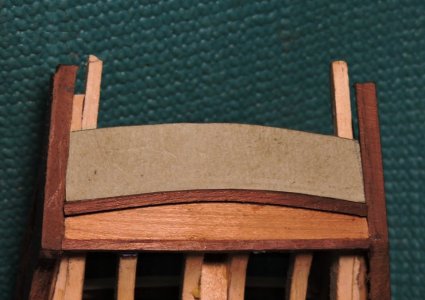
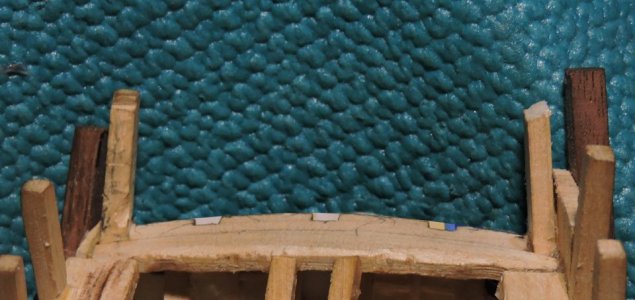
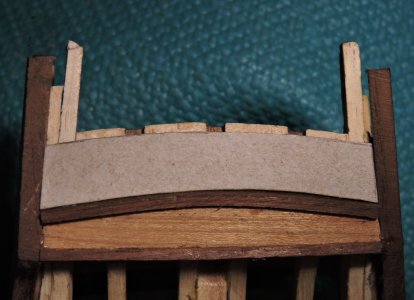
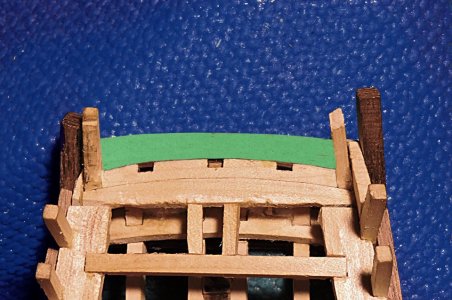
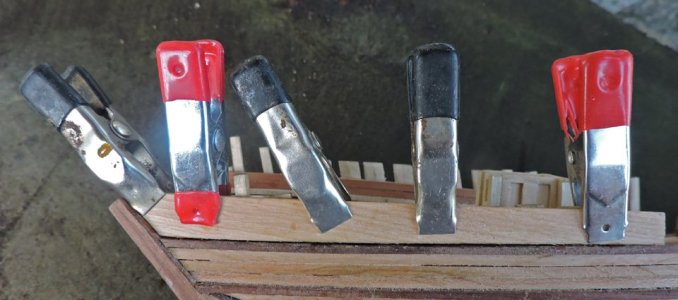
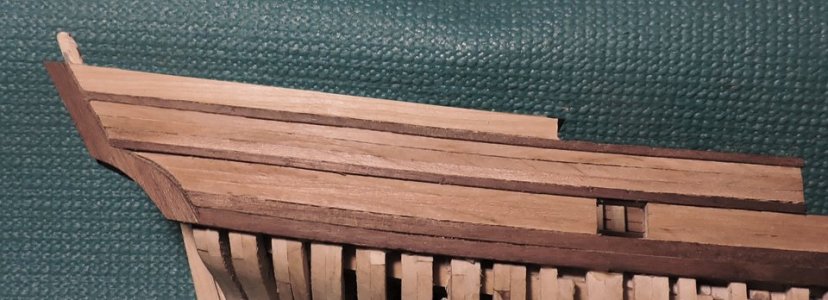
"As you see in the picture clamps are used to pull the molding down against the lower piece and another set of clamps to bend it to the arc of the stern. The Walnut being used is cold bent."
Underhill taught me to be belt and suspenders. My impulse would be to use either a heat bend or use a pattern on stock and cut free a piece that was the bend. I would also try to have #70 holes for s. steel pins- dead end in the molding and the support or drilled thru the support from the inside since it is hidden there. #70 bamboo dowels would be a better choice as far as rusting over a couple hundred years, but I find pulling bamboo to that small a diameter to be low yield and frustrating.
Walnut is naturally shock resilient that might be why it is used for gun stocks. I have 30 some year old models i used Walnut for bent parts and they are still bent and holding their shape. I took that molding and bent it in place to feel the resistance and it fell in place without much spring back. So i knew just gluing it in place would hold. Now using a heat bend would have relaxed the molding and better insure it would set and hold its shape.
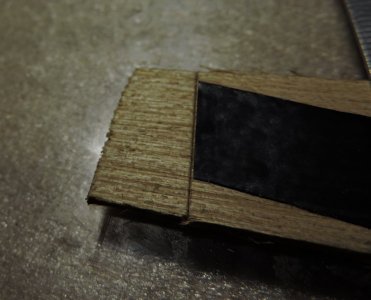
"Building big and cutting down to size works much better than cutting everything to size and trying to built. Because the slightest error shows up. When I glued the strips to the plastic when I tried to cut them down they did break away from the plastic so I did make a shallow puddle of epoxy and set the strips into the epoxy."
Nature does it this way. An example is needing proinsulin to produce insulin.
It is a constant struggle to keep an idea or standard separate from the individual expressing it. Those who crave recognition as being elite themselves (kit-o-philes) seem to always attack the person proposing something that is outside their work product. They see a threat and go personal. Immediately calling them out using a false argument could be an effective cure.
Do i see my colleagues as some over lords protecting the high quality that can be achieved by practice and knowledge of this art form? the answer is a solid NO ! they might point out errors, historical mistakes or the lazy way to accomplish something I see the value in what they teach. As the school grows and new projects are started it is my personal goal to continue to improve myself and hopefully the school.