• Win a Free Custom Engraved Brass Coin!!!
    As a way to introduce our brass coins to the community, we will raffle off a free coin during the month of August. Follow link ABOVE for instructions for entering.
  • PRE-ORDER SHIPS IN SCALE TODAY!

    The beloved Ships in Scale Magazine is back and charting a new course for 2026!
    Discover new skills, new techniques, and new inspirations in every issue.

    NOTE THAT OUR FIRST ISSUE WILL BE JAN/FEB 2026

School for Shipmodel Building School for model ship building

Do you see a difference between rotary cut and plane cut veneer? I think that rotary cut may curl/cup.

personally, i never used veneer i know model builders who have but i do not have any first hand experience. To explore the possible use of veneers i would suggest researching the art of marquetry.
 
The Holidays, the death of my computer workstation (the dreaded blue screen of death) and work on another art project has delayed work on the Sir Edward Hawke.
No worries everything should be back on schedule in a week or two.
 
i am still scrambling to reorganize from a string of unfortunate events. The guy who did my laser cutting quit his job, the person who did the casting for cannons fell off the face of the earth, the thickness sander needed repairs. Family issues "goodness gracious great balls of fire" if it is not thing it is another but i will be back.
 
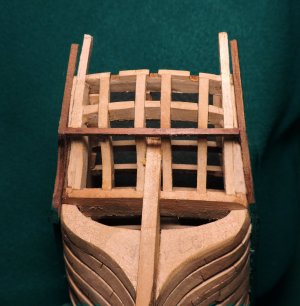
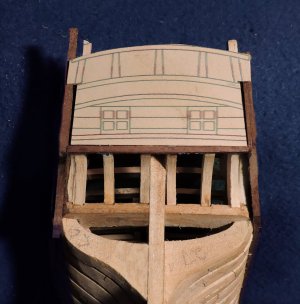
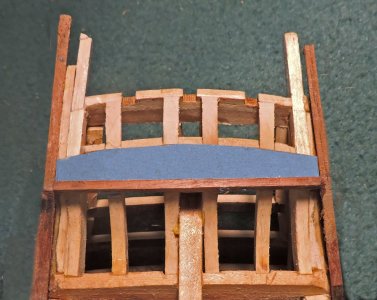
the last class was December 13 2025 and now classes are back in secession after almost a 2-month sabbatical from model ship building. So! where was I? oh yes planking the inside of the bulwarks. That is finished and it is time to turn attention to the stern upper section.
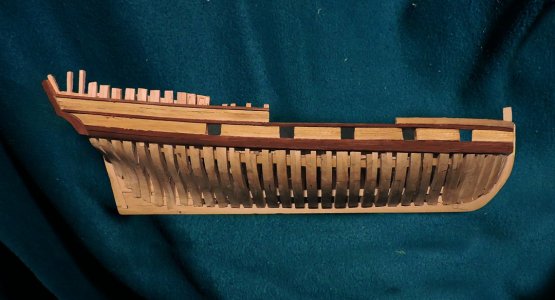
Looking at the picture starting with the wales. it does not matter if you're building from a kit or scratch setting the wales is the first thing you should do. It is the foundation the upper works sits on. As for the lower hull planking the best way is to first shape the gardboard planks and bottom planks then plank up to the wales. The last planks to go in are the ones under the wales called shutter planks. This model will not be planked below the wales except for maybe the garboards.
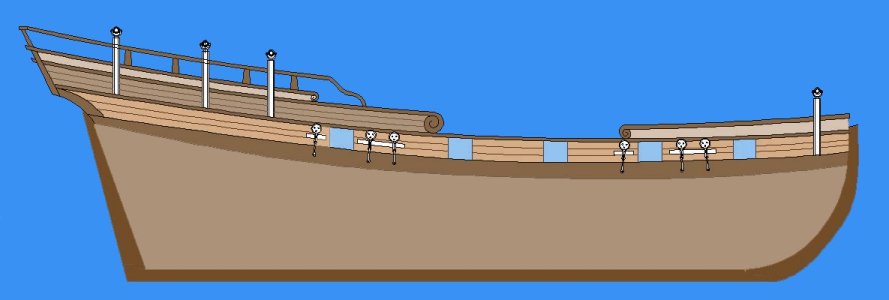
The planking right above the wales where the gun ports are runs parallel to the wales. At the bow a wider plank is used. Todays class is about the darker run of planks at the stern right above the molding.
The first issue to deal with is the difference in width of the section above the wales and the next section above the molding. I say an "issue" because one problem with many kits (not all) of them but it is common for kits to supply just one maybe two widths of planking. This could be why it is so difficult to get a proper job of planking.

I did mill the planking all the same width for the section above the wales but the planking is too wide for the next section. i cannot just use it because the molding above the section has to hit exactly at the correct height. In the final planking of the stern section and the height of the deck all have to come together at an exact measurement.

a well planked hull shows a sweet sweeping run of planks and moldings

so let's go in the shop and do some modeling

Capture profile1.jpg
 
ok! in the shop the first thing to deal with is to measure the area and divide that into the number of planks needed to fill it in.
You don't have to be exact close is good enough. There is a little play between the height of the deck to the cap rail and the outer planking. On some hulls the planking sweeps upward as it approaches the stern so planks might have to be tapered. In this case the section to be planked is running parallel to the section below it.

I could have just milled the planking to the measurement on the drawing to begin with but past experience i found the model 99% of the time will drift from the plans give or take from the "hand of man" so it is best to fit planking or whatever your working on to the model rather than trying to stay absolutely true to the plans. So the planking used for the bulwarks have to be reduced in width.

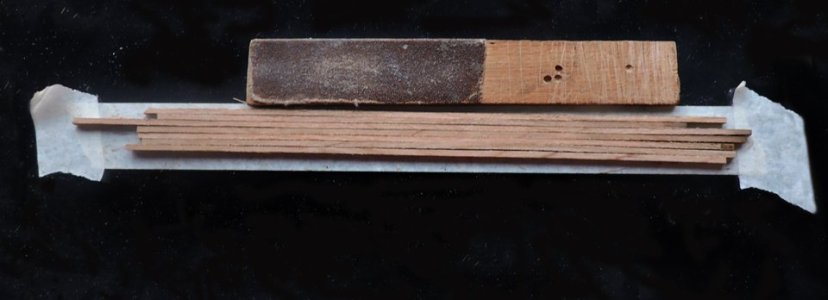
I do make sanding sticks of different grits. It is a simple hand made tool by just gluing sandpaper to a stick. The trick is not to use sheets of sandpaper but rather use sanding belts they are much thicker and hold up much longer than thin sandpaper.
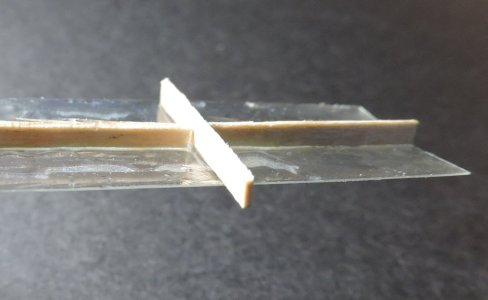
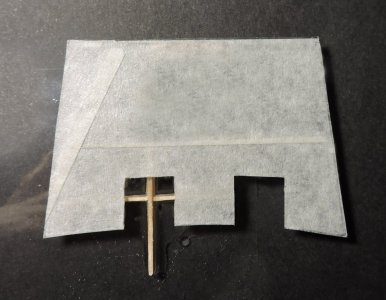
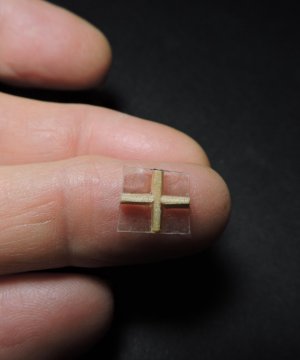
To start i am using masking tape sticky side up taped at the ends to a flat surface, in this case a piece of glass.
I take the planks to be reduced in width and stand them on edge on the sticky masking tape. Then sand away until you reach the correct width. simple

up work21.jpg
 
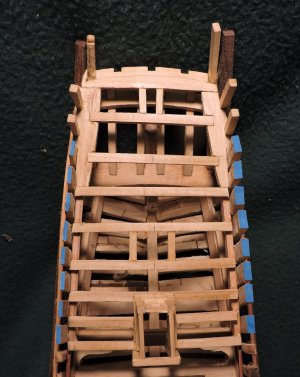
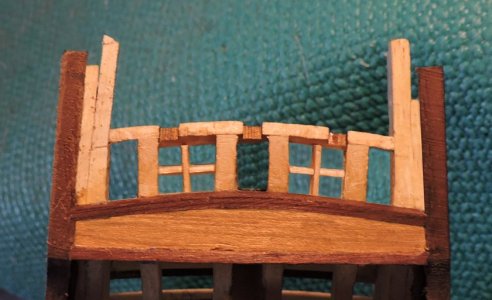
Before gluing the planking to the hull like i did with the bulwarks be sure to sand the timbering to the correct width. On the left side is the correct width of .100 the right side need to be reduced. When you are sanding and shaping the hull you can do this at that time. I just left the top timbers full width until it was time to plank the upper works. either way is fine

up work22.jpg
 
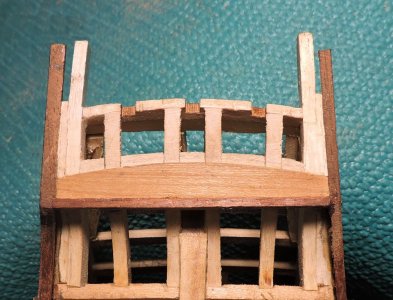
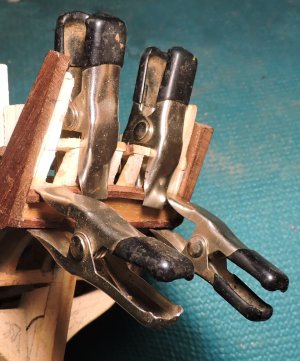
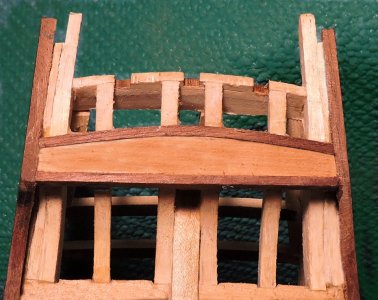
The final results. Next comes the cap rail at the bow and the last section at the stern.
See you all in class next Saturday

it is -12 below zero here on the southern shores of lake Erie and my shop is in an unheated barn. Even though i do have military grade arctic wear. the machines groan in the cold. Must be the grease in the bearings got to stiff. So i will be working on the Sir Edwars Hawke this week.

up work26.jpg
 
Back
Top