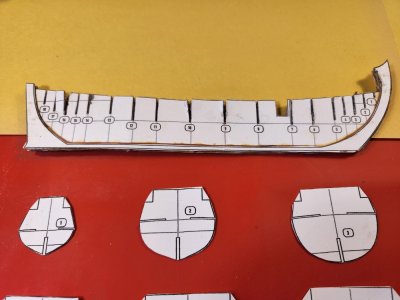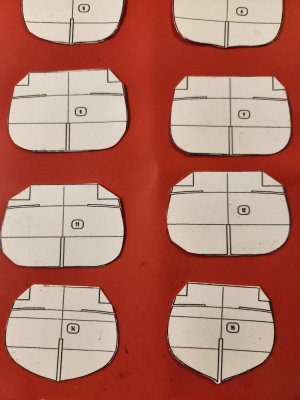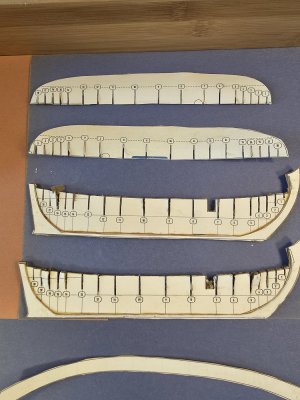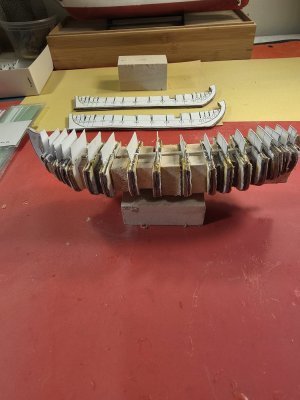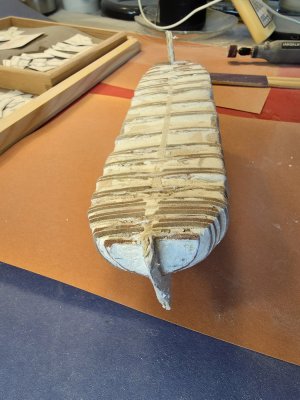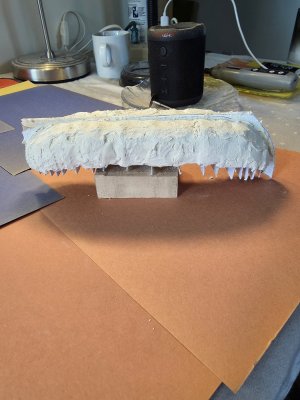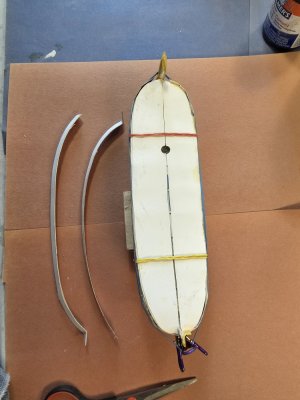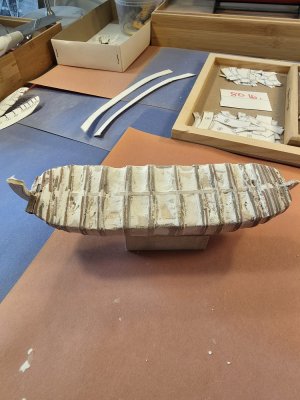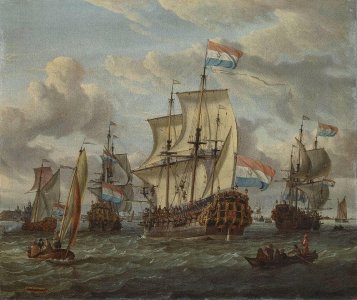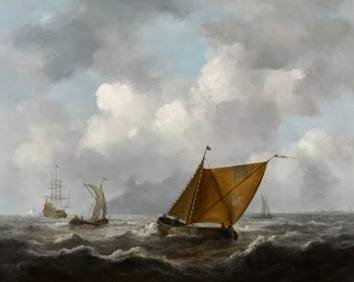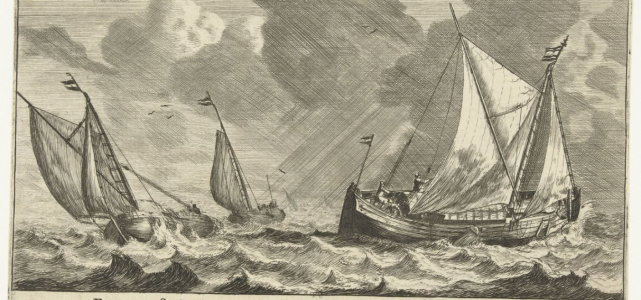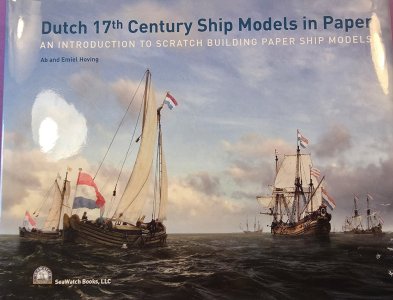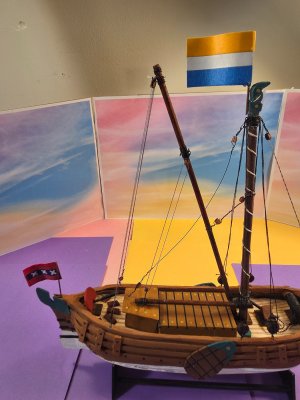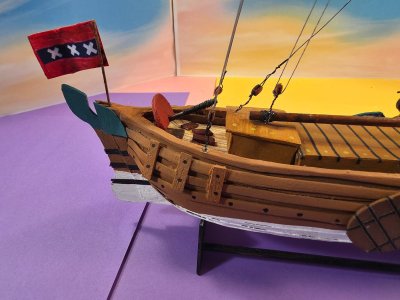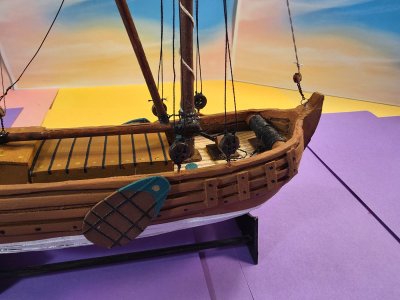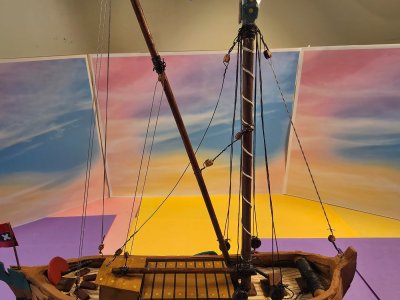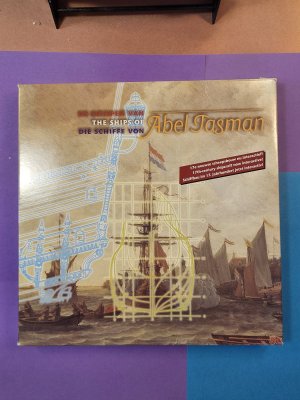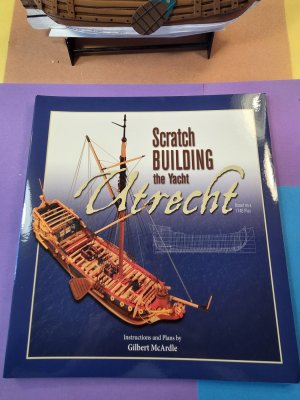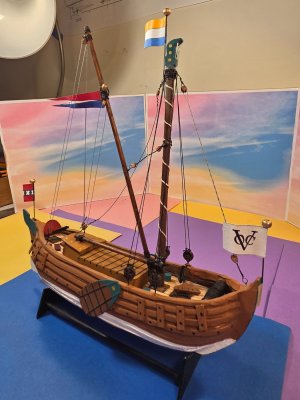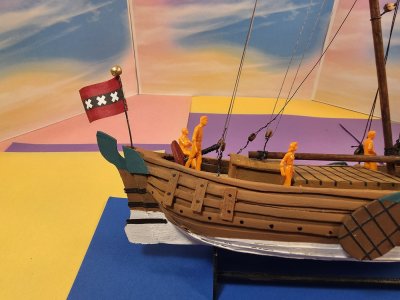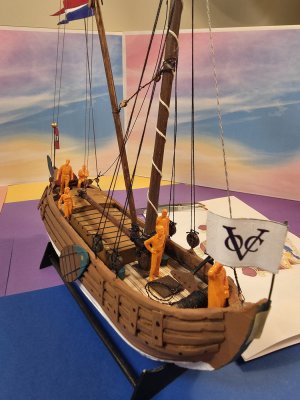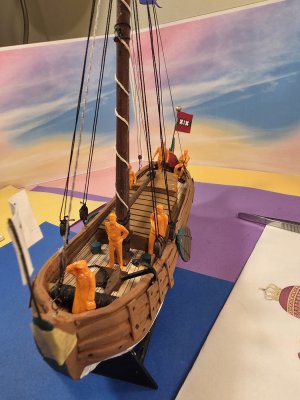



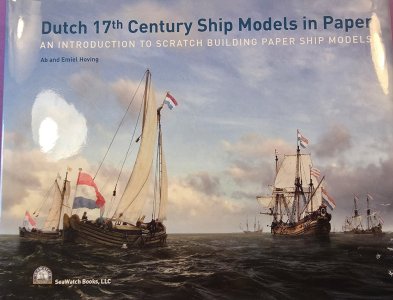
1. Build Log - "Smalschip" 17th-century Dutch inland cargo ship 1/48 scale, in paper cardstock from plans by Ab Hoving in his book "Dutch 17th Century Ship Models in Paper: An Introduction to Scratch Building Paper Ship Models," from SeaWatch Books.
I started this build because I wanted to learn the Ab Hoving method of building scale ship models in paper and cardstock. Mr. Hoving has been very helpful to me (and many others on SoS) in my pursuit of building 17th-century Dutch vessels, like the Jaght Heemskerck, the Kalmar Nyckel, and the Statenjaght Utrecht.
He has also been generous with his time and with his sharing of his ship designs and tips on his building method. His book about Dutch ship models in paper is beautiful (thanks to Emiel Hoving's book design and graphics), enlightening about 16th and 17th century Dutch ship building practices, and the book makes a great case for using paper and cardstock to build ship models in scale. As Ab Hoving has said on this forum when speaking about his paper cardstock building method, "It's so easy." I totally agree.
All my previous attempts at building model paper kits (mostly from Eastern Europe) came up short because I found that any mistaken fold, incorrectly glued fold, or mis-cut paper parts could rarely be fixed and the traditional paper builds were very frustrating. I started and did not complete paper models of the Graf Goetzen armed cargo ship, the Centaur ocean tugboat, and the Cyclon II tugboat. I vowed not to go back to paper building until I heard of the "Ab Hoving Method" of building in paper and cardstock.
Once I saw how beautiful Ab's models were and how apparently easy the method was, I dove right in and started building the 17th-century Dutch "Smalschip." The book also has plans for "Witsen's Pinas" another 17th century merchant/naval vessel.
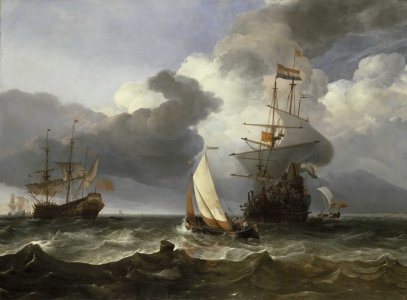
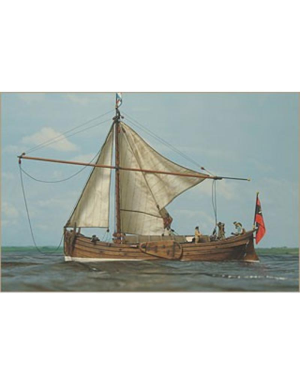
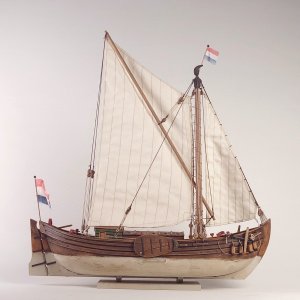
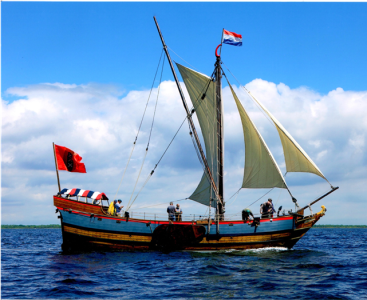
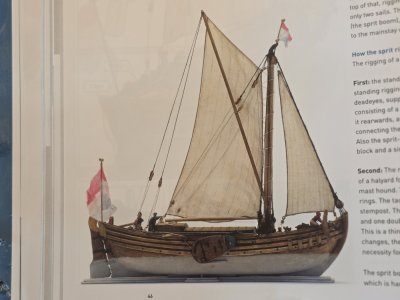
Here is a picture from Ab's book of his model "Smalschip," a 60-foot long utility ship that could work far inland because it's 16-foot width could pass through standard locks that extend far into the Dutch provinces:
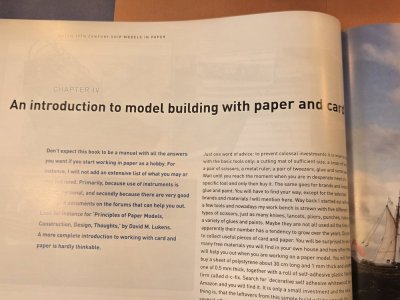
I do not want to go into too much detail about Mr. Hoving's build method, because people who are interested should read some of the build logs using the method and should purchase this book from SeaWatch Books. I will also only make sparing use of pictures from the book because I want to respect Mr. Hoving's copyrights.
As to this method of building, basically using enforced cardboard, chip board, and heavy paper cardstock, I'll just say:
1. This method of building is easy, forgiving of mistakes, and if you messed up a part or component, you just have to take 5 minutes to fabricate another one.
2. The method does not require any special tools, adhesives, or substrate materials. Everything you need (except maybe EVA foam) is probably already in your shop.
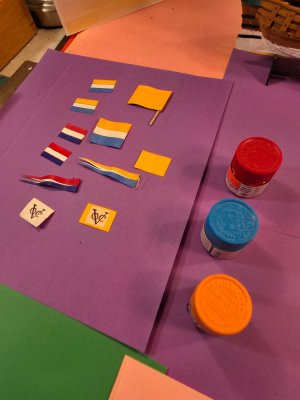
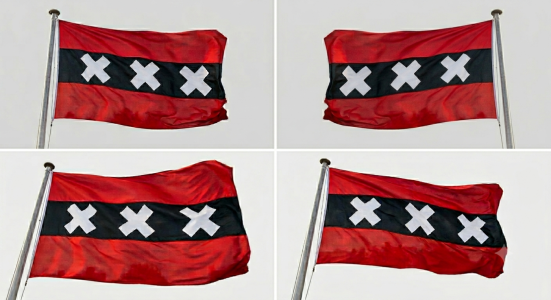
3. The method allows for an incredible amount of creativity and modeler's choice - If you want to build a vessel from Amsterdam, research and use the flag of Amsterdam, you just have to fabricate the flag and paint it yourself. You can depart from the drawings and still have a good build...you are only limited by your imagination.
4. Since there is a minimal investment to get into this build method, if you don't like the outcome, just build another one.
5. The method lends itself to scratch building from plans, especially in the 1/48 and 1/96 scales.
6. Because most structural components in paper or cardstock can be soaked or impregnated with glue (CA or PVA) to make them strong (use CA) or flexible (use Elmer's glue). Cardboard soaked in CA glue is as hard as wood and can be sanded, cut and painted.
As for materials, here is what I used in building my Smalschip:
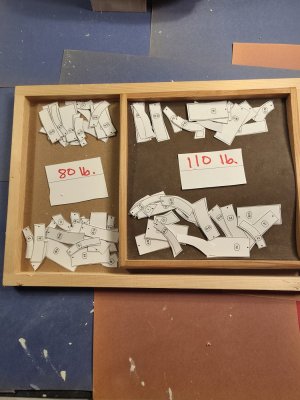
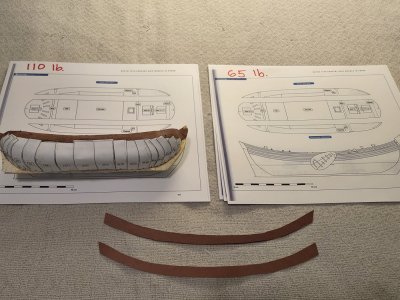
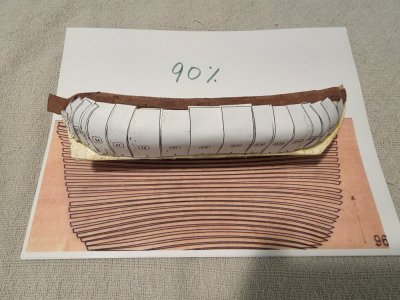
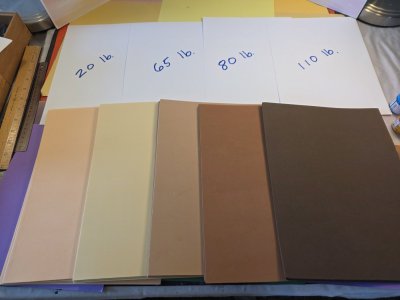
1. Paper stock in 20 lb., 65 lb., 80 lb. and 110 lb. & plastic foam (I use EVA foam because it keeps its shape when painted).
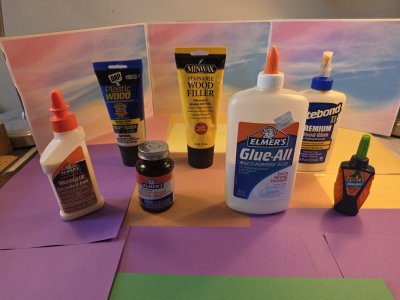
2. Adhesives
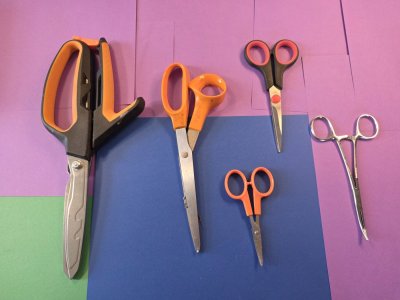
3. Cutting tools (shears cut cardboard very easily).
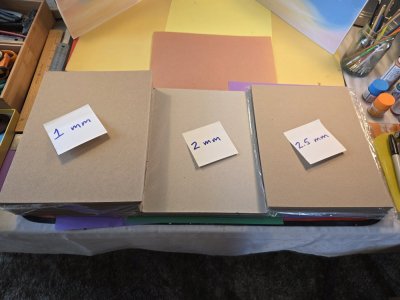
4. Cardboard, chip board, Foamcore, or hardcover book covers, in 1mm, 2mm and 2.5 mm. When needed, the paper cardstock can be combined to thicknesses of 4 mm to 8 mm. Above 8 mm and you may want to use balsa wood.
 -
-
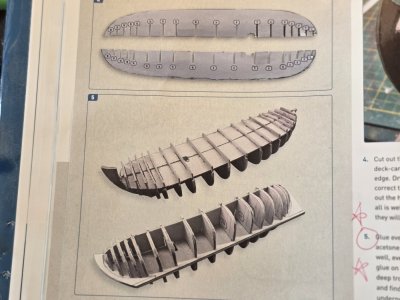
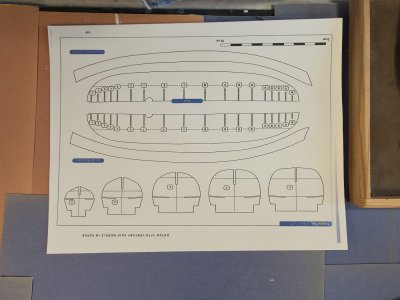
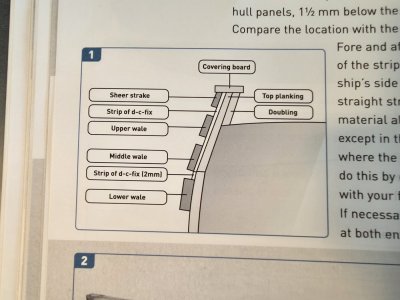
5. Plans -- Here are some of Ab Hoving's design drawings from the book.
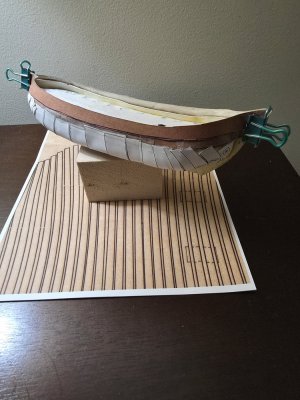
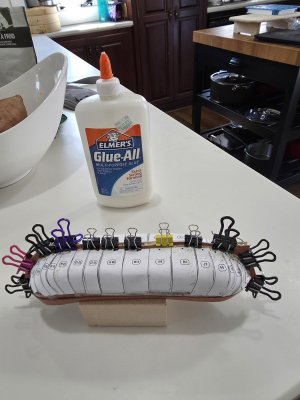
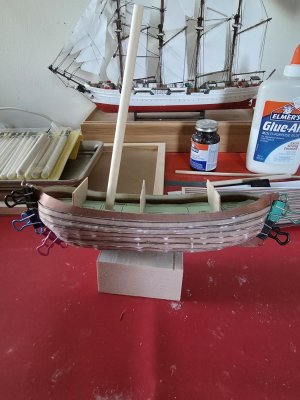
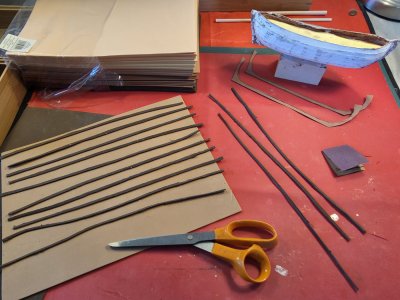
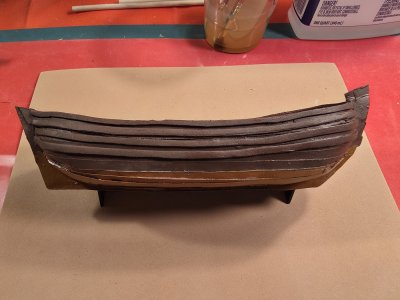
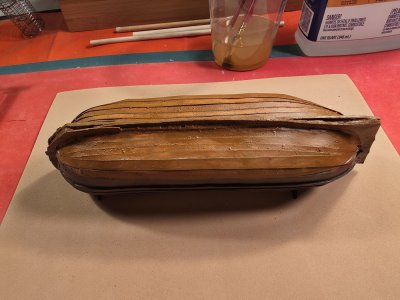
I am now almost done with my Smalschip build, but I want to spend a few build log entries showing my step-by-step build process using the Ab Hoving method.
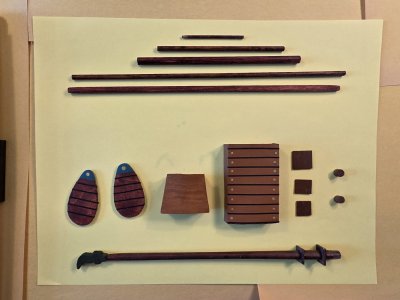
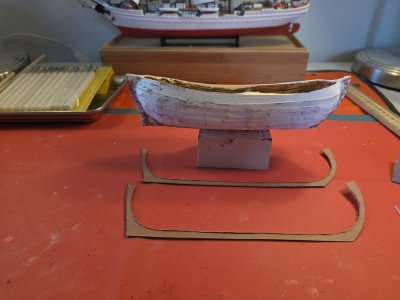
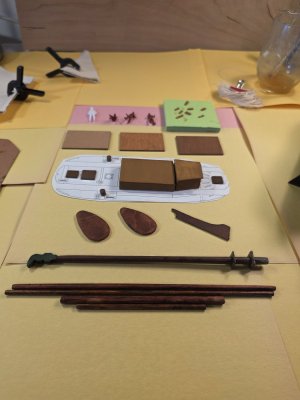
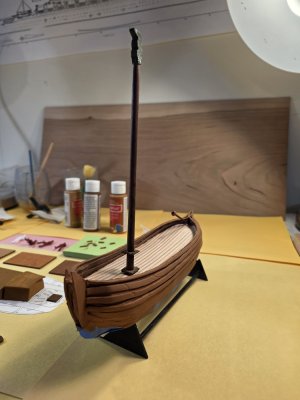
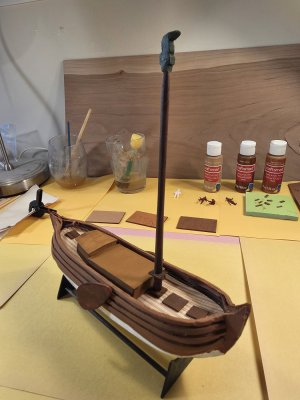
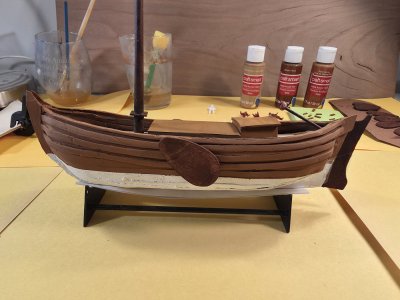
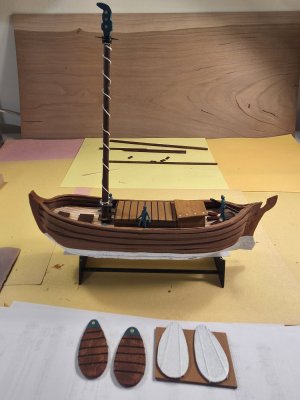
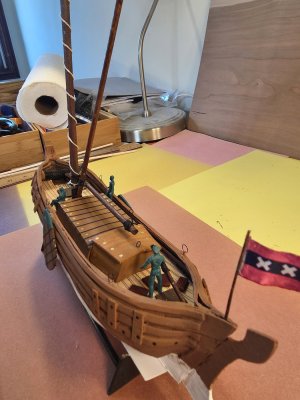
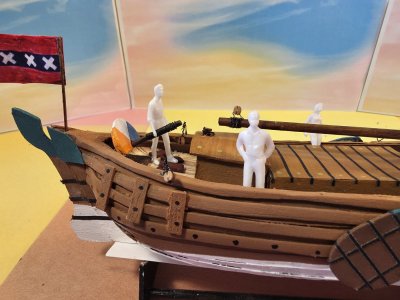
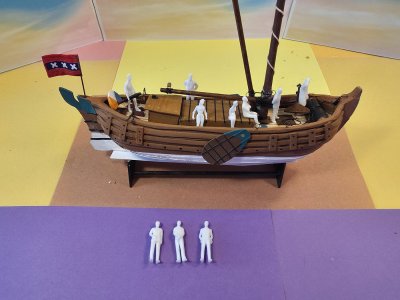
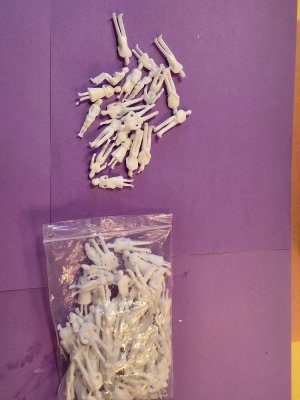
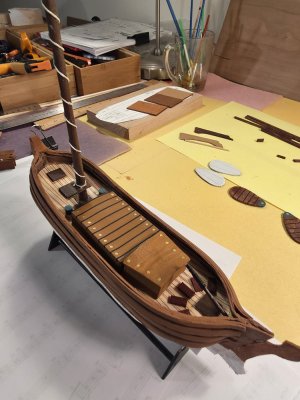
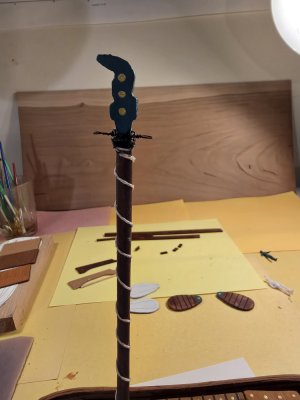
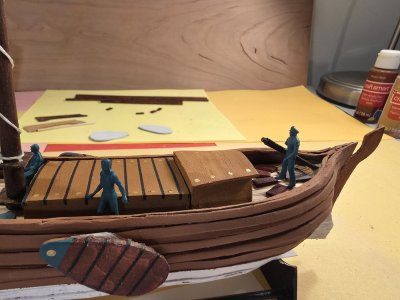
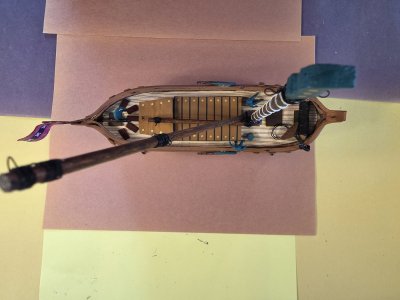
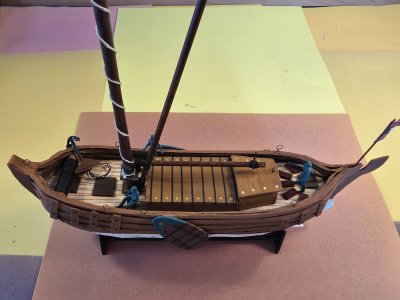
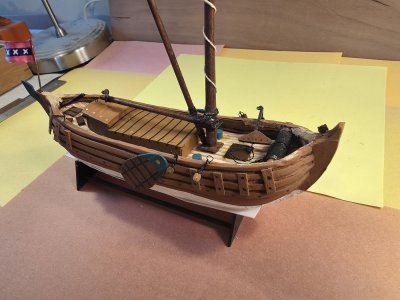
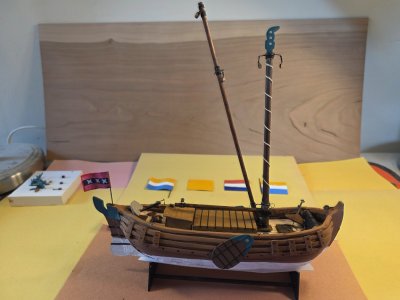
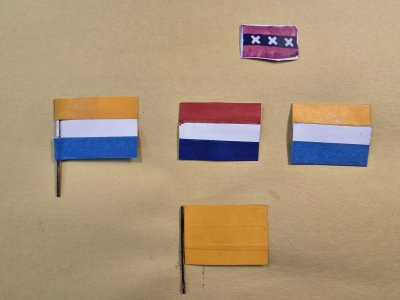
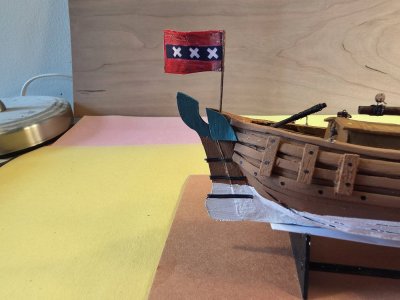
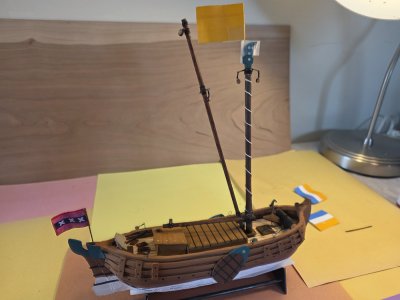
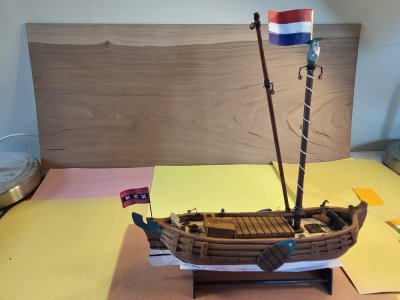
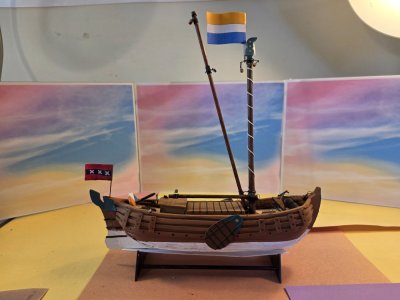
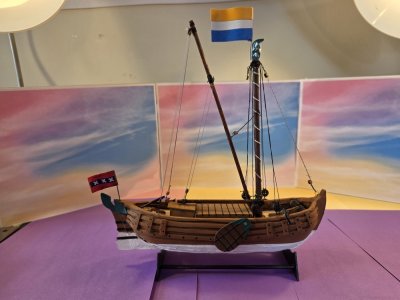
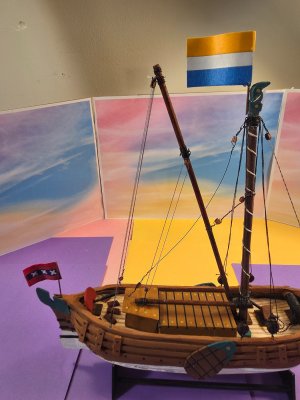
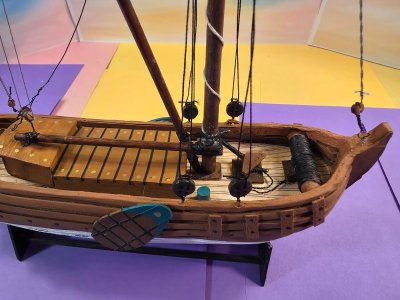
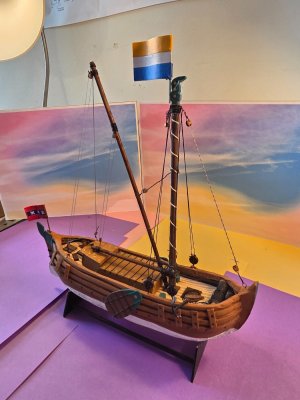
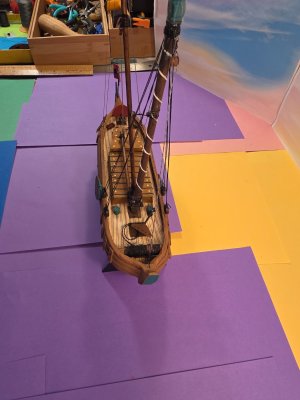
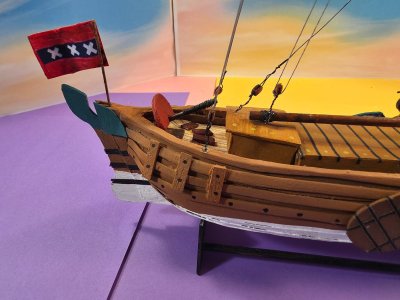
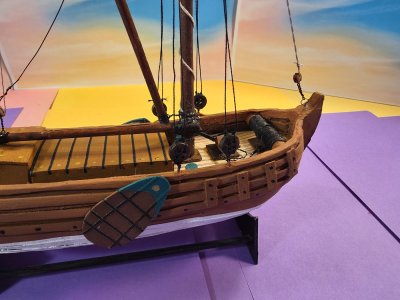
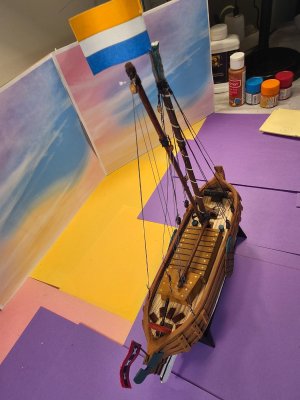
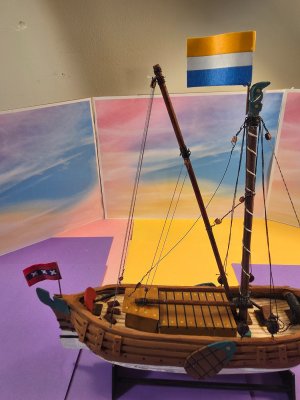
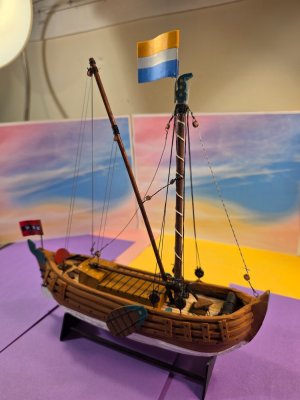
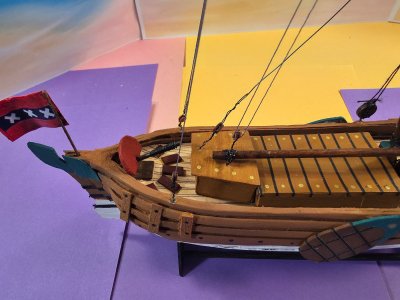
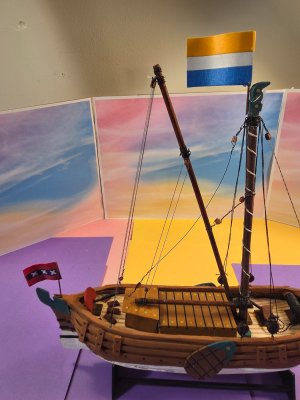
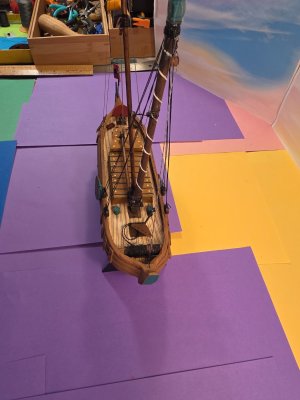
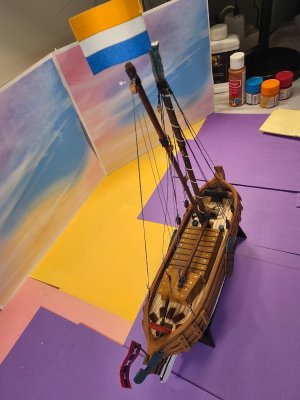
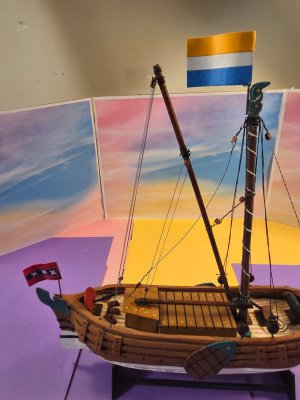
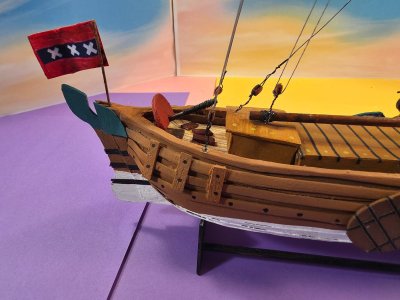
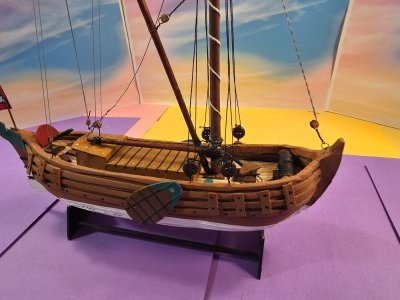
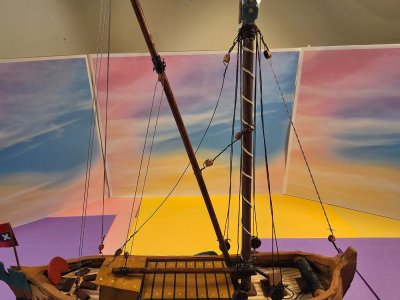
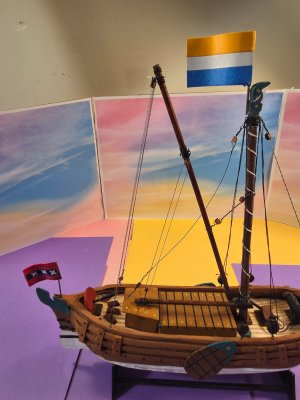
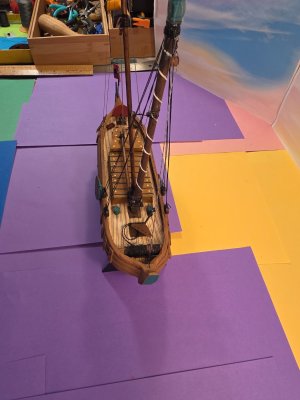
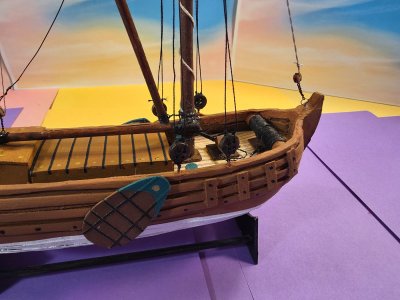
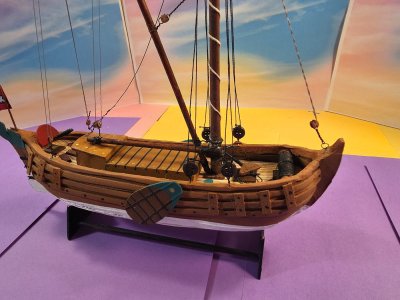
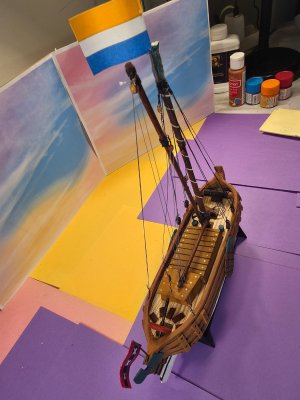
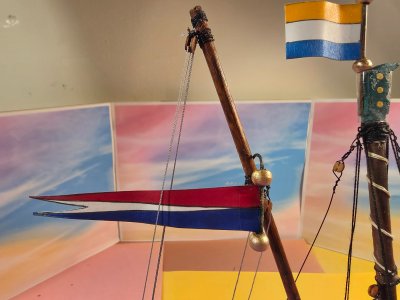
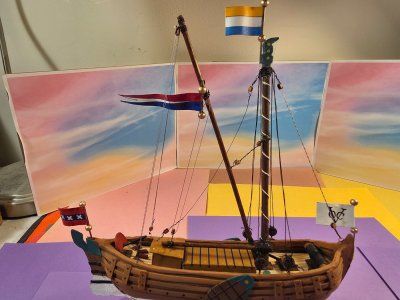
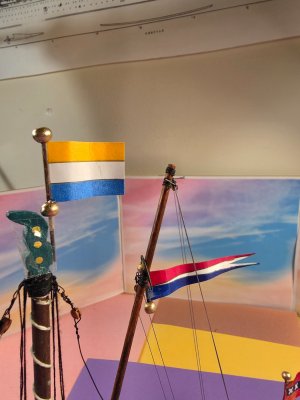
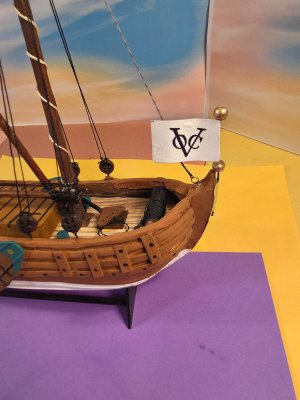
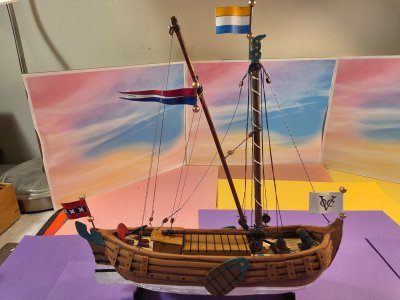
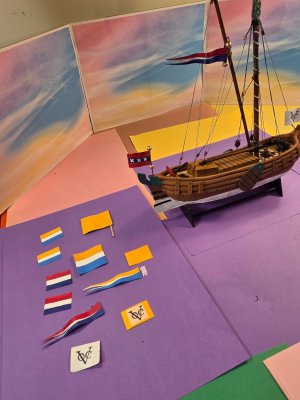
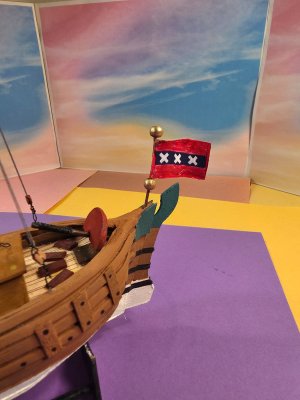
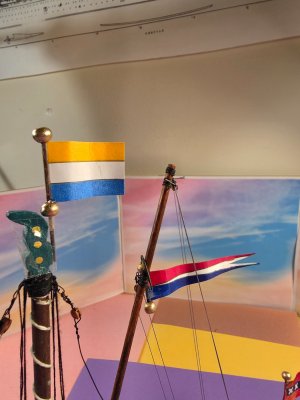
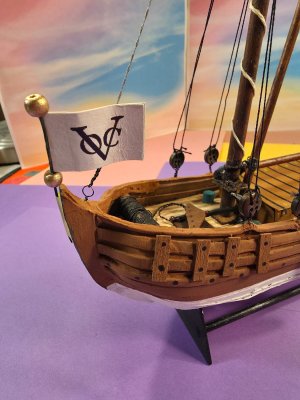
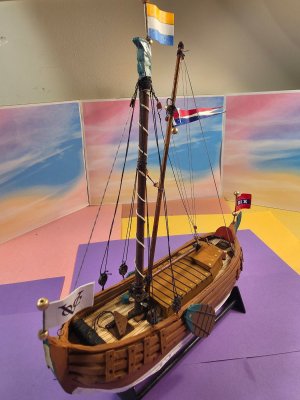
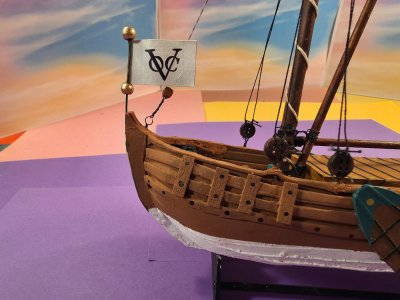
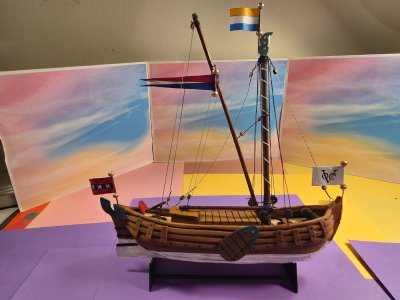
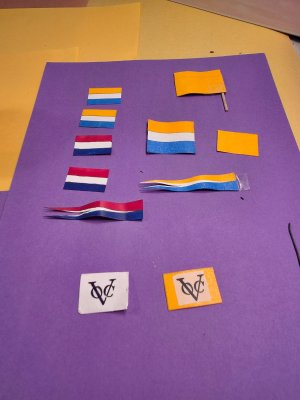
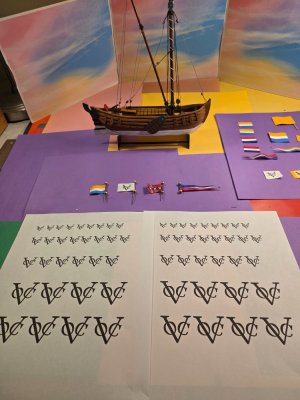
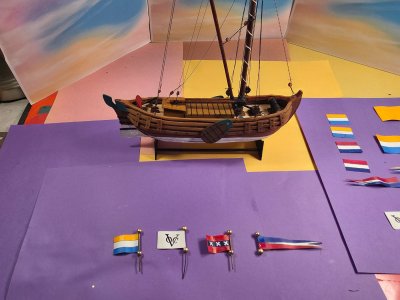
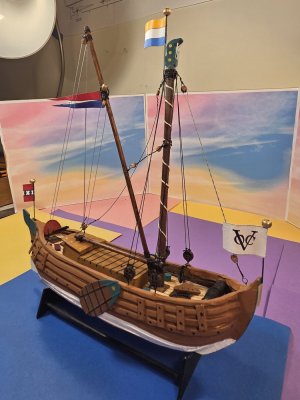
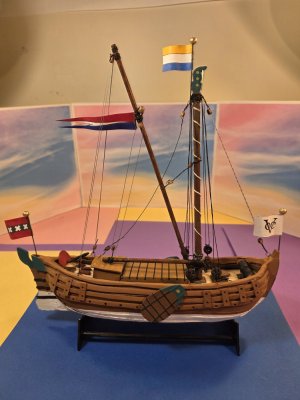
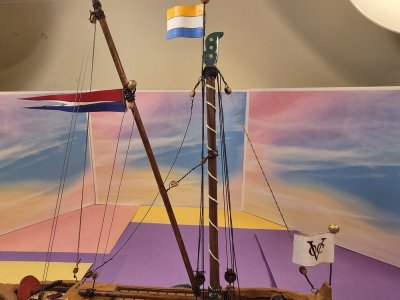
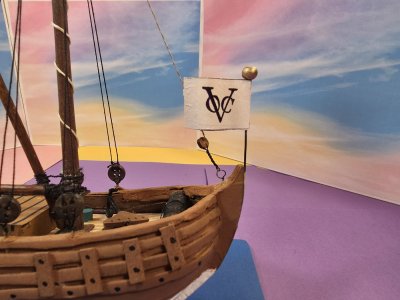
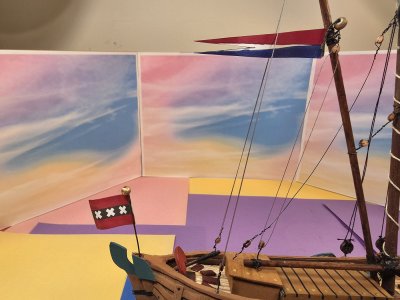
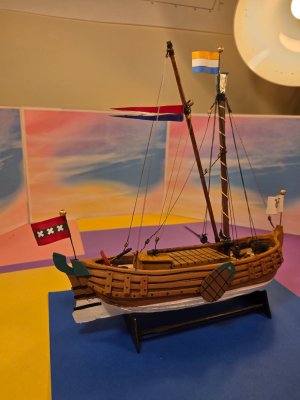
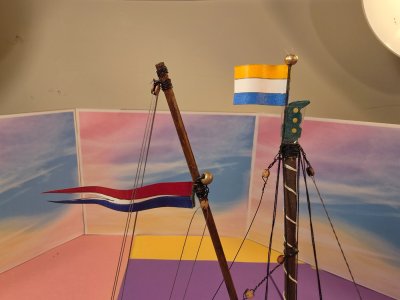
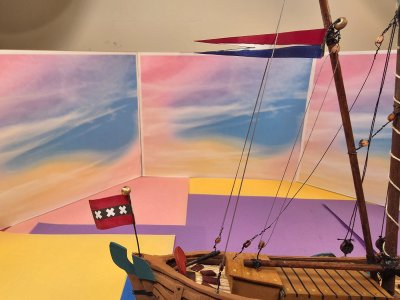
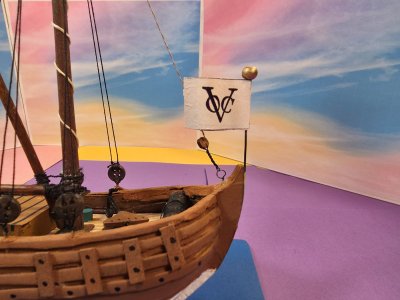
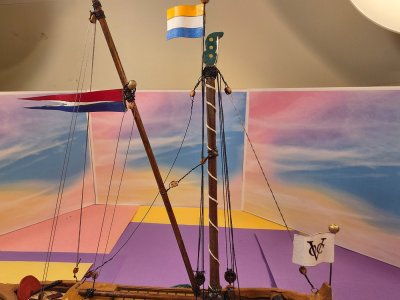
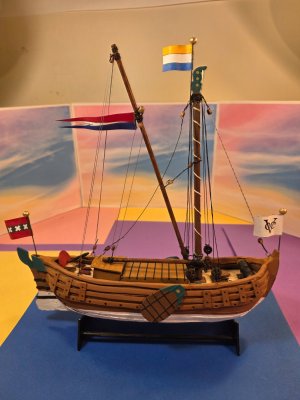
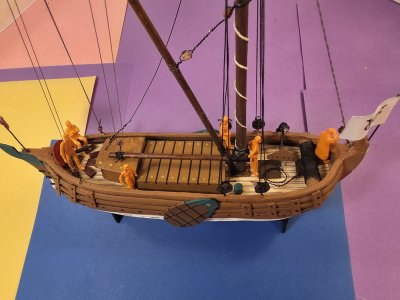
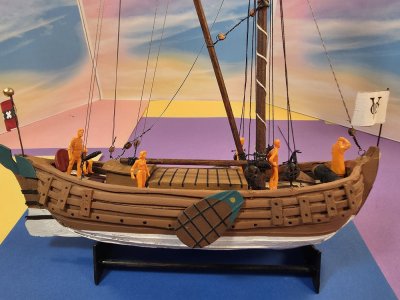
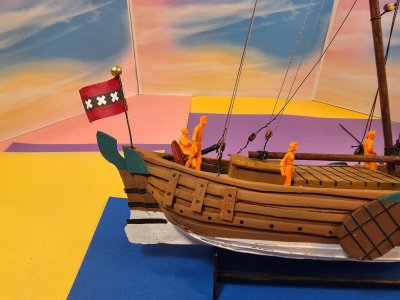
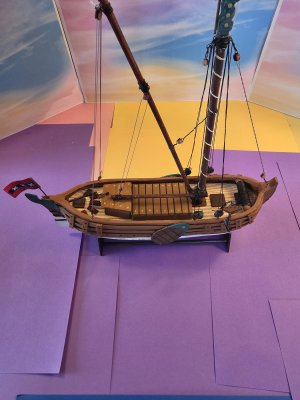
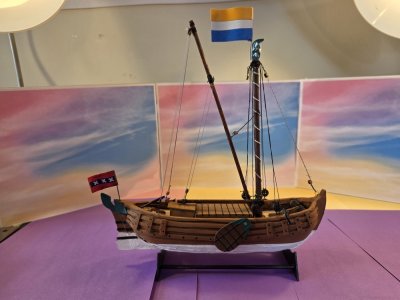
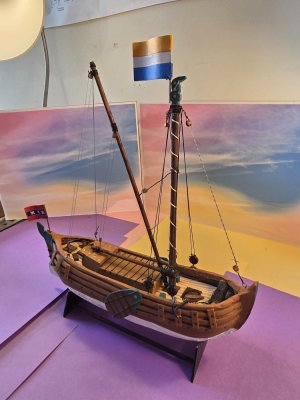
Here are a few pics of where I am now. I am building my Smalschip before 1700 when the Prinzenvlag (House of Orange) would have been used. She is also sailing out of Amsterdam, so she flies the flag of Amsterdam. I just have to finish the skeleton rigging and add some scale figurines and then I should be done.
I started this build because I wanted to learn the Ab Hoving method of building scale ship models in paper and cardstock. Mr. Hoving has been very helpful to me (and many others on SoS) in my pursuit of building 17th-century Dutch vessels, like the Jaght Heemskerck, the Kalmar Nyckel, and the Statenjaght Utrecht.
He has also been generous with his time and with his sharing of his ship designs and tips on his building method. His book about Dutch ship models in paper is beautiful (thanks to Emiel Hoving's book design and graphics), enlightening about 16th and 17th century Dutch ship building practices, and the book makes a great case for using paper and cardstock to build ship models in scale. As Ab Hoving has said on this forum when speaking about his paper cardstock building method, "It's so easy." I totally agree.
All my previous attempts at building model paper kits (mostly from Eastern Europe) came up short because I found that any mistaken fold, incorrectly glued fold, or mis-cut paper parts could rarely be fixed and the traditional paper builds were very frustrating. I started and did not complete paper models of the Graf Goetzen armed cargo ship, the Centaur ocean tugboat, and the Cyclon II tugboat. I vowed not to go back to paper building until I heard of the "Ab Hoving Method" of building in paper and cardstock.
Once I saw how beautiful Ab's models were and how apparently easy the method was, I dove right in and started building the 17th-century Dutch "Smalschip." The book also has plans for "Witsen's Pinas" another 17th century merchant/naval vessel.
Here is a picture from Ab's book of his model "Smalschip," a 60-foot long utility ship that could work far inland because it's 16-foot width could pass through standard locks that extend far into the Dutch provinces:
I do not want to go into too much detail about Mr. Hoving's build method, because people who are interested should read some of the build logs using the method and should purchase this book from SeaWatch Books. I will also only make sparing use of pictures from the book because I want to respect Mr. Hoving's copyrights.
As to this method of building, basically using enforced cardboard, chip board, and heavy paper cardstock, I'll just say:
1. This method of building is easy, forgiving of mistakes, and if you messed up a part or component, you just have to take 5 minutes to fabricate another one.
2. The method does not require any special tools, adhesives, or substrate materials. Everything you need (except maybe EVA foam) is probably already in your shop.
3. The method allows for an incredible amount of creativity and modeler's choice - If you want to build a vessel from Amsterdam, research and use the flag of Amsterdam, you just have to fabricate the flag and paint it yourself. You can depart from the drawings and still have a good build...you are only limited by your imagination.
4. Since there is a minimal investment to get into this build method, if you don't like the outcome, just build another one.
5. The method lends itself to scratch building from plans, especially in the 1/48 and 1/96 scales.
6. Because most structural components in paper or cardstock can be soaked or impregnated with glue (CA or PVA) to make them strong (use CA) or flexible (use Elmer's glue). Cardboard soaked in CA glue is as hard as wood and can be sanded, cut and painted.
As for materials, here is what I used in building my Smalschip:
1. Paper stock in 20 lb., 65 lb., 80 lb. and 110 lb. & plastic foam (I use EVA foam because it keeps its shape when painted).
2. Adhesives
3. Cutting tools (shears cut cardboard very easily).
4. Cardboard, chip board, Foamcore, or hardcover book covers, in 1mm, 2mm and 2.5 mm. When needed, the paper cardstock can be combined to thicknesses of 4 mm to 8 mm. Above 8 mm and you may want to use balsa wood.
-5. Plans -- Here are some of Ab Hoving's design drawings from the book.
I am now almost done with my Smalschip build, but I want to spend a few build log entries showing my step-by-step build process using the Ab Hoving method.
Here are a few pics of where I am now. I am building my Smalschip before 1700 when the Prinzenvlag (House of Orange) would have been used. She is also sailing out of Amsterdam, so she flies the flag of Amsterdam. I just have to finish the skeleton rigging and add some scale figurines and then I should be done.
Last edited: