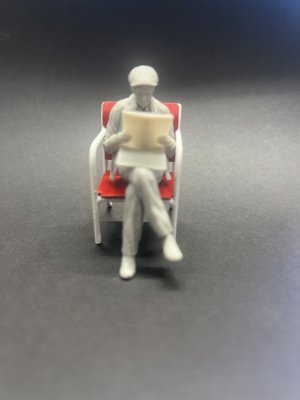
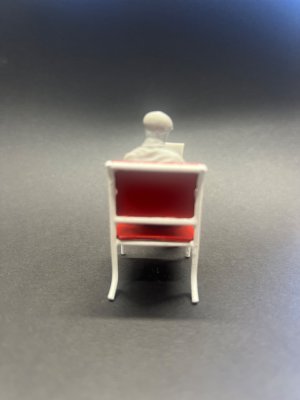
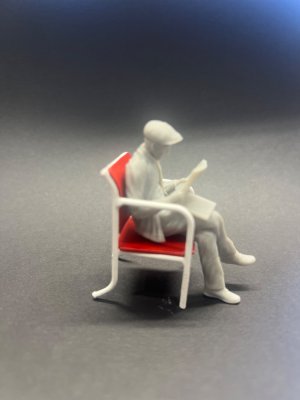
• Win a Free Custom Engraved Brass Coin!!!
    As a way to introduce our brass coins to the community, we will raffle off a free coin during the month of August. Follow link ABOVE for instructions for entering.
  • SUBSCRIBE TO SHIPS IN SCALE TODAY!

    The beloved Ships in Scale Magazine is back and charting a new course for 2026!
    Discover new skills, new techniques, and new inspirations in every issue.

    NOTE THAT OUR NEXT ISSUE WILL BE MARCH/APRIL 2026

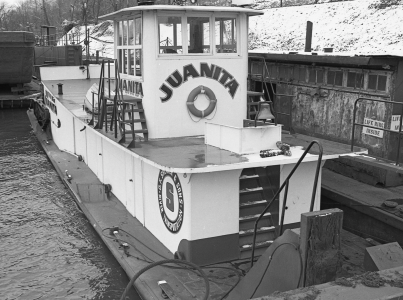
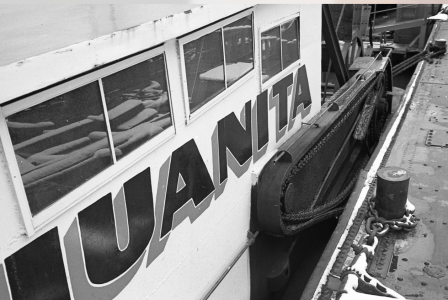
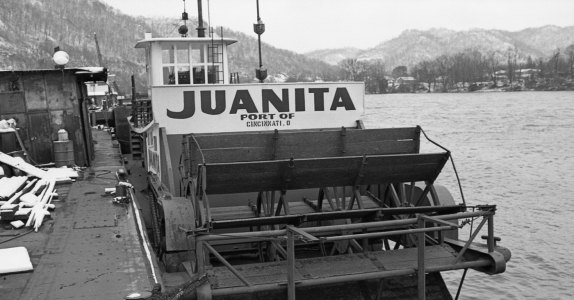
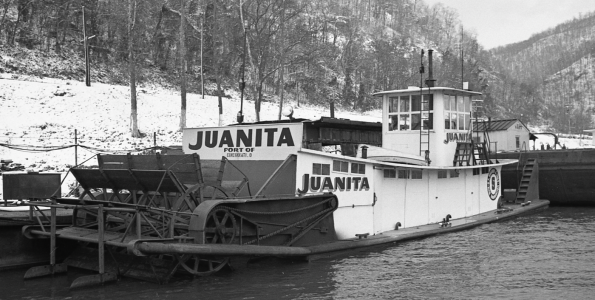
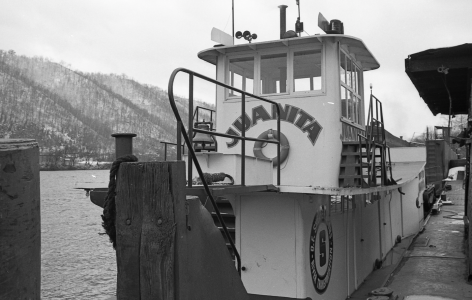
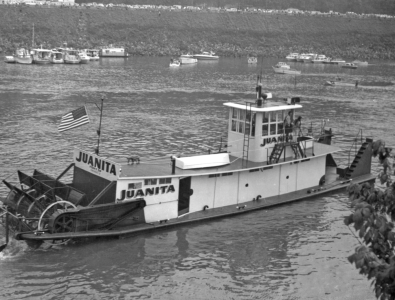
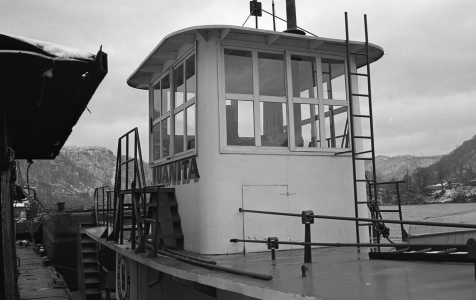
The Juanita Sternwheeler 1/24

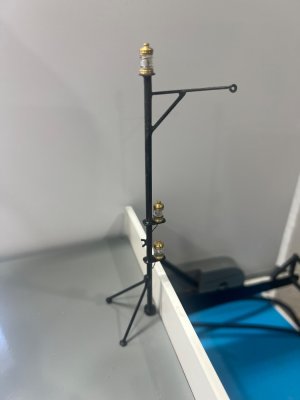
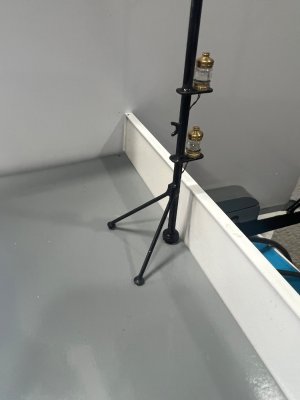
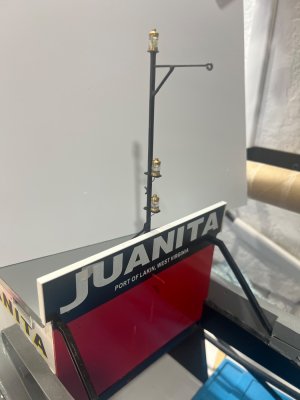
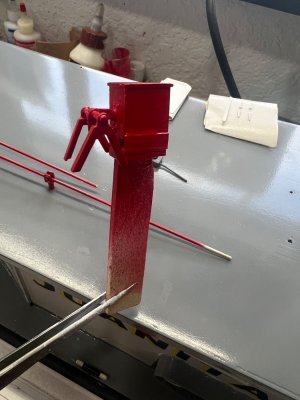
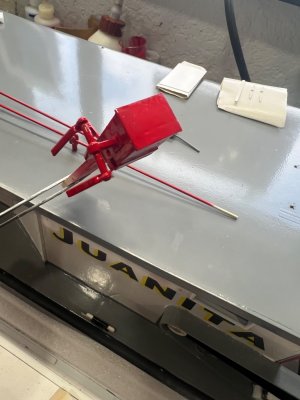
STERN TOWING MAST

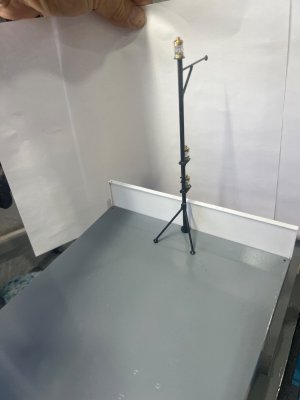
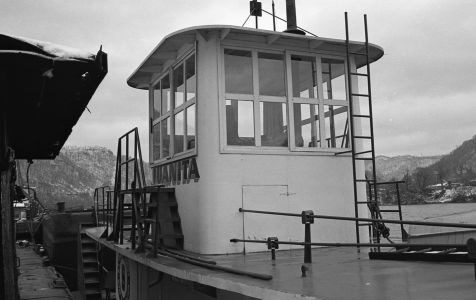
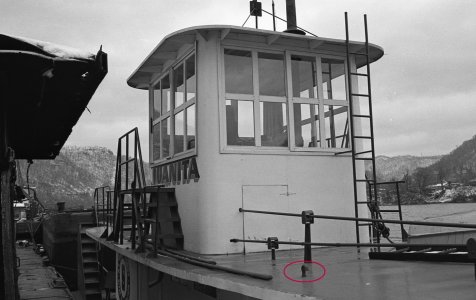
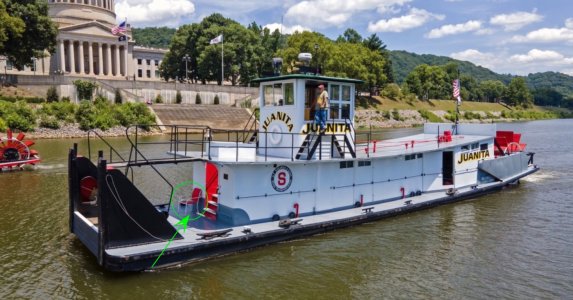
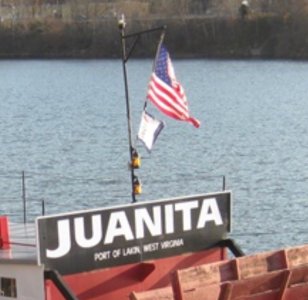
After extensive research and reviewing the information available online, I concluded that Juanita is fitted with a stern towing light mast.

White light on top → the stern light, configured as an all-round or stern-facing white light depending on operational requirements.

Two yellow (amber) lights arranged vertically → towing lights in accordance with the Inland Navigation Rules, indicating a vessel engaged in towing or pushing operations.

The mast’s sole purpose is to elevate and properly separate the navigation and towing lights so they remain clearly visible and compliant with regulatory requirements.

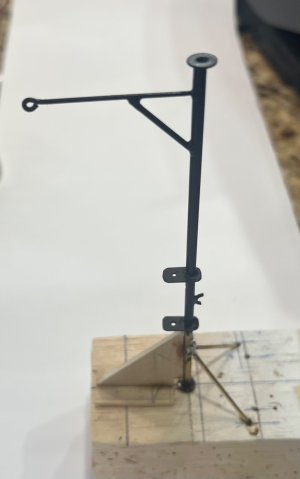
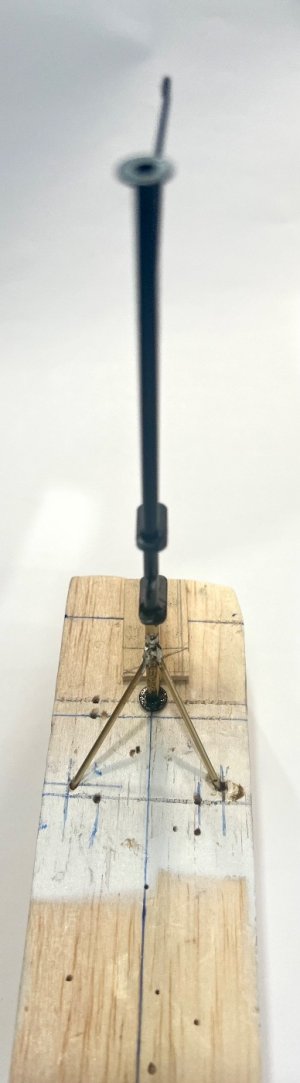
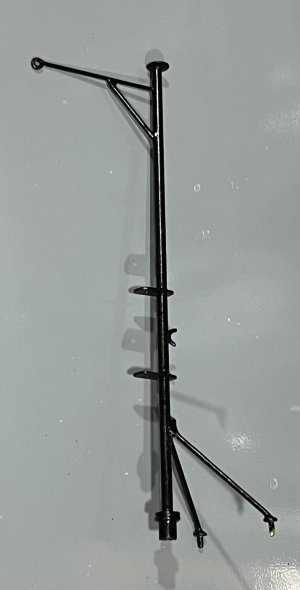
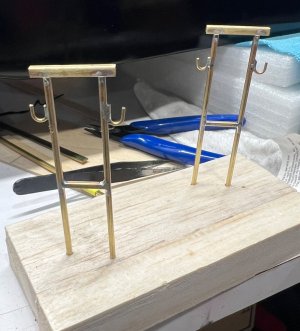
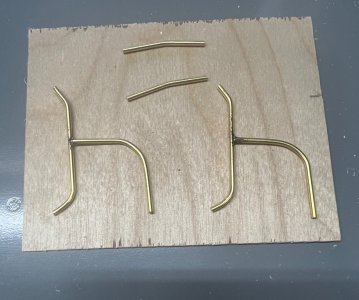
This is how I scratch-built the mast.
All that remains is to reduce to scale and hand-paint the Virginia State flag visible in the reference photo.
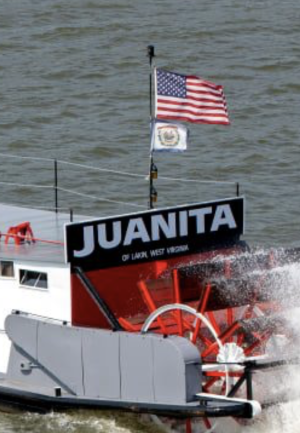
1.jpeg

1a.png


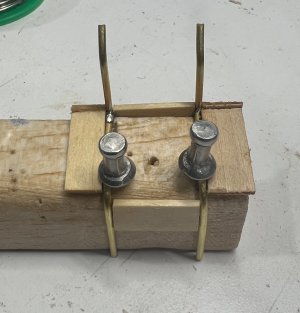
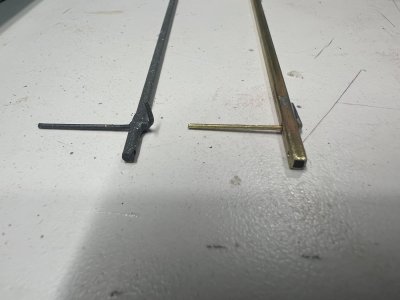
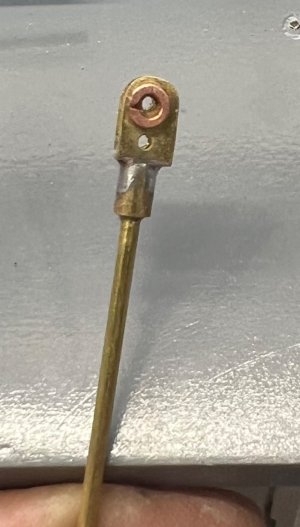
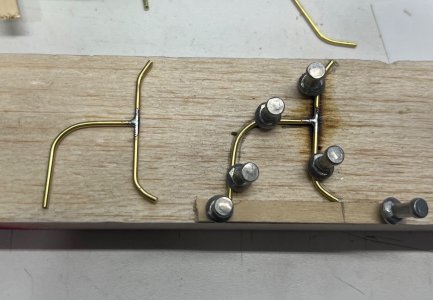
I first drew what I believed to be the correct dimensions directly on my jig and then used it as a guide for the soldering.
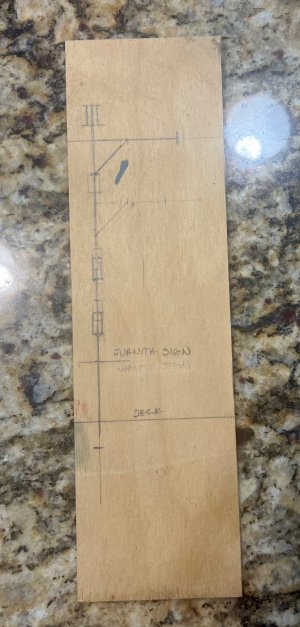
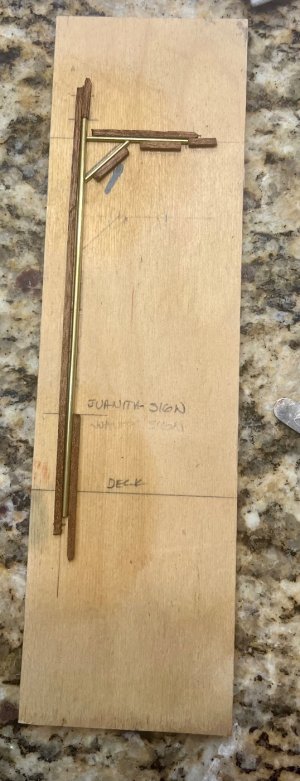
2.jpeg

3.jpeg


The bases for the lights were made from small brass plates.
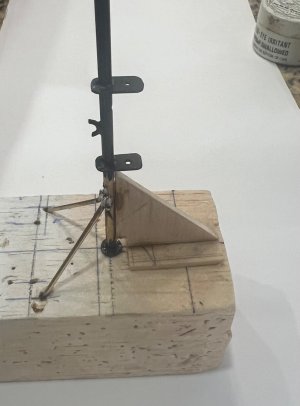
4.jpeg

5.jpeg

5.jpeg

6.jpeg

7.jpeg

8.jpeg

9.jpeg

10.jpeg

11.jpeg
 
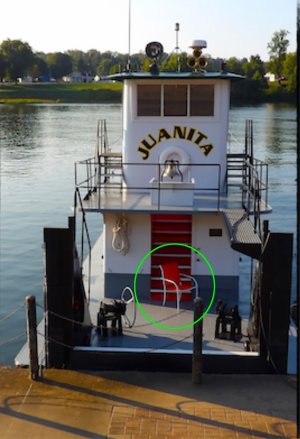
THE SMAL RED AND WHITE CHAIR
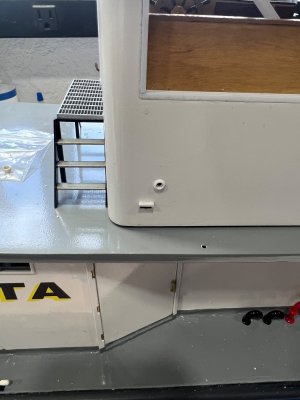
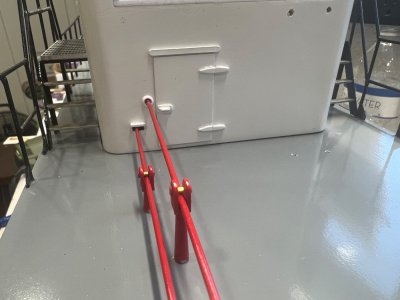
I’m almost finished completing all the loose deck and sundeck fittings.
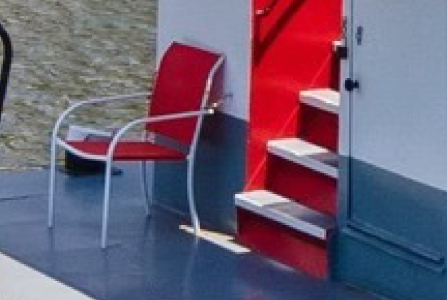
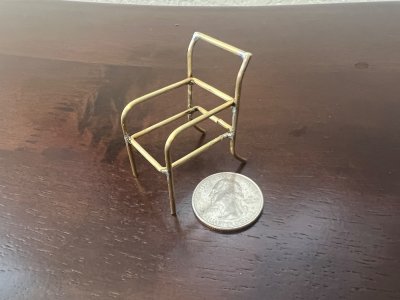
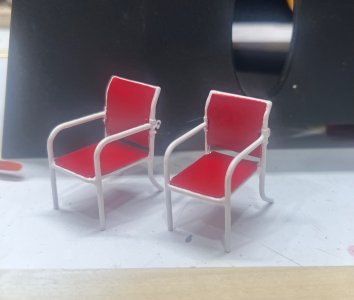
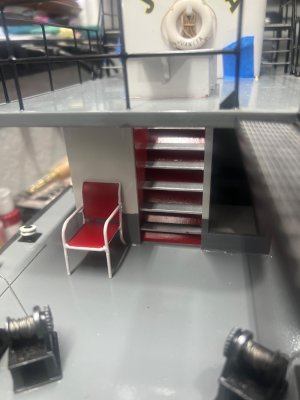
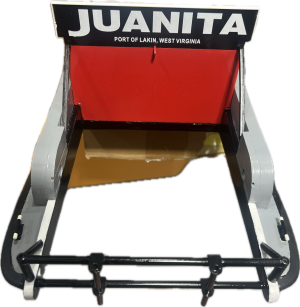
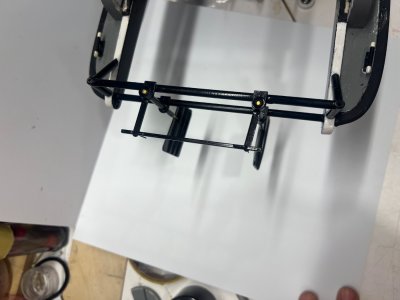
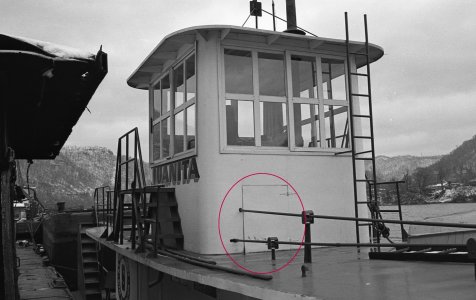
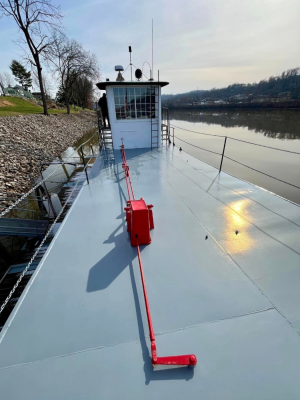
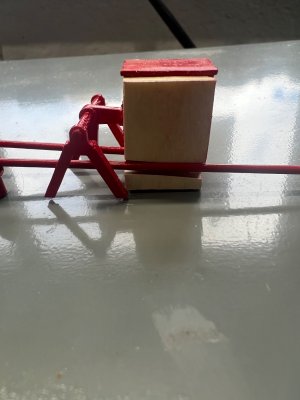
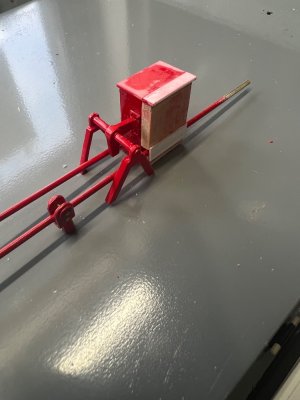
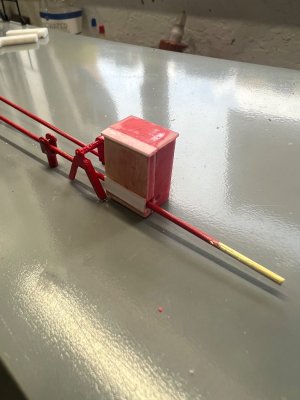
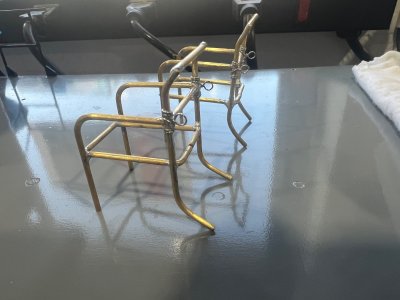
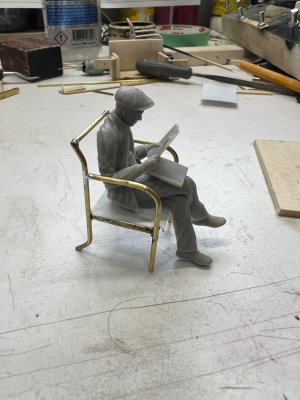
One small detail that caught my attention on the real Juanita was a little white and red chair positioned in front of the main structure.
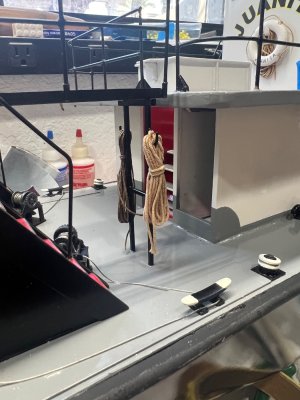
Naturally, I had to build one.
100.jpg

101.png


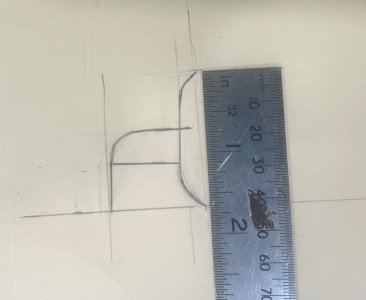
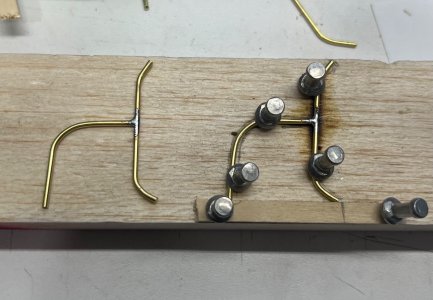
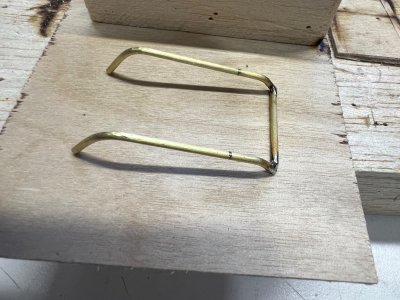
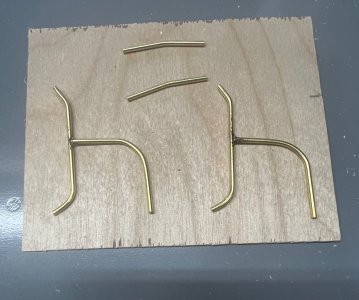
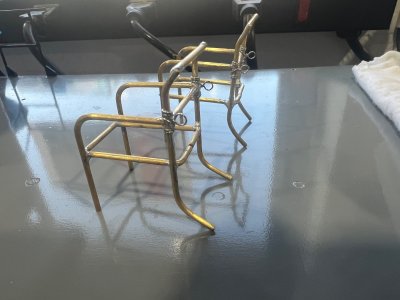
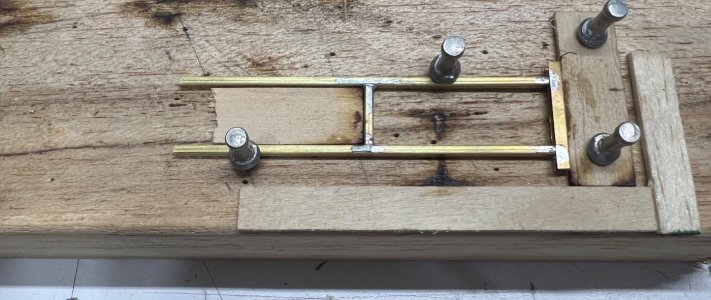
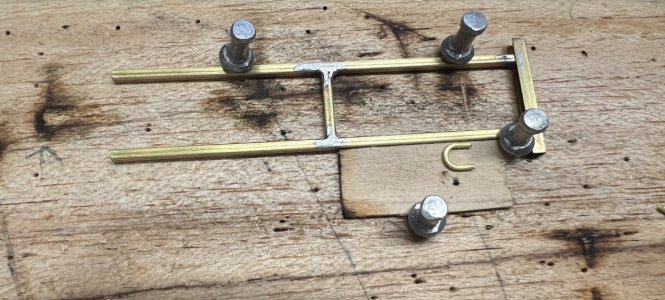
What I did not anticipate was that it would take an entire week—and several failed attempts consigned to the scrap bin—before I finally worked out the correct sequence for soldering such a tiny chair.

102.jpeg

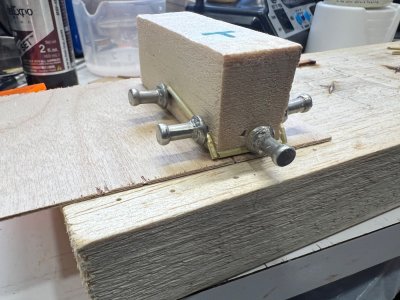
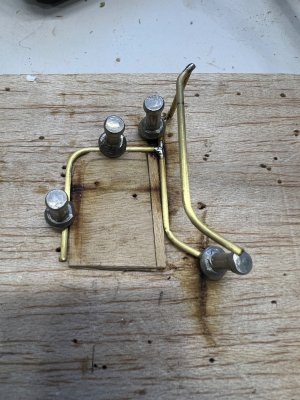
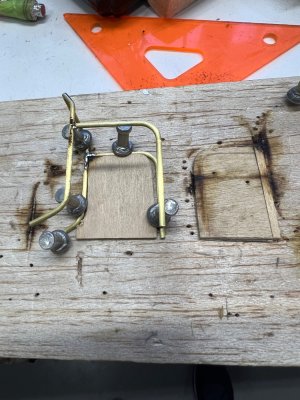
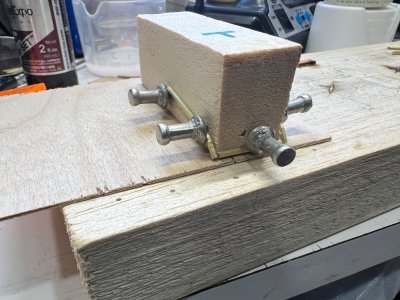
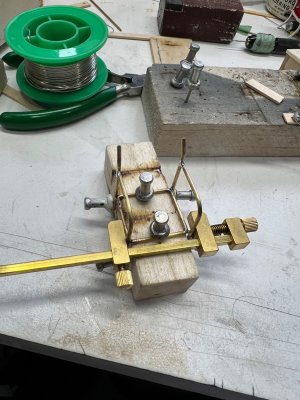
The process required the use of multiple custom balsa jigs to maintain alignment and consistency during soldering. At this scale, alignment, heat control, and the order of assembly are absolutely critical.

103.jpeg

The slightest excess of solder or even minimal movement during heating becomes immediately apparent.
104.jpeg

105.jpeg

106.jpeg

106a.jpeg

107.jpeg

108.jpeg

109.jpeg

110.jpeg

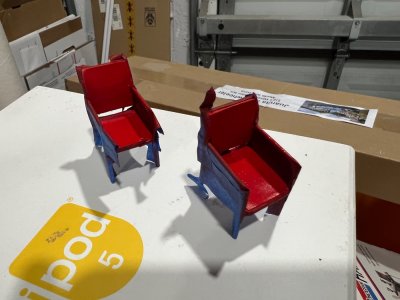
My first attempt at painting was done with a brush, but it left very noticeable brush marks that were unacceptable at this scale.
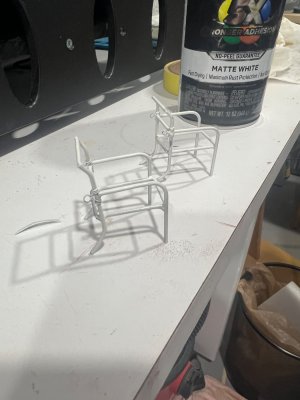
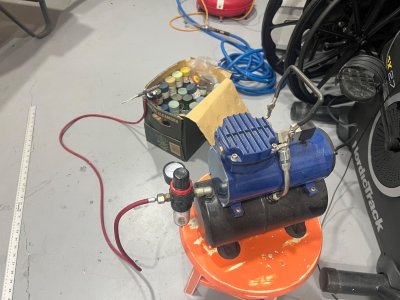
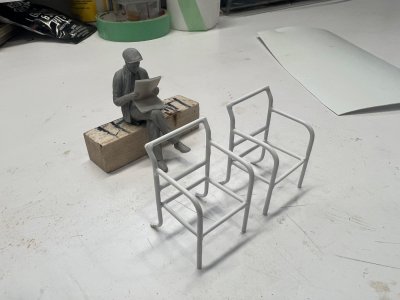
I ended up stripping the paint completely and refinishing the chairs using an airbrush.
111.jpeg


For the red detailing, careful masking was required—and yes, I had to use my jeweller’s glasses to see what I was doing. The final outcome, however, was well worth the extra effort.

112.jpeg

In many ways, it became a true shokunin experience — a lesson in patience, repetition, and craftsmanship, where improvement only comes through persistence and attention to the smallest details.
113.jpeg

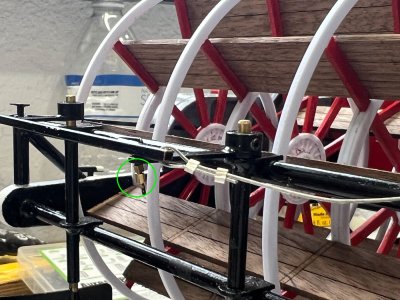
This is how it looks on the model.
114.jpeg

111a.jpeg
 
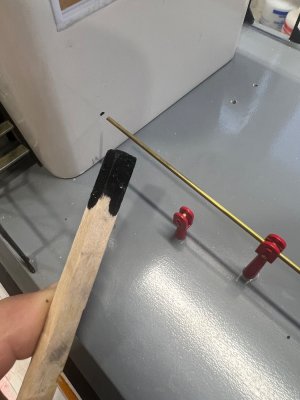
BACK SPALSH PAINT REPAIR

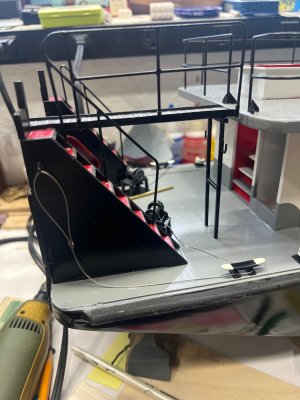
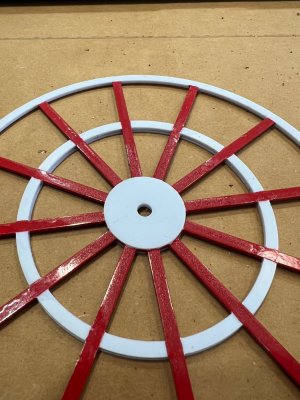
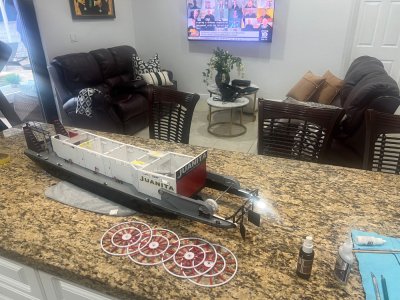
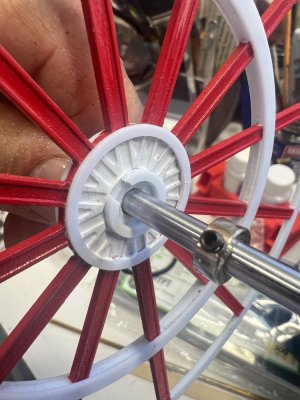
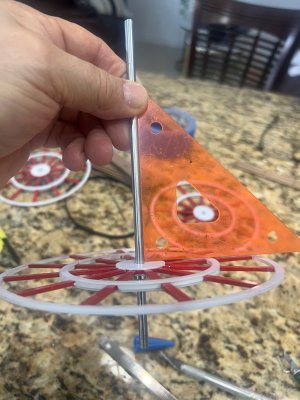
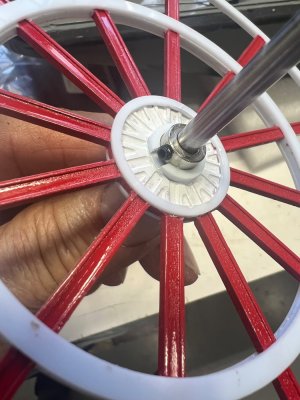
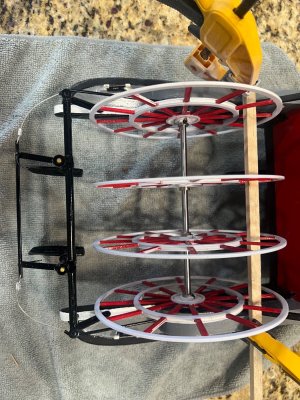
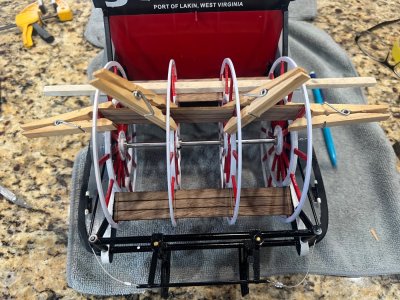
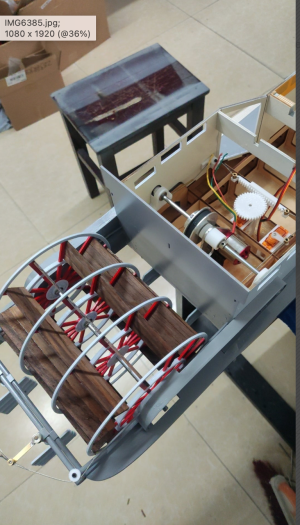
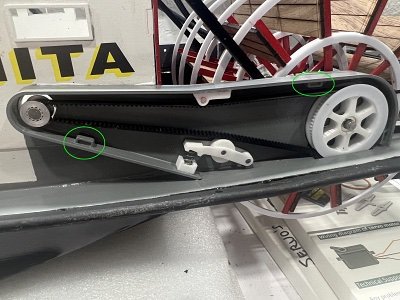
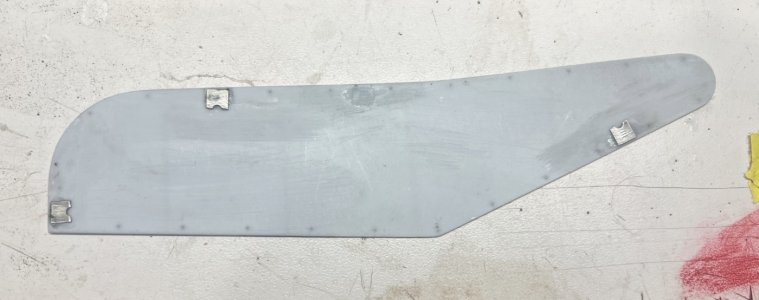
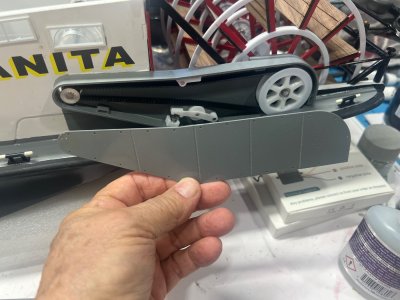
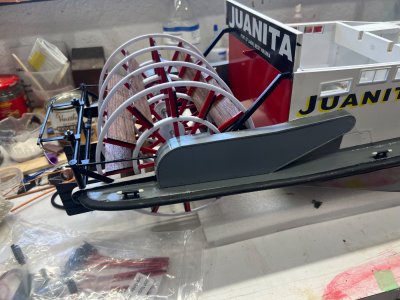
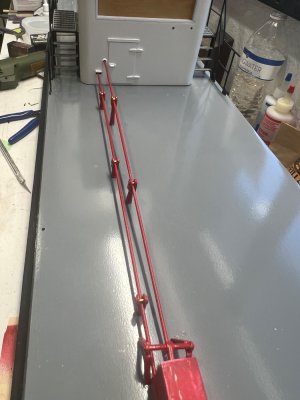
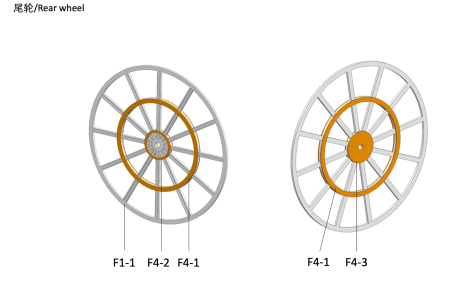
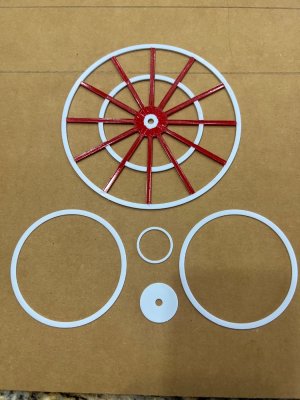
Since I’m done installing all the loose deck fittings, it was time to start assembling the paddle wheel. While test-fitting the parts, I noticed that the back splash board had a major flaw.
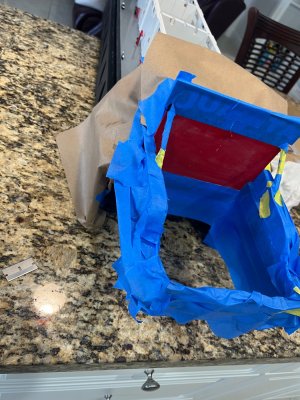
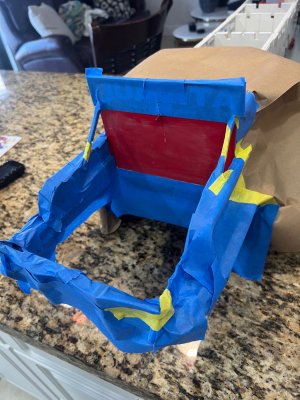
The red paint was badly damaged and full of tape marks. This happened because I didn’t allow enough drying time before applying masking tape to paint the other sections. Lesson learned the hard way.

To fix it, I had to strip the damaged area, remask everything, wet sand, and repaint.
800.jpeg
801.jpeg

All together I spent about four days reworking the back splash, but in the end the finish came out much better and smoother than before.
Sometimes going backwards is the only way to move forward in this hobby.

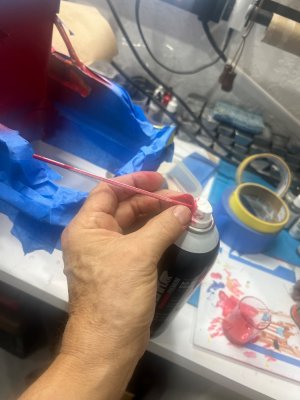
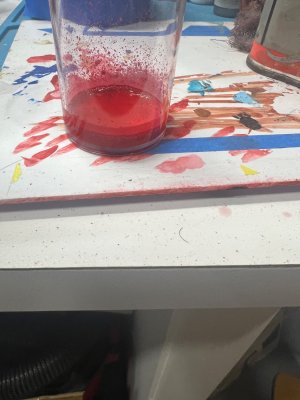
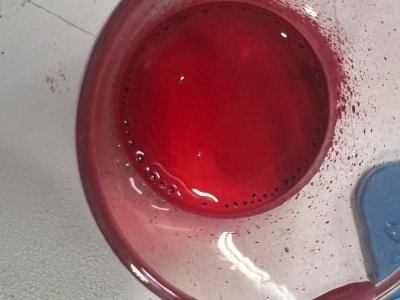
To repaint, this time Im using the DECANTING PROCESS.
How it’s usually done:

1. Insert a small straw into the spray nozzle
2. Spray into a glass jar or bottle.

802.jpeg
803.jpeg

3. The paint will come out mixed with propellant
Let it sit a few minutes until the bubbling stops.
804.jpeg

805.jpeg

Now the paint can be used in an airbrush.
806.jpeg

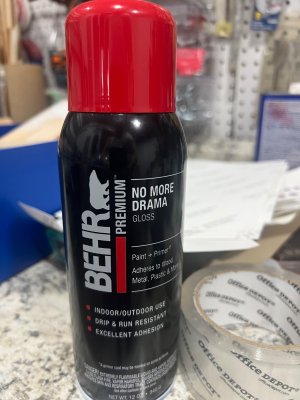
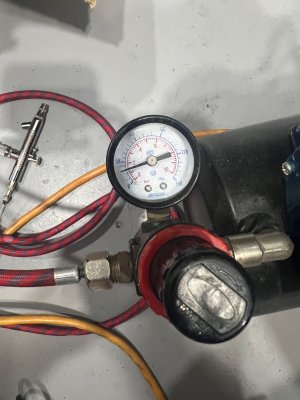
In my case, since I’m using Behr No-Drama paint, I decanted the spray can and diluted the propellant-free paint 50/50 with mineral spirits. Using my airbrush set at about 25 psi, I got excellent results. I applied a mist coat, followed by a medium coat, and then a final heavier coat.
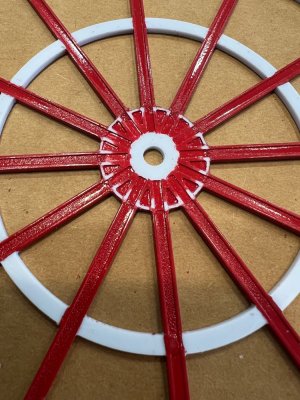
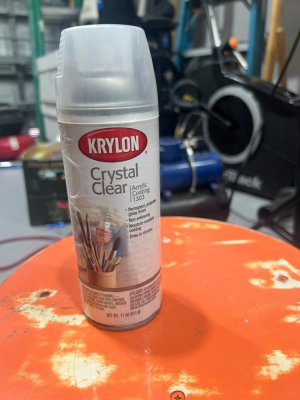
Now I will wait 48 hours before applying the Krylon Crystal Clear sealer.
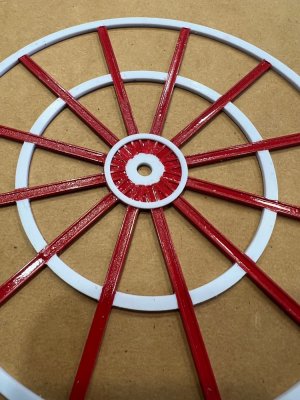
 
KRYLON CRYSTAL CLEAR

After allowing the paint to cure, I lightly sanded the surface and then applied the Krylon Crystal Clear. As before, I sprayed a mist coat, followed by a medium coat, and then a heavier coat, waiting about 30 minutes between coats.
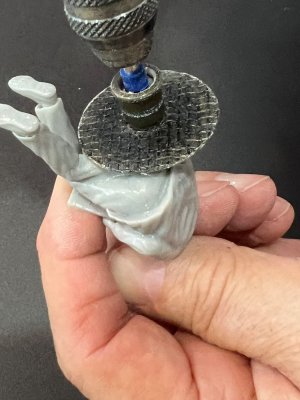
807.jpeg

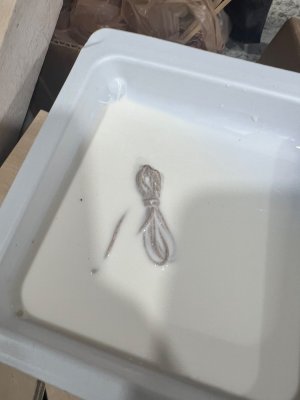
Guess what… it wrinkled.

798.jpeg

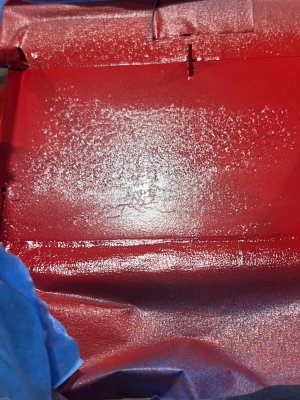
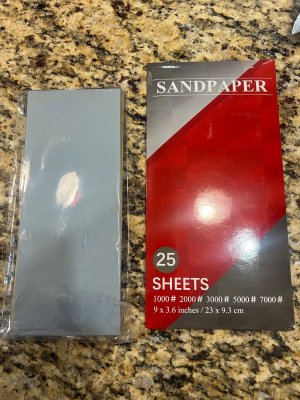
To repair the damage, I decided to try a different approach. I bought a couple of sets of very fine wet sandpaper from Amazon and started wet sanding the surface, beginning with 800 grit and gradually working my way down to 2000 grit until the wrinkles disappeared.
808.jpeg

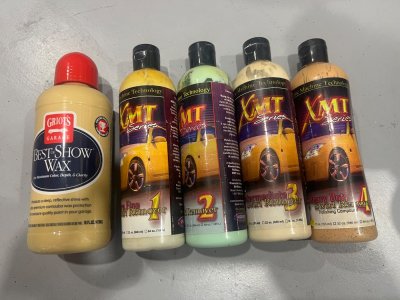
When the surface was smooth enough, I used a set of car polishes XMT Series, finishing the final shine with Best of Show giving the back splash a reflective shine.


809.jpeg


tempImageGjOM0n.png
 
Back
Top