Post 4 - Some Research
While not gaping at the natural beauty of Iceland and Greenland, I’ve been studying build logs of the Harriet Lane, including @The Gavel’s build documenting his impressive model of the Harriet Lane from the same kit. Besides outlining some of the problems with the kit, it has great discussions of her guns and boats, and the proper placement of the auxiliary ship’s wheel and capstan, based on William Webb’s published plans. I like to ask “why,” and I started wondering why the Model Shipways kit differs from the known plans of the Harriet Lane, particularly the placement of the ship’s wheel and deck furniture. So I started digging.
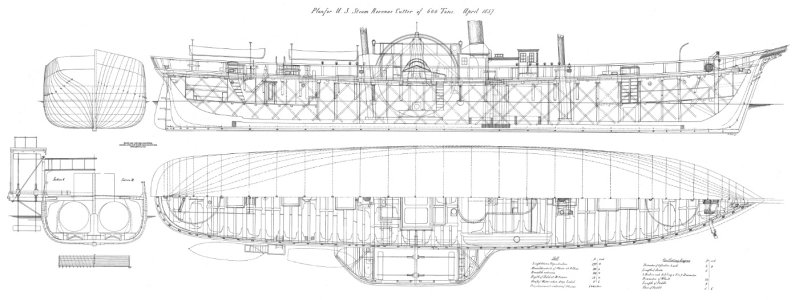
If you do a search for USRC Harriet Lane plans, you will likely come up with this:
View attachment 615418
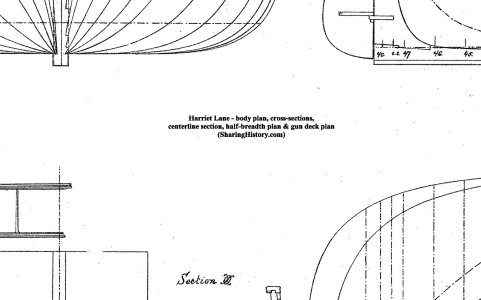
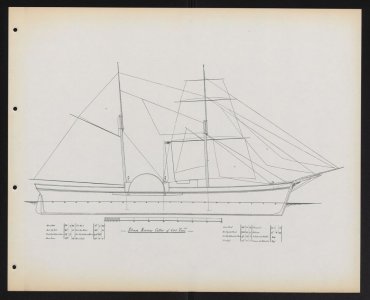
from the Internet Archive. This is from William Webb’s 1895 folio “Plans of Wooden Vessels Selected as Types.” However, I don’t think these are the plans of the Harriet Lane, for several reasons. First, all the other plans in the folio are labeled with the name of the vessel depicted. These are labeled “US Revenue Cutter of 600 Tons April 1857.” The only thing identifying them as the Harriet Lane was clearly added by the website that published them.
View attachment 615423
Second, the folio contains a plan labeled “Harriet Lane” different from these plans. Third, these plans are identical to the plans for the “America” in the same publication.
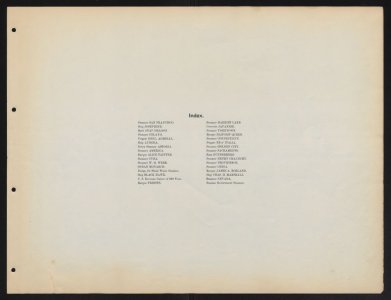
It’s good to try to get to primary sources. The East Carolina University has a digital copy of the original folio online. Here is the index:
View attachment 615424
You can see the US Revenue Cutter of 600 Tons plans are distinct from the Harriet Lane plans.
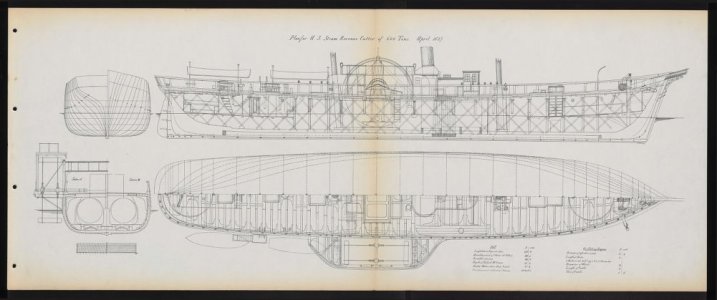
Here are the Revenue Cutter plans from the original folio. No inset about the Harriet Lane.
View attachment 615428
View attachment 615427
It’s easy enough to understand why SharingHistory.com mislabeled them - William Webb, Revenue Cutter, 1857 - must be the Harriet Lane!
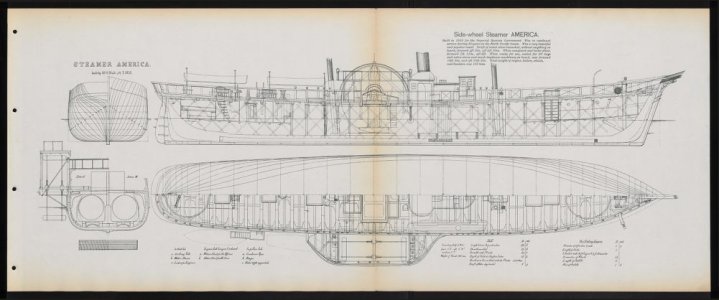
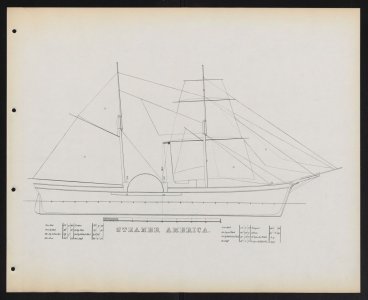
By comparison, here are the plans of the 1855 “America”
View attachment 615425
View attachment 615426
They are identical except for the name of the ship.
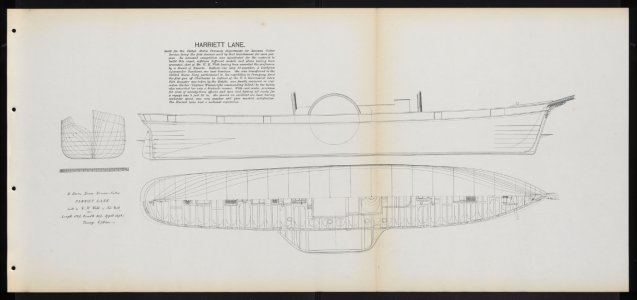
Here are the real plans of the Harriet Lane:
View attachment 615429
The wheel appears to be at the very stern, as in the Model Shipways kit. The arrangement of skylights and companionways also closely matches the kit, except for a round structure abaf the aft companionway. I don’t know if this is a round skylight or a capstan.
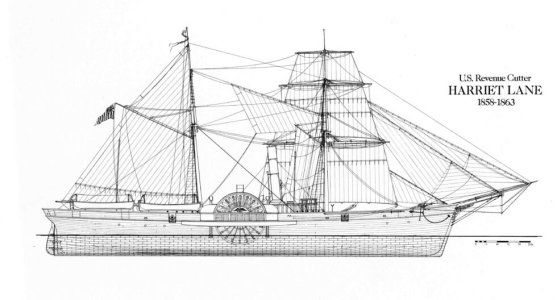
To that end I found an interesting thread about the Harriet Lane on the Fine Scale Modeler forum from 2007. It is about a plastic kit that was supposedly based on the old MS kit. One of the participants was John Tilley, who was commissioned by the US Coast Guard Historian’s Office to make this drawing of the Harriet Lane.
View attachment 615434
He says he based it on plans commissioned by the Simthonian Institute and drawn by Merritt Edson in the 1960s. The MS kit may be based on the same plans. Tilley thought the Harriet Lane probably didn’t have a capstan:
“I don’t think she had a capstan. The windlass in the bow would have taken over the capstan’s functions. There would be nothing unusual about a ship having both a capstan and a windlass - but this vessel’s rigging was simple enough that I doubt the capstan would have been necessary.”
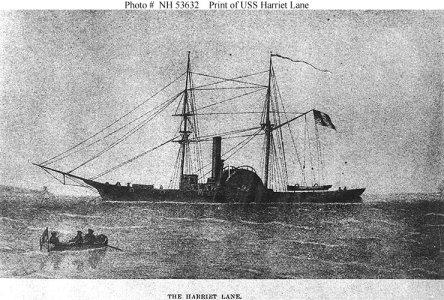
He also commented that documentation of the Harriet Lane is sparse - whether her name was on the stern (probably) her color (probably black but maybe dark green) and the number of boats (most likely 4 when she was a Navy vessel, could have been 2 or 4 when in the Revenue Service). The thread is a very interesting read.
Harriet Lane Discussion
Webb’s plan for the Harriet Lane is much less detailed than many of the other plans in the folio, unfortunately for us modelers. No indication of the boats or guns. There do appear to be 2 pin rails abaft the paddle wheels. And no sail plan.
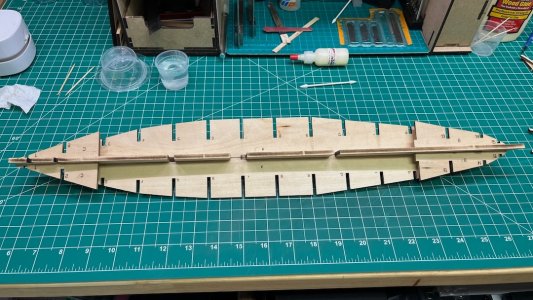
My plan is to model the Harriet Lane as she was when launched as a Revenue Cutter. All of this makes me feel comfortable leaving the wheel, skylights and companionways where they are on the kit. I will likely interpret the round structure forward of the wheel as a skylight - it seems too close to the companionway to be a capstan. I’m still not certain about the boats. The majority of the 19th century illustrations show her with 4 (but also depict her Civil War Navy service) but at least one shows her with 2.
View attachment 615435
This was a fun rabbit hole to go down. In the end, we can interpret our Harriet Lanes however we like, but at least now I think I understand why David Antscherl made the choices he did for the Model Shipways kit.
If anyone has any thoughts on the round structure aft of the companionway on the true Harriet Lane plan, I’d appreciate it.







On the other hand, I'll have to stop what I'm doing every 30 mins to turn the album over