• Win a Free Custom Engraved Brass Coin!!!
    As a way to introduce our brass coins to the community, we will raffle off a free coin during the month of August. Follow link ABOVE for instructions for entering.
  • SUBSCRIBE TO SHIPS IN SCALE TODAY!

    The beloved Ships in Scale Magazine is back and charting a new course for 2026!
    Discover new skills, new techniques, and new inspirations in every issue.

    NOTE THAT OUR NEXT ISSUE WILL BE MARCH/APRIL 2026

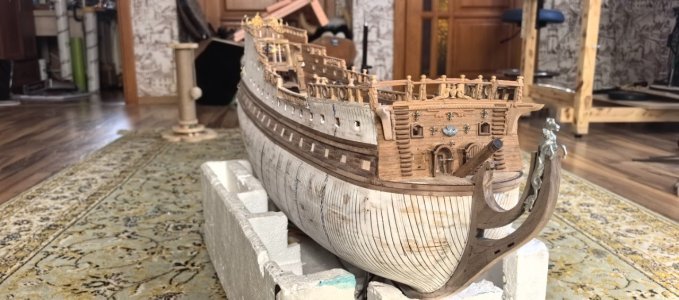
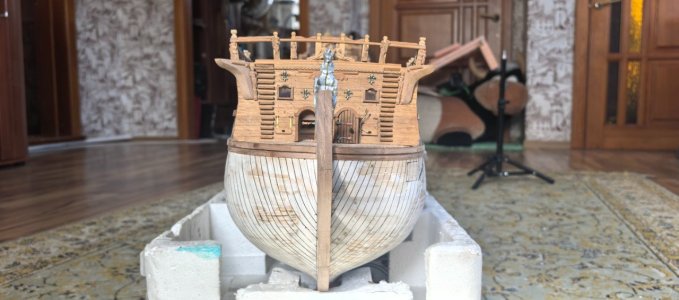
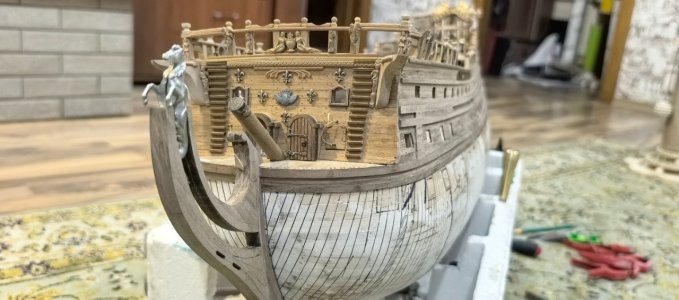
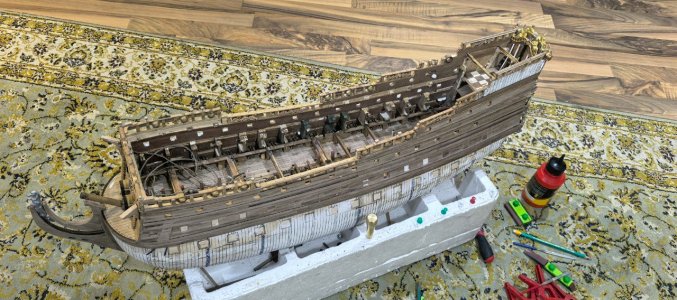
Солей Рояль - Soleil Royal

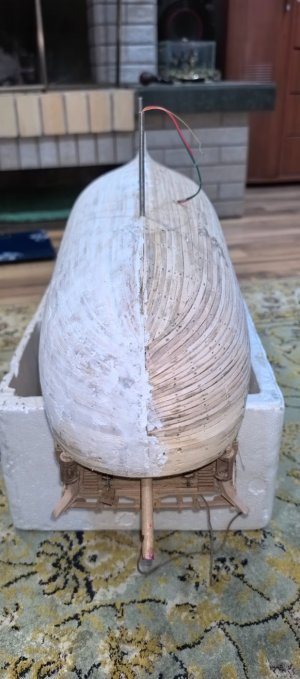
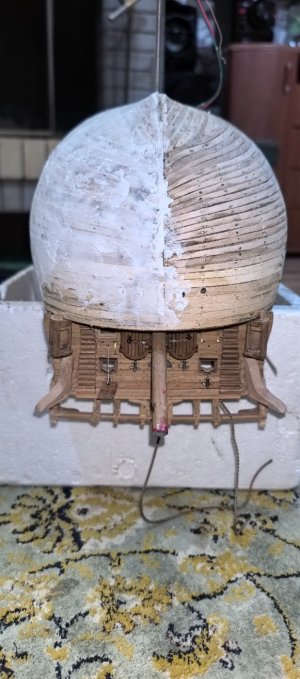
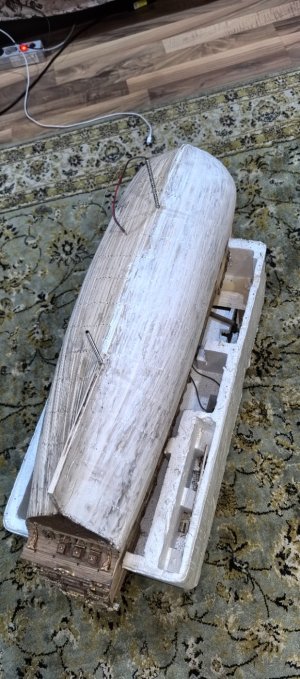
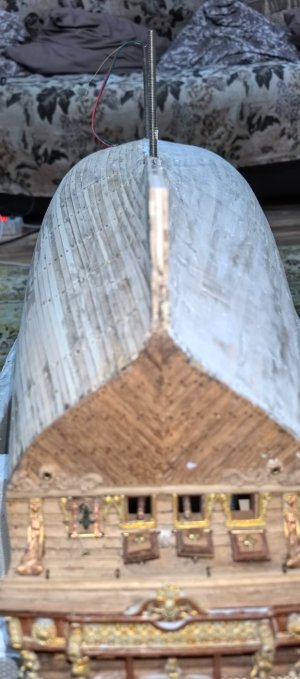
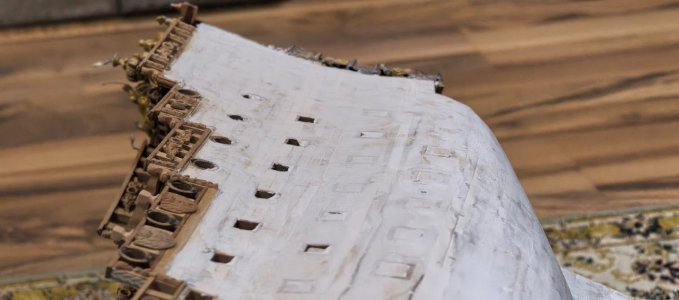
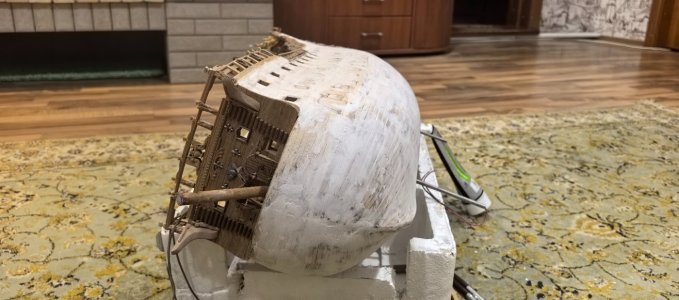
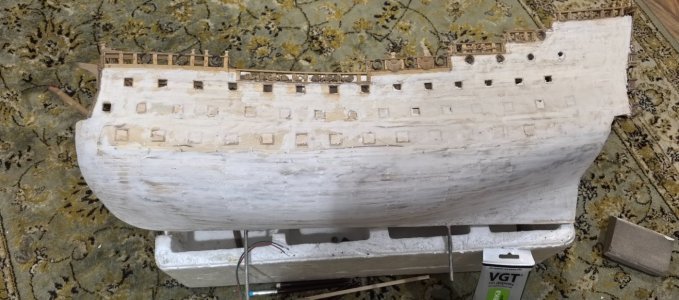
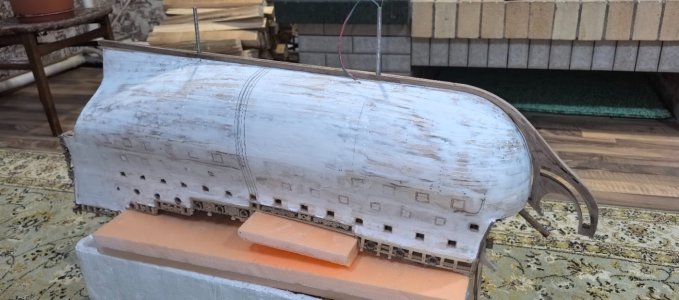
Sanding the wooden hull of a ship model is an important step that ensures the smoothness of the surface and prepares it for further finishing.
Tools and materials have been prepared.
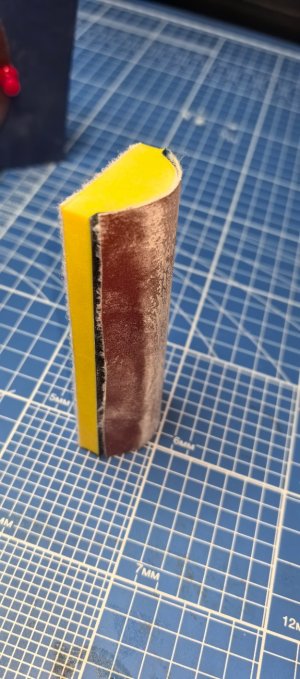
I picked up sandpaper of different grain sizes (from coarse to fine).
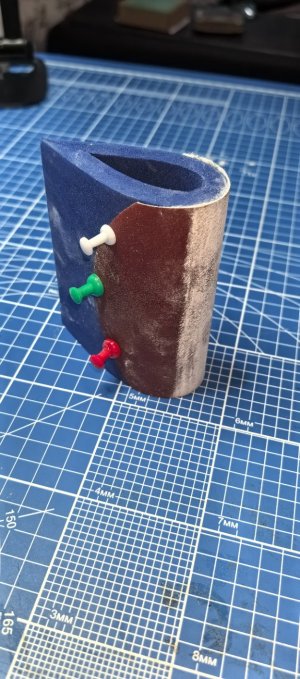
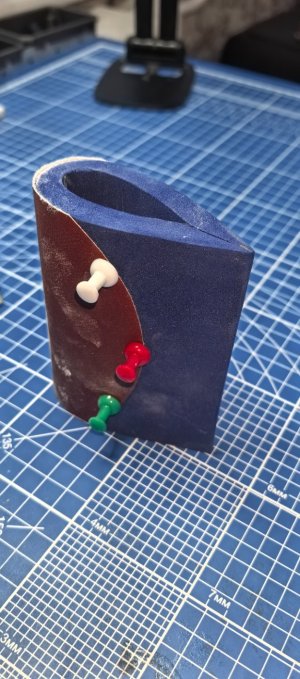
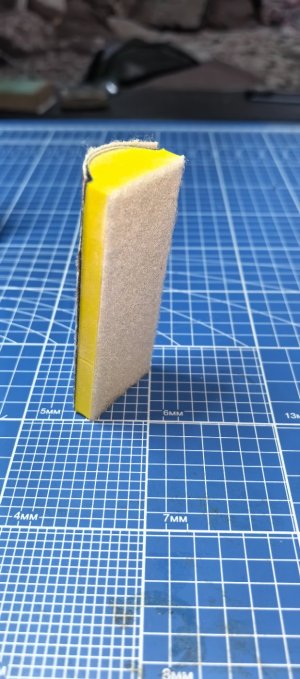
I have prepared the grinding machines and will use the manual method using wooden bars.
I have prepared protective glasses and a mask to avoid dust getting into my eyes and respiratory tract.
I started sanding with coarse-grained sandpaper.
I removed all the irregularities, burrs and rough defects on the surface of the case.
I worked in one direction to avoid unnecessary scratches.
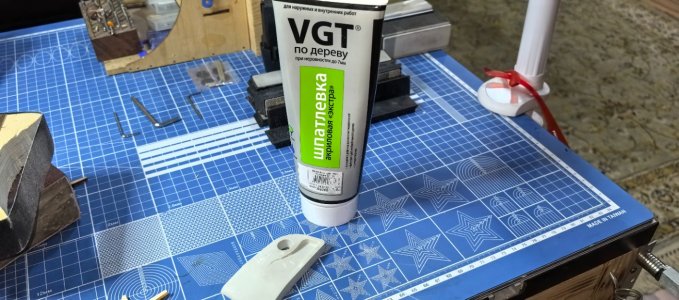
I picked up an acrylic putty suitable for use on wood. It has good adhesion to wood, is easy to grind and provides a durable coating.
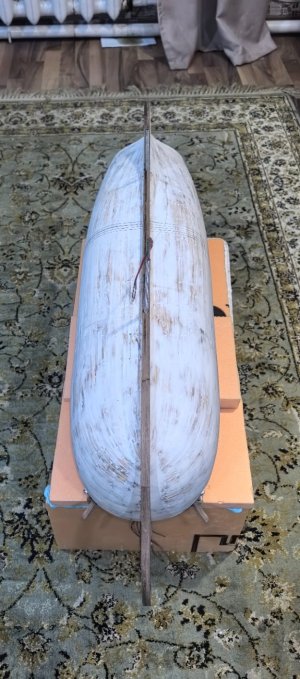
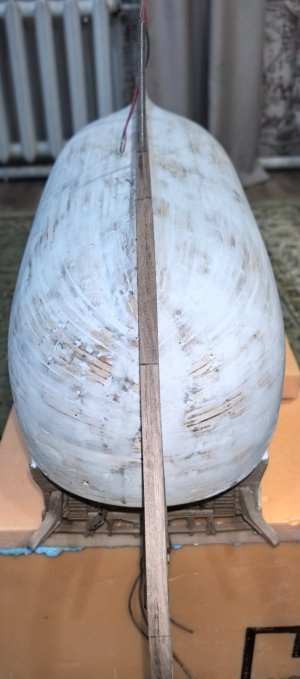
IMG_20251208_001503.jpgIMG_20251208_001511.jpgIMG_20251208_001535.jpgIMG_20251208_001603.jpg
 
Сегодня я продолжаю работу над моделью корабля Soley Royal и перехожу к полировке корпуса. Шлифовка позволяет сгладить поверхность, удалить неровности и подготовить её к финишной обработке.

IMG_20251218_010412_copy_1280x566.jpgIMG_20251218_010514.jpgIMG_20251218_010330.jpg
 
Поднимите руки!
Пусть Новый год принесет вам спокойствие, пусть придет счастье, как попутный ветер! Желаю вам удачи во всех морских начинаниях, ведь море успеха достойно каждого моряка!
Пусть компас вашей жизни укажет вам правильный путь, и каждый новый день принесет удачу и утешение. Пусть паруса надежды гордо развеваются над волнами, и счастье принесет вам, как волны, вашим родным берегам!
С Новым годом, мои друзья-морские волки!
IMG_20251227_174310.jpg


Я поделюсь своим опытом: это моя первая модель корабля Soleil Royal от Diagostini! И я продолжаю.
Полировка корпуса после шпаклевки — следующий этап создания модели корабля, влияющий на конечный внешний вид изделия. Вот несколько моментов, основанных на общих принципах моделирования кораблей.
Я использовал акриловую шпаклевку VGT типа «Extra» для дерева.
IMG_20251207_193753.jpg
Отлично подходит для устранения мелких дефектов и обработки поверхностей деревянных моделей.
Легко выдвигается по поверхности кистой или шпателем. Быстро сохнет, что ускоряет процесс подготовки модели к дальнейшей обработке.
Высокая адгезия: хорошо держится даже на сложных поверхностях.
Перед нанесением я очистил поверхность. Для лучшей адгезии слегка отшлифовал поверхность крупнозернистой наждачной бумагой. Я сделал это просто — намазал весь корпус.
Использовал небольшие порции шпатлевки, выровняв ее верхний слой из-за дефектного участка резиновым шпателем. Избегал толстых слоев, так как это может привести к растрескиванию и отслаиванию материала. Акриловые шпатлевки имеют небольшое изменение на небольшой усадке при высыхании, поэтому
после высыхания первого слоя я проверял поверхность на наличие неровностей. При необходимости повторите процедуру введения для достижения желаемого результата. Как только шпатлевка высохла, я приступил к финишной шлифовке, начиная со среднезернистой наждачной бумаги и постепенно переходя к более мелкой.
IMG_20260111_015800.jpg
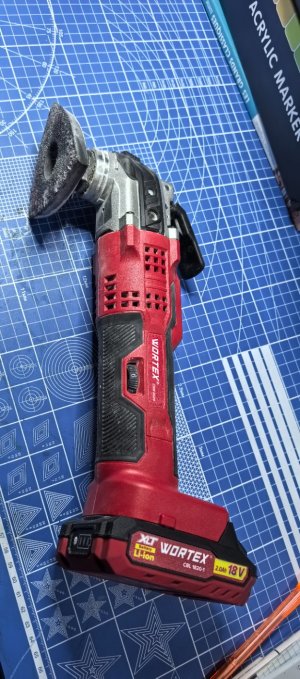
Сначала я использовал электроинструмент «Реноватор», который имеет электродвигатель с поворотным приводом, преобразующим вращательные движения в поворотные. Вибрации передаются на сопло с помощью шпинделя. Сопло в «Реноваторе» не вращается, как в шлифовальной машине, а движется вперед и назад. Частота изменения шпинделя составляет от 8500 до 35000 в минуту и влияет на скорость и качество обработки материала. Чем выше изменение изменения, тем производительнее и точнее работает инструмент. Этот инструмент значительно ускоряет процесс и помогает добиться гладкой и ровной поверхности. Однако важно соблюдать осторожность, чтобы не повредить тонкие и выступающие части конструкции, такие как обшивочные доски в носовой части корпуса.
Удобная форма инструмента позволяет добраться до узких мест и углов.
Высокая скорость подключения и вибрация позволяют быстрее обрабатывать большие площади. Я шлифовал поверхность станком, удаляя шпаклевку до тех пор, пока не отделились черные доски. В результате шпатлевка осталась во всех щелях, придав корпусу не только гладкую, ровную поверхность, но и прочность. Он выглядит как яичная скорлупа, такая же гладкая и монолитная. Я не применяю чрезмерную силу, иначе рискует остаться следы от наждачной бумаги. Лучше всего двигаться медленно и осторожно, запуская инструмент, чтобы сделать свою работу самостоятельно. Необходимо использовать руки для контроля, чтобы выявить неровности, различия и добиться гладкости, особенно на изогнутых поверхностях, где визуального контроля недостаточно. Пальцы обнаруживают микронеровность и капли лучше, чем глаза, особенно на изогнутых сторонах. Вы поймете, где нужно полировать больше, а где остановиться. Проведение рук одновременно по правому и левому корпусу создает ощущение изменения контуров. На этом этапе я не спешил, качественная шлифовка дает недорогой и красивый результат. Периодически удаляйте накопившуюся пыль и опилки щеткой или влажной тряпкой, чтобы поддерживать эффективность инструмента, а также перед проверкой.
IMG_20260109_164140.jpgIMG_20260109_164148.jpgIMG_20260109_164157.jpgIMG_20260109_164205.jpg
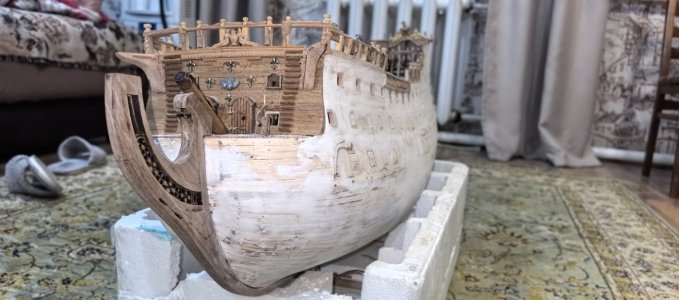
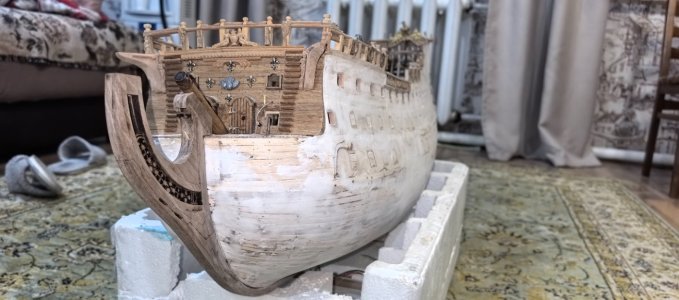
Some areas, such as the stern planks, the concave parts of the hull require a delicate approach. Grinding the concave parts of the ship's hull is one of the most time-consuming tasks, as it requires special attention and precision. Improper technique can lead to shape damage and symmetry disruption. It is better to use manual machining or a special mini-nozzle and grind “away from yourself” and “towards yourself” following the curvature of the body, rather than against it. I stop periodically to see the result in good light.
Sanding the wooden hull of a ship model is not just cleaning the surface, but the final stage in shaping the hull geometry.
To achieve a good result, you need to be very patient.
IMG_20260109_165056.jpgScreenshot_20260110_153502_com.huawei.himovie.overseas.jpg
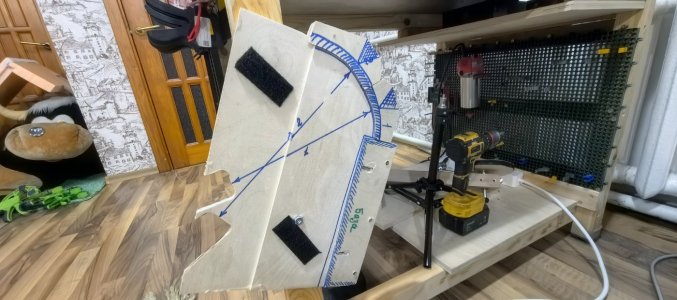
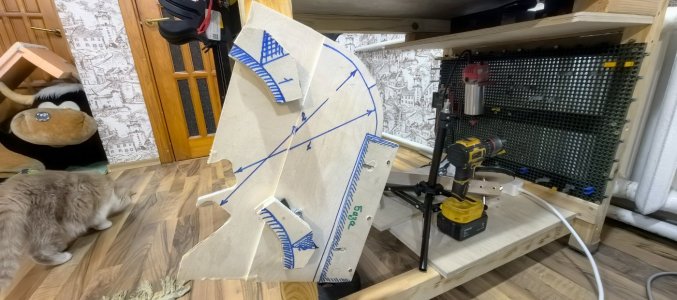
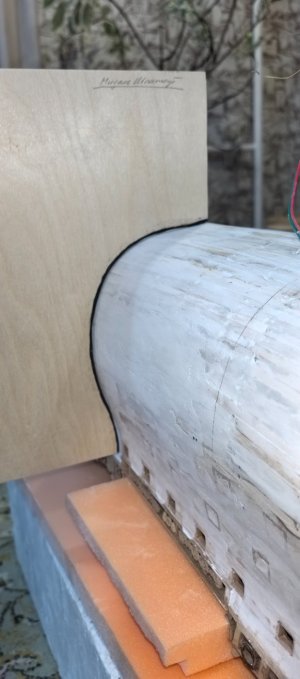
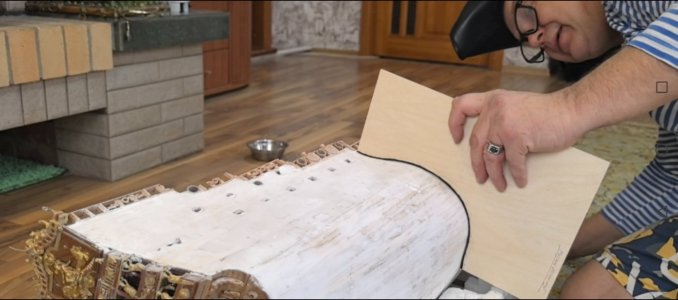
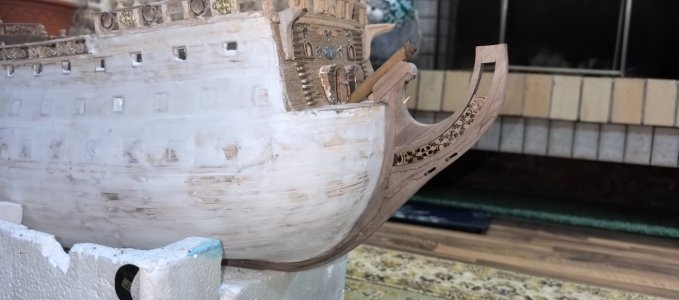
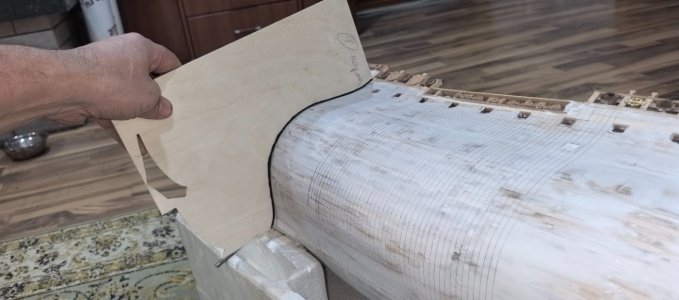
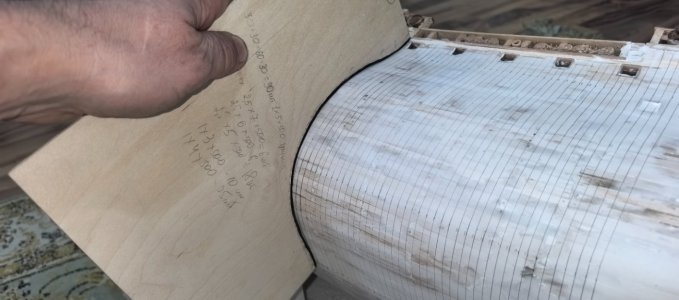
And at the final stage, he checked the hull of the ship model for symmetry using the control profiles of the frames — an important procedure to make sure that the geometry of the ship is correct. Identified the key points on the hull corresponding to the positions of the frames according to the drawings. These points will serve as reference points for setting control profiles. And so I installed the frame template on one side of the case, using pre-marked points. I checked the matching shapes and sizes. Then I moved the profile to the opposite side and compared the values obtained. If there were deviations, I made minor adjustments by additional polishing. Thus, the use of control profiles of the frames makes it possible to identify possible problems in a timely manner and make the necessary changes, ensuring high quality of the finished product of the ship model hull.
IMG_20260110_224205.jpgIMG_20260110_224220.jpg

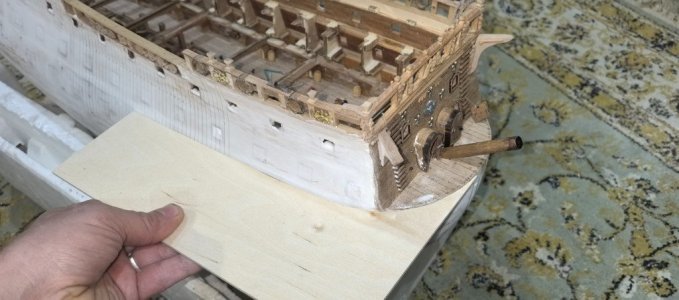
Ahead looms the work with the keel, stem and stern. IMG_20260110_224242.jpg
 
Рад снова видеть вас за рабочим столом. Когда эта модель будет закончена, она станет прекрасным примером множества стилей строительства, которые используют участники. Она будет выглядеть великолепно!
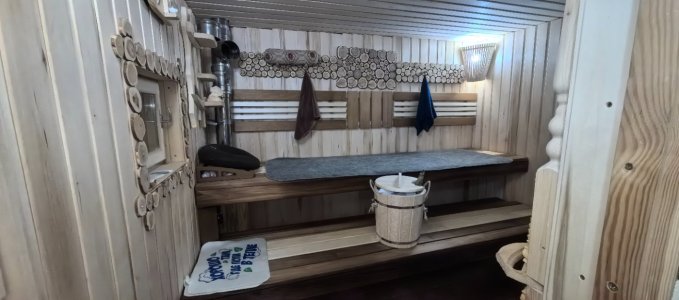
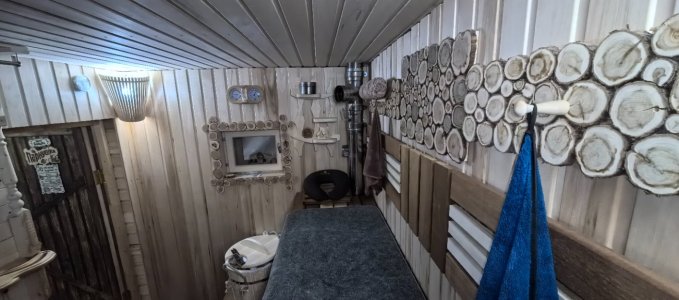
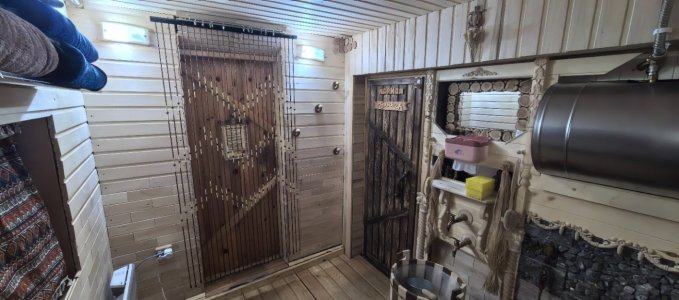
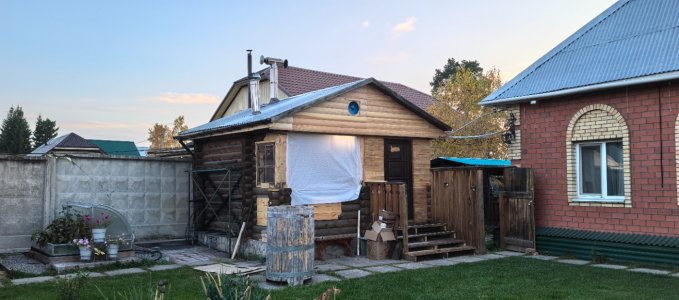
Спасибо за ваши добрые слова! Я вложил в этот проект всю душу и силы, стараюсь сделать все как можно лучше. Для меня это большая честь, и это подталкивает меня к тому, чтобы следующие этапы были такими же качественными, как и предыдущие. Это очень сложная и кропотливая работа, требующая много времени и усилий. Кажется, я работаю очень медленно, и я один! Мне даже пришлось остановиться на два года. Я восстанавливал сауну после пожара (и снова один).IMG_20250915_233956.jpgIMG_20250915_234145.jpgIMG_20250915_205810.jpgIMG_20250911_190006.jpg
IMG_20250924_185556.jpg

Я недавно вернулась в мастерскую. Так что надеюсь, работа над проектом возобновится! В любом случае, спасибо вам за ваши слова, они очень много для меня значат. Я очень надеюсь, что вам понравятся следующие этапы!!
Я попробовал закрепить его на киле, временно прикрепив зубочистками.

IMG_20260112_235434.jpgIMG_20260112_235503.jpg
 
Last edited:
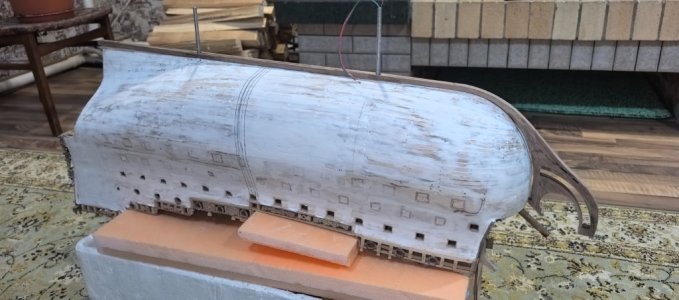
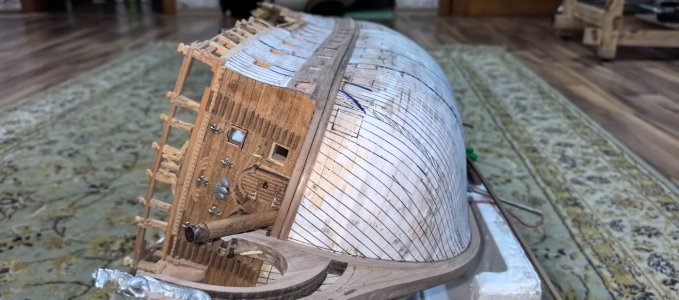
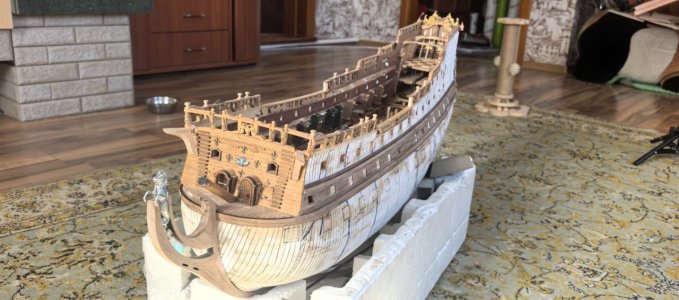
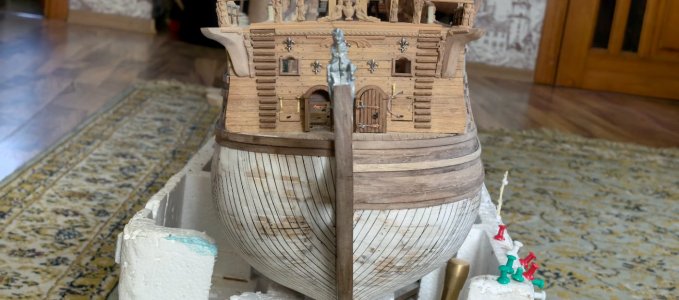
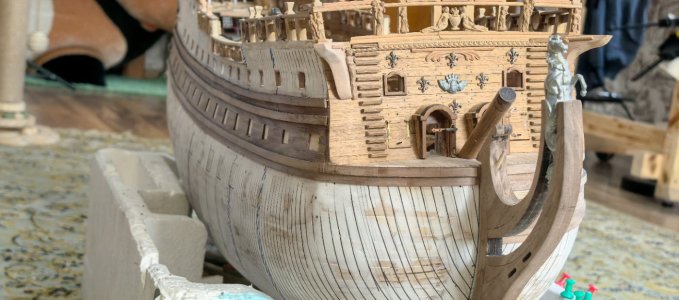
I have completed the process of polishing the hull of the ship model, the contours of the hull are acceptable.IMG_20260112_235503.jpg
Achieving the symmetry of the hull of a ship model is a task that requires precision and care. Before starting work, I carefully studied the drawings, which are not there!!! and here are the templates from my project that I made. That's the only way I'm convinced. that both sides of the case mirror each other.
IMG_20260131_225721.jpgIMG_20260131_225740.jpg
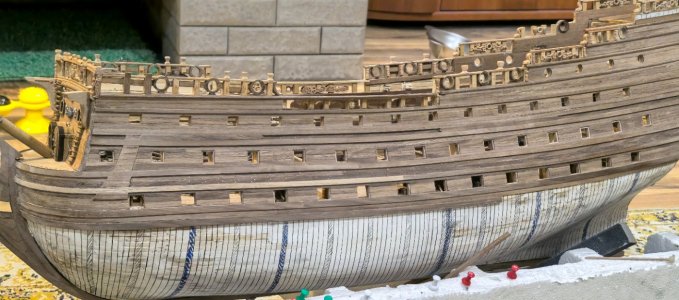
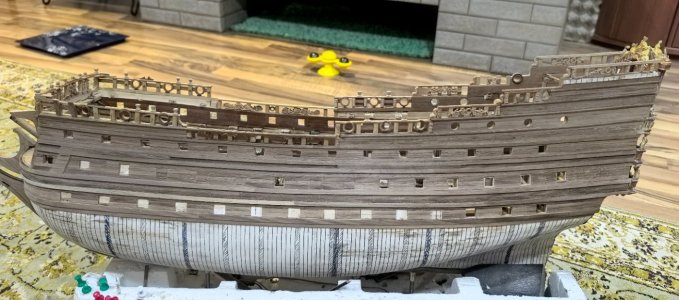
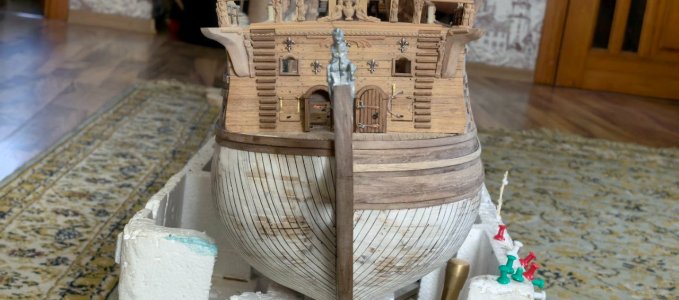
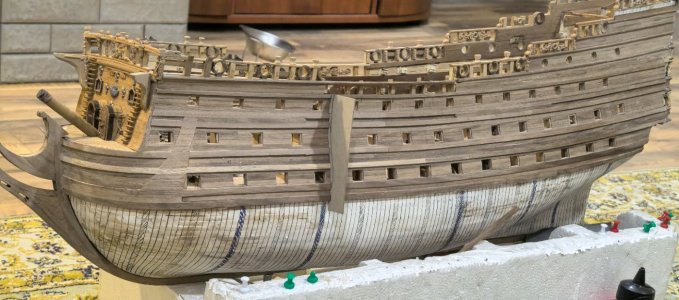
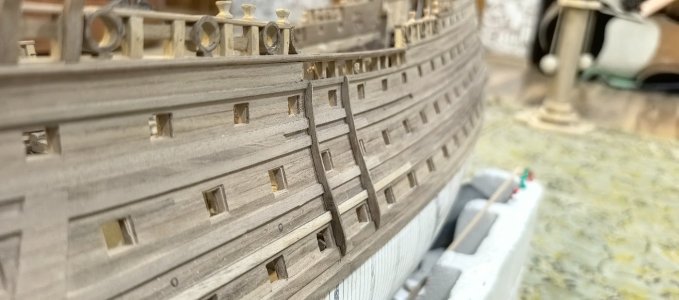
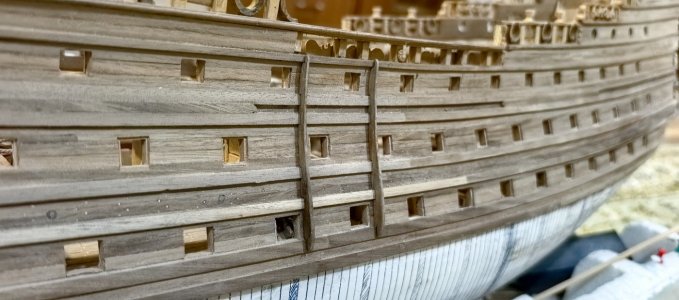
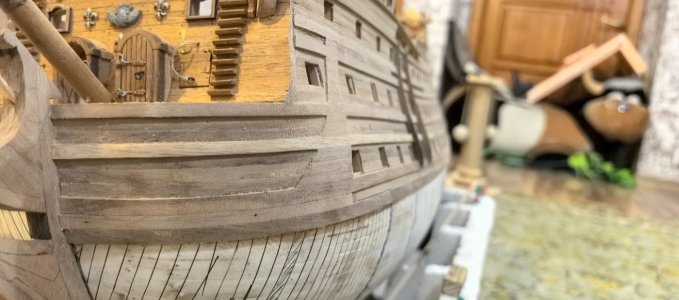
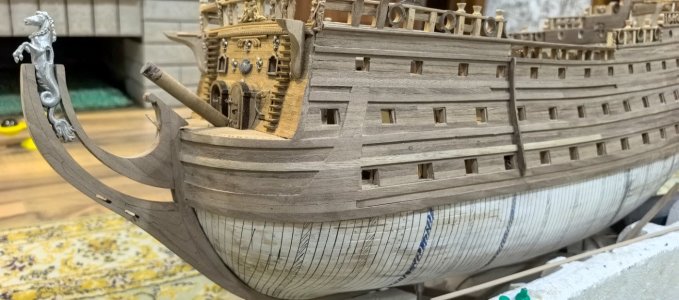
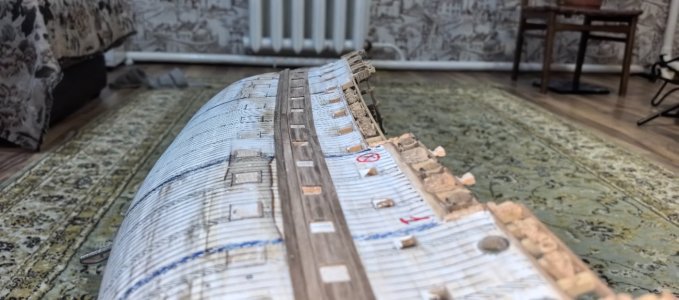
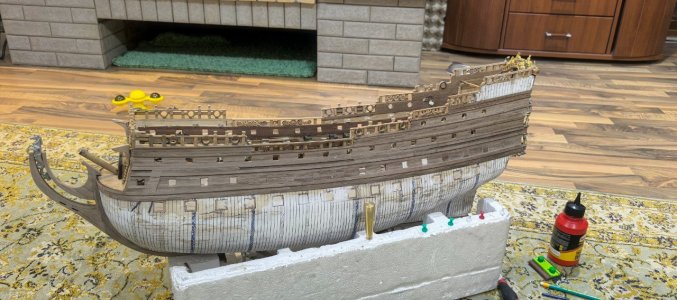
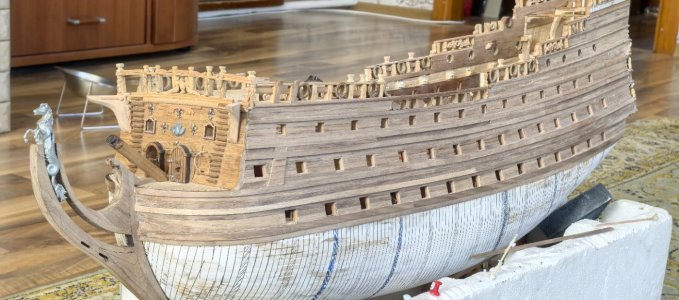
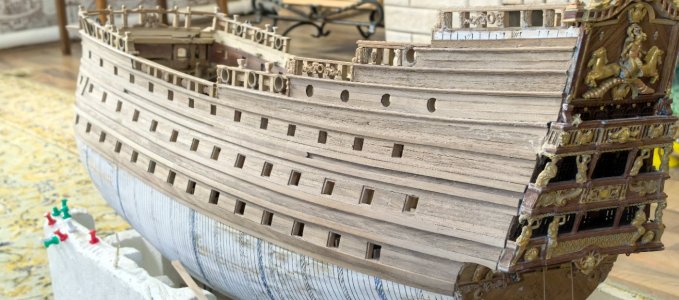
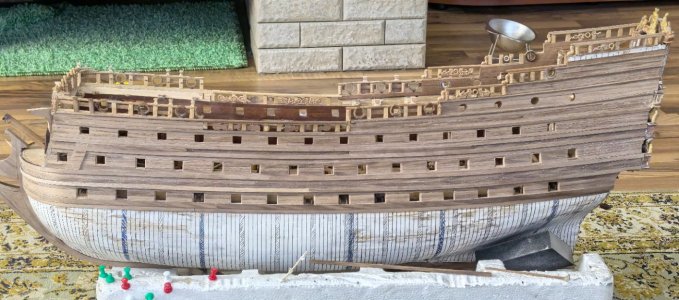
I have moved on to cladding the hull with a finishing coat, it is important to decide exactly how to do this.
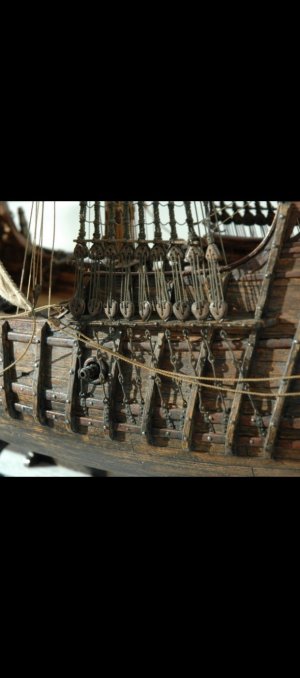
Or first perform a finishing coat and glue the barhout strips on top of it, the instruction from Diagostini #55 obliges, or use slats of increased thickness for the bars, which will be installed directly on the rough skin.
If you take the first option. At the same time, problems arise: the barhout can cross the lines of the finishing slats, which is not very aesthetically pleasing.
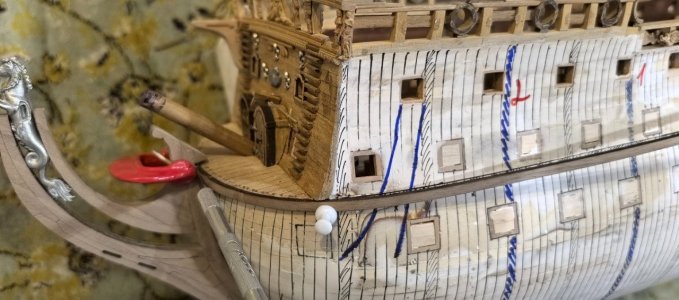
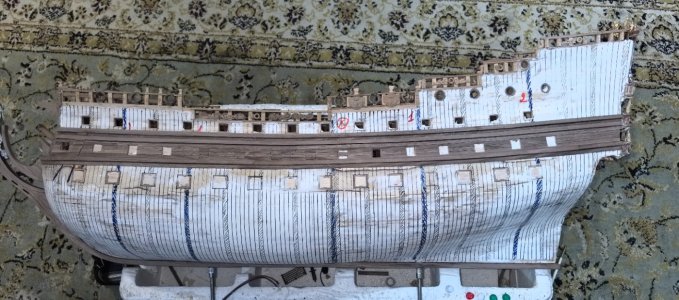
After weighing the pros and cons, I decided once again to deviate from the instructions and make the barhout first and then clean it.
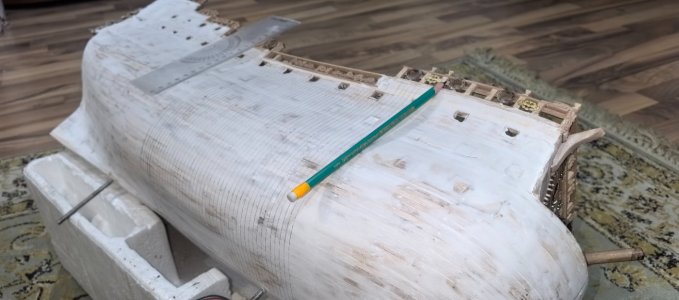
To achieve a good result in the future, I first armed myself with a flexible plastic ruler and a high-hardness pencil.
IMG_20260131_224710.jpg

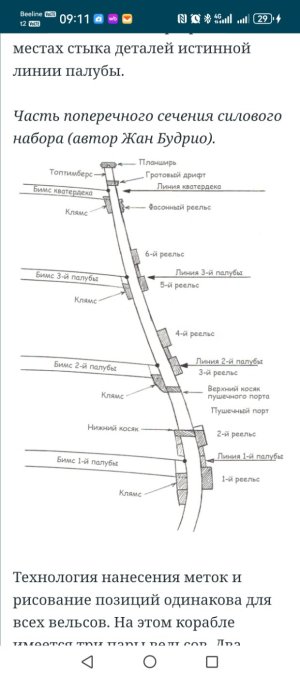
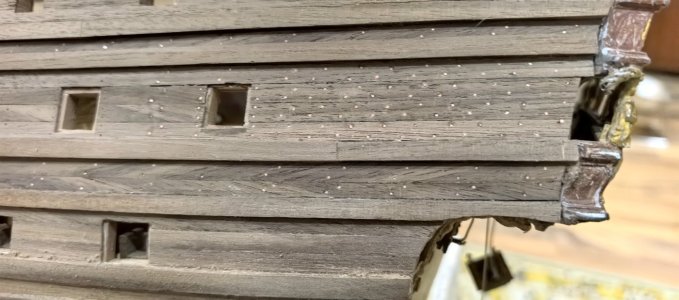
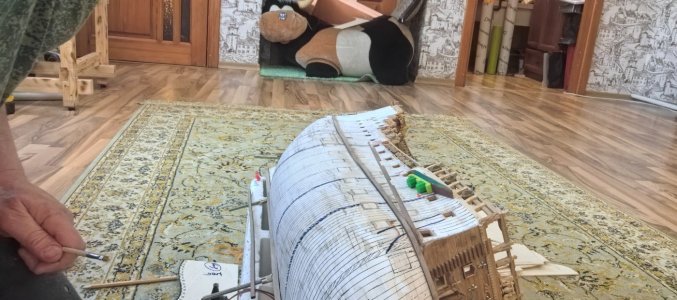
I drew a diagram of the body frames, as it were, so that I could correctly position the nagels and bolts. And he mapped out the location of chanel-wels-barkhout. That's where I'll start the finishing work.
After I've decided on the barhout and I finally need to fix the keel. Again, as already mentioned, ours, consisting of three parts, the keel, the stem and the stern, is made solely for the reliability of the appearance. I measured all three parts in turn, put them in place, glued them and tightened them with a mini-cutter, toothpicks and nuts from the keel block. IMG_20260110_224205_copy_1024x453.jpg
And the rather tedious, laborious and long process of finishing the hull began.
IMG_20260305_154513.jpg
Unlike the deck, the finishing of the ship's hull is always visible, and the perception of the model depends to a large extent on its design. Pits and bumps are unacceptable. All belts should be smooth. Any break, even a small one, spoils the impression, so we must strive for perfection!
This is where you should not rush and you need to be extremely careful.
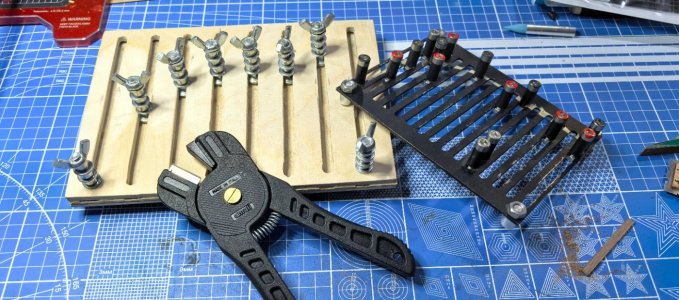
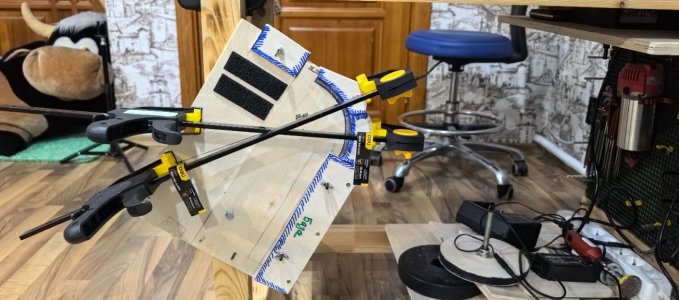
The wet strip, previously soaked in 70° hot water, is fixed on a special conductor device for bending the rail. The conductor really simplifies the process of bending parts and allows you to achieve precision and accuracy, especially in the manufacture of small elements such as a barboard rail. It is important to consider the direction of the wood fibers. Flexibility is significantly increased along the fibers. Making sure that my conductor perfectly fits the shape that I wanted to give the rail. I easily began to bend slats with a thickness of 3 mm for barhouts, and 1 mm for finishing the hull.
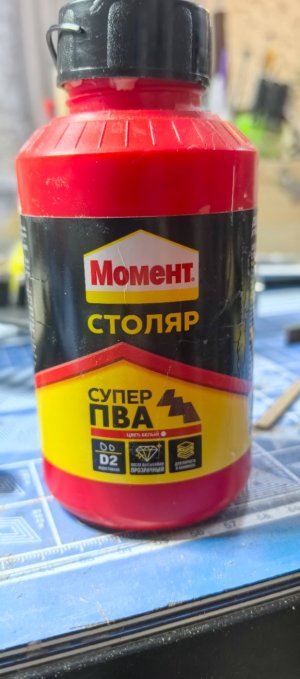
- I used pads to avoid damage to the surface of the rail when bending. After exposure, wait 24 hours. The finished rail retained its shape after drying. When the mold has finally stabilized, I glue the PVA carpenter
(red). These actions have helped me to produce a high-quality barkhout element for my ship.
I wish you success in your work!
IMG_20260221_205355.jpg
IMG_20260307_191605.jpg
IMG_20260307_191625.jpg
 
This is very detailed and painstaking work to achieve the best results. When it comes to hull planking at this level, preparation is everything and you have prepared meticulously. I am looking forward to your progress, my friend. Keep well!
 
Back
Top