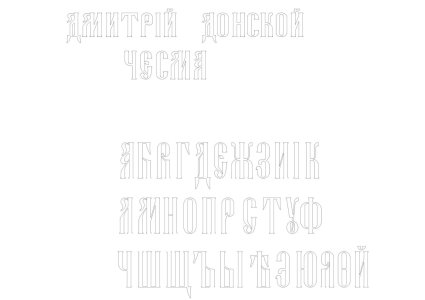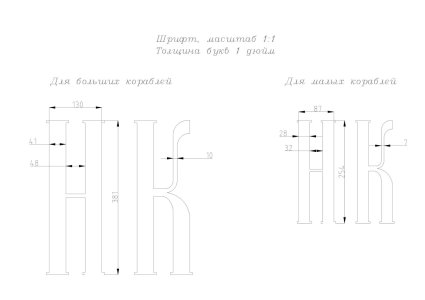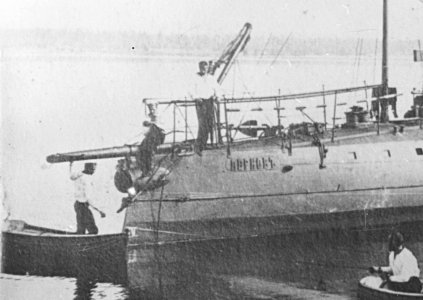

And if you want to imitate the old spelling (like in the 19th century), you can add the letter Ъ at the end.

 |
The beloved Ships in Scale Magazine is back and charting a new course for 2026! Discover new skills, new techniques, and new inspirations in every issue. NOTE THAT OUR NEXT ISSUE WILL BE July/August 2026 |
|
 |
As a way to introduce our brass coins to the community, we will raffle off a free coin during the month of August. Follow link ABOVE for instructions for entering. |
|
It's about the old cyrilic "jer" before 1918, when transform alphabet?And if you want to imitate the old spelling (like in the 19th century), you can add the letter Ъ at the end.
View attachment 562850
Exactly.It's about the old cyrilic "jer" before 1918, when transform alphabet?


So the T does disapere as it is spoken part of the next letter "ц" ?
Thank you very much - so it is now my task to become your letter into this Art Noveau styled.Oops... sorry, you also will need to replace the second letter E with this letter:
View attachment 562862

The letter T isn't needed there at all. It's part of the English transliteration (TS) of the Russian Ц (sounds like the German Z).So the T does disapere as it is spoken part of the next letter "ц" ?
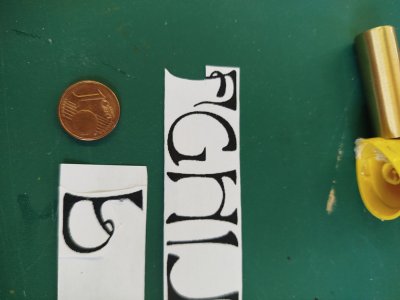
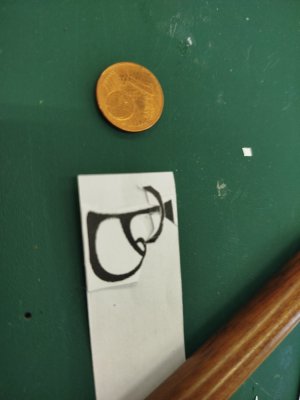
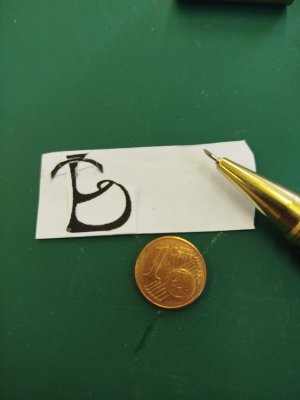
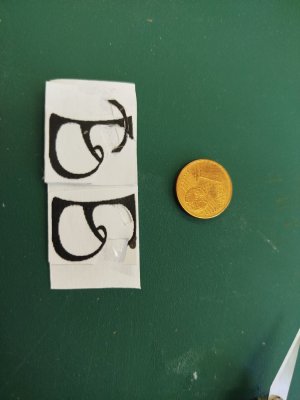


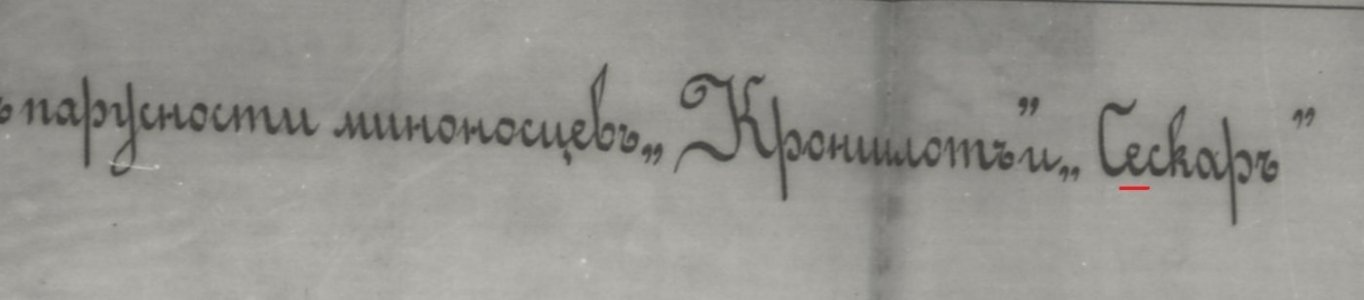
In the 19th century it was transcribed in different ways. Sestrorestk, SestroretskThank you very much - so it is now my task to become your letter into this Art Noveau styled.
To be honest - that sounds like real fun



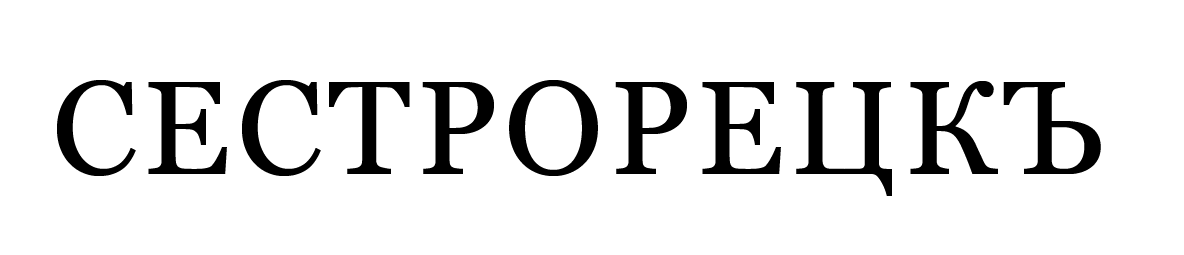
It's better to write it like this СЕСТРОРЕЦКЪ.
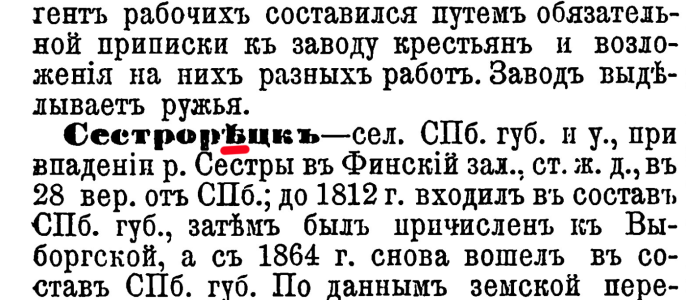
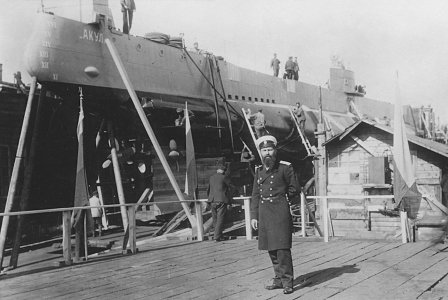
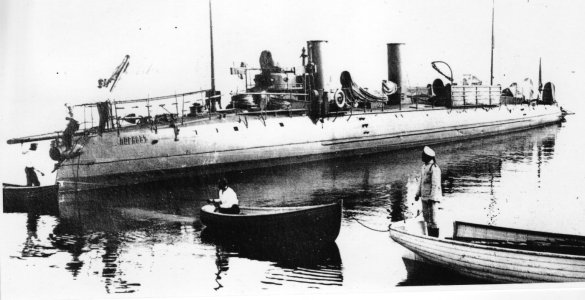
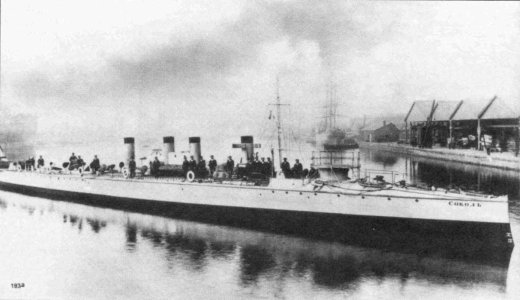
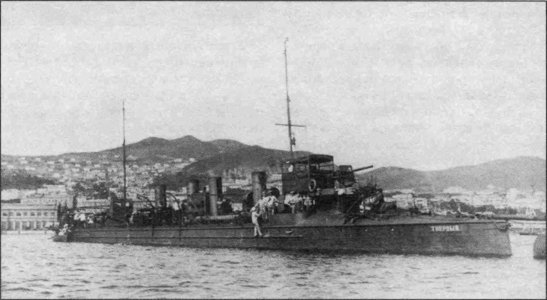
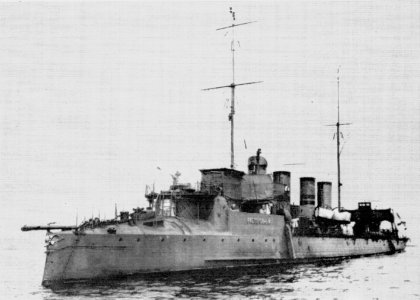
On which ship did you see the letter "ѣ" in the middle of the name?This is a grammar rule and does not depend on whether it is a title or not.
Please read this first: https://ru.wikipedia.org/wiki/Ять_в_дореформенной_русской_орфографииOn which ship did you see the letter "ѣ" in the middle of the name?
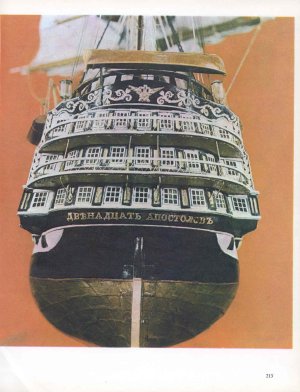
Neither the shipA good example.)) It's a shame the model isn't from the 18th century.
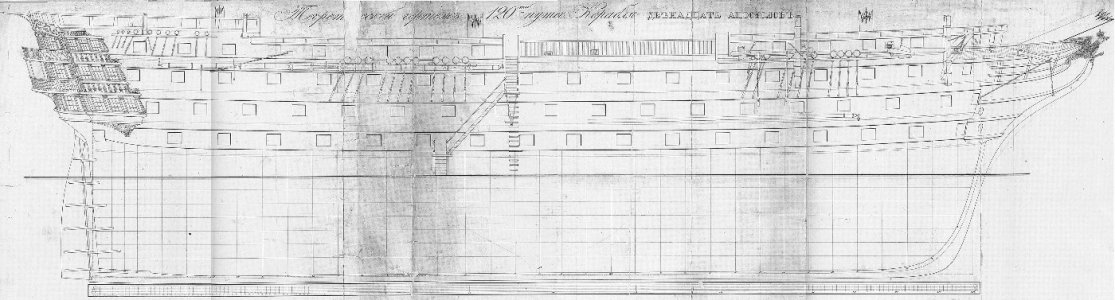
I'll repeat this one last time. The letter Ѣ isn't needed in every word, but where it is, it's written. This isn't an embellishment, but a grammatical rule. The rules are described here: https://ru.wikipedia.org/wiki/Ять_в_дореформенной_русской_орфографииI will gladly agree with you if you help me find this letter in the names of other destroyers.