- Joined
- Oct 2, 2025
- Messages
- 426
- Points
- 128

Later
Last edited:

 |
The beloved Ships in Scale Magazine is back and charting a new course for 2026! Discover new skills, new techniques, and new inspirations in every issue. NOTE THAT OUR NEXT ISSUE WILL BE MARCH/APRIL 2026 |
|
 |
As a way to introduce our brass coins to the community, we will raffle off a free coin during the month of August. Follow link ABOVE for instructions for entering. |
|


 .
.
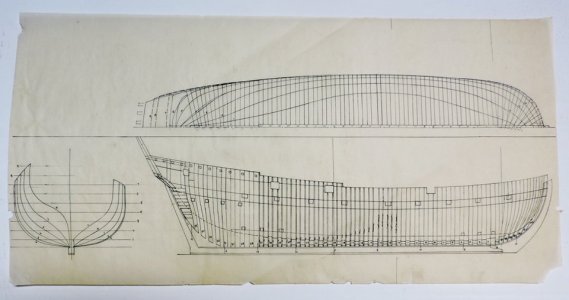
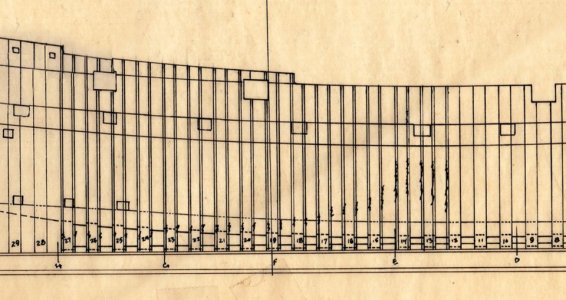
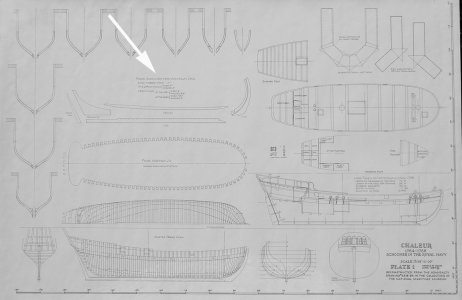
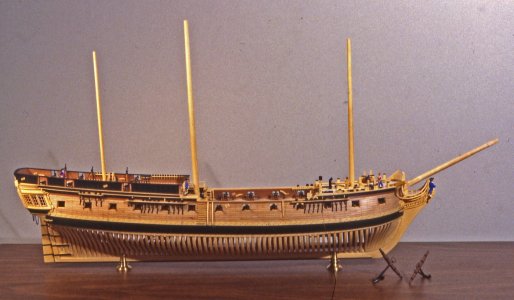
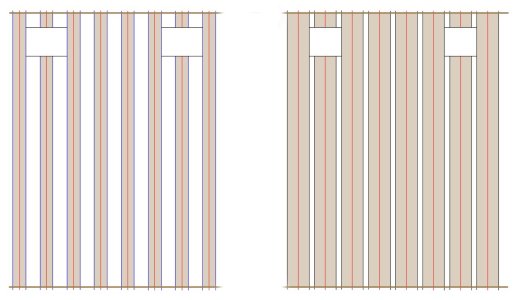

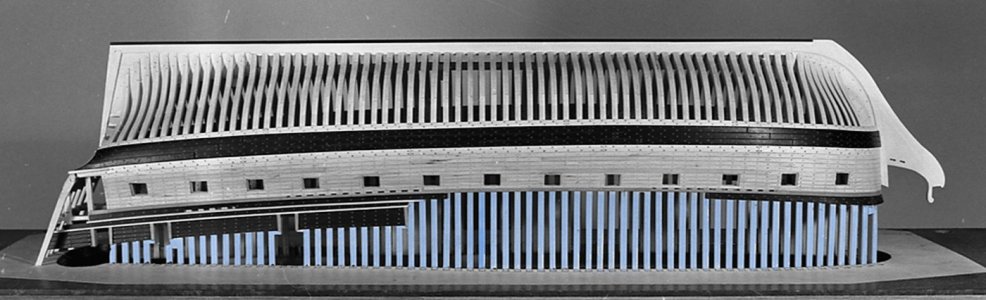
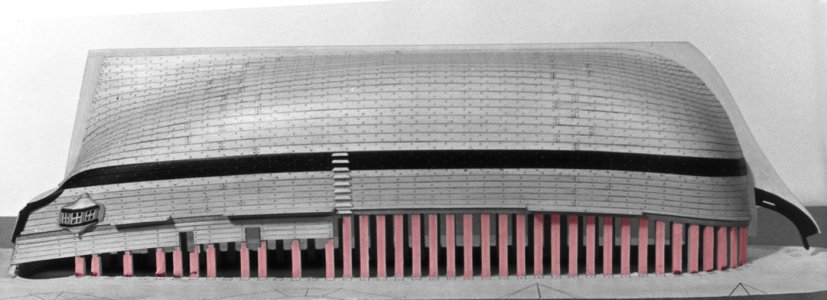
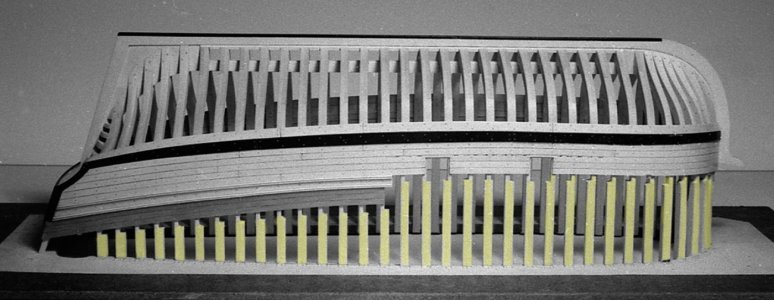
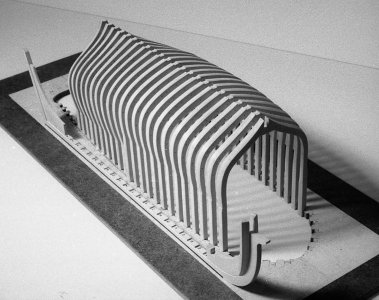
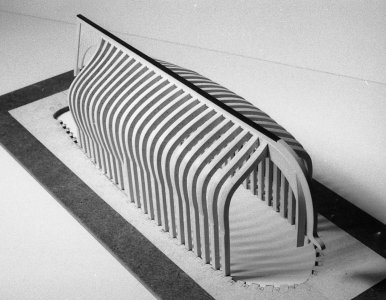
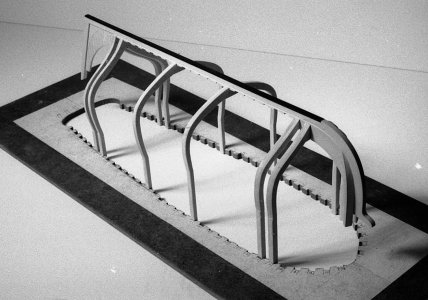
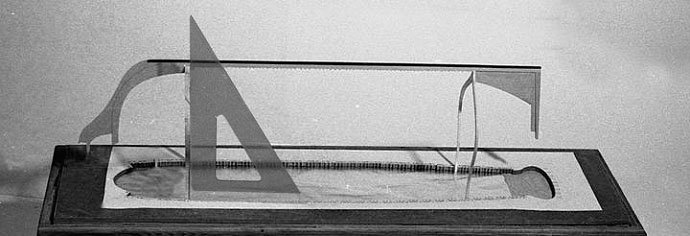
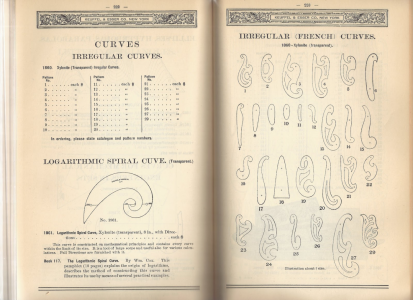
The below is from another post of mine. I have in my manual drafting instrument collection (specialized in Keuffel and Esser Paragon top of the line instruments) all of the K&E curves sets. The "French curve" set is synonymous with what is called the "Burmeister curve set.) These were named for their inventor, German mathematician Ludwig Burmester.Yes, there are Ships Curves that are different from French Curves. In particular they include several long sweeping curves. They used to be quite expensive. Back in 1962 as a Naval Architecture student I had to buy a set that cost me almost $200. I still have and use them. EBay shoppers will occasionally find used sets on sale. For drawing body plan sections from plotted waterline dimensions as you clearly explain above, inexpensive office store French Curves work fine.
Roger
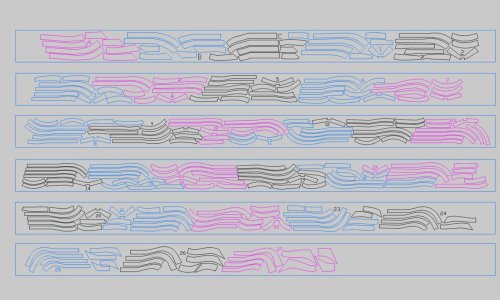
 These are the kind of thing about which they'll be saying in five years, "Somebody made some a while back, but I don't think he sold more than twenty or thirty sets and when they were gone, that was it. Kemp's curves stack inside of each other neatly. They'd be perfect for the tight curves on scale model frames. (Note the snazzy drafting "ducks" on the table with the curves below!
  ) (See: https://shop.nixiemarine.com/product/dixon-kemp-style-curves/3)

 ?
?.Probably useful at times for hobbyists with the most nostalgic tendencies, but unfortunately, in stark contrast to the infinitely greater possibilities, efficiency and flexibility offered by CAD software, those traditional curves, like manual drafting in general, are nearly completely useless for analysing preserved period plans and studying old design methods. This would also partly explain the total lack of progress and any successes in this field to date, even by ‘highly respected experts and scholars’. I know something about this because I conduct such investigations myself, and even the most senior scholars in this field attend my presentations.
But if they have collector's value for someone, who can stop the rich
.
 .
.
