



..
Last edited:

 |
The beloved Ships in Scale Magazine is back and charting a new course for 2026! Discover new skills, new techniques, and new inspirations in every issue. NOTE THAT OUR NEXT ISSUE WILL BE July/August 2026 |
|
 |
As a way to introduce our brass coins to the community, we will raffle off a free coin during the month of August. Follow link ABOVE for instructions for entering. |
|
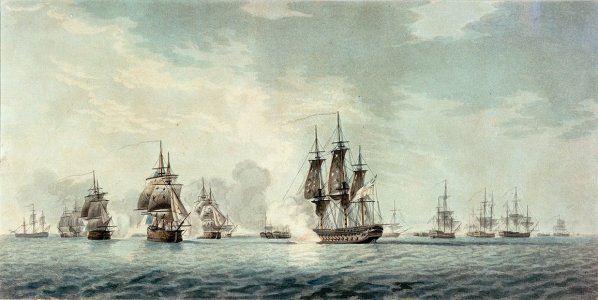
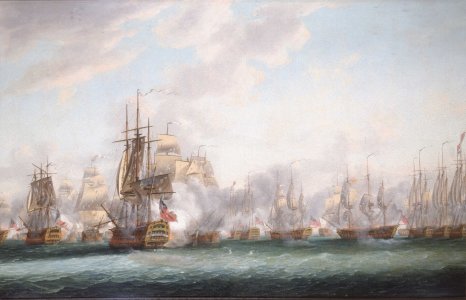
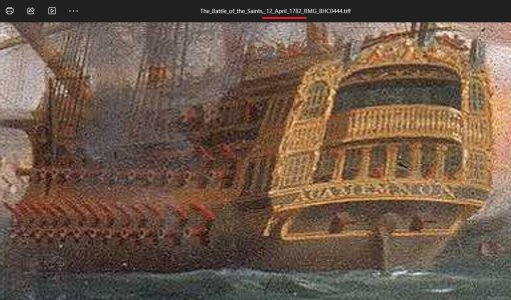
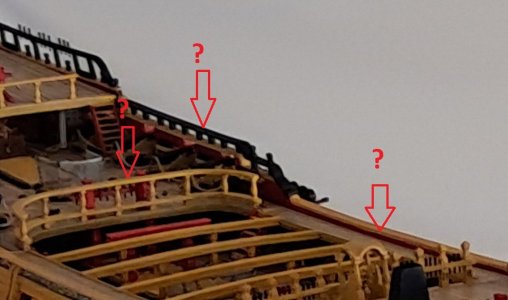
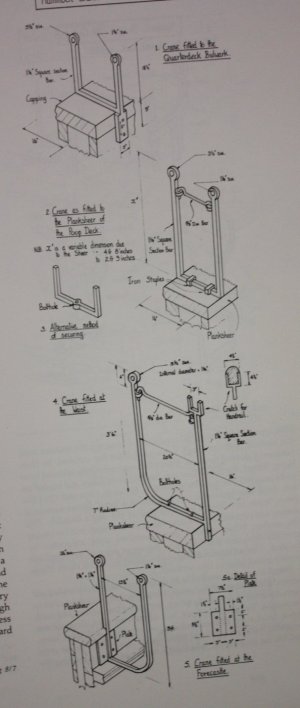
Most contemporary models do not show the hammock cranes so you would be in good company if you leave them off. They were definitely used for a long time on the actual ships. If you trust the information in Goodwin's book The Construction and Fitting of the English Man of War page 211 the following may give some help.Do I really need to provide these hammock nets on the railings
 and I still can't make a choice .
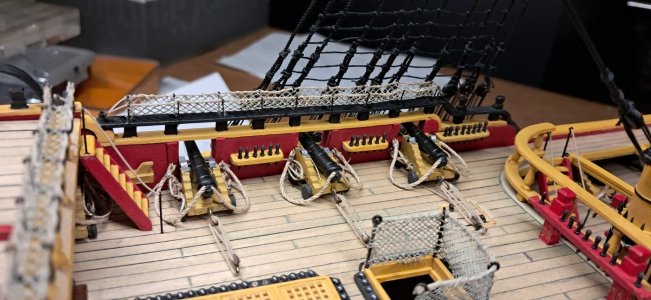
Do I really need to provide these hammock nets on the railings / balustrades ?
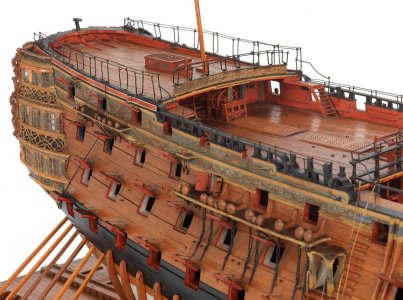
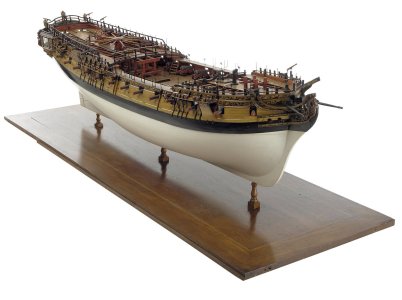
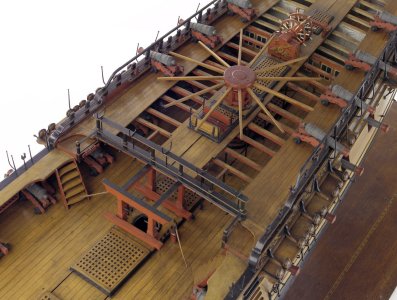
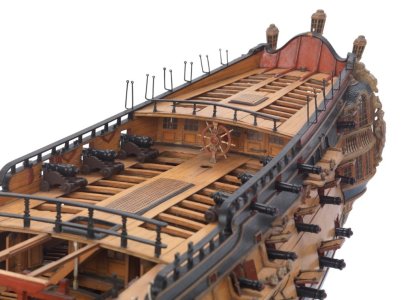
IF you want a model of a ship that has not been done thousands of times like Victory and others, scratch is the only way to go. It is worth it to many to be able to do something that is somewhat unique. This does not necessarily make it a better thing, just different.Building from scratch is definitely not an easy thing....
What are the ships/years in the photos in post #126 above?In all cases, yes.
What are the ships/years in the photos in post #126 above?
I don't see any contradictions between my text and Mr. Goodwin's. I also haven't noticed any errors in this part of the book. Please point them out.So are you saying every ship (all cases) had cranes and nets and that some of the information regarding when they came into use as researched by Goodwin is wrong?
. .
.
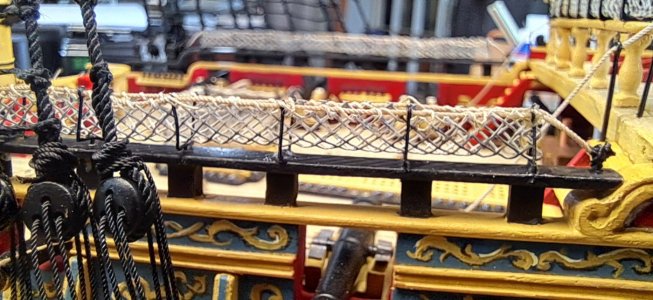
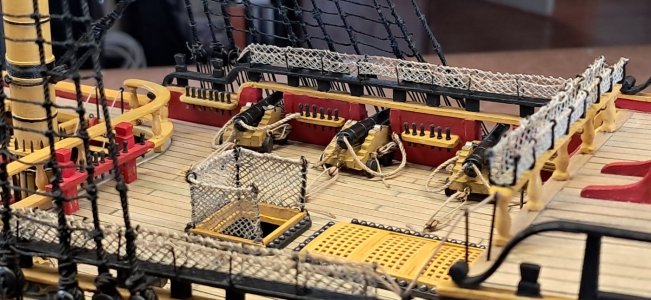

I understand that the grids shouldn't be black, but rather the color of the hemp rope should be a dark beige.black,
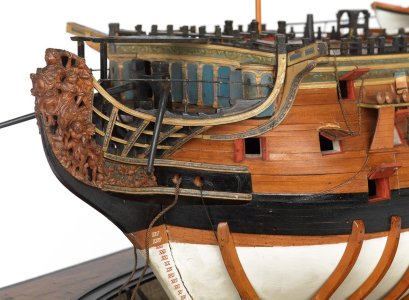
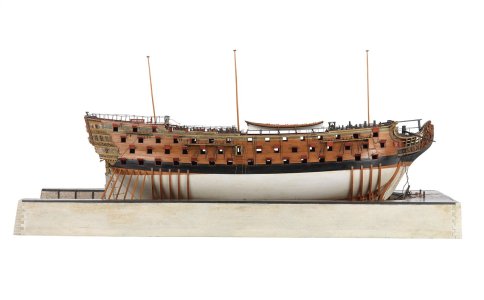
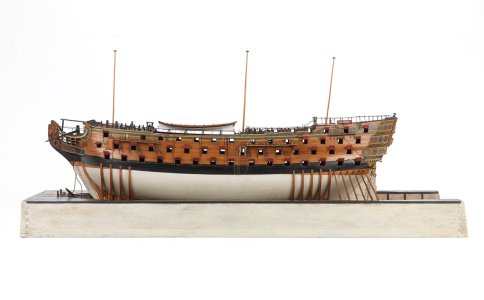
Yes, this is the very same Victory model, created under the meticulous supervision of Sir Thomas Slade himself! This model is a benchmark! The second frigate is also famous, a hero of the war against the Americans, the frigate Amazon. This model is built according to all Admiralty regulations, and its hammock nets are worthy of respect.What is the name of the second ship ? (first picture seems to be hms Victory in his orginal shape) Very beautyfull hull.
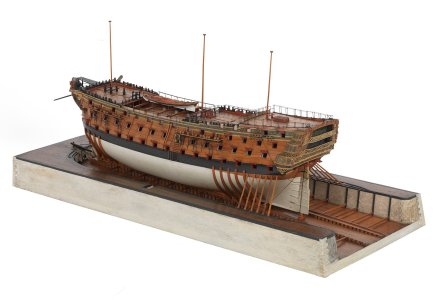
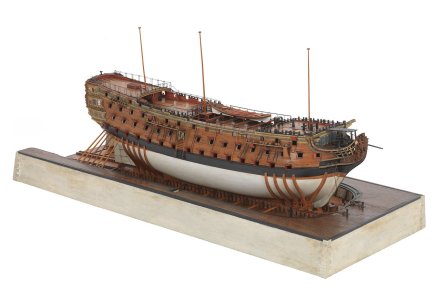
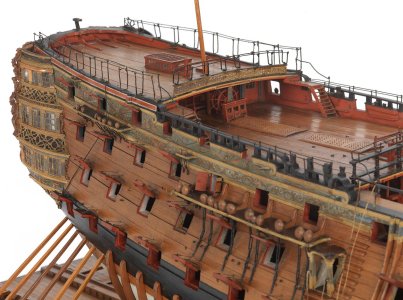
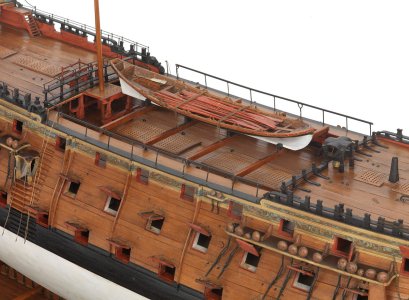
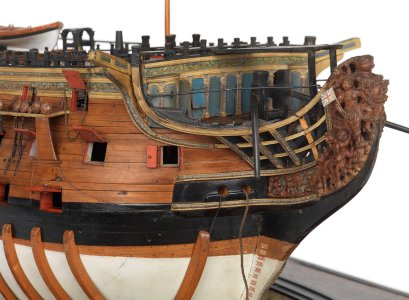
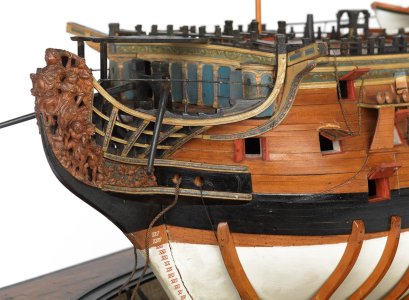
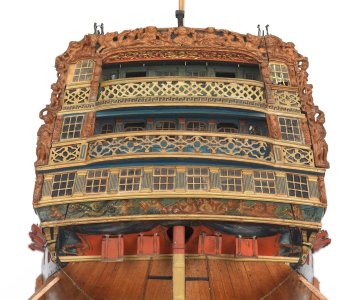
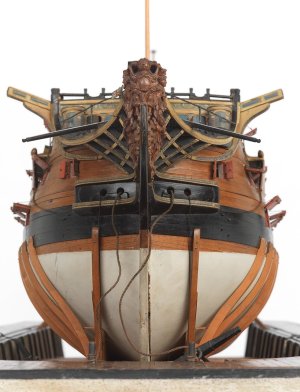
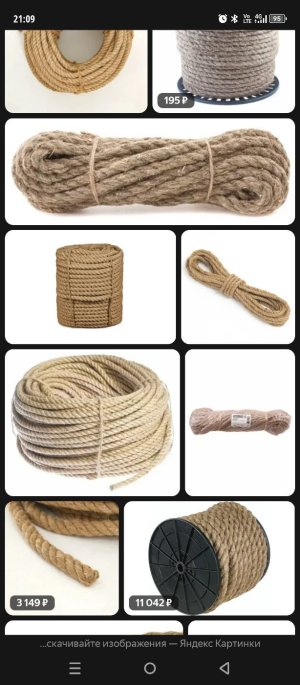
Andrey, the St. Petersburg Naval Museum has unique examples of hemp ropes of the highest quality, which the Russian Empire supplied to Great Britain throughout the 18th century. The entire British navy used only Russian hemp, as it was the highest quality.I understand that the grids shouldn't be black, but rather the color of the hemp rope should be a dark beige.
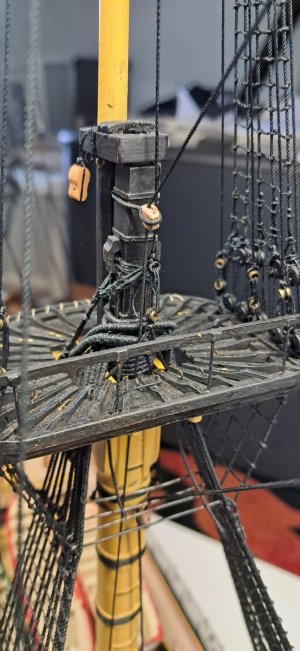
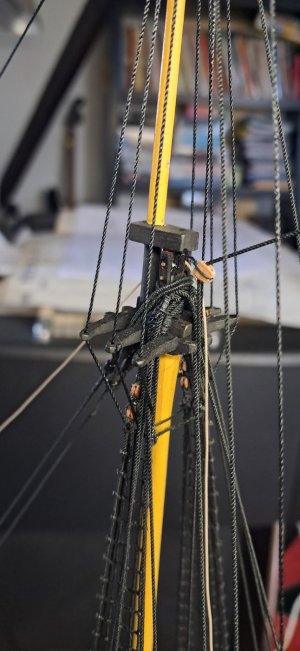
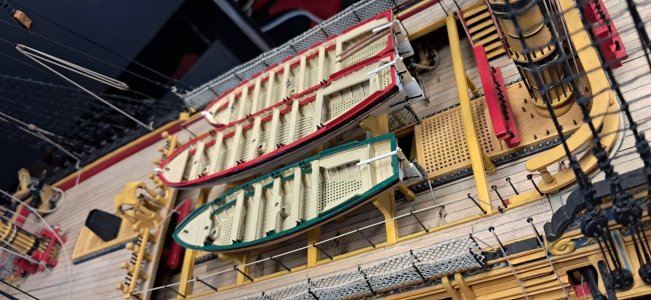
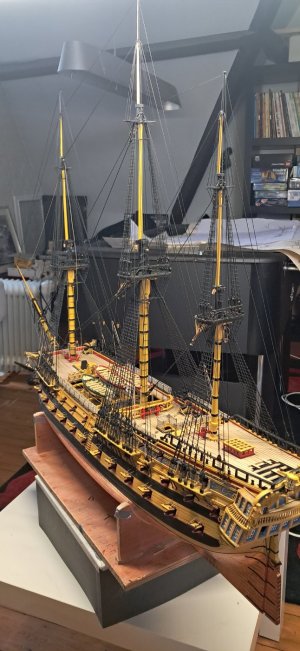
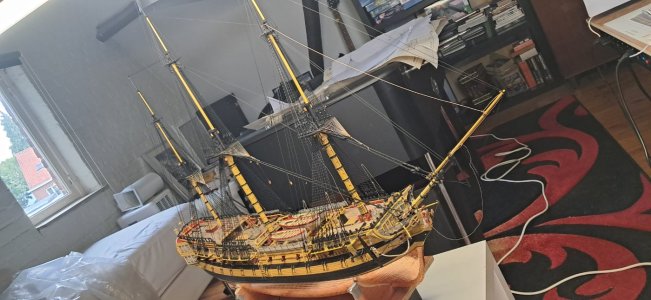
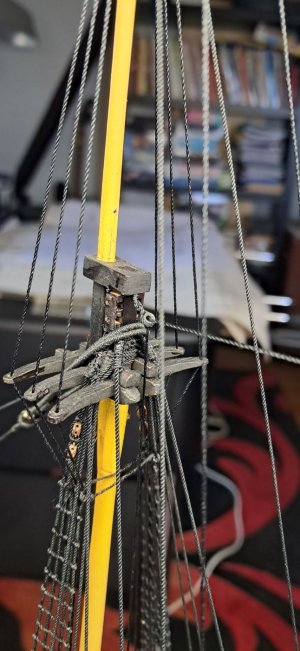
dear friends,
There has been a slowdown in the progress of the construction, but I got back on track after the summer season and here are the latest photos of my model. I am finishing the standing rigging. Next step; placing the yards.View attachment 639701View attachment 639701View attachment 639700View attachment 639702View attachment 639703View attachment 639704View attachment 639700View attachment 639701View attachment 639702View attachment 639703View attachment 639704View attachment 639727
Hi Luc,Beautiful work!! I have just started rigging the Norske Løve myself. Looking at your photos, I can certainly still learn a lot about rigging the Norske Løve. Perhaps you have some photos of the construction of your Norske Løve?
First and foremost, you model is truly exceptional!
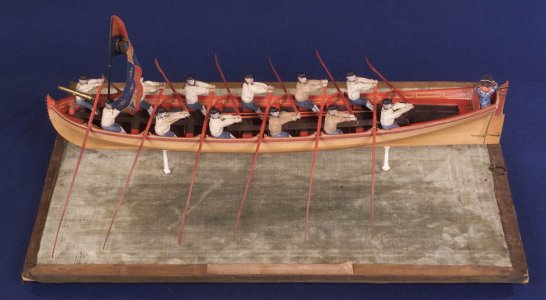
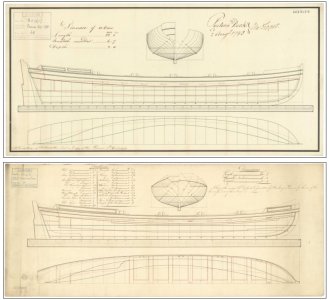
If this is a repeat, my apologies. Am I correct that the middle boat is a pinnace? I ask because there are tholes on each side of every other thwart leaving thwarts with no way of rowing from them.
Pinnaces had alternating thwarts as they were single banked. I realize some contemporary drawings are down the centerline and show only one side. Others are more clear.
View attachment 639778
Below the second drawing is more clear, showing the alternating tholes starting with the foremost on the port side like the contemporary model above. The other drawing only shows one side. I am guessing the draftsman assumed the boat yard knew there was another alternating set.
View attachment 639781
Thanks Allan for your feedback.First and foremost, you model is truly exceptional!
If this is a repeat, my apologies. Am I correct that the middle boat is a pinnace? I ask because there are tholes on each side of every other thwart leaving thwarts with no way of rowing from them.
Pinnaces had alternating thwarts as they were single banked. I realize some contemporary drawings are down the centerline and show only one side. Others are more clear.
View attachment 639778
Below the second drawing is more clear, showing the alternating tholes starting with the foremost on the port side like the contemporary model above. The other drawing only shows one side. I am guessing the draftsman assumed the boat yard knew there was another alternating set.
View attachment 639781
Some, including myself, find the research to be as much fun as the build itself. Thankfully we all have different priorities and that is as it should be. For the future, pinnaces, cutters and other boats with a breadth of less than about 7 feet were usually single banked. Just a matter of where you put the tholes. There are a number of kit companies that get the pinnace tholes in the wrong places so you are not alone. 

