



I have had better results with making my own ropes with Domanoffs cheaper vertical rope walk machine.

 |
The beloved Ships in Scale Magazine is back and charting a new course for 2026! Discover new skills, new techniques, and new inspirations in every issue. NOTE THAT OUR NEXT ISSUE WILL BE July/August 2026 |
|
 |
As a way to introduce our brass coins to the community, we will raffle off a free coin during the month of August. Follow link ABOVE for instructions for entering. |
|

I believe youI have had better results with making my own ropes with Domanoffs cheaper vertical rope walk machine.



That’s what happens if I don’t wind the yarns, threads and rope tight enough.Hi Kuba,
I’m new to this forum and this is my first post. I’ve been trying to make ropes for the past two weeks, but it’s been a complete disaster. So far, I’ve only managed to waste thread and time with the PL4-3 machine from Mr. Aleksei Domanov.
As you can see in the photos, the ropes come out badly twisted and lose almost all their tension. When I tried twisting them in the opposite direction, they turned into a massive tangle, forcing me to stop the machine.
Honestly, for the price I paid, I expected something much better. At this point, I don’t think it’s good for anything at all. Now the main issue will be the return process, since I live in the USA and Mr. Domanov is in Poland.
I’m writing in English in case someone else here owns the same machine and might be able to help. I’d really appreciate the chance to connect with you and hear about your experience using it. I bought a PL4-3, and so far, all I’ve accomplished is wasting thread.
To be honest, I’ve felt like throwing it in the trash—but after reading your posts, I see you speak very highly of it. If you don’t mind, I would greatly appreciate any advice you can share. You can even reply in Polish, or send a private message if you prefer.
I’ve attached some photos so you can see the kind of "ropes" the machine is producing for me. Any help would be greatly appreciated.
Thanks in advance,
Jacek Castro
View attachment 591925
View attachment 591926
View attachment 591936
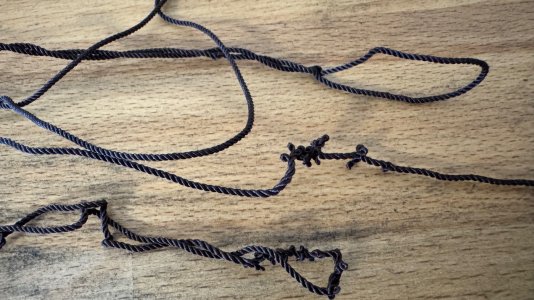
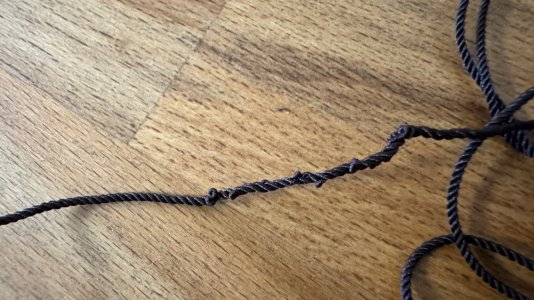
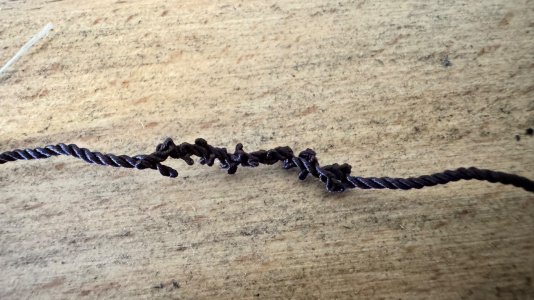
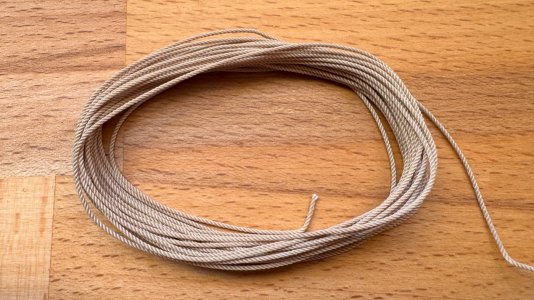
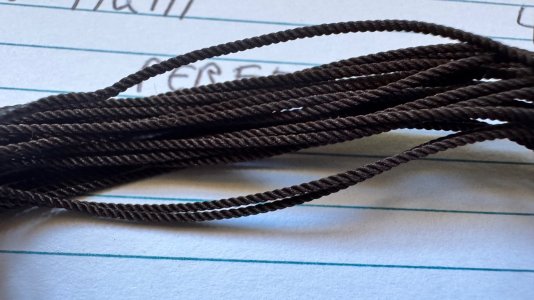
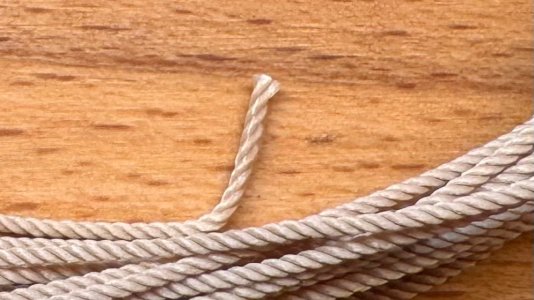
As a general contractor, architect, and engineer, I’m fairly comfortable with the technical side of machinery, and I’m always learning something new each day to have the opportunity to expand my knowledge. As I explained in another post, I have encountered several setbacks during the attempt, and I have run into a few challenges that I’m still trying to work through. For instance, I had a bobbin come loose while the machine was running, and I’ve also noticed that the wheel holding the three bobbins seems to wobble from side to side rather than rotating smoothly on its axis. This appears to affect how the gears engage, as they sometimes feel like they are slipping and the noise becomes unbearable.

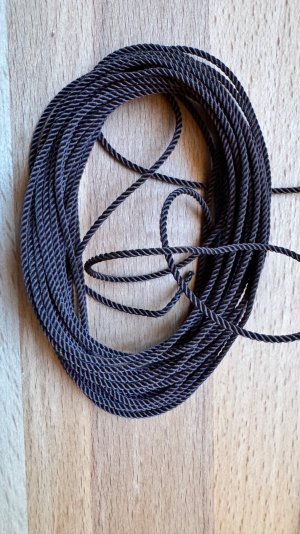
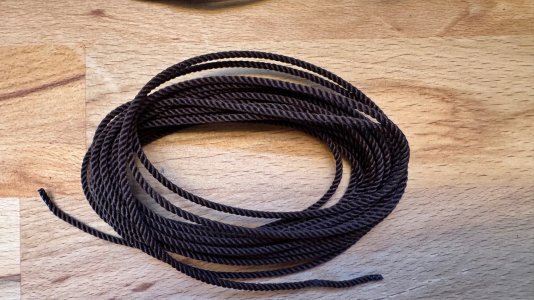

Buenos dias Jacek, me alegra verte por estos lares, como ya te dije yo no tengo esa maquina, preferí hacerme la mía propia, así si salia mal solo podía cabrearme conmigo mismo, jejeje, ya he leído las soluciones que te están dando, y creo coincidir con todas, también he comprobado que es más complicada de lo que en inicio podía pensar, las tensiones de los carretes alimentadores es super importante, y por lo que veo, no es fácil, como comprobar que los 3, 4 carretes tienen la misma en la maquina, si esa presión se realiza con una palomilla, tuerca, complicado...he de decir también, que en la mia, al colocar los hilos, filásticas, los tres hilos que componen el futuro cabo, deben de tener la misma tensión en 5 m, cosa muy complicada, pero al ser en tanta longuitud es menos apreciable. Un saludo amigo, desde España, y virutasHola Bryan
Esa podría ser la conclusión a la que llegue finalmente. Mientras tanto, voy a probar todo lo que me han recomendado hasta ahora. Incluso pienso comprar el conocido hilo Gütermann para descartar que el problema esté relacionado con el material en sí, aunque sospecho que no será así.
Si ninguno de estos enfoques resuelve el problema, probablemente me alejaré del método de Domanov y evitaré invertir más tiempo o recursos en él.
Simplemente cogeré esa máquina y la tiraré desde mi balcón a la piscina.
Atentamente
Jacobo
 ag
ag
Bob don't worry, my friend—it's absolutely no problem at all. I know that on these forums we can find a lot of interesting things, as well as plenty of experts. Even if some people are just here to learn without sharing their own ideas and experiences—well, there's a place for everyone!Sorry about incorrectly underestimating your mechanical experience with tools! It's one of the hazards of these forums. You never know, so you tend to presume the person asking a question doesn't know as much they do unless they tell you!
Bobbins should not come loose when the machine is operating. Perhaps one wasn't tightened enough. The felt washers on either side of the bobbins are important. The pressure from the wing nuts against the felt washers creates the friction that regulates the tension on the strand as it comes off the bobbin.
The planetary wheel (the big one that rotates the bobbins) should not wobble. Everything on the machine should rotate smoothly and not wobble or create a lot of noise from grinding gears. It sounds like there may be a problem with the assembly of your machine. Mine came partially disassembled. As I recall, it was important that some of the parts were installed in the correct orientation. Perhaps a wheel is on backwards or something. I can't diagnose it from here, but it from your description you have a mechanical problem that should be easy enough to figure out by watching the thing run. (Slowly... you don't want to break something!)
Phillipsart is correct that the PL4's capacity is limited by the amount of thread that can be wound on the bobbin and thus also by the thickness of the thread. If one is going to make large diameter scale line, the PL4 probably isn't the best machine to select.
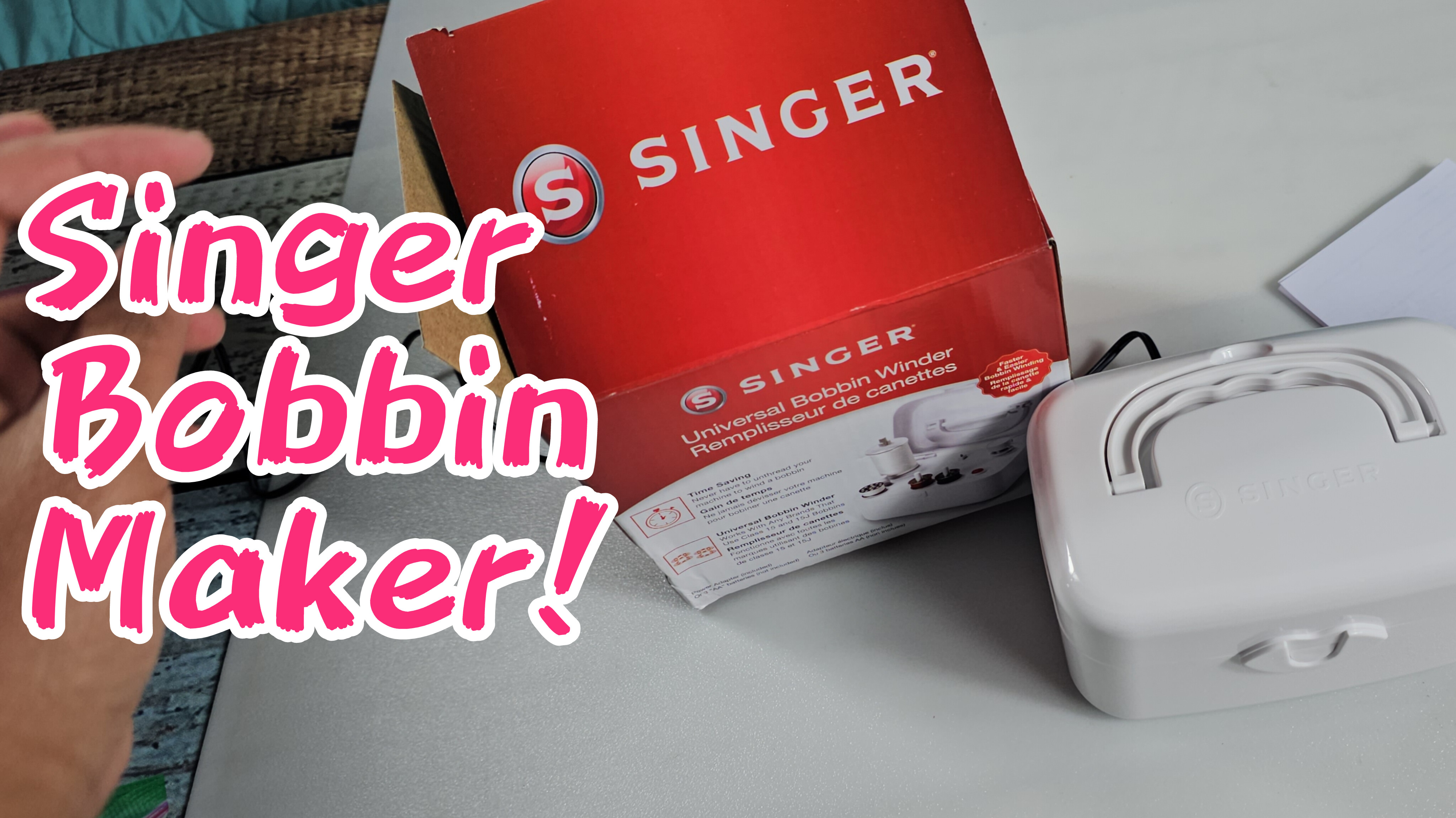
There isn't any way I know of to really wind thread on a sewing machine bobbin evenly without a bobbin winder. Every sewing machine has one built in these days, but for our purposes, if a sewing machine isn't handy, a stand alone bobbin winder is the tool for the job. They are not at all expensive and make quick work of loading a standard bobbin evenly and under the tension you set. Mine runs on AA batteries.
See: https://www.amazon.com/SINGER-Portable-Automatic-Shut-Off-Compatible/dp/B09Q7QVNQQ/ref=sr_1_8?adgrpid=1332608665312386&dib=eyJ2IjoiMSJ9.CneY0bYpmhoUFQtkMGleIHjAITc0bfnv08VL2BeYXSacCgyJsu1p617sKPLCuBG3SwkJTNfoPhuy-cmlQ4KYzM0THoUzDuD1-v_MPHwKQ8kifn3K13YyZOx_xzGjhtcs4DkJVW-r0hQUEL5fsNAI205nUXfuuk0IeFxP0mV3n98t6HxcQDGSmNuxmXHLOKAajQBk-6oCLOxKQwSXojyoHdp7LK4LjH5P7fnqzWMDFj7frzCc9SkoveebZJsK97C0hXOd7Ln83fNcFFRWDzDHrYRuqNaPBngHu9JO7InoliE.uoHJkYLIKyEGD5IaU4STL0TdiZzjubODXCY7HtlVxI8&dib_tag=se&hvadid=83288363786574&hvbmt=bp&hvdev=c&hvlocphy=88716&hvnetw=o&hvqmt=p&hvtargid=kwd-83288404367763:loc-190&hydadcr=12564_13429831&keywords=bobbin+winders&mcid=bd4090e3780335ea8cc48259bce3276a&msclkid=33e3edd2dc3d1304abb6840e821f34da&qid=1776049700&sr=8-8
Watch Singer Bobbin Winder on Amazon Live
Shop with expert advice from Viedroz Garden in their latest video Singer Bobbin Winderwww.amazon.com
Así mismo como lo dices, no veo la forma humana de que las 3 bobinas están enrolladas con la misma presión, por ahi un colega me envió una maquina para enrollar esas dichosas bobinas, que mientras no hagas un cabo de 1mm creo que pueda sacar mas de 2m de soga, pero la cosa se complica al ampliar la cantidad de hilos por sedal, en fin un rollaso tio!! Hare mis pruebas con los datos que nuestros colegas me han pasado pero ya como que no descarto la posibilidad de tirar esa maquina a la basura y hacerme la mía, que como bien dices si queda mal solo sera culpa mía jajajajjaBuenos dias Jacek, me alegra verte por estos lares, como ya te dije yo no tengo esa maquina, preferí hacerme la mía propia, así si salia mal solo podía cabrearme conmigo mismo, jejeje, ya he leído las soluciones que te están dando, y creo coincidir con todas, también he comprobado que es más complicada de lo que en inicio podía pensar, las tensiones de los carretes alimentadores es super importante, y por lo que veo, no es fácil, como comprobar que los 3, 4 carretes tienen la misma en la maquina, si esa presión se realiza con una palomilla, tuerca, complicado...he de decir también, que en la mia, al colocar los hilos, filásticas, los tres hilos que componen el futuro cabo, deben de tener la misma tensión en 5 m, cosa muy complicada, pero al ser en tanta longuitud es menos apreciable. Un saludo amigo, desde España, y virutas
Un cordial abrazo hermano!! y virutas de vuelta!!! por cierto ponte mascarilla con tanta virutas
Your best to purchase a 2nd hand sewing machine and use that to wind the bobbins with threads.Bob don't worry, my friend—it's absolutely no problem at all. I know that on these forums we can find a lot of interesting things, as well as plenty of experts. Even if some people are just here to learn without sharing their own ideas and experiences—well, there's a place for everyone!
To be honest, I handle the mechanical and design aspects just fine, but when it comes to electronics—that's where I'm completely lost! Haha. However, if I have a small schematic to work from then boooom!. I can really buckle down and figure it out.
Thanks again. As always, I truly appreciate people like you who share their knowledge and experience with the community. I'm already taking notes and getting ready to dive in and start studying this astronomical device!!
Also, thanks for the link to the coil winder and for the YouTube video.
That’s what these forums are all about!! I really appreciate it.
Kind regards
JC
Your best to purchase a 2nd hand sewing machine and use that to wind the bobbins with threads.
That singer winder does not wind the threads in tight enough. I purchased one and I taken it back to the store.
You can buy a 2nd hand sewing machine cheaper than that singer winder.
That’s the exact problem Bob, I’ve run into when trying to make a rope about .8mm-1mm thick: with those spools, the tension becomes absolute garbage, not to mention that you'll be able to do about 1.5 m only.Interesting. I haven't encountered that problem, although my stand-alone bobbin winder isn't a Singer model. I found that there wasn't any problem regulating the tension using the tension adjustment knob. Perhaps the problem is that the tension setting device doesn't work as well with thicker thread because it takes more power to pull a thicker thread through the tensioning gizmo?
For now, with all the tips you've given me, I'm continuing to experiment with cheaper thread until my Gutermann spools arrive.
Regards
Believe me, Bob, I checked in Amazon and WAWAK. They only had black available in large rolls; for other colors, they only stock 3,200-yard spools for $45.I think you'll find that thread is a lot less expensive per foot when purchased online from WAWAK in larger spools.
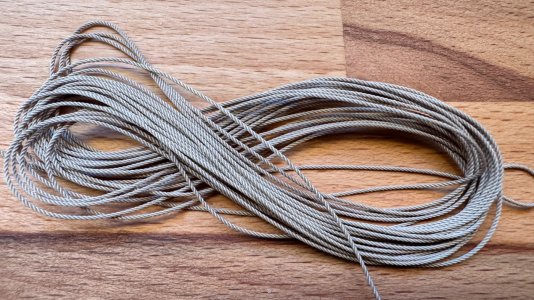
Here in Australia we can not buy rope of this quality unless we purchase from overseas, which increases the cost considerably.
I’m contemplating on selling rope to help cover the cost of what I’ve spent of late on this rope making task. Especially here in Australia.
I hope you guys don’t mind. If I do that. Thought I should check here first.