



True storyThis is some truly beautiful work, Sergey! You have a rare gift!

 |
The beloved Ships in Scale Magazine is back and charting a new course for 2026! Discover new skills, new techniques, and new inspirations in every issue. NOTE THAT OUR NEXT ISSUE WILL BE July/August 2026 |
|
 |
As a way to introduce our brass coins to the community, we will raffle off a free coin during the month of August. Follow link ABOVE for instructions for entering. |
|
True storyThis is some truly beautiful work, Sergey! You have a rare gift!
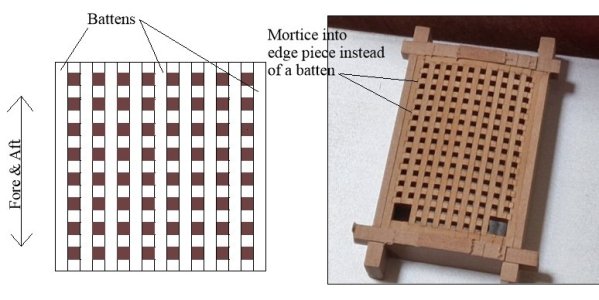
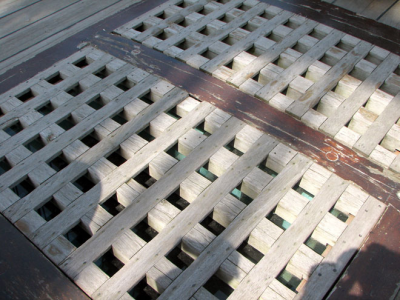
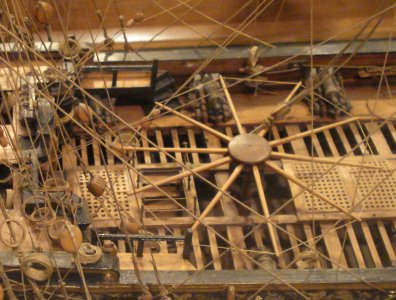

Thank you, friend.True story
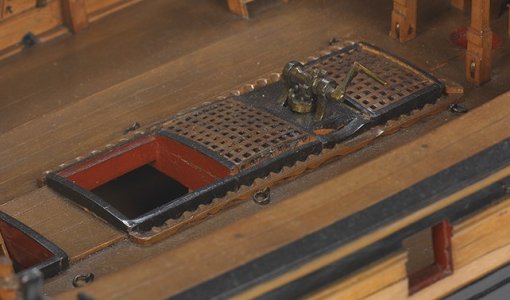
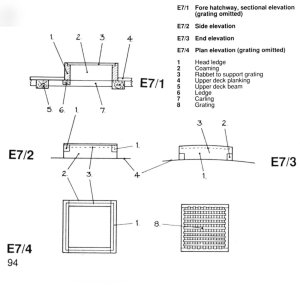
Thanks for the praise.Your gratings are really fine!! Do you know if the outer ledges were ever cut half way to accept the battens as you show, or totally across, or were both methods used at times? Pictures below. Up to now I had only seen them as in the drawing on the left and the last two pictures below but what you show looks structurally sound as well.
Many thanks
Allan
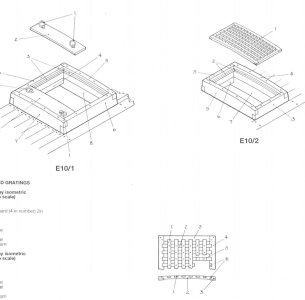
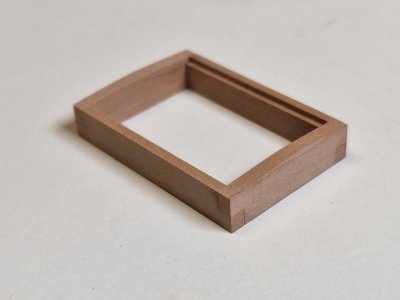
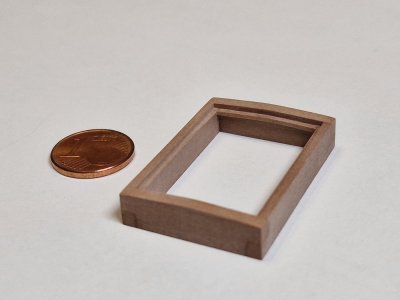
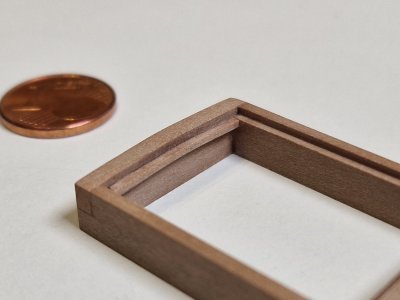
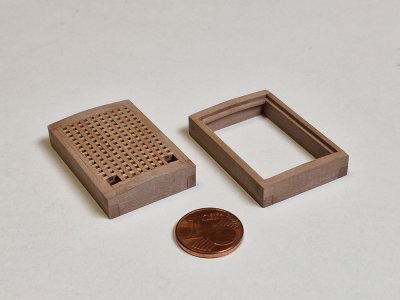
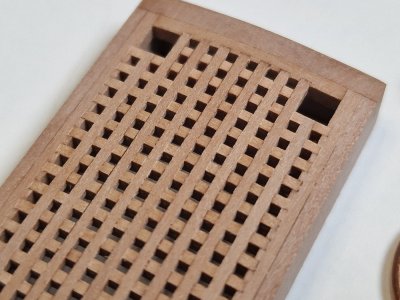
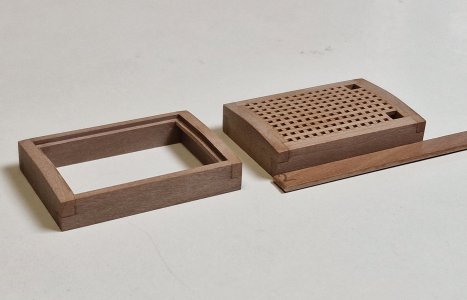
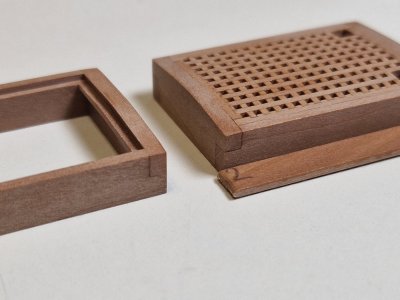
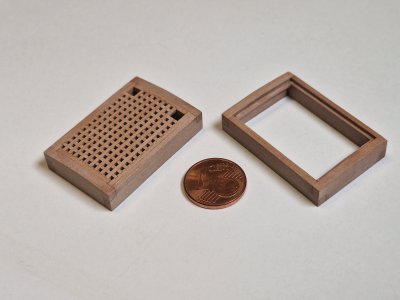

I am not so sure White is correct as I could not find any contemporary based information anywhere that gratings on large or small vessels had the design White shows. Even so, there were very few things where the words "always" or "never" in the ships in the days of sail applies so I would not be surprised if two designs were used.There are at least two types of gratings: a simple one (the one you showed) and a more complex one with the slats embedded in the sides.
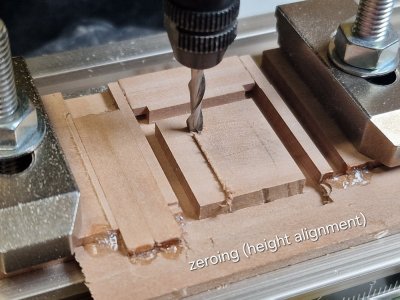
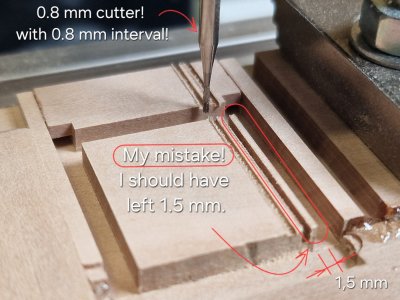
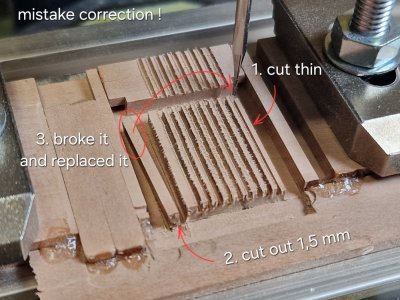
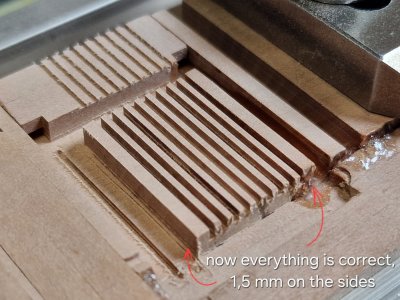
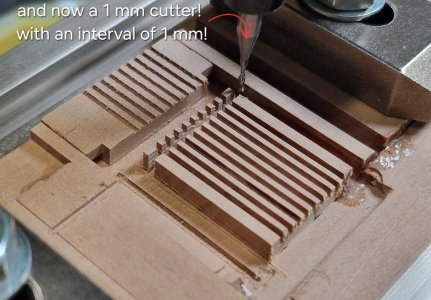
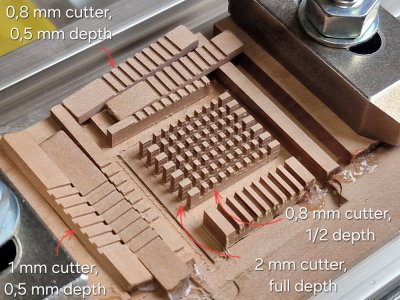
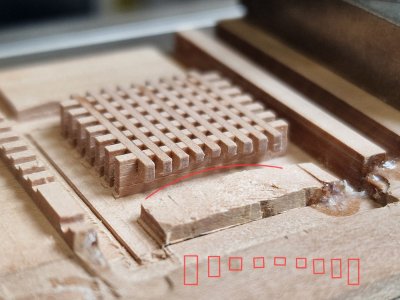
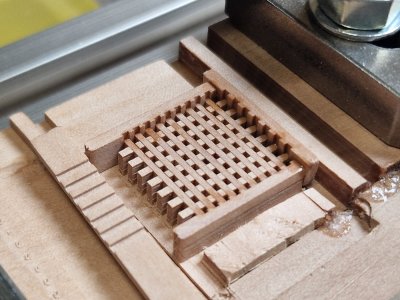
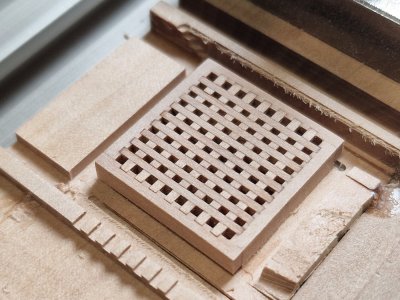
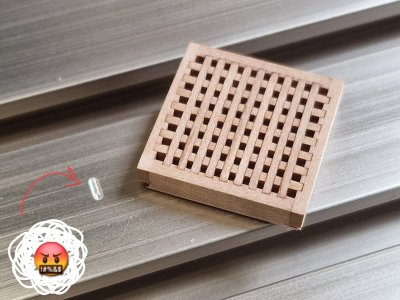
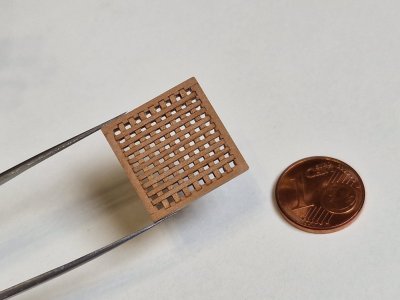
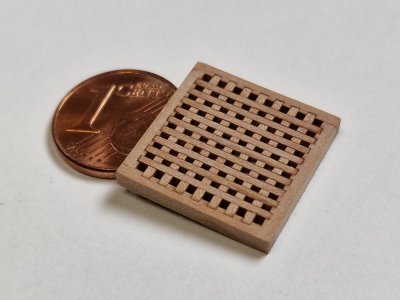
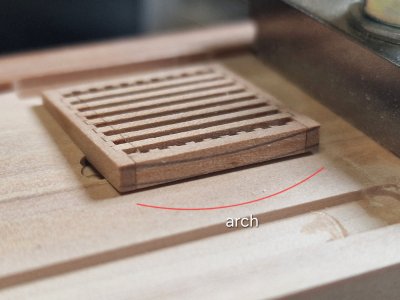
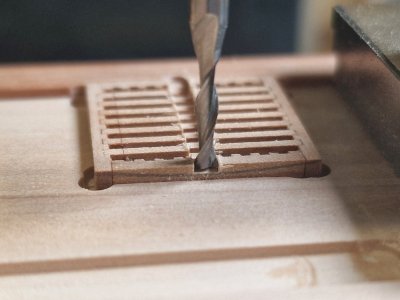
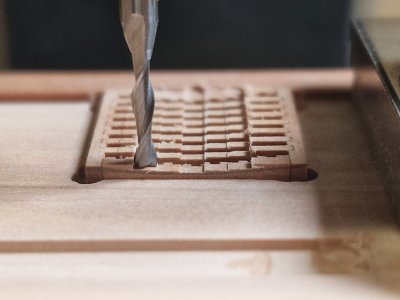
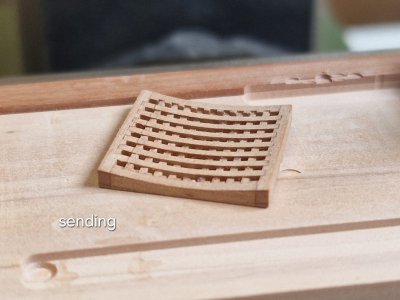
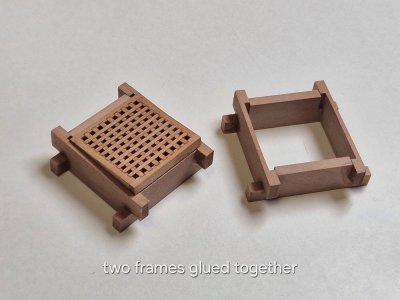
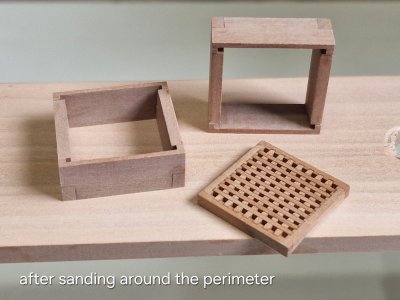
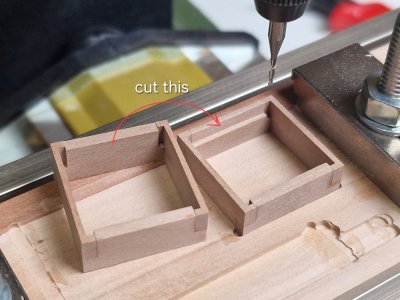
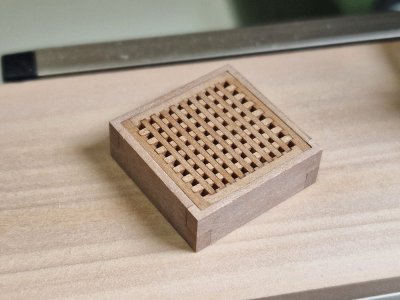

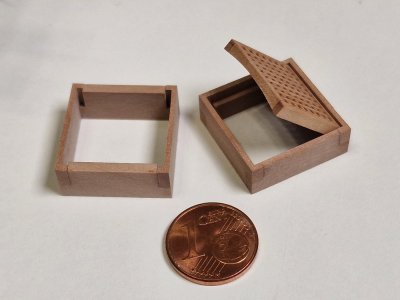
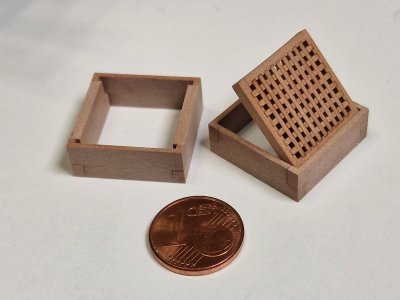


Awsome!2/3
So, let's continue with the front grating.
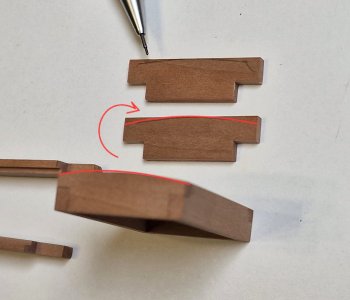
First, we need to make it arched at the bottom.
View attachment 569382
View attachment 569383
View attachment 569384
View attachment 569385
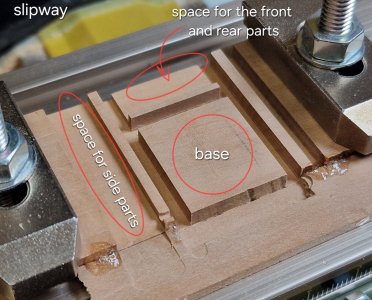
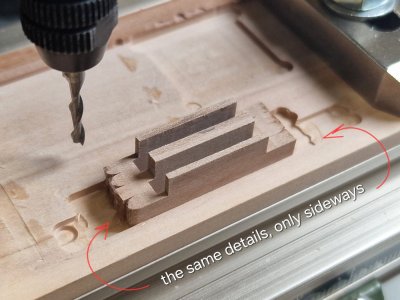
I'll round the top surface later, but for now I'll make the frames for both hulls at once.
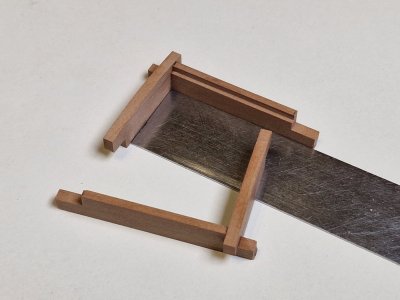
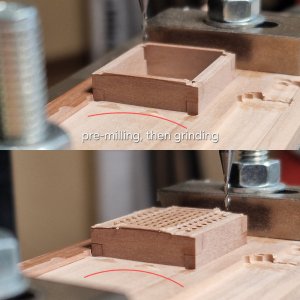
I'll mill all four parts (the front and back of the frame for both hulls) first flat, then along the edge to assemble the frame.
View attachment 569387
View attachment 569388
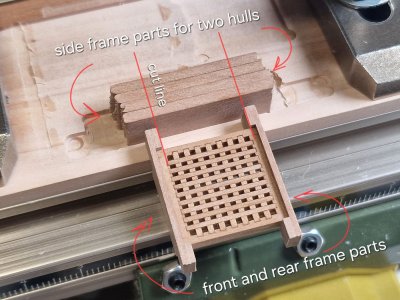
Then, using the width as a guide, I measure how to mill the side parts of the frame (for both hulls at once).
View attachment 569392
View attachment 569393
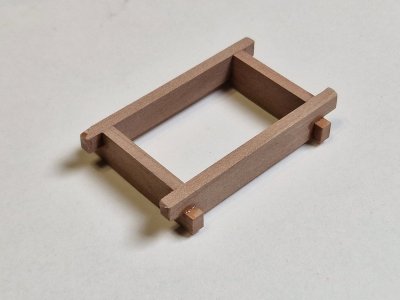
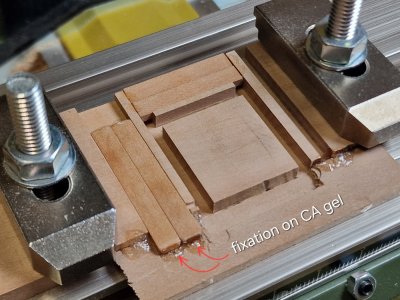
When all the parts were ready, I glued them together with liquid CA.
View attachment 569394
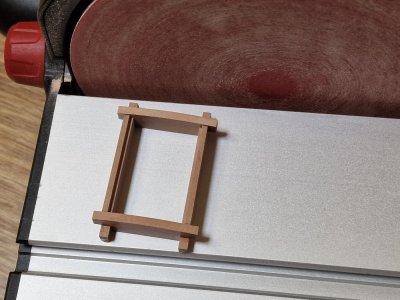
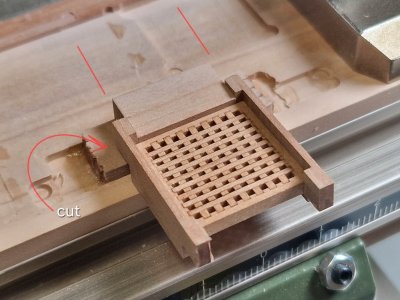
After that, I used a sander to cut off the excess on the sides.
View attachment 569395
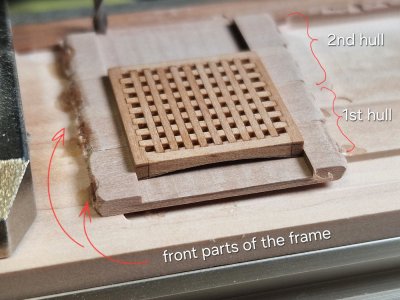
Now it was necessary to trim the sides in the side parts and it remains to fix the two parts (but this is in the next part), but for now this is the result I got when I inserted the grating into the frame.
View attachment 569416
View attachment 569417
View attachment 569418
View attachment 569419
View attachment 569420
Besides that, there are two parts left to glue to the frames, but they still need to be given a semicircular shape, but more on that in the next post.
Thank youAwsome!
Thanks for the congratulations and best wishes, my friend! Yes, a lathe is a must-have; it's impossible to achieve such precision without one. I was planning on making the front grating open in the frame, but I wasn't sure if it would work, but now I realize that with a milling machine, anything is possible.Hey Sergey,
I wish you and your loved ones a happy new year!
I see you've been putting your Proxxon to good use. It looks really great! Simply stunning!
Once again, I'm lost for words when it comes to your precision!
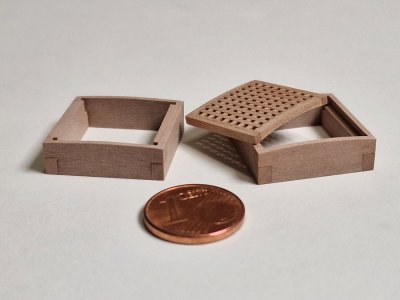
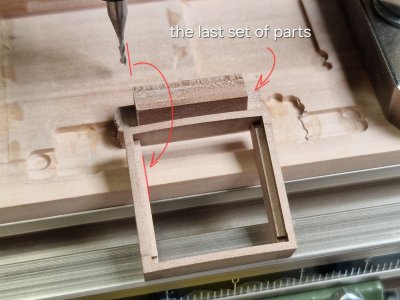
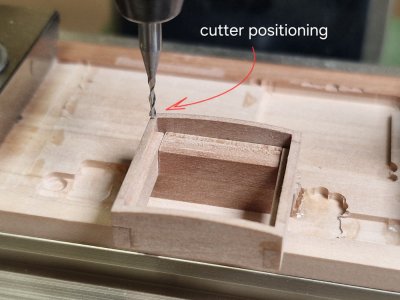
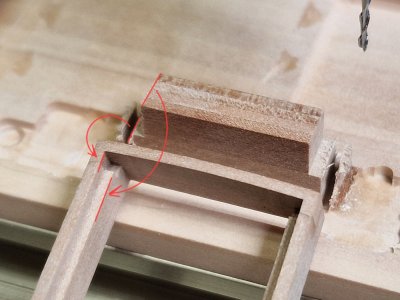
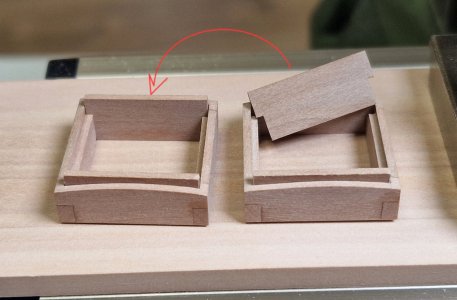
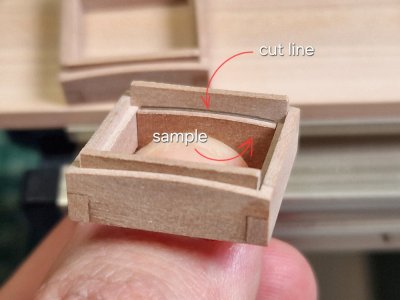
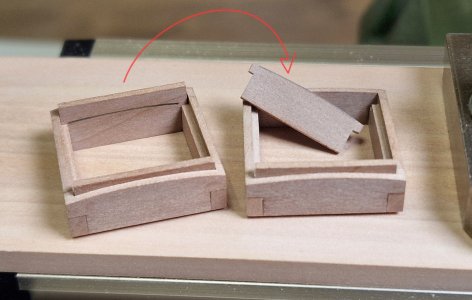
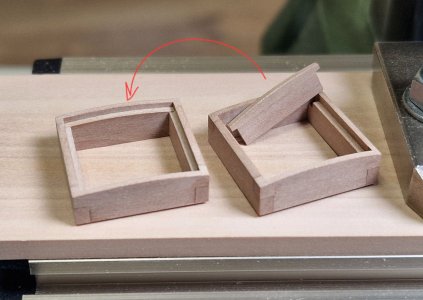
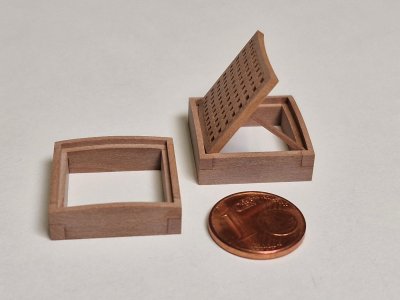
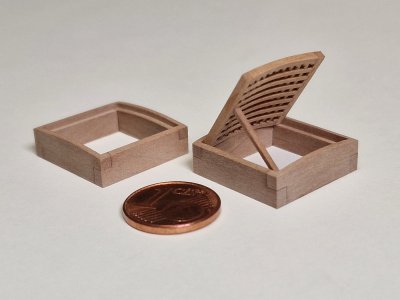

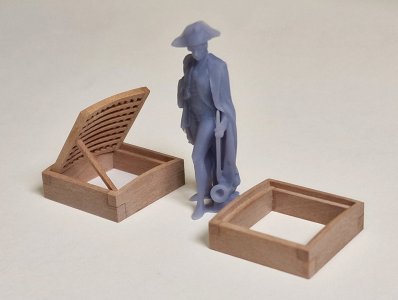
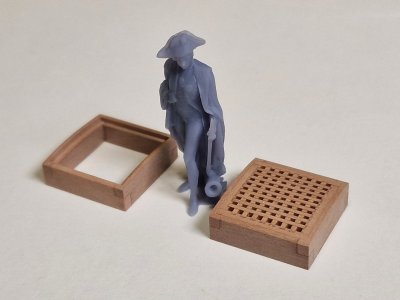
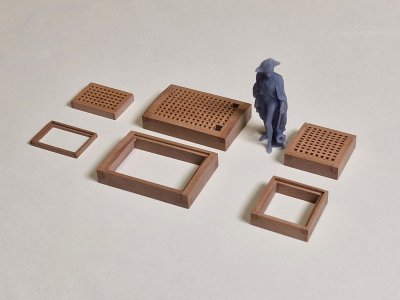
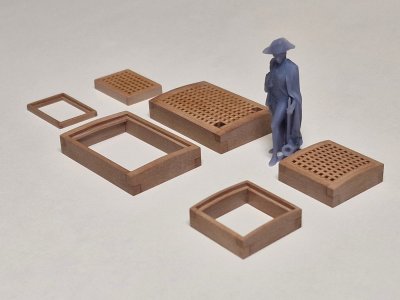


Brilliant!
What Paul said!
Thank you, friends. It's so nice to hear such high praise from you.Beautiful work.
Bill


You made a nice couple of gratings, Sergey. And well documented!Fore Hatchway.
3/3
Final touches on the gratings. First, I cut off the excess with a router and then sanded down the arc shape.
View attachment 569594
View attachment 569595
View attachment 569596
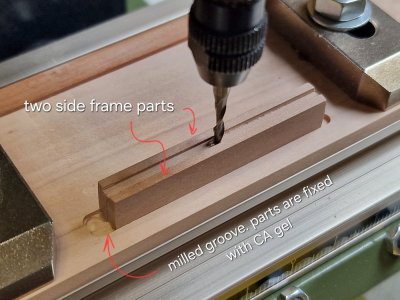
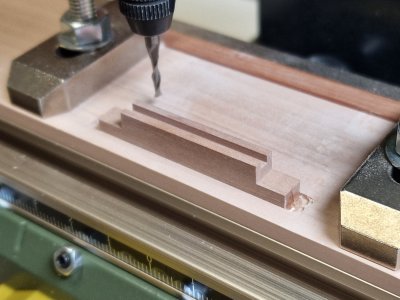
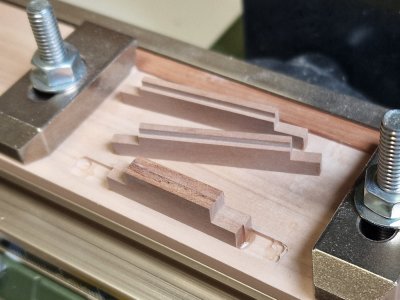
Then the final pieces had to be made. It's difficult to explain here, but the photo should make the process clear.
View attachment 569597
View attachment 569598
View attachment 569599
View attachment 569600
View attachment 569601
View attachment 569602
View attachment 569603
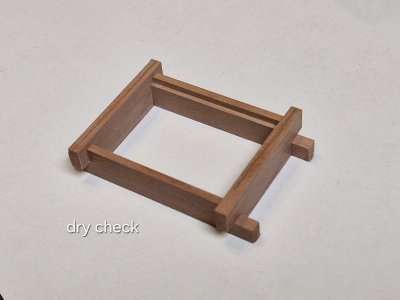
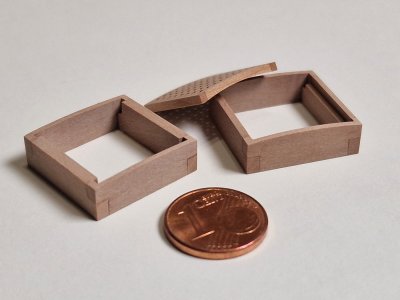
The end result was one frame for the first hull, and another for the second, with a partially open grating and supports. Since there's a staircase there, I decided to do it this way to show both the staircase and the internal structure of the ladder.
View attachment 569604
View attachment 569605
Nelson, as always, inspects the construction progress...
View attachment 569606
View attachment 569607
Well, almost all the gratings and frames are ready, but! I still need to nail the joints and fake bolts... I haven't decided how I'll do that yet (I'll have to see some samples), but the gratings are 90% ready...
View attachment 569608
View attachment 569609
Amazing job! Thanks for sharing your outstanding technique.Fore Hatchway.
3/3
Final touches on the gratings. First, I cut off the excess with a router and then sanded down the arc shape.
View attachment 569594
View attachment 569595
View attachment 569596
Then the final pieces had to be made. It's difficult to explain here, but the photo should make the process clear.
View attachment 569597
View attachment 569598
View attachment 569599
View attachment 569600
View attachment 569601
View attachment 569602
View attachment 569603
The end result was one frame for the first hull, and another for the second, with a partially open grating and supports. Since there's a staircase there, I decided to do it this way to show both the staircase and the internal structure of the ladder.
View attachment 569604
View attachment 569605
Nelson, as always, inspects the construction progress...
View attachment 569606
View attachment 569607
Well, almost all the gratings and frames are ready, but! I still need to nail the joints and fake bolts... I haven't decided how I'll do that yet (I'll have to see some samples), but the gratings are 90% ready...
View attachment 569608
View attachment 569609
Ahah, it's funny, but I'm glad to be honored like this.Brilliant precision work.
Nelson would definitely hire you as ships carpenter.

You made a nice couple of gratings, Sergey. And well documented!
Regards, Peter
Thanks! I've found that it's better to take a few extra photos and highlight key points than to write a long description that's unlikely to be understood. And the saying "seeing is better than reading" works well here.Amazing job! Thanks for sharing your outstanding technique.



