



• Win a Free Custom Engraved Brass Coin!!!
    As a way to introduce our brass coins to the community, we will raffle off a free coin during the month of August. Follow link ABOVE for instructions for entering.
  • SUBSCRIBE TO SHIPS IN SCALE TODAY!

    The beloved Ships in Scale Magazine is back and charting a new course for 2026!
    Discover new skills, new techniques, and new inspirations in every issue.

    NOTE THAT OUR NEXT ISSUE WILL BE MARCH/APRIL 2026

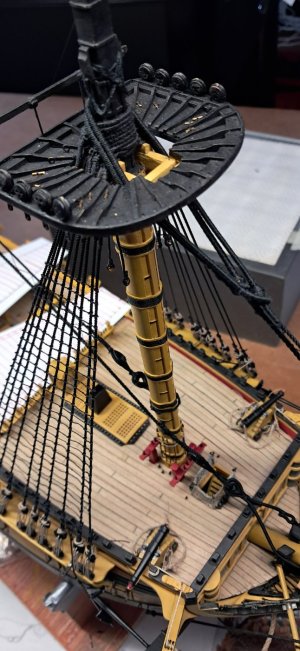
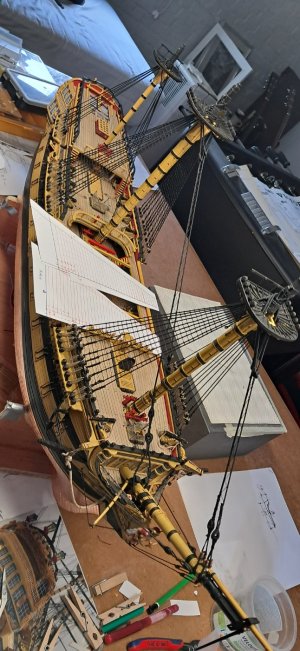
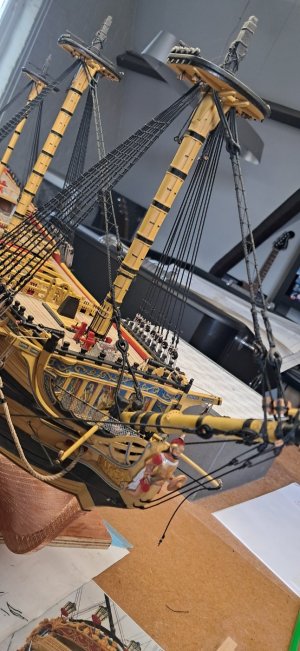
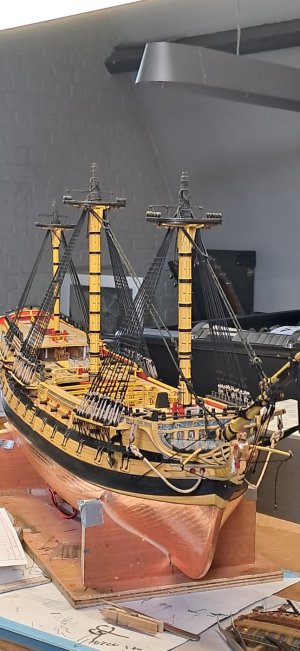
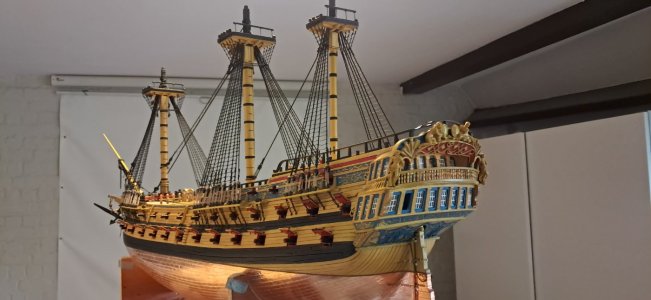
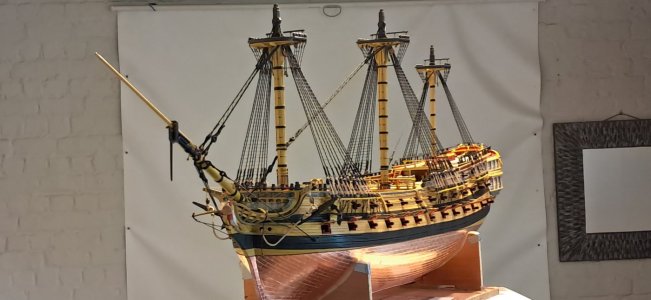
HMS AGAMEMNON 1781 from scratch - scale 1/75

James Lee is not helpfull for construction details.
Hi William,
Not sure what you are referring to, the masts, the tops, something else. The information from David Steel is probably the most worthwhile unless there are drawings for Agamemnon specifically.

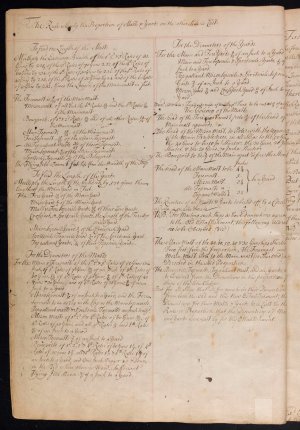
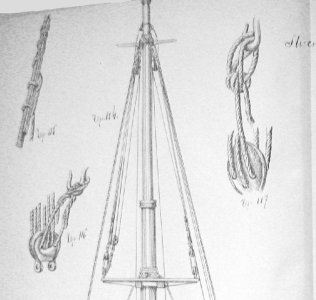
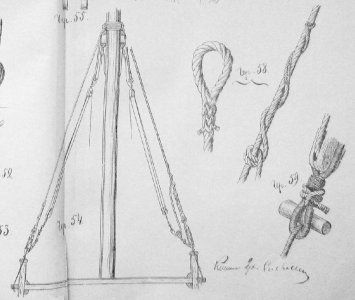
While not appropriate for Agamemnon necessarily the 1719 Establishment pages at RMG give a lot of details that may be helpful for anyone interested for earlier vessels. It has informaation on the tops, trestle trees, masts, etc.

Couple pages as an example follows.
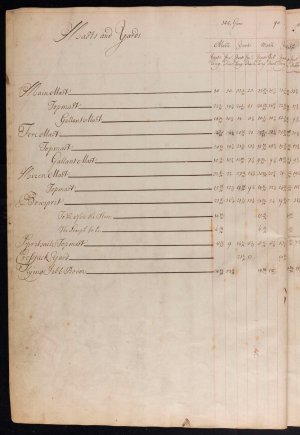
1719 Establishment hand written copy sample 1.jpg

1719 Establishment hand written copy sample 2.jpg

There are a number of high resolution drawings of masts and yards on the Wiki Commons site and hundreds in low resolution on the RMG Collections site.
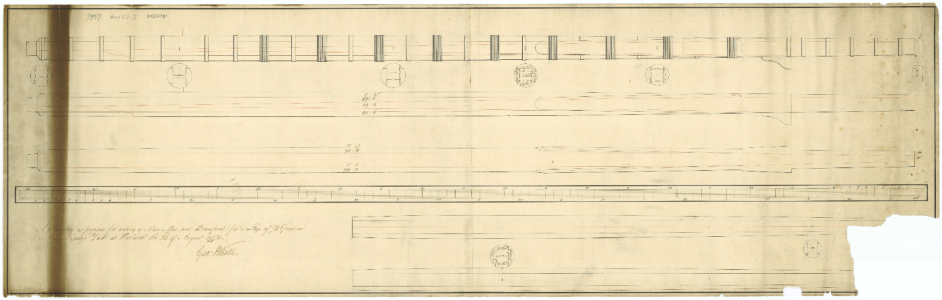
74_GUN_SHIP_1778 MAIN MAST RMG_J7795.png
 
Last edited:
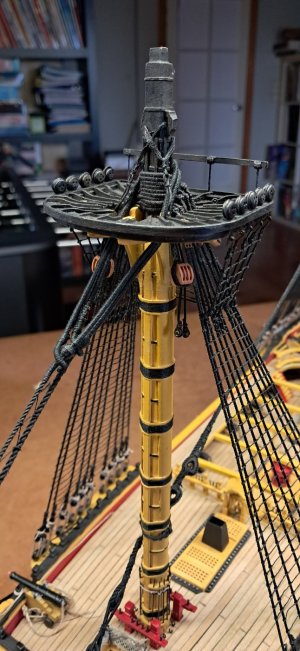
The construction of the lower masts is fantastic!

This came up on another Agamemnon build earlier. According to James Lees in The Masting and Rigging of English Ships of War, after about 1775 if there was a swifter like on the Agamemnon main mast only every sixth ratline extended to the swifter. It is great to see you started the lower six rows of ratlines starting on the second shroud for the first six rows as was done on the actual ships at that time. Nicely done. :) I have no idea why they did this and would love to find an answer. I thought it might have to do with the forward most shroud being served the entire length, but then there would be none tied to it, so I am at a loss on this. Beautiful model William!

Allan
 
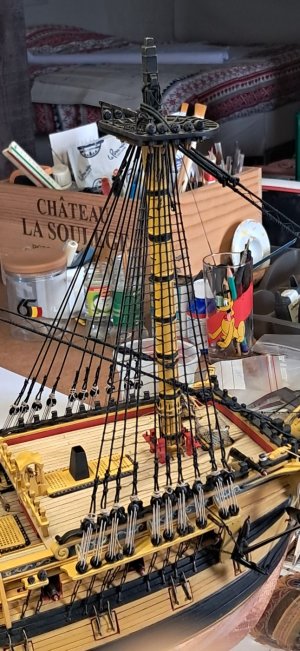
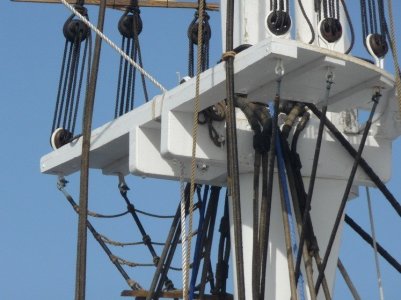
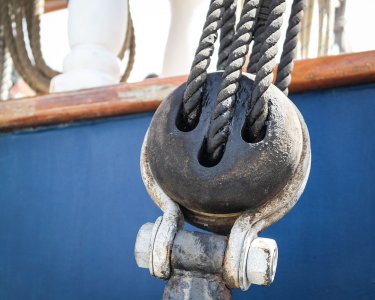
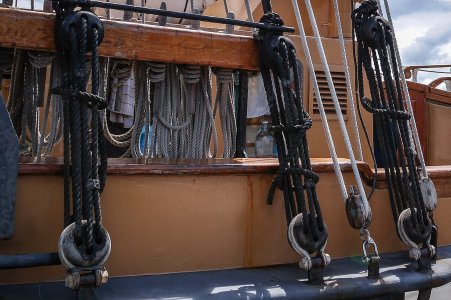
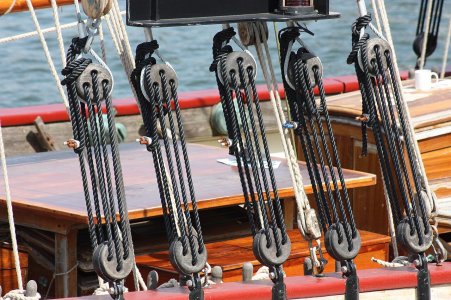
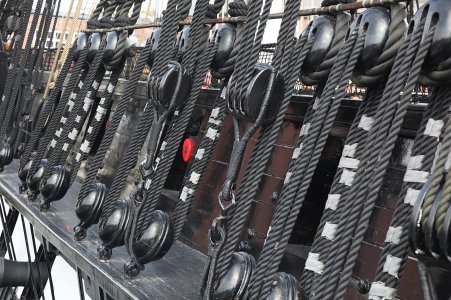
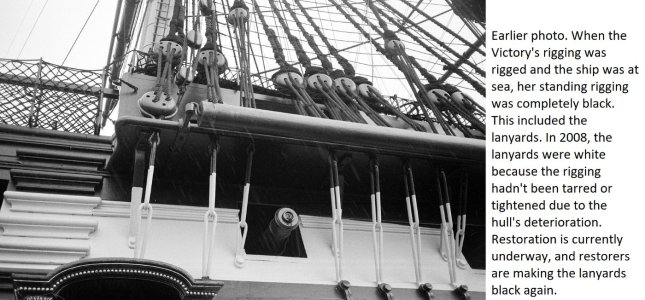
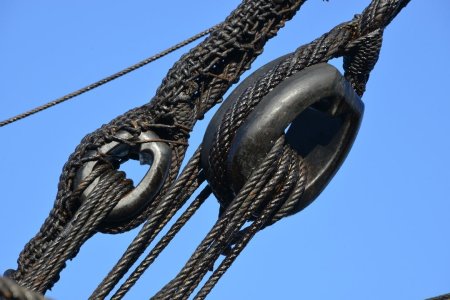
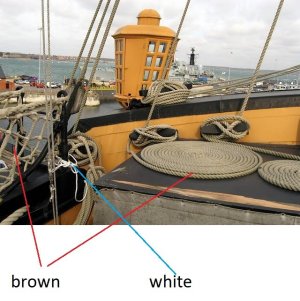
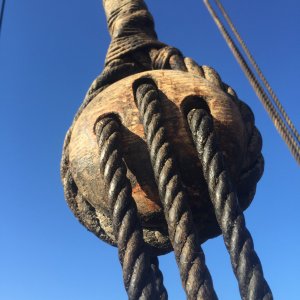
Dear William! Do you know how to dye thread? If so, paint the rigging lanyards black.
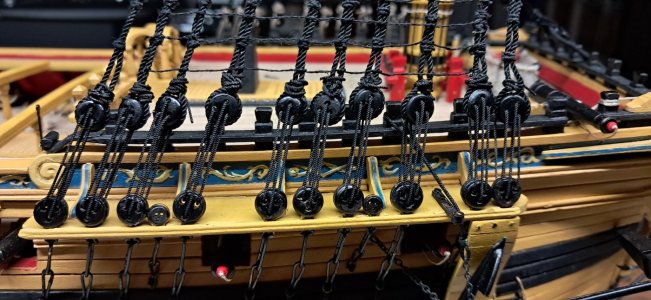
Your stays are done correctly: the lanyards are black. But the lanyards on your shrouds are white, which is a mistake.
The fact is that on ships, after the standing rigging was finally tensioned, it was completely coated with tar. If these rigging elements weren't tarred, they would rot.
That's why the lanyards were always the same color as the shrouds and stays. Yours should be black.

5XImJm6i2ak.jpg 1420784217_futtockshrouds.jpg.37f04a99d0c42938fb1968cd48fcace5.jpg Hawaiian_Chieftain_(Coos_Bay,_Oregon)-5.jpg Hawaiian_Chieftain_(Coos_Bay,_Oregon)-7.jpg Johanna_Lucretia,_Belfast,_June_2010_(05).JPG USS_Constitution-IMG_5307.jpg Victory204 Modified JPG — копия.jpg

0HJJwThigtSzgQswDAx6UsVJkIp8eITom_SdaL971DiBSP67b9nGT5a13req2b3m5sK0UeuLz4zoNEChujdkMuwf.jpg

1-2 (2).jpg
 
Dear William! Do you know how to dye thread? If so, paint the rigging lanyards black.
Your stays are done correctly: the lanyards are black. But the lanyards on your shrouds are white, which is a mistake.
The fact is that on ships, after the standing rigging was finally tensioned, it was completely coated with tar. If these rigging elements weren't tarred, they would rot.
That's why the lanyards were always the same color as the shrouds and stays. Yours should be black.

View attachment 589322 View attachment 589323 View attachment 589326 View attachment 589327 View attachment 589328 View attachment 589329 View attachment 589330

View attachment 589320

View attachment 589321
Thank Iutar, for the information and pictures.
I know about risk of rot but did they never retight the schrouds during ship lifetime ? I gess yes. When lanyards are coated, this will be not possible..
Anyway I will think about how to dye the thread and make some tests. I do not want to take any risk of damaging the aesthetics.
1775246947856.png
 
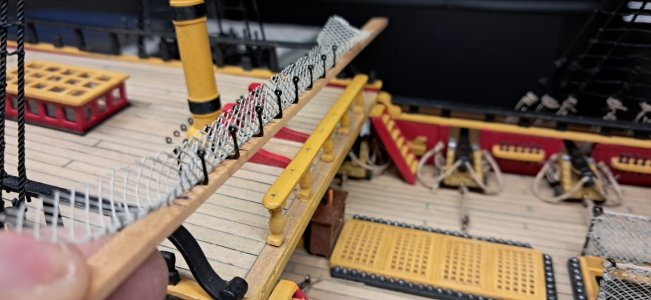
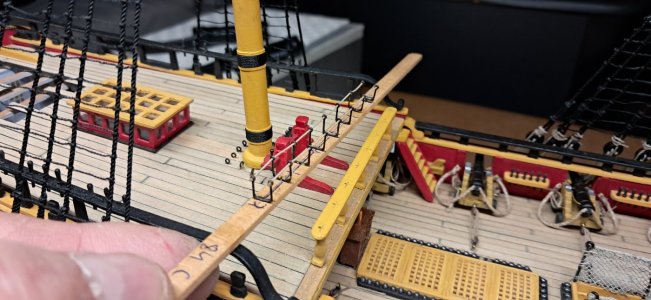
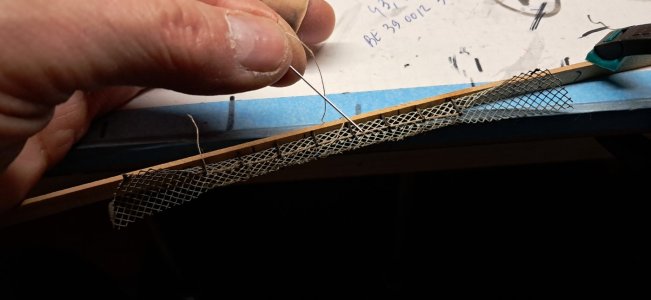
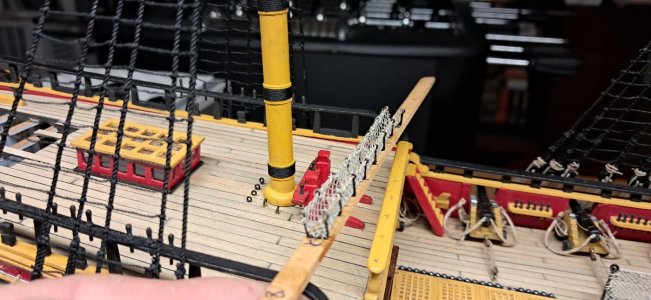
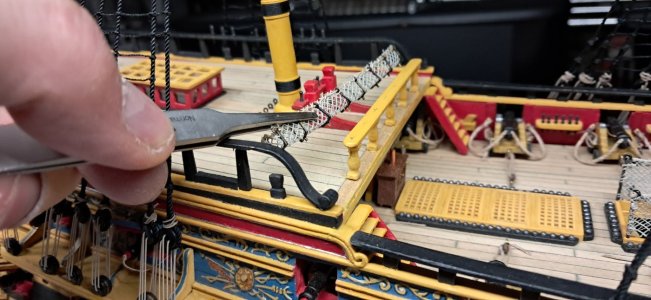
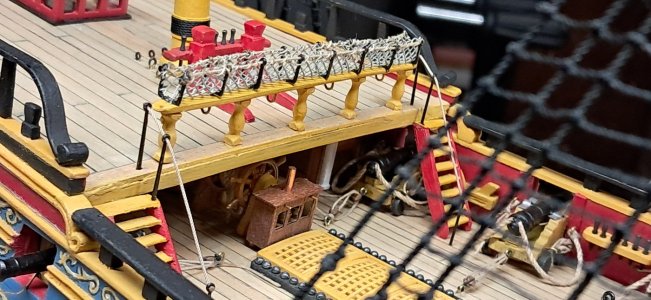
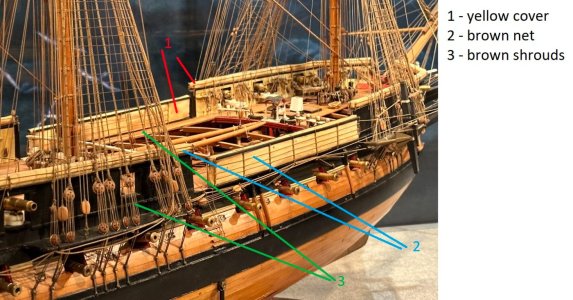
Hammock netting on poop deck
My method :
1) attach the hammock cranes on a separate plank,
2) attach the 2 ropes (0,5 mm)
3) attach the net with thread and needle,
4) placement on the balustrade secured by small drop of glue.
In this case the net is a plastic mosquito net 1,5 x 1,5 mm mesh and painted.

20260403_201210.jpg

20260403_202709.jpg

20260403_204714.jpg

20260403_205617.jpg

20260403_205902.jpg

20260403_231612.jpg
 
Last edited:
Back
Top