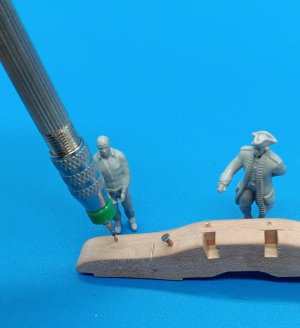
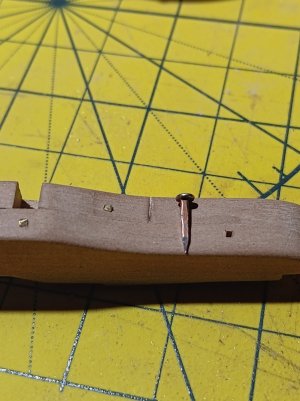
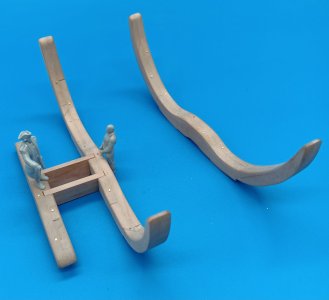
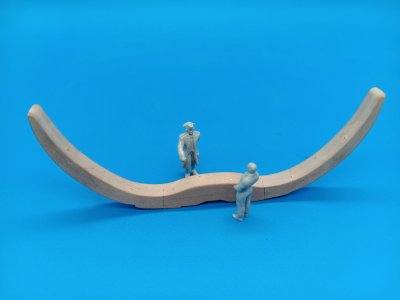
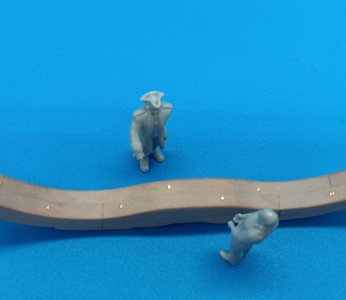
I’m so glad that the Super has a Petty Officer to show him the way! As most PO’s, Brutus is indispensable! 
Lovely work Brad!
Lovely work Brad!

 |
The beloved Ships in Scale Magazine is back and charting a new course for 2026! Discover new skills, new techniques, and new inspirations in every issue. NOTE THAT OUR NEXT ISSUE WILL BE July/August 2026 |
|
 |
As a way to introduce our brass coins to the community, we will raffle off a free coin during the month of August. Follow link ABOVE for instructions for entering. |
|
The NCOs are why the US military runs circles around any other military in the world! You nailed it, indispensable!!I’m so glad that the Super has a Petty Officer to show him the way! As most PO’s, Brutus is indispensable!
Lovely work Brad!
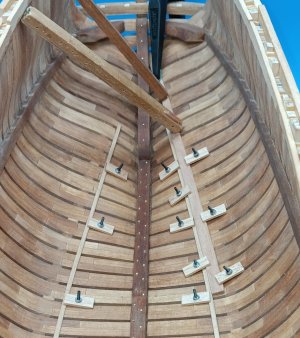
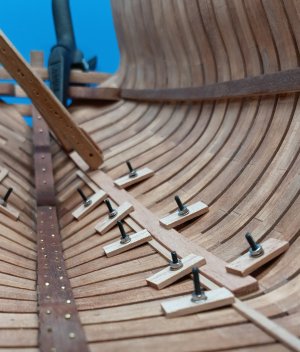

I used pencil marks for the main deck clamps and once I removed the clamps, one beam had shifted slightly (redo!). So, I will continue to use these type templates to ensure things stay put. Obviously, the guides are only needed for the first row.Clever idea with the guide. I'm a 'follow the pencil mark' guy and it sometimes creates problems for me.
How much interior planking are you planning on?
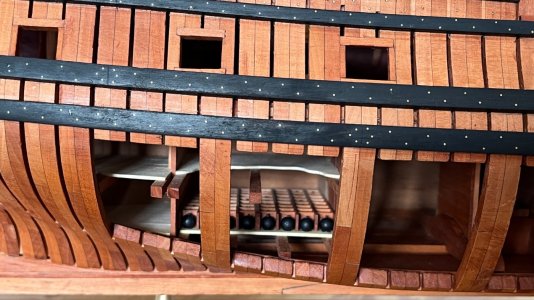
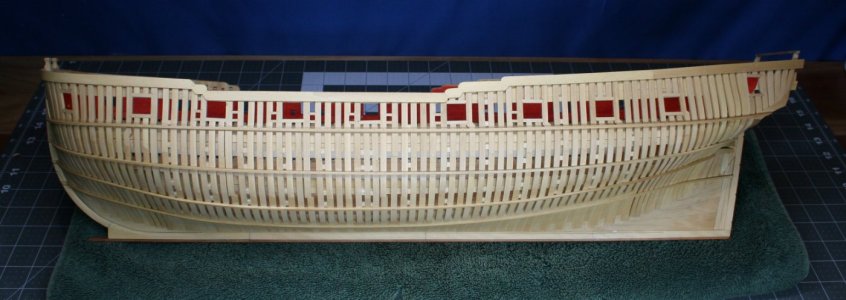
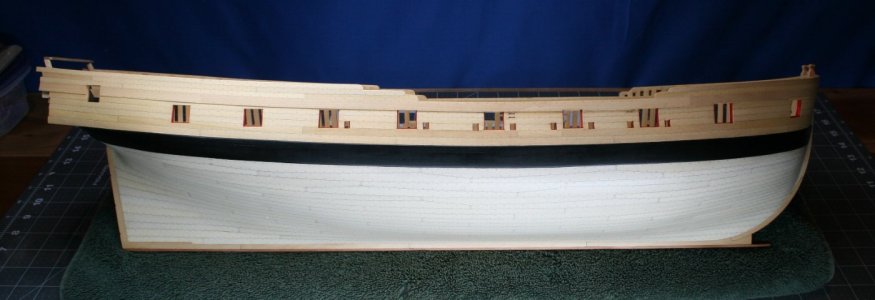
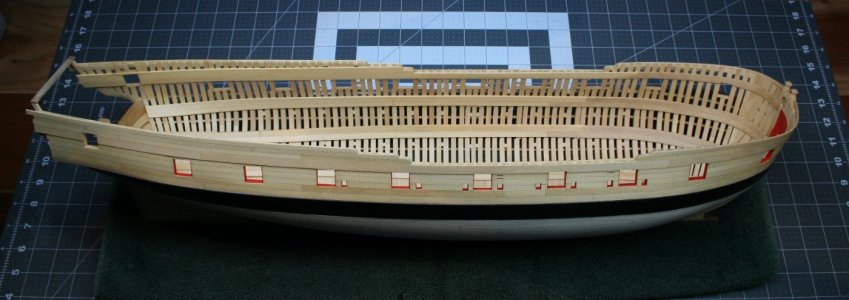
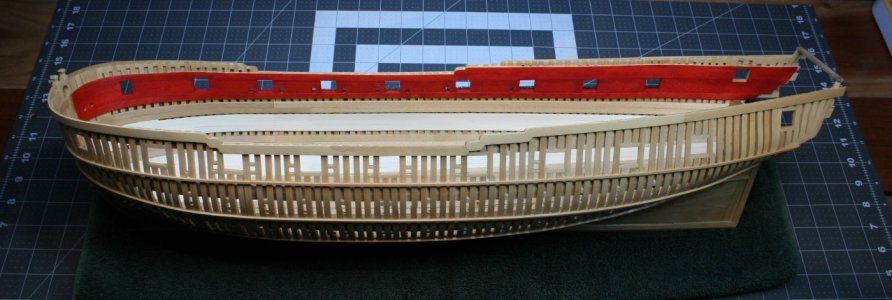
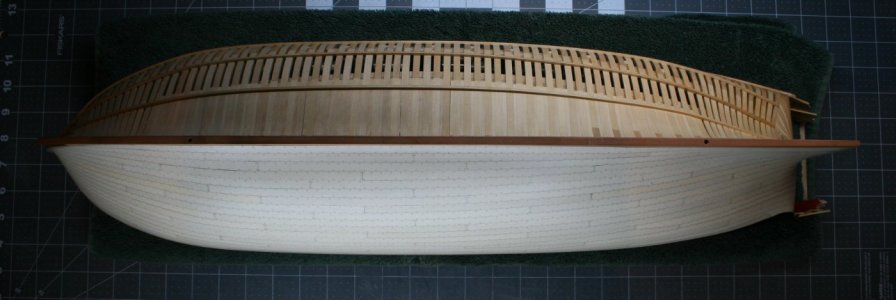
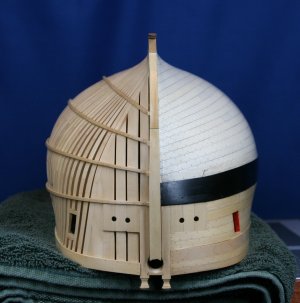
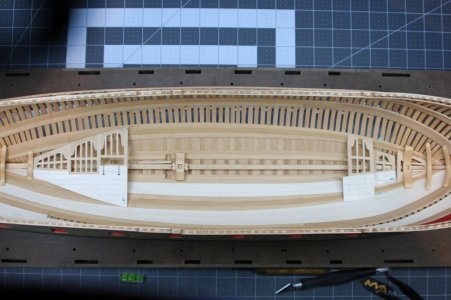
I like Paul's approach and will be following a similar one on La Renommee. Just my 2 cents. Inner planking going well so far Brad !Paul, thanks!! I followed that build and love the outcome. My favorite shot from the above pictures is the bow shot, but they are all inspirational!
There will be lots of thought, time, gnashing of teeth and experimenting, till the shipyard comes up with a final planking and cut-out plan.

Tobias,Hi Brad, all the best to your granddaughter, I'm keeping her in my thoughts.
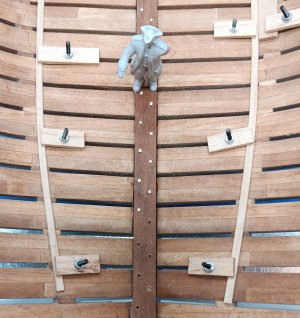
Regarding your work, it's fantastic. The hull has a wonderful shape, simply stunning. As for the nails, as already mentioned, everything above the waterline is nailed with iron nails only. Below the waterline, the same nailing pattern is used, supplemented with wooden nails. As far as I know, and as I read in the French forum, everything is nailed with iron nails; there are no wooden nails. Not on the decks, the bulwarks, or anywhere else. Except in the officers' quarters and the officers' mess.
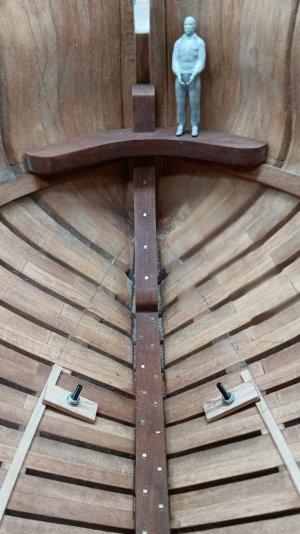
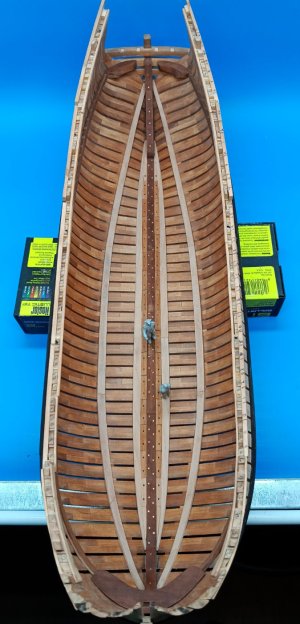
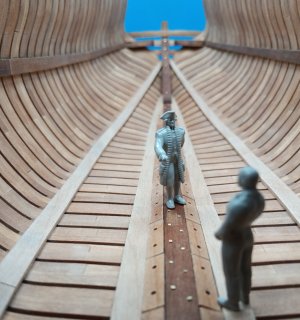
 !
!

Nice work on the panels, Brad. They fit nicely in the recesses. Also, the color combination of the wood and the square nails.Accomplishments.
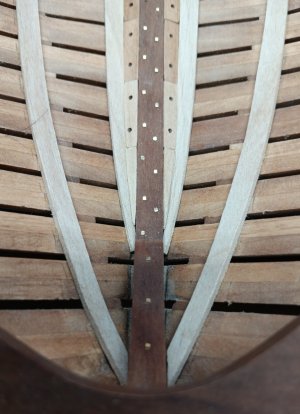
1. All square bolts are installed.
2. The first plank of the "thick stuff" was installed.
3. The Limber Strakes were installed.
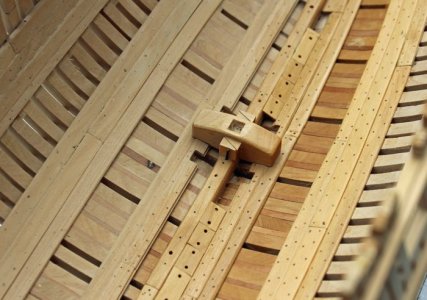
4. Access planks to the Limber Channel were milled and placed.
Shipyard Superintendent approved the lay of the thick stuff and limber planks.
View attachment 577785 View attachment 577784
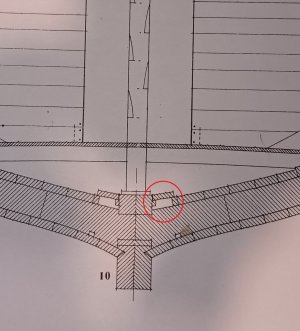
Boudroit depicted the access panels to the Limber Channel below. I didn't like this French method of laying the access panels.
View attachment 577797
Using the Shipyards "artistic" license, the panels were placed in the same manner as Toni did on her build of HMS Atlanta (below).
View attachment 577794
I know this is the British method. However, PO Brutis is an "impressed" British Prisoner of War and he convinced the shipyard this method is simple, effective, stronger and more secure.
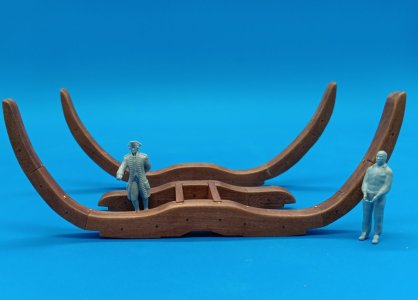
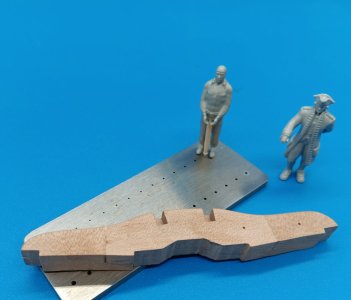
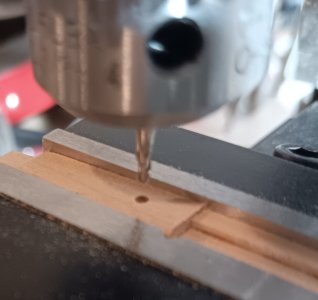
First a jig was made to uniformly build the panels. The holes are 3", which is large enough for a hand to grip but too small for a foot to fall into.
View attachment 577778
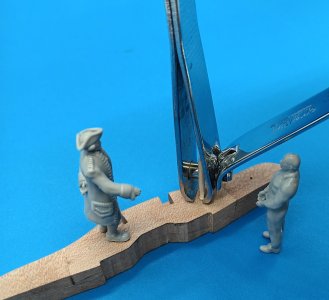
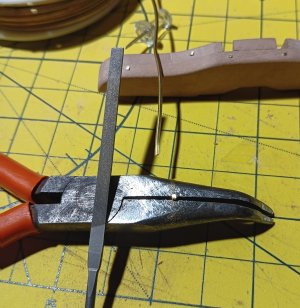
Close-up of the finished product and also the final tapered filler piece.
View attachment 577786
Thanks for visiting. Shipyard slowdown anticipated as G'ma/G'pa are having a sleepover with BOTH our 3 and 5-year grandkids

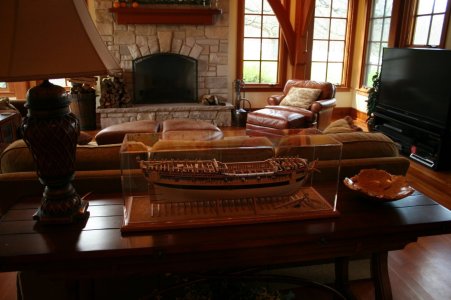
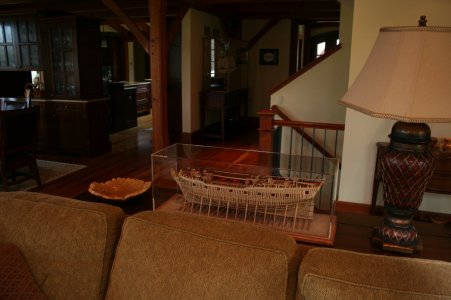
If you haven't got the space to present her in a four sides glas shrine:That's sort of what I did on the KF. Here are some images so it will help you visualize (these are full-size images and will open to a larger size if you click on them):
View attachment 576254View attachment 576255View attachment 576257
Lovely work on your French-ish (French + British) ship! Enjoy the grandchildren!
Nice work on the panels, Brad. They fit nicely in the recesses. Also, the color combination of the wood and the square nails.
Regards, Peter
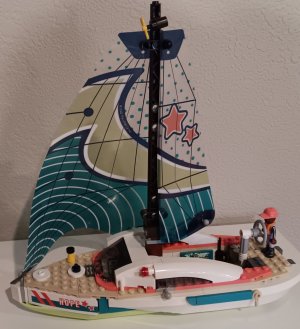
Paul - Thanks for "naming" my artistic build style and yes the grandkids will be a blessing!! A picture of the lego "ship" my 5-year-old granddaughter made below!If you haven't got the space to present her in a four sides glas shrine:
What If you build a showcase with the starboard side to the front, sides and top - and a mirrow as the backside?
(I have got the good old handdrawn edition in my Ancre shelf - I think about her in some years in cardboard.)
Great job you do, Thank you very much for sharing.r